

More than 120 fish species have already migrated from the Red Sea to the Mediterranean since the Suez Canal opened more than 150 years ago. Now, Tel Aviv University researchers have developed a statistical model capable of predicting which species are likely to be next.
The model, based on extensive field observations in both seas, has already identified three species with particularly high potential to invade the Mediterranean in the future: the stellate pufferfish (Arothron stellatus), the cinnabar goatfish (Parupeneus heptacanthus) and the yellowspotted trevally (Turrum fulvoguttatum).
The study was led by Dr. Shahar Chaikin as part of his doctoral research at Tel Aviv University, under the supervision of Prof. Yoni Belmaker of the School of Zoology, the Faculty of Life Sciences and the Steinhardt Museum of Natural History. Dr. Tal Gavriel, doctoral student Avery Deveto and Shahar Malamud also participated in the study, which was published in the Journal of Animal Ecology.
The new model ranks Red Sea fish species according to their likelihood of becoming future migrants to the Mediterranean. The researchers explained that its purpose is not only to understand how past invasions occurred, but also to enable authorities and conservation scientists to prepare for future ones, particularly as the warming of the Mediterranean accelerates the northward spread of tropical species.
According to the researchers, such watch lists could become an important tool for the early detection of invasive species, environmental monitoring and decision-making aimed at protecting the marine ecosystem.
What makes a fish a likely invader?
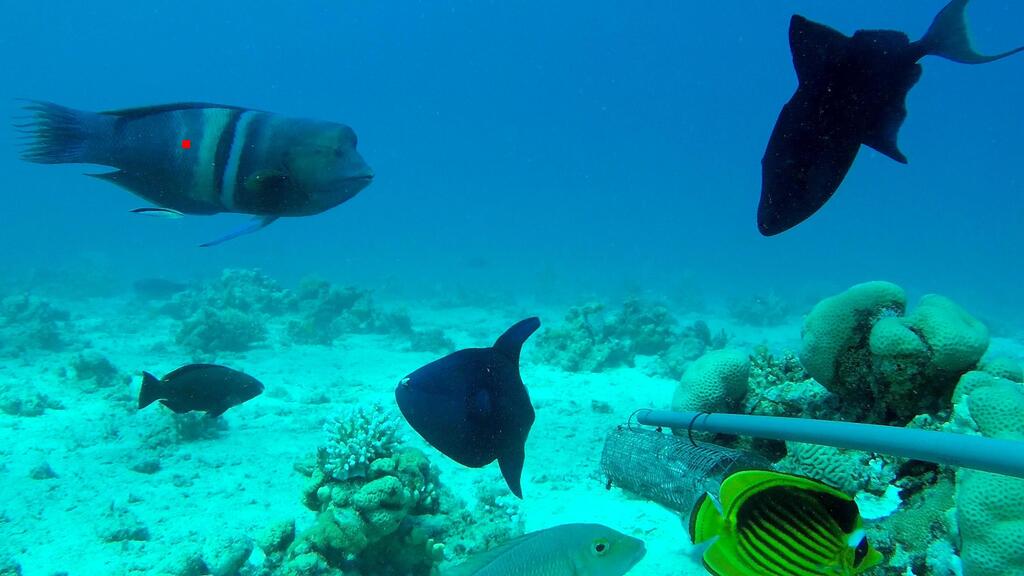
To answer that question, the researchers deployed stereoscopic underwater video systems, known as stereo-BRUVs, at depths ranging from 5 to 150 meters in the Gulf of Eilat and along Israel’s Mediterranean coast.
Using hundreds of hours of footage, they analyzed 179 fish populations and compared species that had already invaded the Mediterranean with those that remained in the Red Sea. Unlike previous studies, which focused mainly on species that had already migrated, this study also examined the source populations in the Red Sea. This allowed the researchers to distinguish between the traits that enabled the invasion and the changes that occurred afterward.
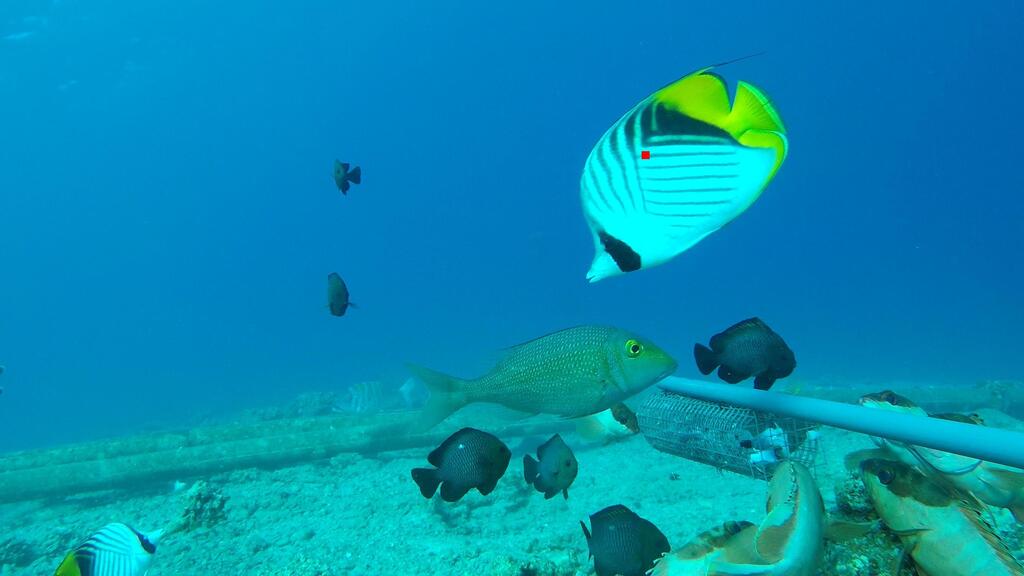
Fish examined as part of the study
(Photo: Tel Aviv University)
The main finding was surprising: The most important factor was not whether a fish was a “generalist,” meaning it could live in a wide range of habitats, but whether it was independent of coral reefs.
“The Suez Canal and the Mediterranean contain almost no coral reefs like those found in the Red Sea,” Chaikin said. “Species that depend on coral reefs therefore appear unable to complete the journey. The fish that successfully invade are those that did not need coral reefs to survive in the first place.”
Fish change their habits after reaching the Mediterranean
The study also revealed how the fish behave after successfully establishing themselves in the Mediterranean. Contrary to expectations that they would remain in the same types of habitats they occupied in the Red Sea, the researchers found that they quickly change their preferences and make use of the habitats available in their new environment.
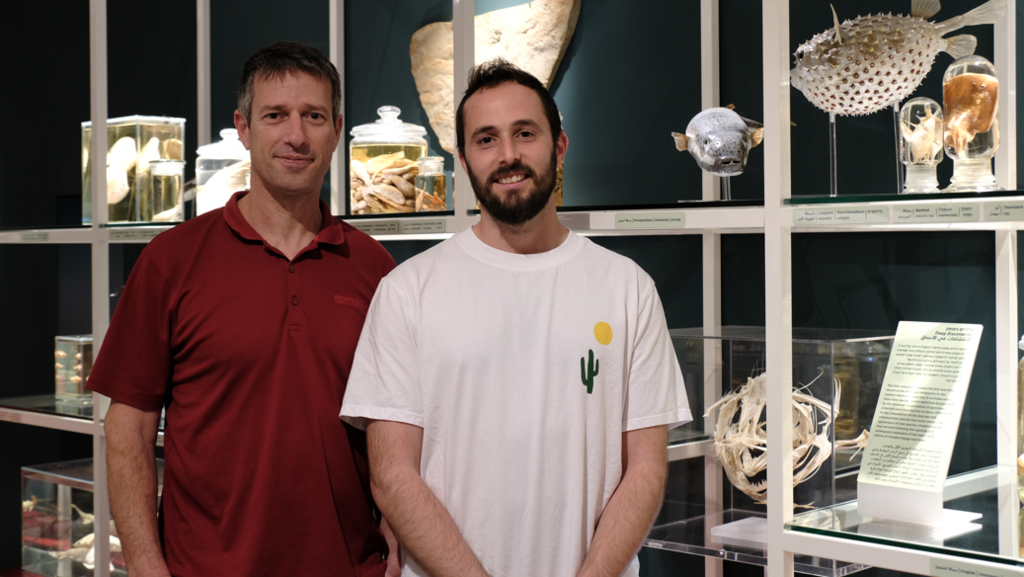
Dr. Shahar Chaikin and Prof. Yoni Belmaker
(Photo: Tel Aviv University)
Moreover, contrary to the common assumption that invasive species occupy “empty ecological niches,” the study found that migrant fish use the same habitats as native species. This means the potential for competition over food, shelter and space between invasive and local fish may be greater than previously believed.
“Until now, attempts to understand invasions focused mainly on species that had already reached the Mediterranean,” Belmaker said. “We took a step back and examined what characterizes these species before they begin the journey. That distinction allows us to move from explaining invasions that have already occurred to predicting the next ones.”
The researchers added that as the Mediterranean continues to warm, tropical species are expected to have a greater chance of establishing themselves there. Incorporating models of this kind into monitoring programs, they said, could help detect new species early and improve preparations for the changes expected in the Mediterranean ecosystem.