

As bizarre as it sounds, undersea sharks are occasionally biting the very cables that power global internet networks — creating real disruptions and reminding us that the internet’s backbone depends on fragile infrastructure under the sea.
Undersea fiber‑optic and data cables crisscross the ocean floor, carrying massive volumes of internet traffic across continents. However, there have been documented incidents in which sharks, seemingly attracted to these cables, have bitten them, sometimes damaging them severely enough to interrupt connectivity.
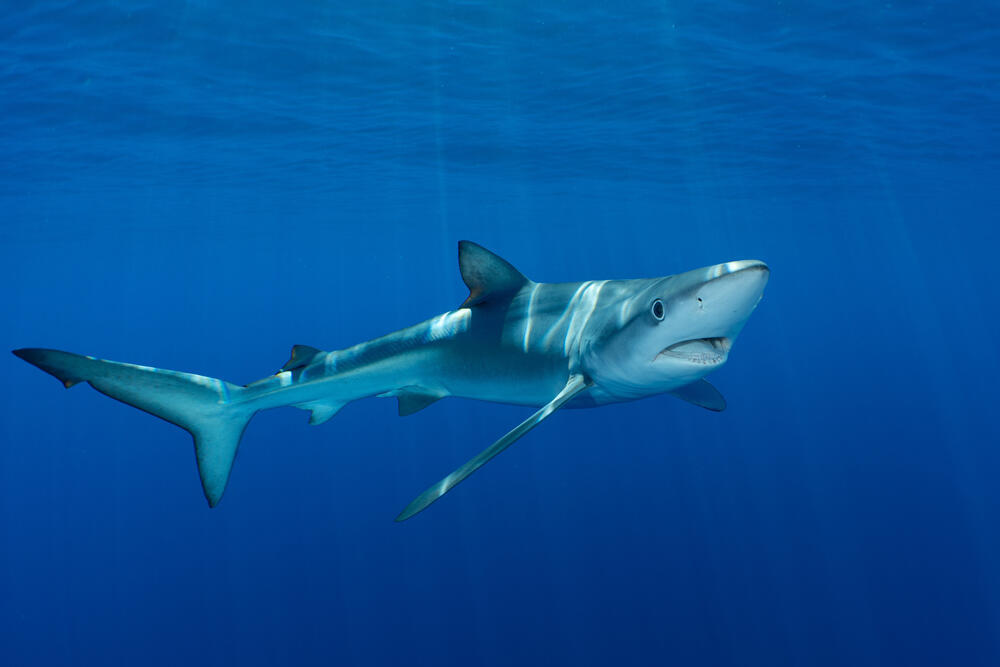
Experts believe the cause lies in sharks’ highly sensitive electroreceptors, organs that detect electrical fields. These evolved features help sharks hunt prey, but they may misinterpret the electrical or magnetic fields around buried or energized cables as potential targets.
Some scientists also note that the cables might resemble prey visually or via vibrations, especially in murky water, triggering a curiosity or attack reflex.
While it might sound like a sensational headline, the consequences are tangible. In some past cases, cables carrying essential data — including broadband access, financial transactions and media streaming — have been severed or degraded by shark bites, leading to outages across countries.
Because the global internet depends heavily on a relatively small number of these undersea links, even a single damaged cable can cause cascading disruptions: slower connections, increased latency or even temporary blackout of entire regions.
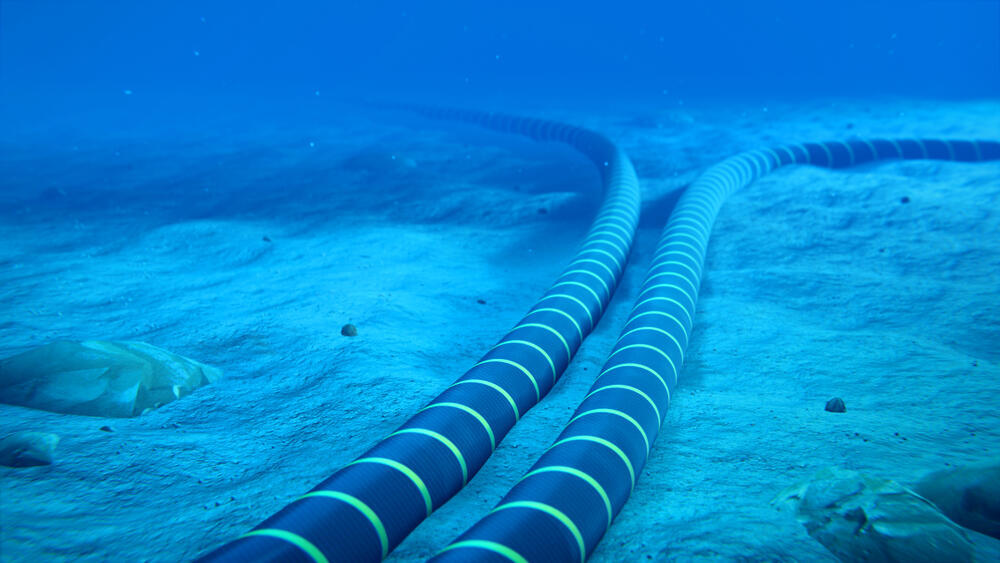
An undersea fiber‑optic cable
(Photo: Shutterstock)
Sharks’ electroreceptors evolved over millions of years to detect prey, not to distinguish cables from fish. The result is a clash between evolution and infrastructure, where a misfired instinct targets the backbone of modern connectivity.
Many of the cables at risk today were laid decades ago, long before the impact of marine life on undersea infrastructure was fully understood. That outdated approach has left them vulnerable to interference from modern ocean ecosystems.
In a world that depends on constant connectivity, a severed undersea cable can do more than disrupt a signal. What starts as a single shark bite can ripple into widespread outages, affecting commerce, communication and daily life for millions.
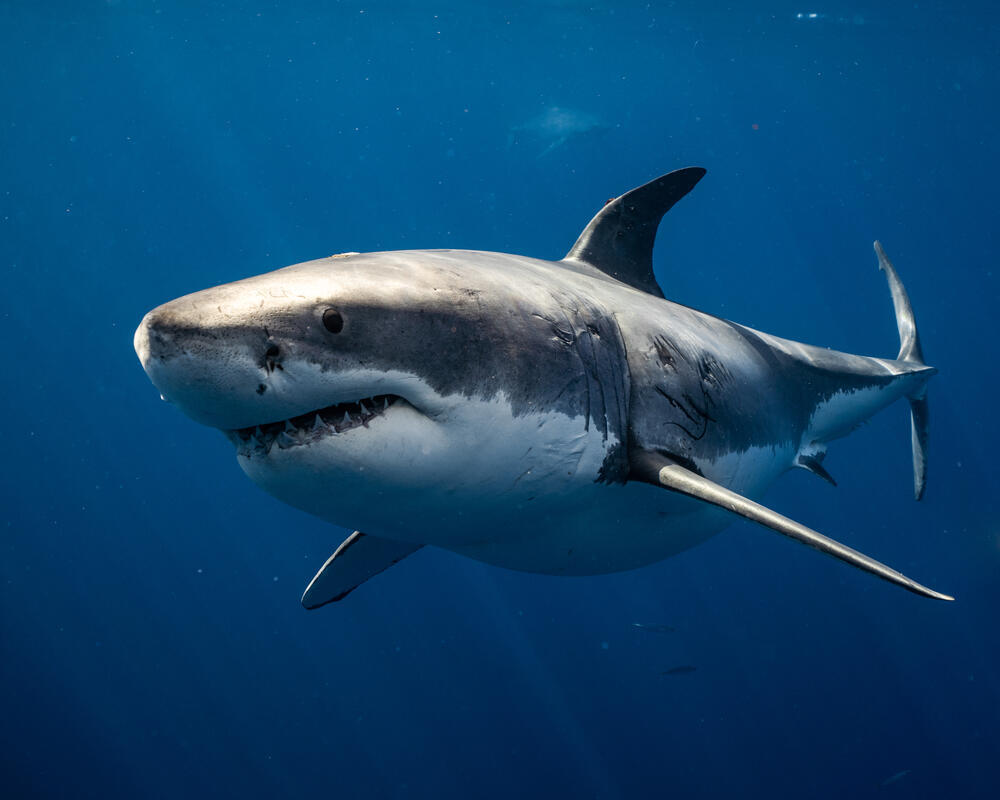
It’s important to emphasize: the idea of sharks “attacking the internet” is largely metaphorical. Sharks are not targeting humans or intentionally sabotaging infrastructure. Rather, natural biological instincts — misdirected electroreception or curiosity — are to blame.
(Photo: Shutterstock)
Moreover, not all undersea network failures are caused by sharks. Anchors dragging along the seabed, fishing trawlers, natural disasters and cable aging remain among the top reasons for damage.
Can we prevent it — or is this just inevitable?
Telecom and infrastructure companies have taken steps: many newer cables are now designed with tougher protective sheathing, placed deeper or routed away from known shark habitats when possible. Still, the vast scale of the underwater network and the unpredictability of marine life make total prevention difficult.
Some experts argue that raising awareness about the phenomenon is part of the solution: it's not just a fun headline — it's a real engineering challenge at the intersection of technology and nature.
As the internet becomes ever more vital — for commerce, communication, health systems and global media — we are reminded that even the most advanced technology remains vulnerable to natural forces. The sight of a shark chewing through fiber‑optic cable may feel cinematic. But the consequences? They can ripple across continents.
Next time your Wi-Fi drops — and it's not clearly a local outage — you might just blame it on something you never expected: a curious shark beneath the sea.