

The “Llullaillaco Maiden,” a teenage girl known as La Doncella whose mummified body was found on a volcano in Argentina, was sacrificed by the Inca hundreds of years ago. Now, an analysis of plant remains found in her burial site is shedding new light on the historical events that led to her death more than 500 years ago.
In 1999, archaeologists discovered the remains of three mummified Inca children, one teenage girl and a boy and girl about 7 years old, beneath the summit of the Llullaillaco volcano in Argentina, near the border with Chile.
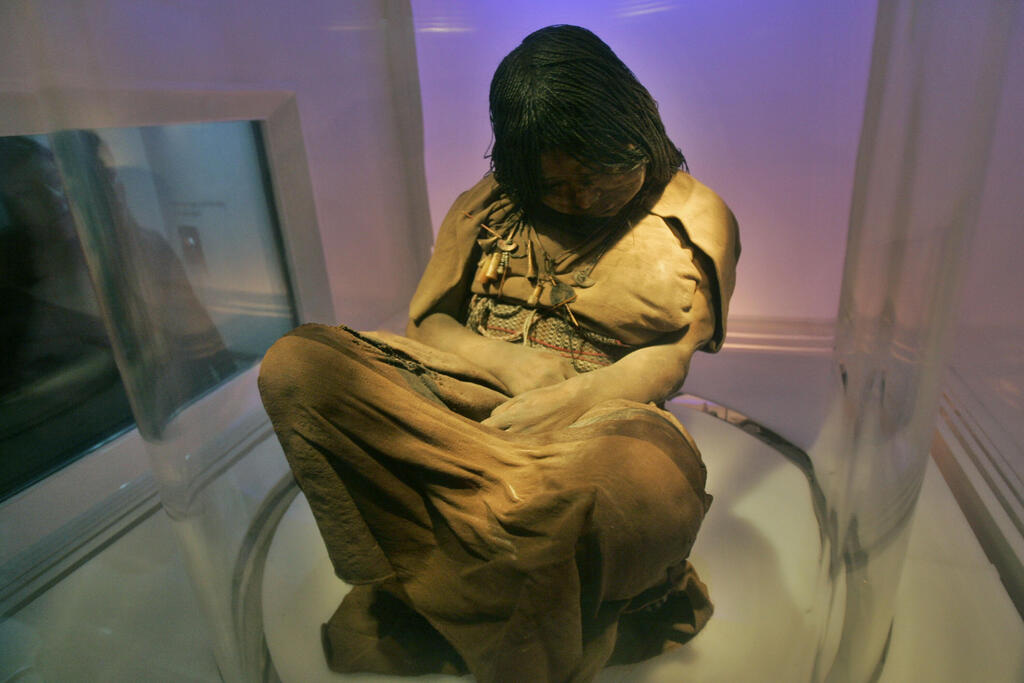
Studies of the mummies over the past two decades showed that the children were fed elite foods and given alcohol and coca, the plant from which cocaine is derived, before being led to an underground shrine and left to die in a ritual known as capacocha.
The ceremony was meant to appease the gods and prevent natural disasters through human sacrifice, usually of children and young adolescents.
Although the mummies were exceptionally well preserved, the exact date of their sacrifice remained unclear. A radiocarbon analysis conducted in 2007 on hair samples from the mummies found that the three young victims died sometime between 1430 and 1520.
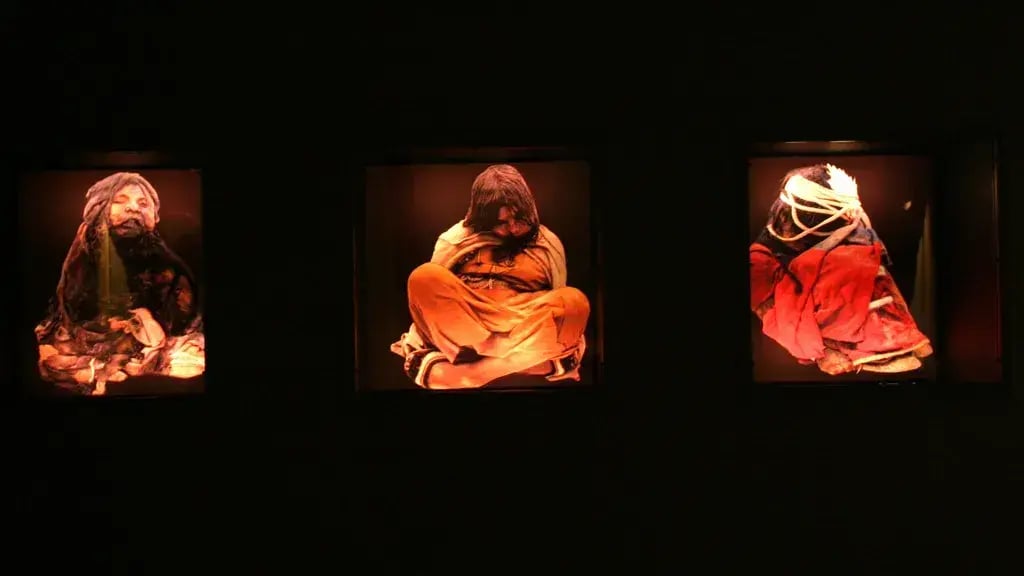
The three young victims sacrificed by the Inca more than 500 years ago
(Photo: Getty Images)
To narrow that range and connect the ritual deaths to known political and climatic events, an international team of researchers dated the botanical remains found at the site where the victims died.
“Our goal was to determine the precise date of the event within the broader timeline of the development and expansion of the Inca Empire,” Dr. Dominika Sieczkowska-Jacyna, an archaeologist at the Silesian University of Technology in Poland, told Live Science. “Answering this question allows us to better understand the political strategies of the Inca and the role capacocha rituals played in imperial governance.”
The plant remains analyzed in the study, published in the journal Archaeometry, included corn, or Zea mays, cassava, or Manihot esculenta, and coca leaves, or Erythroxylum coca.
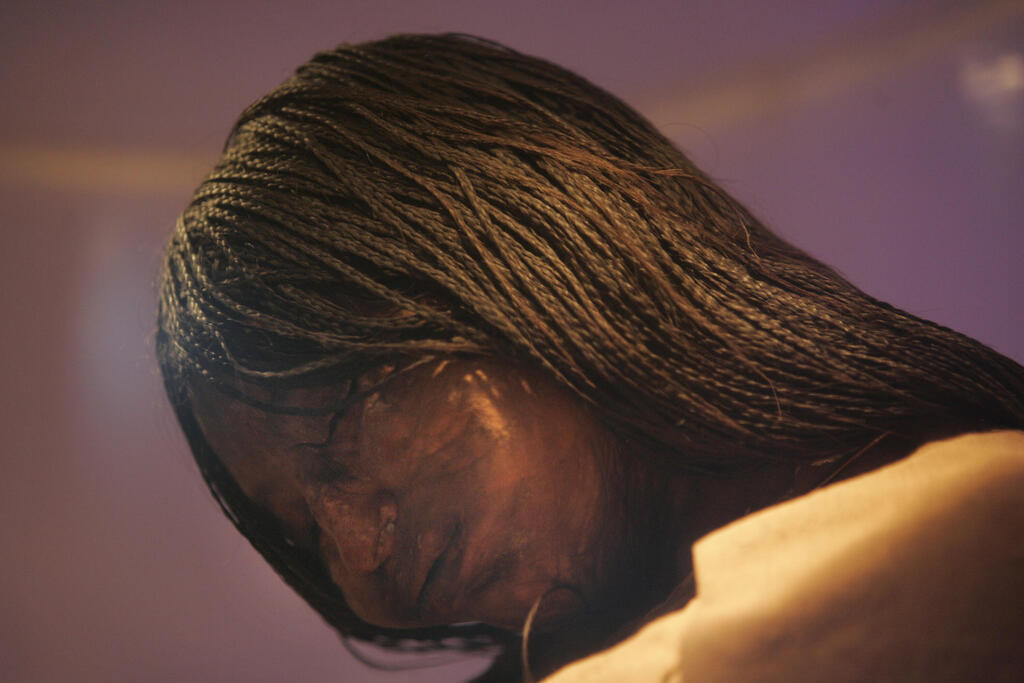
Close-up of the face of the Llullaillaco Maiden
(Photo: Natacha Pisarenko/AP)
The archaeologists found that the botanical remains narrowed the possible date of the children’s deaths to between 1462 and 1507, with the most likely date around 1499, during the reign of Huayna Capac, one of the last Inca emperors.
“Our results suggest that political motives likely stood behind this specific capacocha ritual, and the dating we carried out helped us narrow the chronological framework of the sacrifice,” said Sieczkowska-Jacyna, who was part of the research team.
The Inca Empire reached its peak under Huayna Capac, who ruled from 1493 to around 1525, when he died during the smallpox epidemic brought by the Spanish. From the imperial capital of Cusco in southern Peru, his father, Tupac Inca, expanded Inca territory south into Chile, while Huayna Capac expanded the empire north into what is now Ecuador and Colombia.
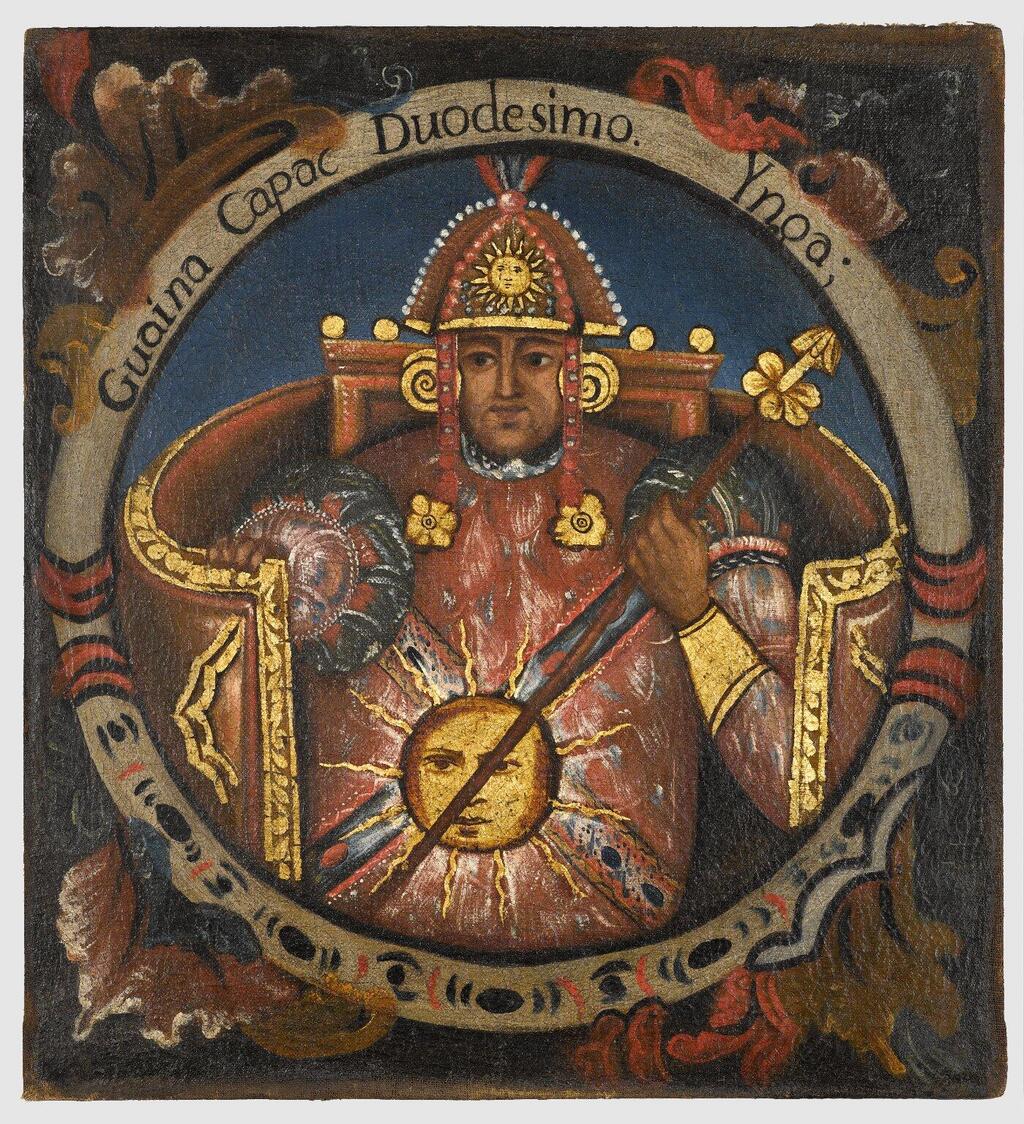
Huayna Capac
(Photo: Brooklyn Museum/Wikipedia)
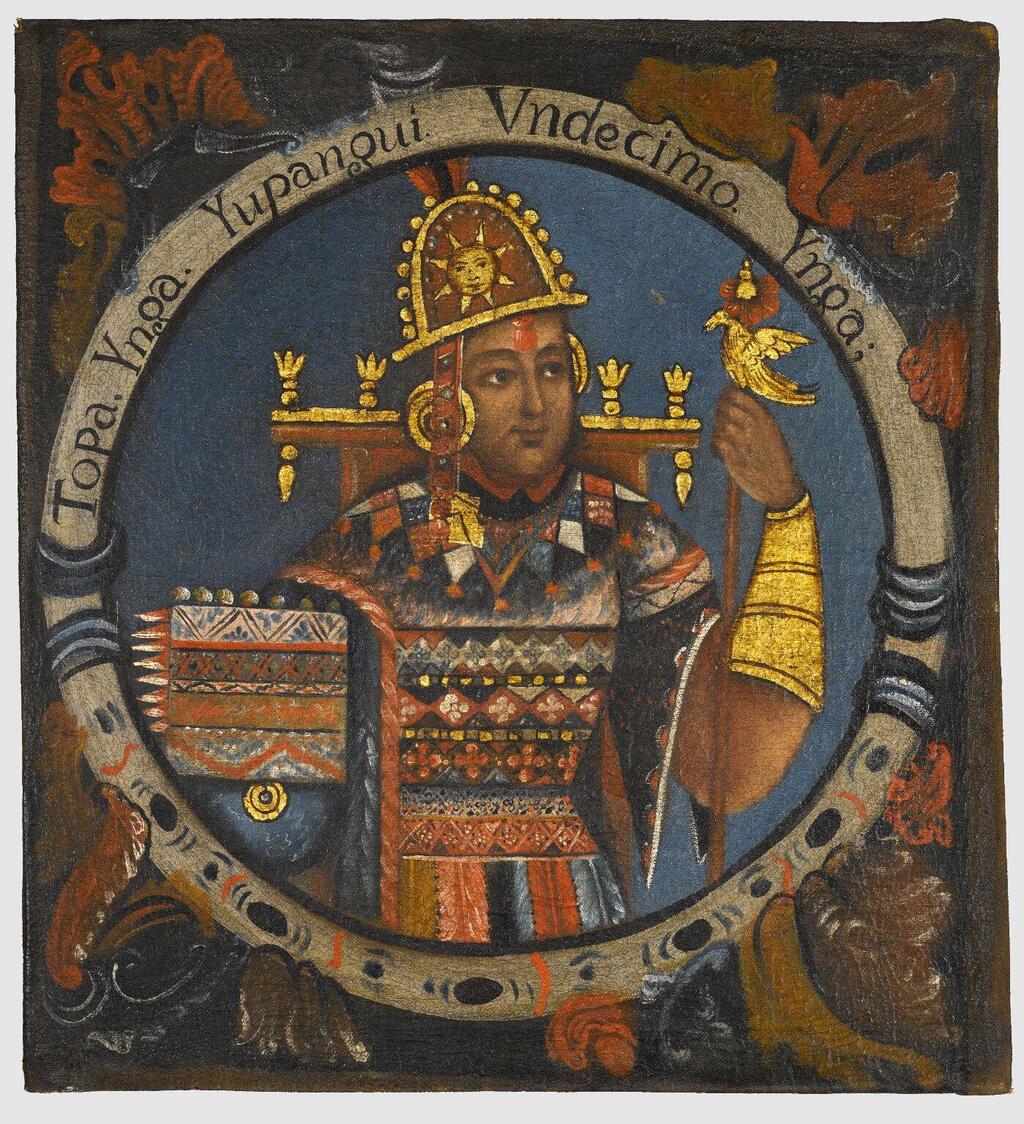
Tupac Inca
(Photo: Brooklyn Museum/Wikipedia)
By 1499, the empire also controlled the area around the volcano, located on the Argentina-Chile border and rising to 6,739 meters.
Researchers therefore believe the ritual in which the three young victims were sacrificed may have been intended to ritually anchor the Inca presence in the region or mark a significant political event. In other words, the sacrifice may have been part of the ruler’s effort to preserve cultural cohesion across the empire.
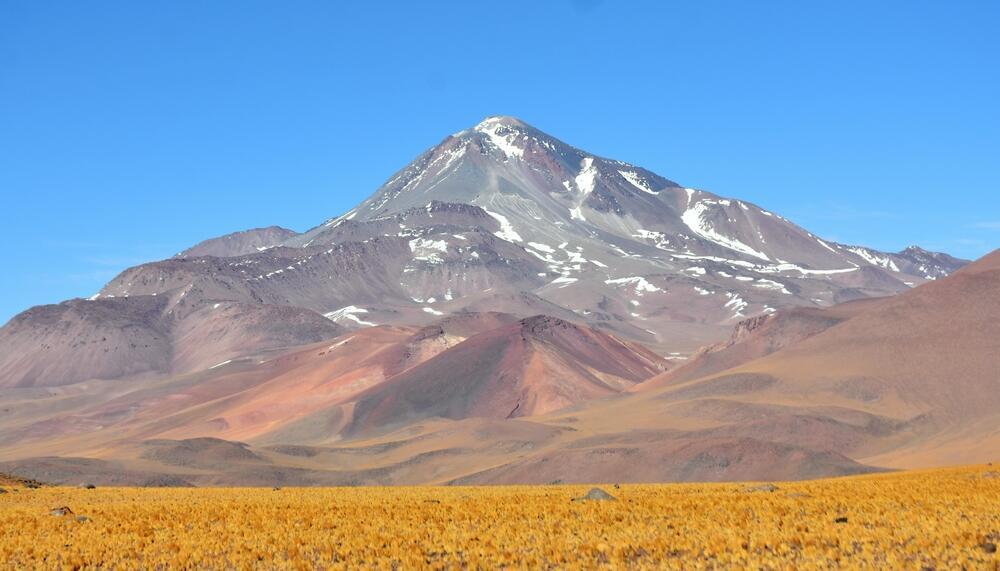
Llullaillaco volcano in Argentina
(Photo: Leonidas Gustavo/Shutterstock)
“Although we still cannot attribute the event with 100% confidence to a specific emperor, our hypothesis is that this capacocha ritual was connected to an imperial campaign in the southern regions of the empire and may have been linked to the establishment of alliances with local groups in the Titicaca basin,” Sieczkowska-Jacyna said.
Similar analyses should be carried out on other child sacrifice victims, she added, to learn more about broader patterns of ritual sacrifice and political power across the Inca Empire.