

The war with Iran is generating a growing environmental toll, with greenhouse gas emissions rising sharply in the early stages of the fighting, according to new research.
In the first two weeks of Operation Rising Lion, from February 28 to March 14, nearly 5.6 million tons of carbon dioxide and other greenhouse gases were released by the warring sides, three researchers found.
Smoke rises from a refinery in Bahrain after an Iranian strike
(Video: Reuters)


The emissions stemmed from multiple sources, including the use of fighter jets and naval vessels, airstrikes on infrastructure such as oil storage facilities and buildings, and the replenishment of military arsenals.
If emissions continued at the same pace for a full year, they would equal the combined annual carbon output of the 84 lowest-emitting countries in the world. The total for the first two weeks alone exceeds Iceland’s annual emissions, which stood at 4.7 million tons in 2024.
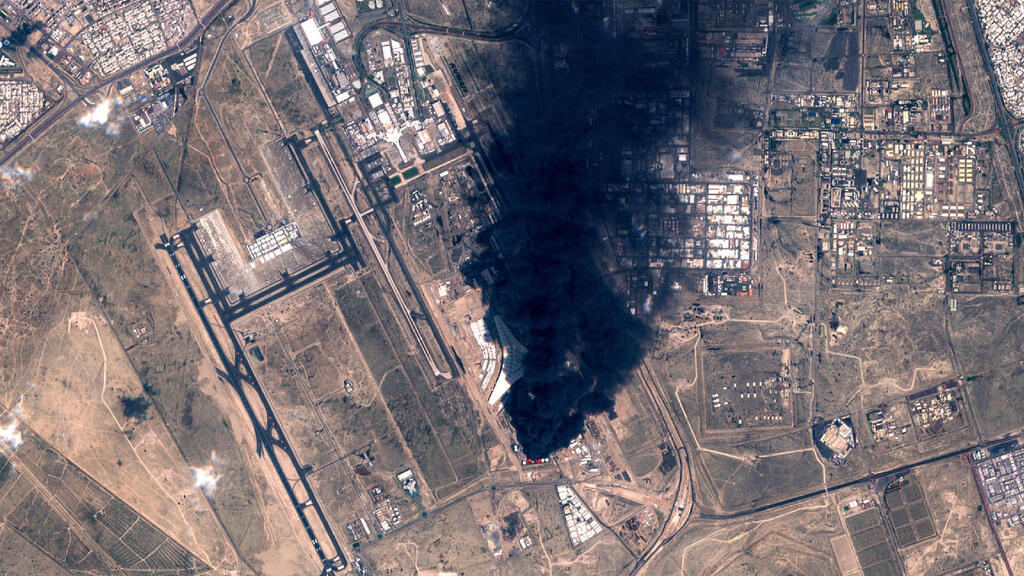
The largest share of emissions came from the destruction of buildings, including homes, schools and other infrastructure, due to the need to clear debris and rebuild after the war. Researchers estimate these indirect emissions at about 2.7 million tons of carbon dioxide, roughly equivalent to the annual emissions of the Maldives.
Airstrikes on oil storage sites, refineries and tankers across the Persian Gulf also contributed significantly. Between 2.5 million and 5.9 million barrels of oil were destroyed in the first two weeks of fighting, releasing about 2.1 million tons of greenhouse gases, comparable to the annual emissions of Malta.
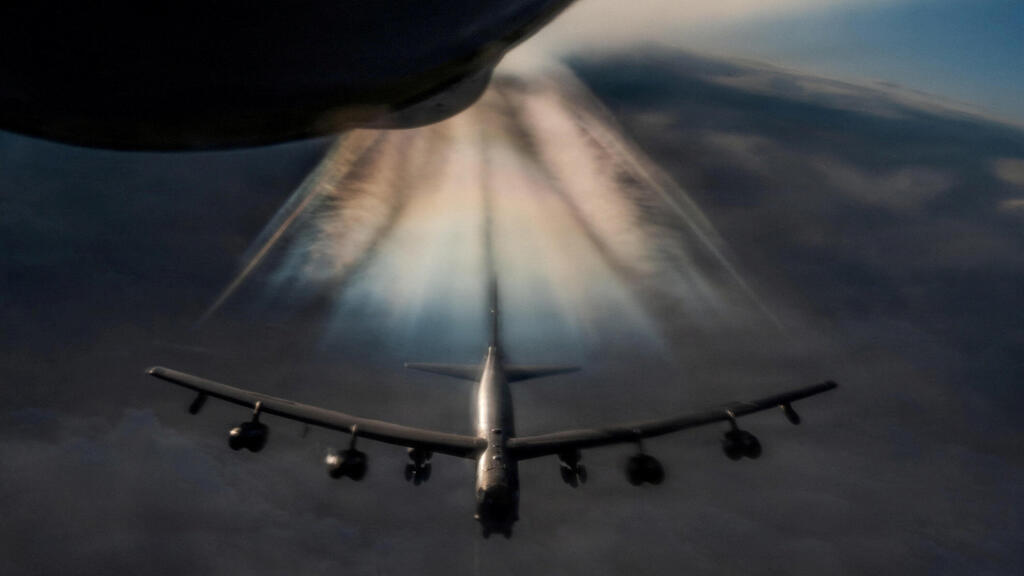
A Boeing KC-135 Stratotanker refuels a B-52 Stratofortress bomber
(Photo: US Air Force/Handout/Reuters)
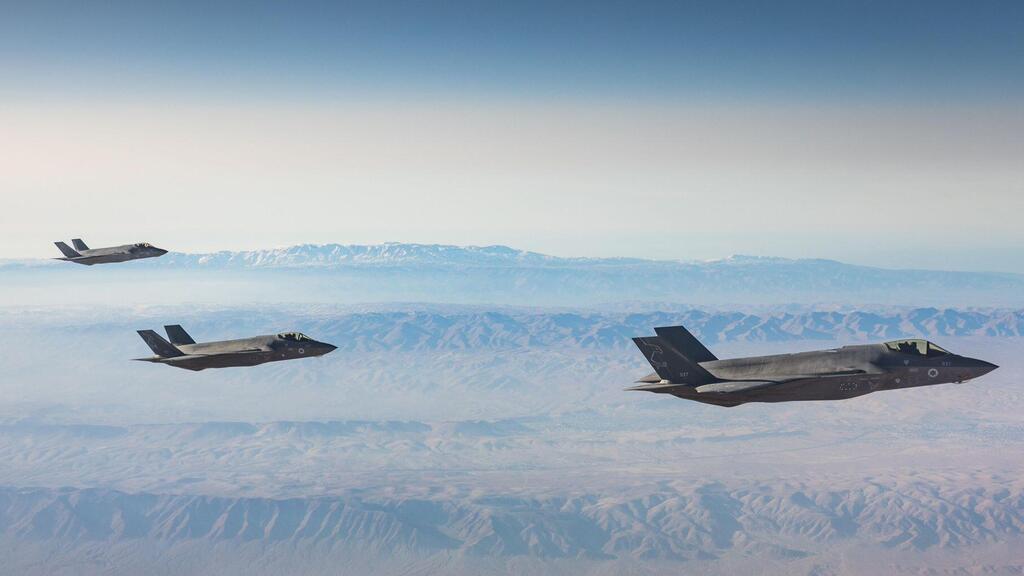
Israeli F-35s
(Photo: IDF )
Fuel use was the third-largest source of emissions, totaling about 583,000 tons of greenhouse gases, similar to Greenland’s annual emissions. During the period analyzed, the United States and Israel struck more than 6,000 targets in Iran using fighter jets and bombers, requiring between 150 million and 270 million liters of fuel.
The production of replacement weapons systems ranked as the fourth-largest source, accounting for about 190,000 tons of emissions, roughly equal to the annual emissions of Tonga.
Researchers estimate that the United States and Israel fired about 9,000 missiles in the first 14 days of the war, while Iran launched around 1,000 missiles and approximately 2,000 drones. Replenishing these arsenals, including interceptor missiles, is expected to generate an additional 61,000 tons of emissions, equivalent to those of a small cement plant.
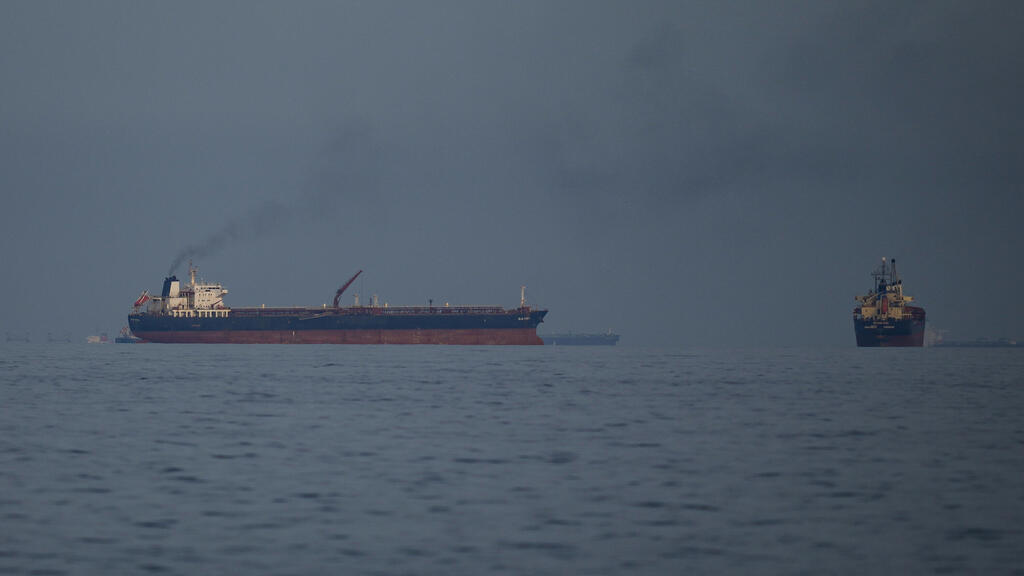
An oil tanker and a cargo ship in the Strait of Hormuz
(Photo: Altaf Qadri/AP)
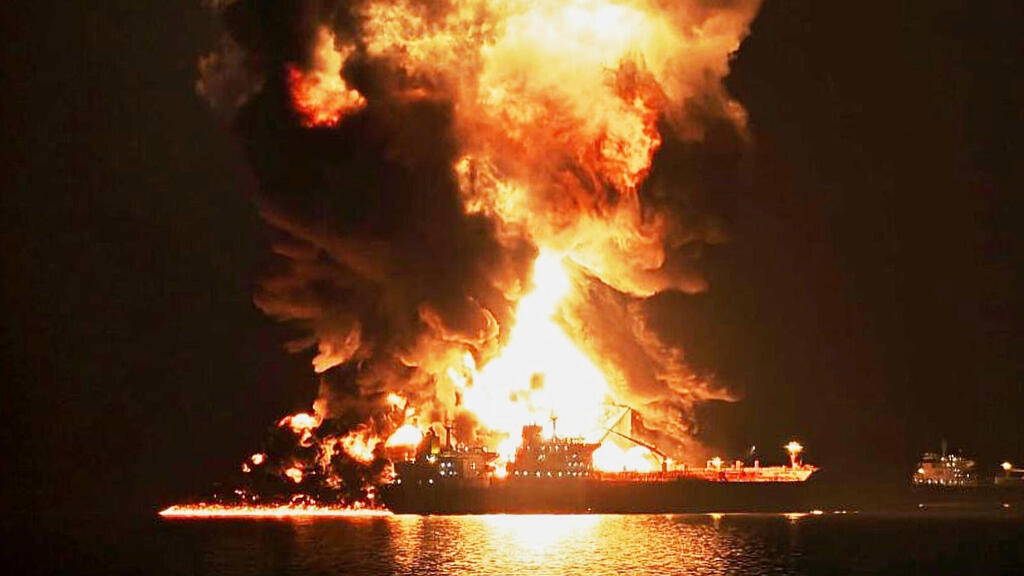
An oil tanker burns after being hit in an Iranian attack in the Persian Gulf
(Photo: AP)
The war is now in its fourth week, meaning total emissions, both direct and indirect, are already significantly higher than those captured in the initial analysis. Researchers warn that continued attacks on oil infrastructure could further accelerate emissions.
They also note that if additional countries join the conflict, emissions would rise substantially. Tensions around the Strait of Hormuz could also drive increased fossil fuel extraction and infrastructure development, as countries seek to secure future energy supplies.