


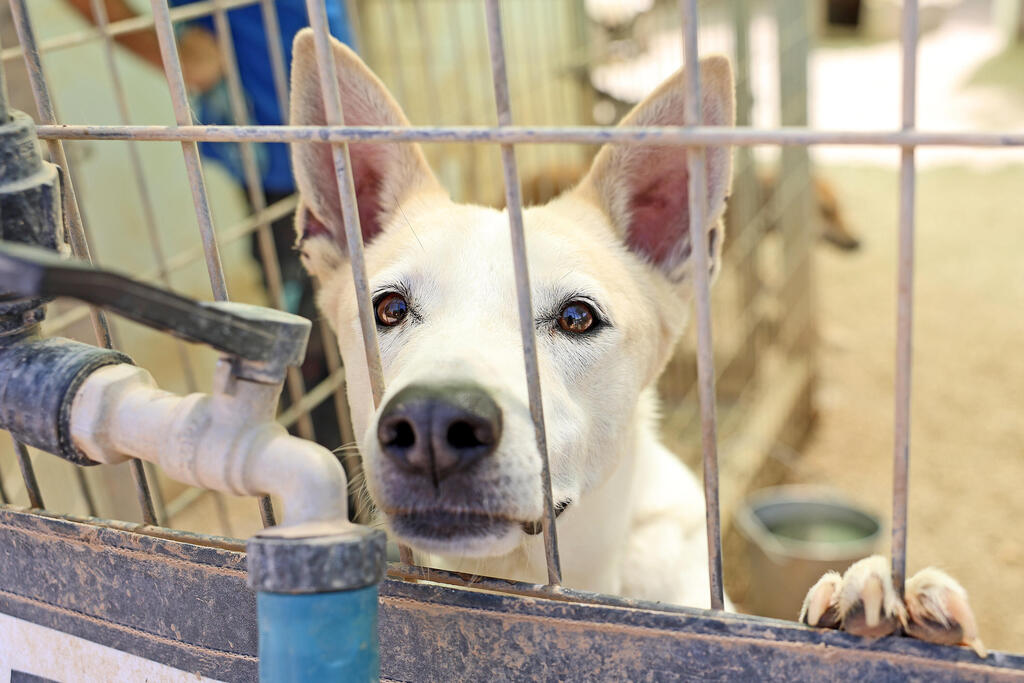
Oz is one of far too many dogs in Israel desperately waiting for a home. His fur is white, his ears are black, and his brown eyes gaze almost pleadingly at everyone who visits the “Be’er Sheva Loves Animals” organization.
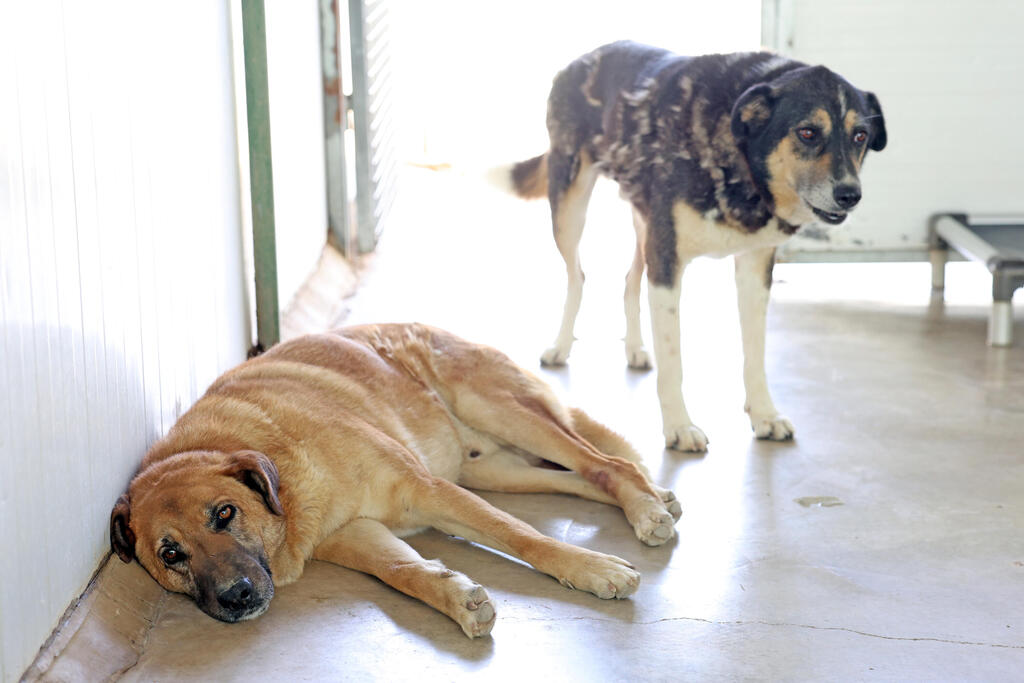
"Oz came to us from areas affected by the fighting in the south," said Shani Schwartz, the CEO of the nonprofit. "We don’t know exactly what he went through, but when he arrived, he was very fearful. Today, he trusts people much more, and we’ve worked with him to adjust to other dogs. Surprisingly, he really loves cats. He’s a sweet, calm dog who loves going on walks. He’s just a big dog, and it’s hard to find homes for big dogs."
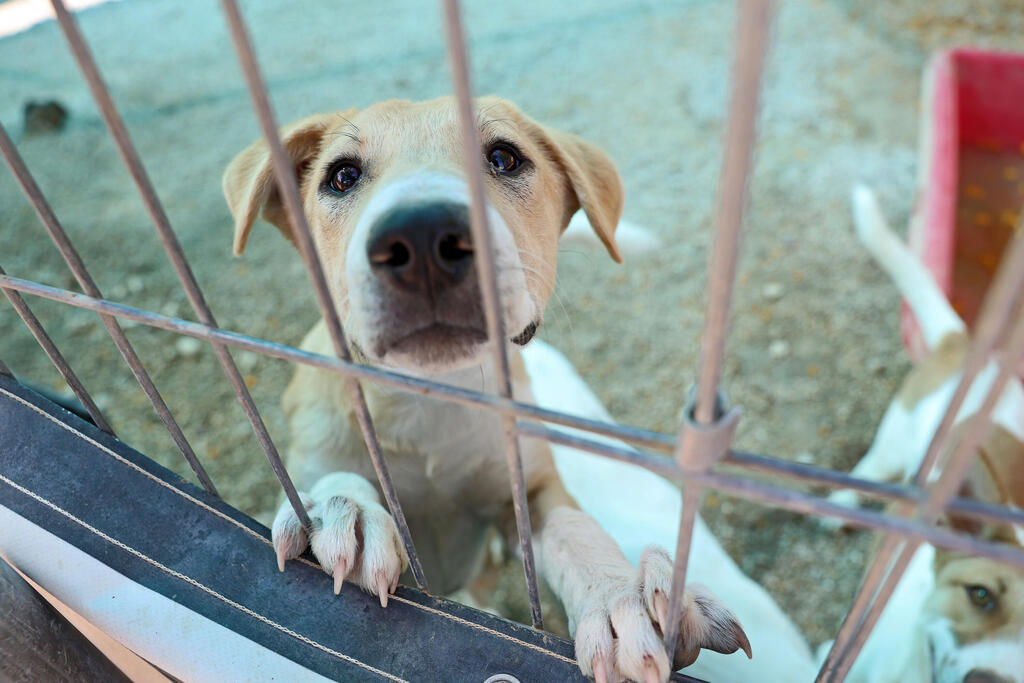
Oz isn’t alone. The year 2025 is shaping up to be one of the hardest years for animal welfare organizations. People simply aren’t adopting dogs. Some organizations are receiving more and more dogs, but it’s much harder to find them homes—if at all. The data is grim and disheartening. For example, in 2017, the organization "Let the Animals Live" managed to find homes for 1,349 dogs, but by 2024, that number had dropped to about 370.
"There has been a drastic decline in the number of adoptions and an increase in the number of dogs being returned after adoption or abandoned," said Yael Arkin, CEO of 'Let the Animals Live'. "There are several reasons for this. One is the cost of living. People can’t afford the expenses, and it’s not just about vaccines and food. When medical issues arise, people don’t have the money, so they seek help or abandon the dogs. If surgeries are needed, the costs are high, and it’s very difficult for people."
(Photo: Dana Koppel)
For this reason, there has actually been an increase in cat adoptions since January. "In some months, we’ve noticed more cats being adopted than dogs, which hasn’t happened before," Arkin explained. "It’s easier for people to take care of a cat. You don’t need to take them out three times a day. Furthermore, our microchip database shows that 75% of the dogs registered in recent years are pedigree dogs—ones people buy, not adopt. It’s very sad. People spend thousands on dogs instead of adopting. For some, it’s a status symbol. This increases the number of dogs euthanized every year. Additionally, during the war, there was a rise in the number of abandoned dogs, as well as dogs crossing into Israel through open borders."
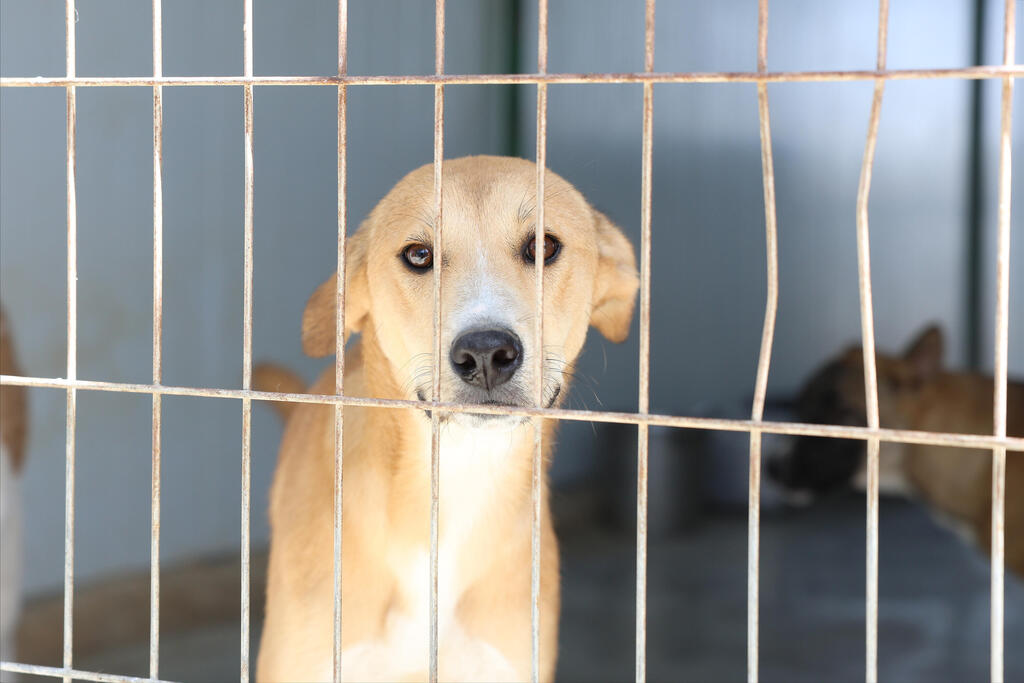
The "S.O.S Animals" organization has also noted a significant drop in adoptions. The year 2020, during the COVID-19 pandemic, was a record year for adoptions, with a nearly 30% increase compared to the previous year. However, they haven’t been able to return to those numbers. A year later, adoptions already began to decline.
When the war broke out, the organization experienced a surge in adoptions in the last quarter of 2023, but by 2024, there was a 13.3% drop compared to 2023. "In 2025, we feel the decline in adoption numbers continues with full force," said Ricky Batzri, founder and chair of the organization.
(Photo: Dana Koppel)
Requests to "S.O.S Animals" come from everywhere—municipal shelters across the country, activists, IDF bases, and other organizations. Many of the cases involve mothers with puppies, orphaned puppies, severely injured and sick dogs, and more. "All the donations to the organization are directed toward life-saving veterinary care, and every year, our costs keep rising," Batzri explained.
Smaller organizations are also feeling the strain. Shani Schwartz from "Be’er Sheva Loves Animals" shared, "We’re seeing an increase in the number of abandonments, including small dogs—something we didn’t see in the past. There’s also a rise in cases of abuse, not just in Be’er Sheva but across the country. It’s hard to find homes even for pedigree dogs; people prefer to buy them."
The numbers speak for themselves. In 2019, 232 dogs from the Be’er Sheva organization were adopted. In 2020, during the pandemic, 192 dogs found homes. However, the numbers continued to drop. In 2023, only 158 dogs were adopted, and in 2024, the number fell to just 141.
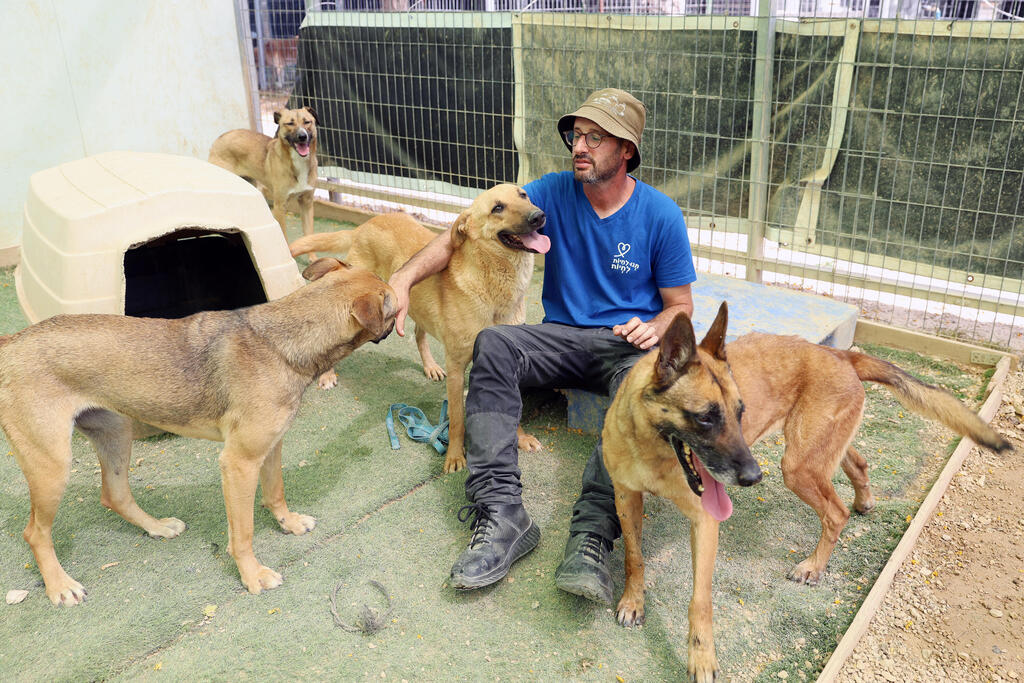
Adding to the challenges is a decline in donations. "People are donating money to soldier rehabilitation and hostage recovery, which is very important and understandable, but we’re seeing a significant drop in donations," said the organization.
(Photo: Dana Koppel)
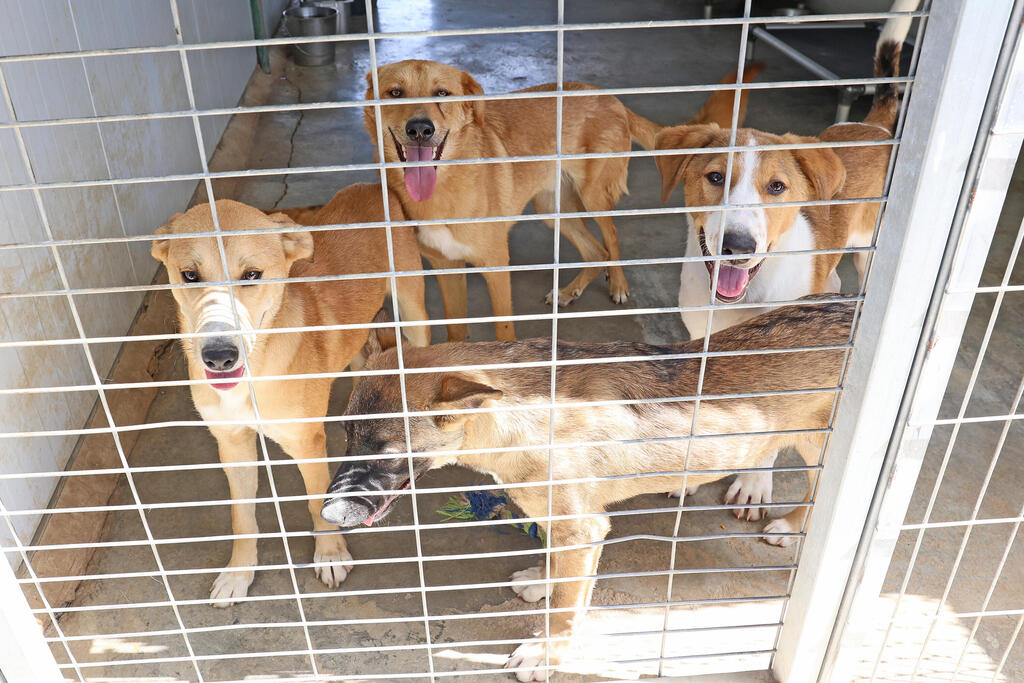
"We’re in one of the toughest periods we’ve experienced in recent years," said Batzri. "The number of senior dogs and cats being abandoned is unprecedented. We have dogs between the ages of 9 and 14 who have been left at municipal shelters. People just leave them there. Additionally, the issue of stray dogs remains unaddressed. Female dogs are giving birth on military bases, in Palestinian Authority territories, in Bedouin settlements—everywhere in the country. This has been a growing problem over the past five years, making things much harder for us. Just this week, we took in six mothers with puppies—a total of 35 dogs."
Tomorrow, May 30, the organization will hold an adoption day for "invisible" dogs—those who have been in shelters for more than three years. "The longer a dog stays with us, the less we’re able to rescue others. These dogs are usually more challenging in terms of behavior. Some of the female dogs we rescue aren’t used to human contact. Personally, I’ve been experiencing unbearable emotional difficulties this past year. There’s a sense of helplessness because we can’t respond to every case. We save so many dogs, but the number of abandonments—young and old—is unimaginable. It’s heartbreaking. Just recently, a family had to give up their son’s dog after he was injured in the fighting. The dog cried for hours. It broke our hearts. It’s likely a reflection of the situation in the country."
Batzri also mentioned that their veterinary debt has grown to around $85,500 with the veterinary hospital in Beit Dagan. "We’ve never been in this situation before," she admitted. "If the state isn’t taking care of its citizens, what can we say about the dogs and cats? So the dogs roam in packs, and they shoot them. Some get injured, some die in great pain. We found a dog who had been shot while nursing her 12 puppies in agony. We treated her, she underwent surgery, and I bottle-fed the puppies for 24 hours. She’s an extraordinary dog, and we managed to find her a home. There are perfect, well-trained dogs who love children and would easily find homes in normal times."
(Photo: Dana Koppel)
"I think people are buying more pedigree dogs," said Smadar Asa, manager of "The Animals and Us" organization near Afula. "I advertise on websites, Facebook, Instagram, and TikTok, but still, there are no adoptions. If I post a Shih Tzu, someone adopts it quickly. People don’t want big dogs, only small ones. There’s a lack of compassion, and people today just don’t care about others, especially animals. I thought the war would open people’s hearts, but the opposite happened."
Get the Ynetnews app on your smartphone: Google Play: https://bit.ly/4eJ37pE | Apple App Store: https://bit.ly/3ZL7iNv
Meanwhile, Israel’s population is growing, and so is the dog population. In 2023, there were about 65,900 new dogs registered in the national microchip database. Unfortunately, many of these dogs are purchased. The desire for a pedigree dog seen on TikTok or Instagram is strong. Some Israelis prefer to buy a Pomeranian instead of rescuing a stray dog, simply because they want to post a photo of it on their story.
Municipal shelters are doing their best to encourage adoptions. In Ashdod, for instance, veterinarians are very active on social media. Danit Cohen, a municipal veterinarian in Ashdod, said their efforts on Facebook and Instagram have increased adoption inquiries.
"In Ashdod, we currently average about 20 adoptions per month. During the war, there was a huge wave of adoptions, but then came a wave of stray dogs and abandonments. I think the decline is due to the adoptions during COVID-19 and the war. Families who were debating whether to adopt a dog have already done so. And a dog is a 15-year commitment. Meanwhile, if someone posts a video with a toy poodle, suddenly everyone wants one. Everything is about marketing, media, and TikTok. I think if a celebrity took a photo with a Canaan dog from a shelter, it could encourage people to adopt."
(Photo: Dana Koppel)
The Ministry of Agriculture responded, "In recent years, most dogs coming to shelters, nonprofits, and municipalities are not puppies born to responsibly owned dogs. For this reason, the Ministry emphasizes promoting responsible ownership and funding dog sterilization, including for unlicensed dogs. Each year, the Ministry allocates 4.5 million shekels to local authorities to reduce the number of stray dogs. The Ministry is also formulating a plan to rehabilitate shelters and reduce the stray dog population."