

The ancient city of Pompeii, near Naples, once thrived. In 79 CE, however, it was destroyed along with its inhabitants by the eruption of Mount Vesuvius at whose foot it stood. Today, its remains serve as a kind of time capsule. Rediscovered in the 18th century, Pompeii is now considered one of the world’s most significant archaeological sites.
Despite centuries of excavations that have uncovered both human remains and architectural structures, the city continues to reveal new secrets. Recently, previously unknown inscriptions were discovered on the walls of a long corridor connecting Pompeii’s theaters to Via Stabiana, one of the city’s main, busiest and most important streets. Although the corridor itself was uncovered more than 230 years ago, the inscriptions carved into its walls have only now come to light.
Gallery
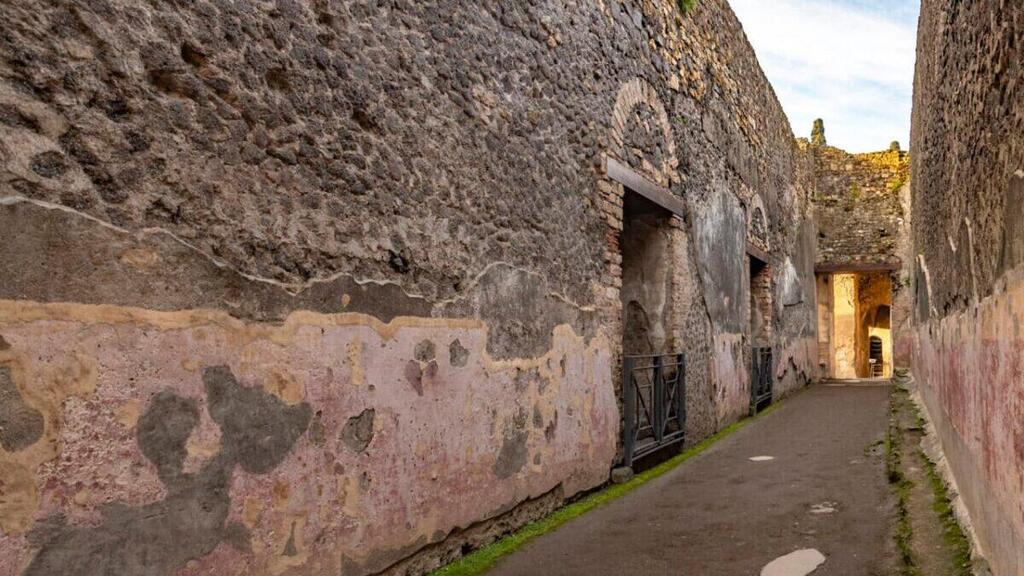
One of the corridors leading to Pompeii’s theaters, where dozens of new inscriptions were found
(Photo: Parco archeologico di Pompei)
Among the newly revealed writings are a hastily written farewell letter between lovers, and an inscription describing the devotion of Methe, a slave woman from the Oscan city of Atella in the Campania region, to her beloved Cresto, along with a plea to Venus, the Roman goddess of love. Another inscription appears to allude to two gladiators fighting one another.
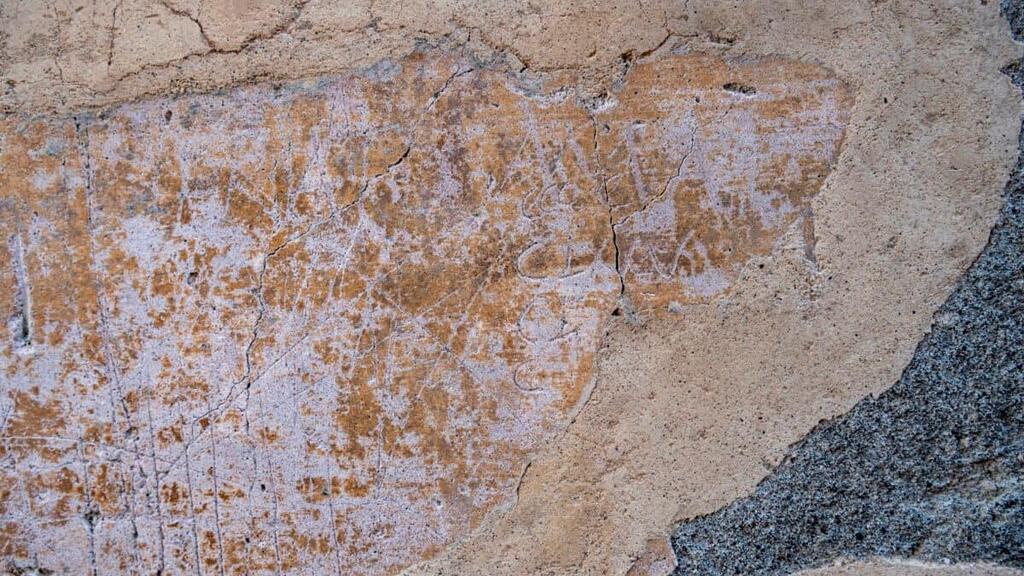
Inscriptions discovered in Pompeii, interpreted as love letters
(Photo: Parco archeologico di Pompei)
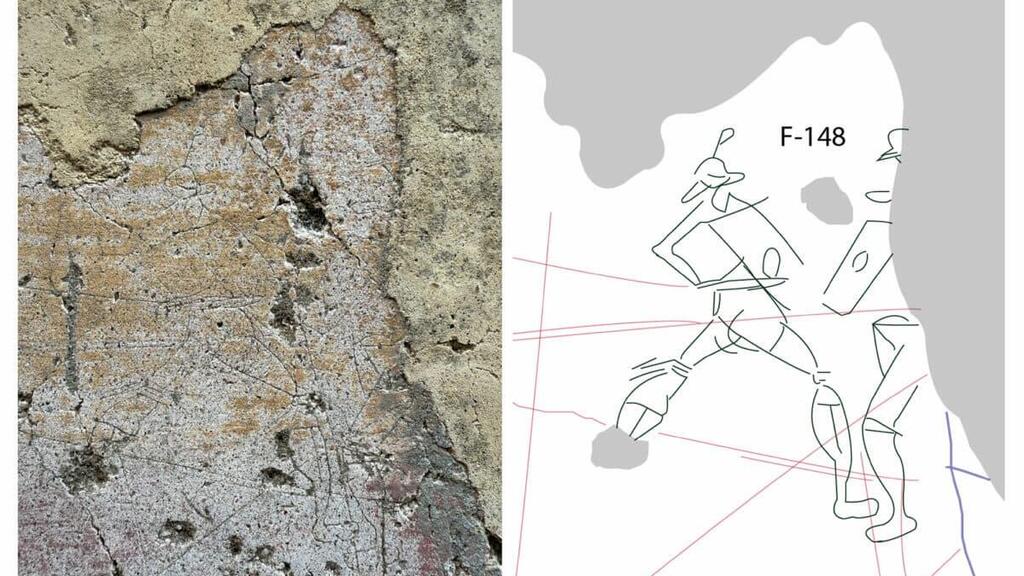
An inscription uncovered in Pompeii pointing to a gladiator fight
(Photo: Parco archeologico di Pompei)
To uncover the inscriptions, researchers used a computational photography method known as Reflectance Transformation Imaging, which captures an object under multiple lighting angles to reveal details that the human eye cannot discern unaided due to centuries of wear.
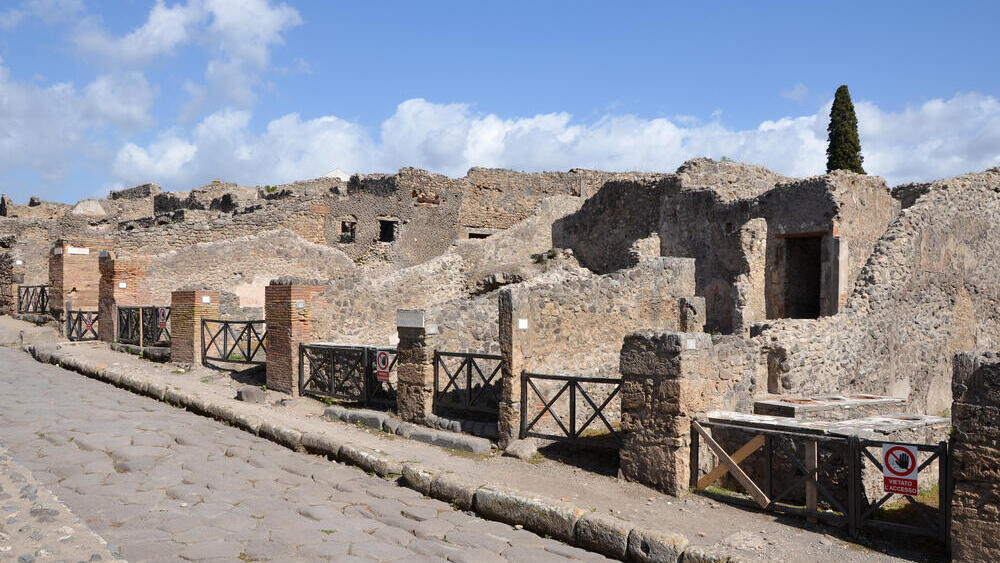
Remains of ancient houses along Via Stabiana, one of Pompeii’s busiest streets
(Photo: czech wanderer/Shutterstock)

The ancient city of Pompeii, with Mount Vesuvius in the background
(Photo: Ciro De Luca/Reuters)
Despite low expectations of finding new discoveries in an area that has been extensively studied, the archaeological team identified about 300 inscriptions, including 79 previously unknown ones. The “Corridor Whispers” project is the work of researchers Louis Autin and Eloïse Letellier-Taillefer of Sorbonne University in Paris and Marie-Adeline Le Guennec of Université du Québec in Canada, in cooperation with the Pompeii authorities.
“This technology is the key that opens new rooms of the ancient world,” said Gabriel Zuchtriegel, director of the Pompeii Archaeological Park, adding that Pompeii's more than 10,000 known inscriptions form an "immense heritage" of the ancient world.