

Israel’s sea turtle hatching season has begun, sending newly emerged loggerhead and green sea turtles on their first journey from the sand to the Mediterranean. The start of the season coincided with a milestone at the Israel Nature and Parks Authority’s National Sea Turtle Rescue Center in Mikhmoret, which welcomed its 10,000th visitor this week.
The center said the growing number of visitors reflected increasing public interest in marine conservation and endangered wildlife. Due to high demand for weekend tours, officials recommended visiting during the week when possible.
Gallery
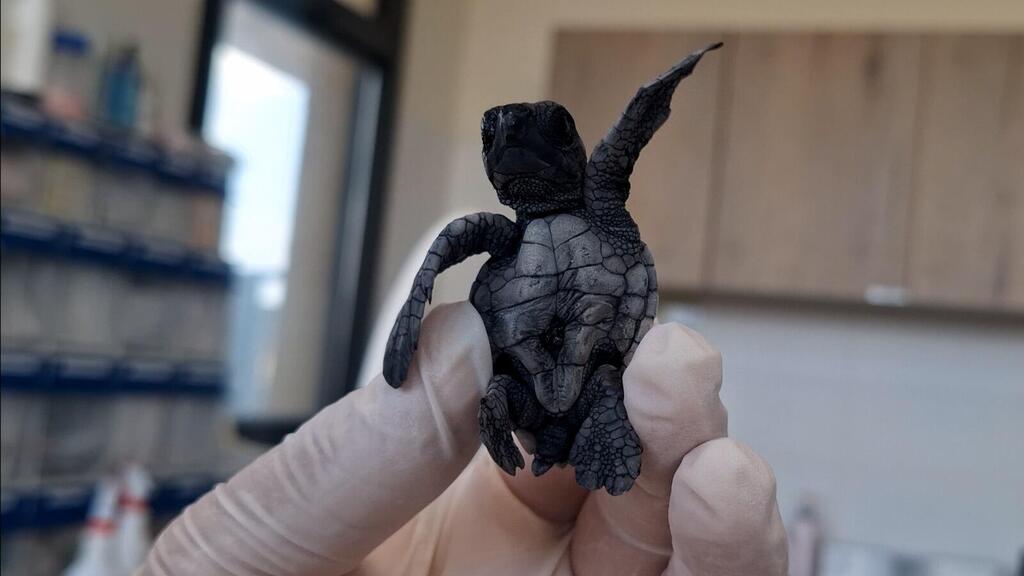
Loggerhead sea turtle hatchling at Ashkelon National Park. It washed ashore several hours after entering the sea and was taken for treatment
(Photo: Daniel Haddad)
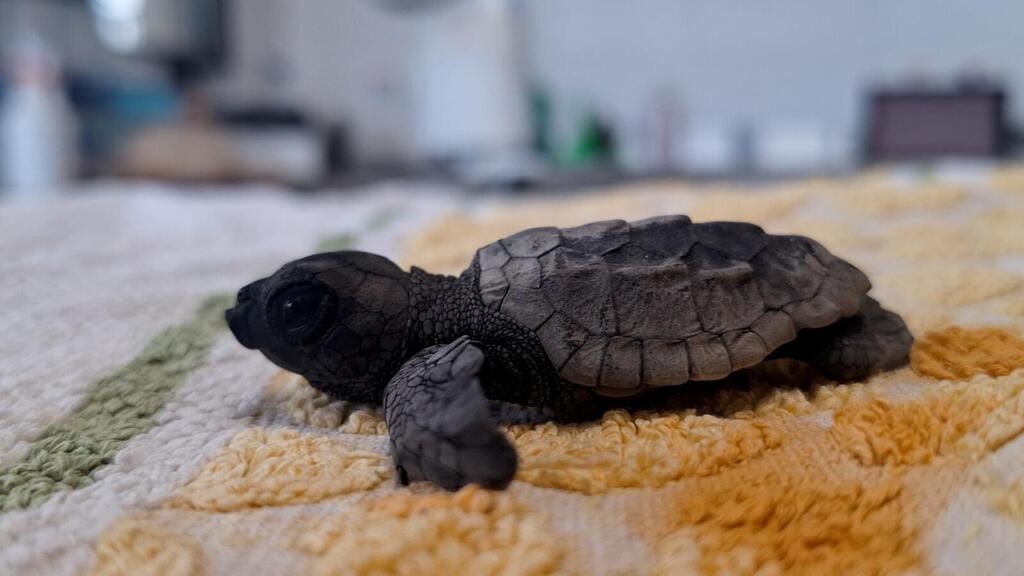
(Photo: Daniel Haddad)
Established in 1999, the center is Israel’s main facility for the rescue, rehabilitation and conservation of sea turtles. It operates a dedicated sea turtle hospital, conducts research and reintroduction programs, protects nesting sites along Israel’s beaches and runs what the authority describes as the world’s only breeding program for green sea turtles. The work is carried out by Nature and Parks Authority teams together with hundreds of volunteers.
Hatchlings begin their journey
In recent days, loggerhead and green sea turtle hatchlings have begun emerging from nests along Israel’s coastline.
Some of the hatchlings come from nests transferred to protected incubation areas run by the Nature and Parks Authority. Others emerge from nests left in nature reserves, protected beaches, national parks and additional sites along the coast.
One hatchling that recently emerged at an incubation site in Tel Ashkelon National Park was released into the sea but washed back onto the beach several hours later. Two women who found the turtle noticed an injury to one of its limbs and contacted the Nature and Parks Authority hotline.
A volunteer transported the hatchling to the rescue center in Mikhmoret. After several hours of treatment and recovery, staff returned it safely to deeper water with assistance from the Mikhmoret sailing club. “Hatching season is one of the most exciting and significant periods of the year for us,” said Dr. Yaniv Levy, director of the National Sea Turtle Rescue Center.
“Every hatchling that reaches the sea represents a chance for a better future for Israel’s sea turtle populations.”
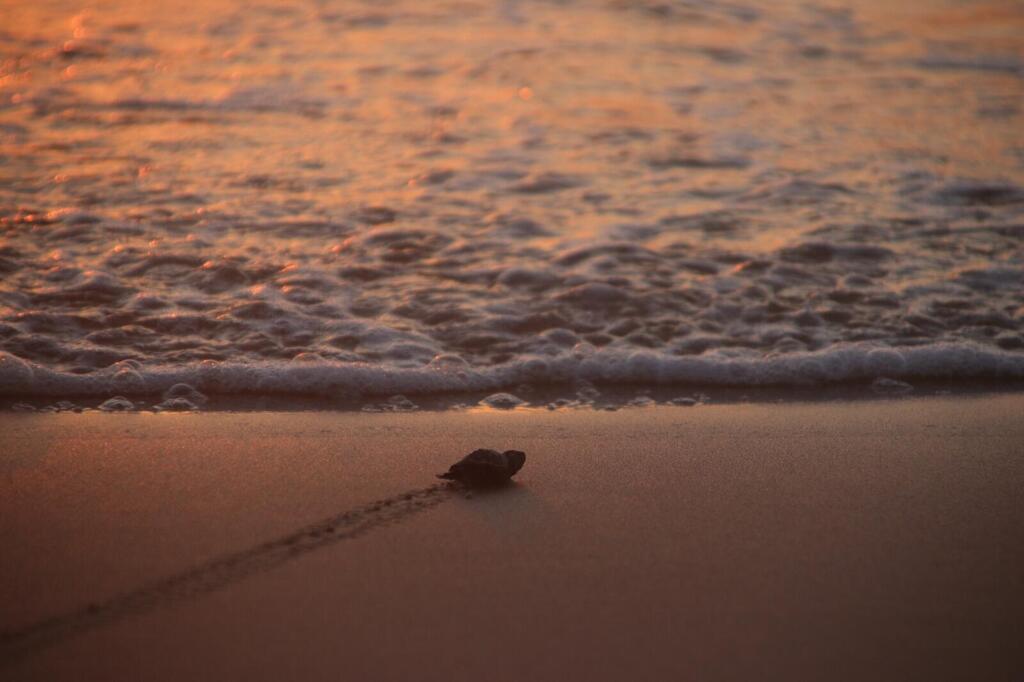
Loggerhead sea turtle hatchling at Ashkelon National Park. It washed ashore several hours after entering the sea and was taken for treatment
(Photo: Daniel Haddad)
Levy said the public played an important role in protecting the animals, whether by learning about them at the center or by reporting turtles and hatchlings in distress.
Sea turtles in Israel face a range of threats, including entanglement in fishing equipment, collisions with boats, marine debris, coastal pollution and development along the shoreline. Alongside medical treatment, research and conservation work, the center conducts guided tours designed to explain the rescue and rehabilitation process.
Visitors can see turtles at different stages of treatment, learn about the dangers they face and hear how everyday behavior can help protect the marine environment.
Officials stressed that anyone who encounters hatchlings emerging from the sand or crawling across a beach should not touch them or place them directly into the water. Instead, the sighting should immediately be reported to the Nature and Parks Authority hotline at *3639.
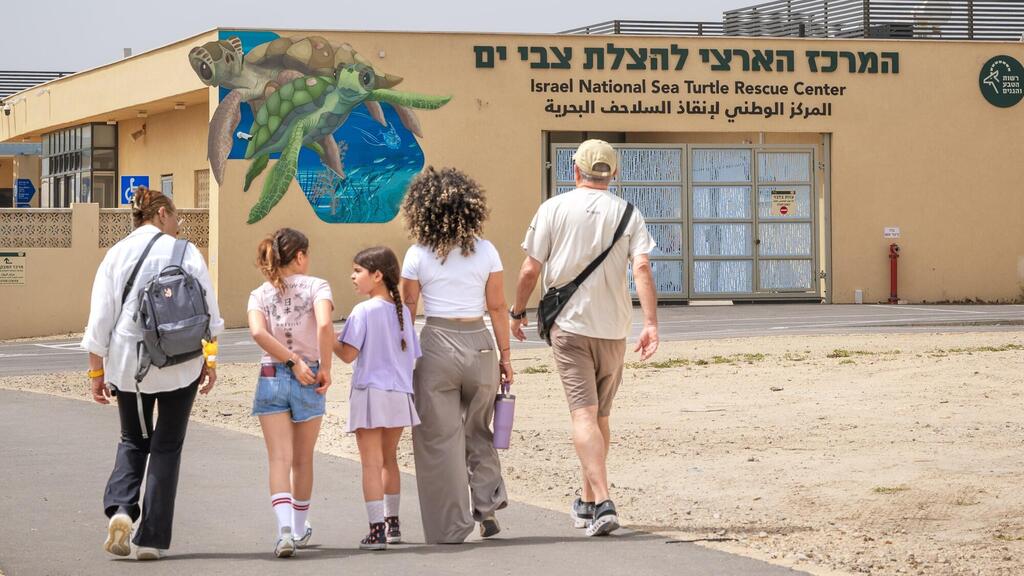
The National Sea Turtle Rescue Center
(Photo: Yoav Palma, Israel Nature and Parks Authority)
What to do if you find sea turtle hatchlings
- Report the sighting immediately to the Nature and Parks Authority hotline at *3639 and provide the exact location.
- If the hatchlings are moving toward the sea, do not touch them. Allow them to complete the journey on their own. Their crawl across the beach is an important part of their life cycle.
- Do not use flash photography or shine lights toward them. Artificial light can disorient hatchlings, temporarily impair their vision and lead them away from the water.
- Remove only nearby obstacles. Clear away trash, fill in holes and keep dogs, cats and other potential predators away.
- Keep onlookers at a distance and warn people nearby to watch where they step. Remain behind the hatchlings as they enter the sea rather than standing in the water in front of them.
- If a hatchling is moving in the wrong direction, gently place it in a container and move it to a dark area about 20 meters from the waterline, allowing it to resume the journey independently.
- When possible, count the hatchlings and report the number to the hotline.