

Africa is at the front line of a crisis it did not create. The continent is responsible for less than 4% of global greenhouse gas emissions, yet it is expected to be among the regions hardest hit by climate change. Agricultural productivity has already been harmed across a continent that relies heavily on smallholder and rain-fed agriculture.
Africa’s rapidly growing population will further increase demand for food, water, energy and infrastructure.
Gallery
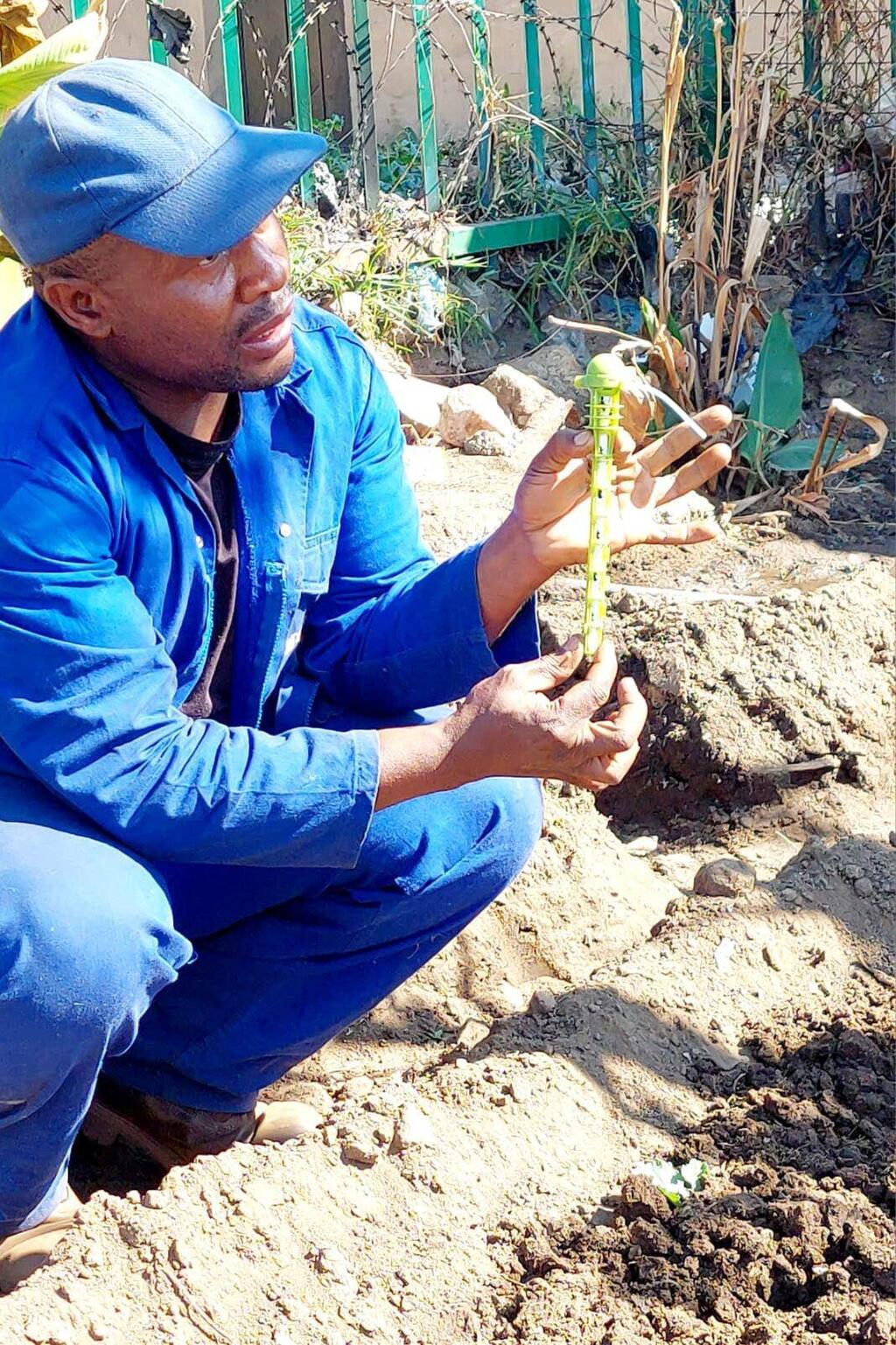
Africa faces the climate crisis head-on as demand grows for resilient technologies
(Photo: Solidrip)
Yonatan Bukhdruker, Head of Market Adaptation & Growth at Nura Global Innovation Lab, which has been connecting Israeli innovation with needs and opportunities in developing countries for more than 20 years, says the starting point must be the realities on the ground.
“When discussing solutions to Africa’s climate challenges, we have to start with the reality on the ground. Infrastructure, available resources and market conditions can be very different, so the question is how we adapt in a way that makes the solution, and our presence in the market, sustainable.”
Investment is already moving toward climate
In 2025, climate-related ventures attracted $1.5 billion, representing 40% of total venture capital deal value in Africa, up from 24% a year earlier.
Nura is engaging with this trend through its Pears Challenge program, the only venture builder in Israel focused on developing countries. Through the Challenge, entrepreneurs validate and develop ClimateTech solutions for East African markets in agriculture, water, supply chains and carbon-emission reduction, with the broader goal of strengthening resilience.
When there is no power grid, the solution looks different
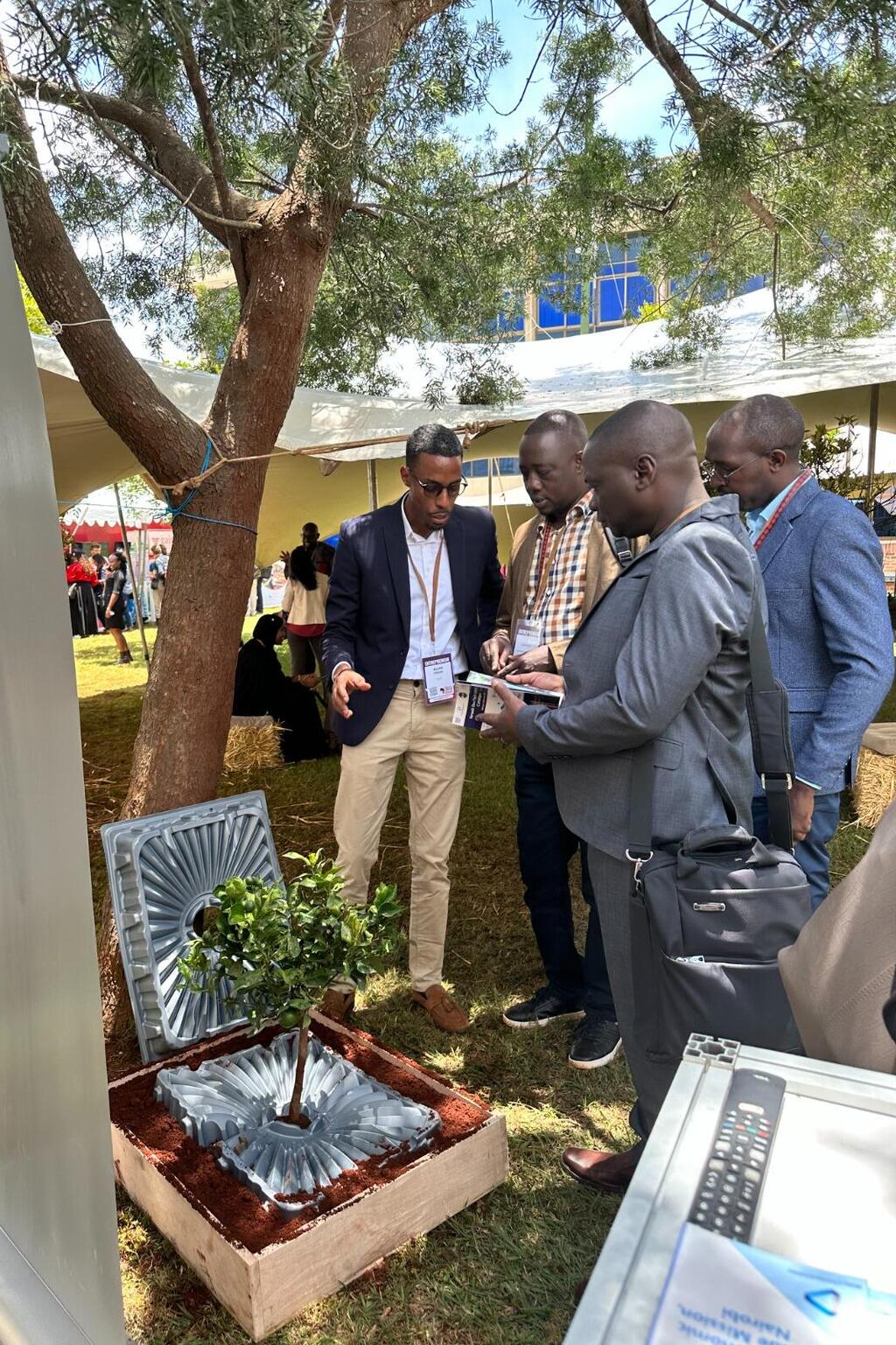
In many African countries, limited infrastructure creates opportunities for a direct shift toward distributed solutions, including off-grid solar energy, local water systems, offline cloud services and other technologies that can operate where traditional infrastructure has not yet reached.
(Photo: Solidrip)
“Where existing centralized infrastructure cannot be relied upon, and supply chains are full of gaps, we need to think beyond our own product,” Bukhdruker says. “Self-reliance is one thing, whether through distributed solar energy or localized water systems. But you also need to understand how maintenance will work, who will deliver the necessary products and what happens when something breaks. Everything has to have an off-grid state of mind that looks at the wider ecosystem.”
Technology alone is not enough
Israel has a significant advantage in these areas. A culture of improvisation and problem-solving can help Israeli technologies adapt quickly to local realities and field challenges.
But the greater challenge is fitting technology into local supply chains and building viable business models in markets that operate very differently from the Western markets most Israeli companies know.
(Photo: Solidrip)
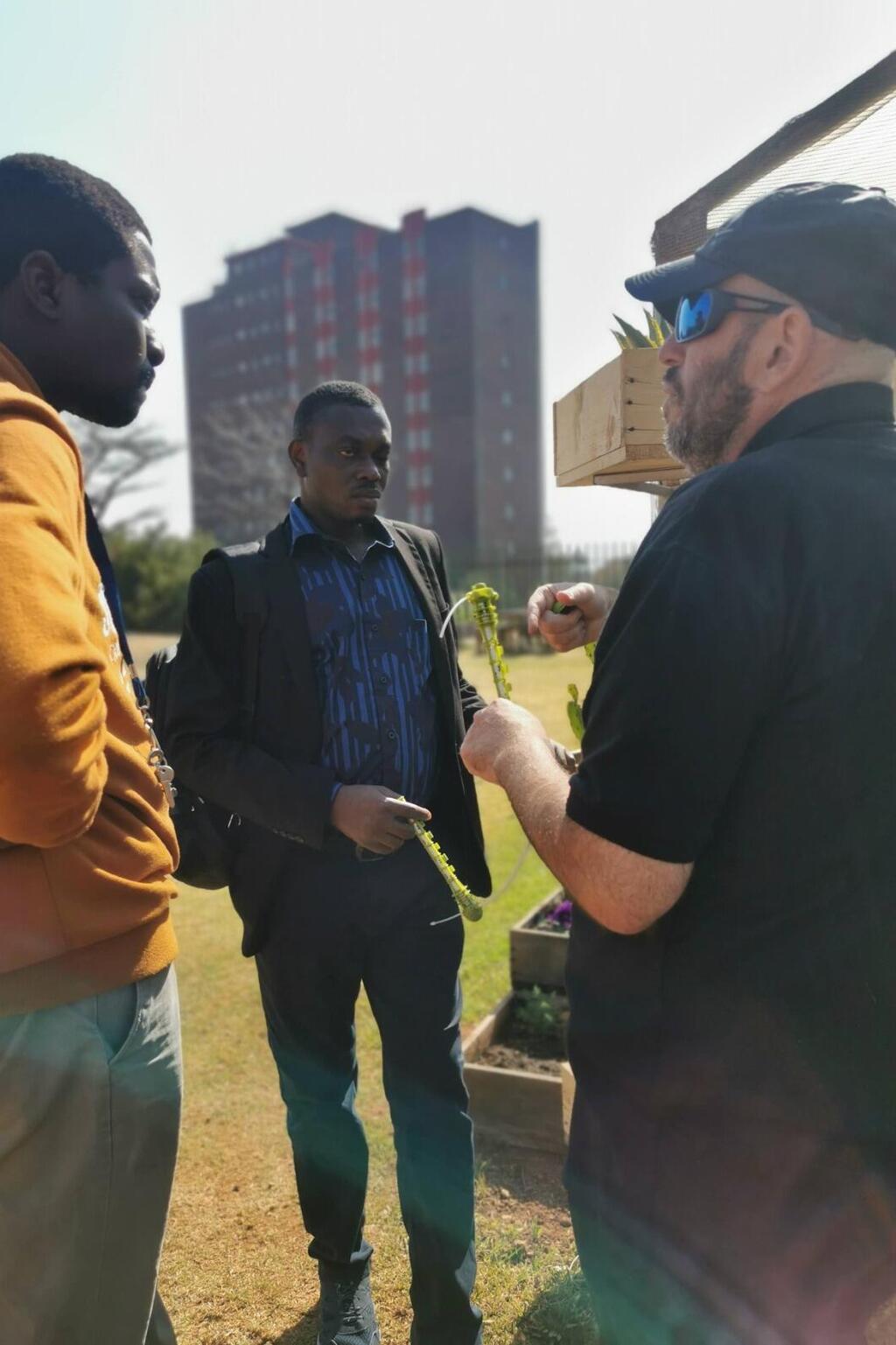
“The mistake is thinking everything comes down to product cost,” Bukhdruker says. “There are many ways to make a business model accessible in a price-sensitive market that operates by different rules. Partnerships with civil society and international organizations can help bridge gaps created by missing infrastructure and build trust, which is critical in these markets, often far more than performance tables and numbers.
“A deep understanding of consumer culture and power relations along the supply chain can also reveal unique value propositions and identify stakeholders willing and able to pay, helping companies move beyond the classic B2C model typical of affluent Western markets. Even in the most complex realities, the key is identifying who has an interest in solving the problem and who is already operating on the ground.”
This requires companies to look beyond the business models they know from Western markets. Alternatives include pay-per-use models enabled by mobile payments, which are thriving in African markets; sharing-economy models that eliminate the need for individual ownership; and bundled offers that combine new solutions with services and products consumers already use.
This idea is at the heart of the “Base of the Pyramid” approach, pioneered by C.K. Prahalad and Stuart Hart, which challenged companies to view low-income populations as a market with significant purchasing power. The challenge is understanding how to reach and serve that market, either directly or through intermediaries.
Africa’s climate challenge will continue to grow as its population expands, cities grow and infrastructure struggles to keep pace. But the response is growing as well.
Rising investment and the solutions already emerging across the continent point to a broader shift: climate resilience is becoming an increasingly important arena for innovation and development, creating opportunities for technologies and business models designed for increasingly challenging climate conditions.