

We usually think of waste as nothing more than garbage, but it can also become an economic asset, not only because of the materials that can be recycled, but also because of the work involved in collecting, sorting and returning them to use. Over recent decades, mechanisms have emerged around the world that seek to translate environmental benefits into financial value. Among them are environmental credit markets, in which activities such as recycling, reducing carbon emissions and restoring ecosystems are measured and verified by specialized international organizations, then assigned a monetary value that can be traded.
In recent years, a new category of environmental credits has developed around plastic waste. The concept has now reached Israel, where an Israeli company has received its first approval to issue plastic credits. But will the new mechanism lead to more plastic waste being collected and recycled, or merely attach a price tag to work that was already being done?
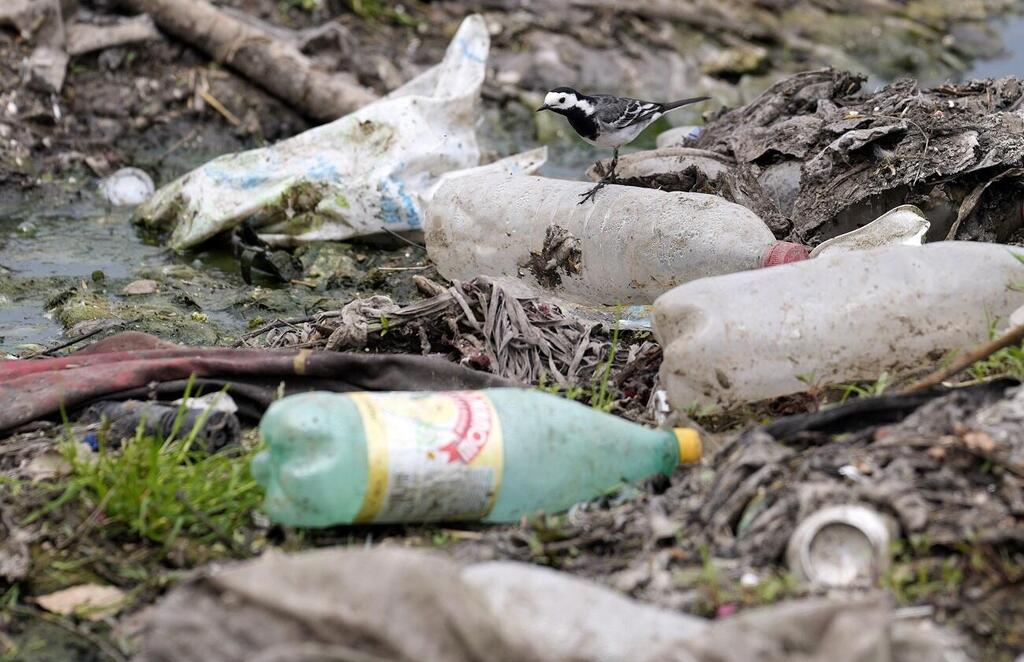
How is a plastic credit issued?
So how does it work? Behind every credit is a physical activity: Someone must collect the waste, sort it and recycle it. To qualify for a credit, the company or organization carrying out the work must measure and document what it has done. An independent auditing and verification body then reviews the data, checks whether the activity meets the relevant standard and quantifies the results. Once the activity is verified, the organization administering the credit program can issue credits. These can then be transferred or sold to other companies, creating an additional source of revenue from environmental activity.
But what exactly is being purchased when a company buys a plastic credit? Each credit represents a defined quantity of plastic waste collected or recycled through a project that meets predetermined requirements. Under the Plastic Waste Reduction Standard operated by Verra, a nonprofit organization that administers environmental and climate standards, one credit represents one metric ton of plastic waste collected or recycled beyond what would have been expected without the project.
The idea is to create a financial incentive for more plastic waste to be collected, sorted, recycled or properly managed, while reducing the amount of plastic that ends up polluting the environment. To ensure the figures reflect genuine activity, project operators must measure and document the quantities of waste handled. An independent external auditor approved by Verra then examines the data and verifies the results.
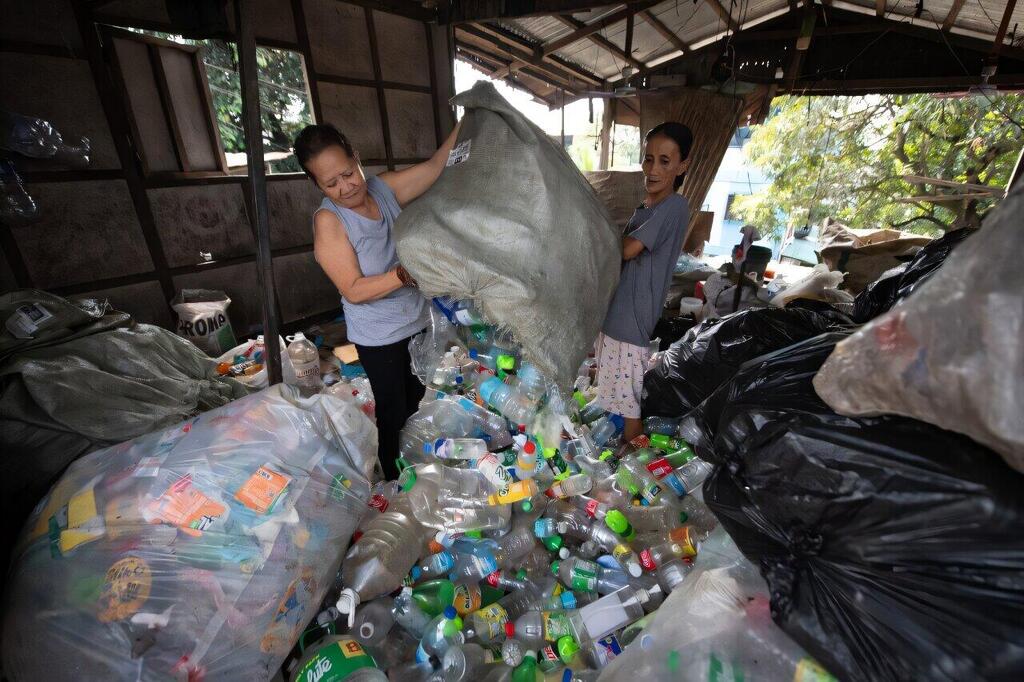
Plastic products intended for recycling
(Photo: AFP)
Following verification, the credits are recorded in Verra's registry, where each receives a unique serial number that allows it to be tracked, transferred between accounts or traded. Prices are negotiated between buyers and sellers and depend on factors including the type of project, the plastic involved and how the waste is handled.
But this raises a fundamental question: Does the mechanism actually encourage companies to collect and recycle more plastic while reducing its use, or could it allow them to continue consuming plastic, potentially even encouraging greater use, as long as they pay someone else to deal with the resulting waste?
Plastic credits made in Israel
Israel has recently taken its first steps into this market, with an Israeli recycling project receiving approval to issue plastic credits. The initiative is being led by Carbon World, an Israeli company specializing in the development of environmental credits for international markets. Carbon World handled the approval and certification process for Plasti-City, a company based in Beit She'an that collects, sorts and recycles plastic waste in northern Israel.
"The first issuance process was carried out through an international body, where the credits were registered and the activity underwent auditing and verification," explained Ofer Burstyn, CEO of Carbon World. "One of the great things about this process is that it dramatically improves the way companies in the plastic collection and recycling industry measure their activities."
According to the company's estimates, Plasti-City's collection and recycling operations could generate approximately 50,000 plastic credits over the next five years, representing around 50,000 metric tons of recycled plastic. Burstyn said the benefits extend beyond the credits themselves, including improvements in how environmental activities are measured and documented, as well as the auditing and verification procedures companies must undergo. Having completed the approval process, Plasti-City is now preparing for the next stage: marketing and selling the credits.
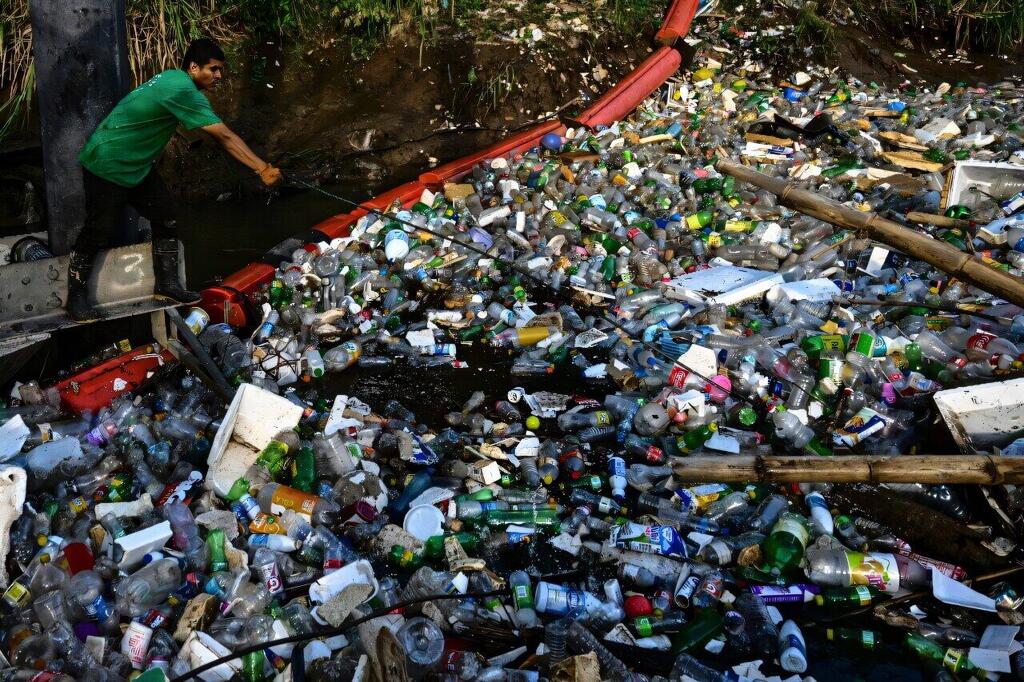
Efforts to tackle plastic pollution
(Photo: AFP)
Burstyn explained that selling credits could enable participating companies to generate additional income and reinvest it in expanding their operations. On the other side of the transaction are businesses that purchase credits as part of their efforts to reduce their environmental impact.
However, Burstyn emphasized that buying credits should not replace a company's own efforts to reduce its environmental footprint. Companies should ultimately aim for net-zero carbon emissions, he said, rather than simply purchasing credits instead of taking meaningful steps to reduce their emissions.
A solution to plastic pollution, or a reward for work already being done?
In Israel, the plastic credit system currently operates mainly on a voluntary basis, meaning companies are not legally required to participate or establish targets under the mechanism. The European Union, by comparison, has no general requirement for companies to purchase plastic credits, but it does impose binding regulations requiring producers to help finance the collection, sorting and recycling of packaging waste, alongside targets for reducing waste and increasing recycling rates.
"Unfortunately, regulation of the credit market simply does not exist in Israel," Burstyn said. As a result, he explained, the market currently depends largely on companies that voluntarily adopt environmental targets, along with multinational businesses operating under international requirements and mechanisms.
"There are companies in Israel where the board of directors sits down and says: We want to be a company that's good for the environment, good for the community. We want to recycle," he said.
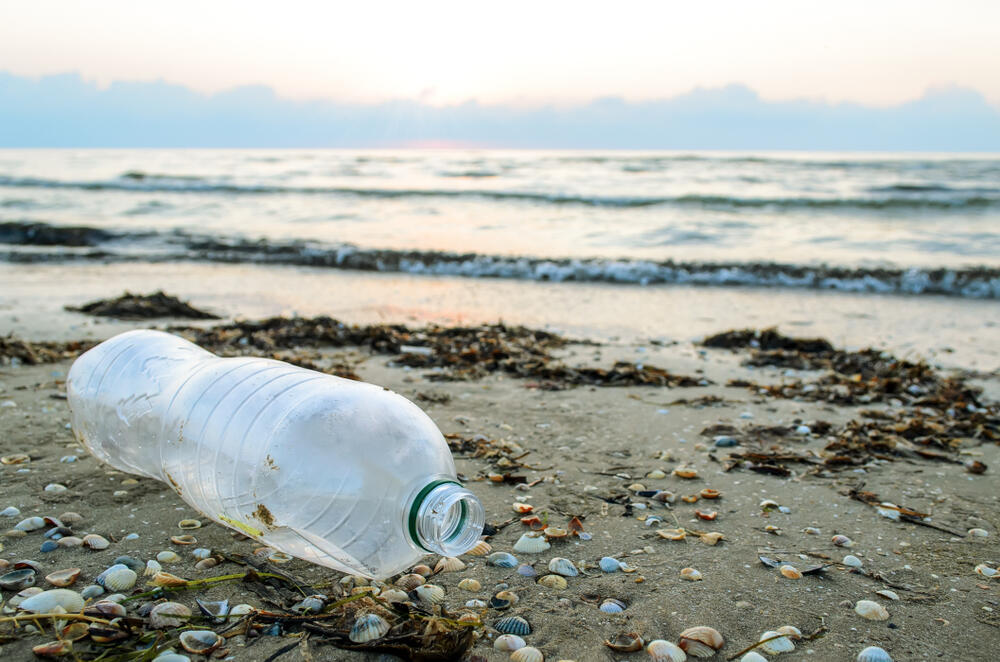
Plastic pollution on a beach
(Photo: Shutterstock)
Nevertheless, Carbon World believes Israel's plastic credit market could expand in the coming years as more companies seek to finance plastic waste collection and recycling projects by purchasing credits. According to Burstyn, additional projects are already in development.
But as the market grows, it will be important to examine whether plastic credits actually generate additional collection and recycling, rather than simply assigning a monetary value to environmental activities already taking place. Another question is whether they genuinely lead to more plastic being recovered and recycled, or instead allow companies to pay for waste management without addressing the underlying problem: the need to reduce plastic consumption in the first place.
This article was prepared by Zavit, the news agency of the Israel Society of Ecology and Environmental Sciences.