


The upper Western Wall Plaza is familiar to every Jew in the world. It is where mass gatherings are held, moving ceremonies take place, prayers are recited on holidays and, on Jerusalem Day, thousands march with Israeli flags. What is less known is that in recent years, the most visited plaza in Israel has been suspended in the air on pillars, while beneath it an ancient underground city has gradually been revealed. Layer upon layer of history from different periods is being uncovered in work led by the Western Wall Heritage Foundation.
The Talmud cites Rabbi Yohanan as saying: “The Holy One, Blessed be He, said: I will not enter the Jerusalem above until I enter the Jerusalem below.” Although the statement carries spiritual meaning, deep in the Jerusalem hills — especially in the area near the Temple Mount — the “Jerusalem below” is also being revealed, telling the story of the capital and its deep connection to the Jewish people.
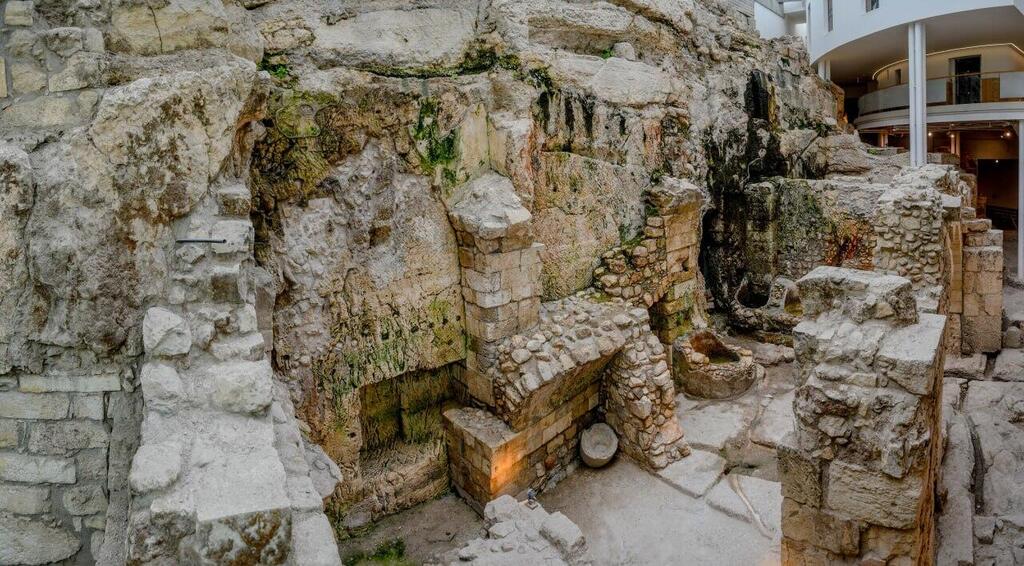
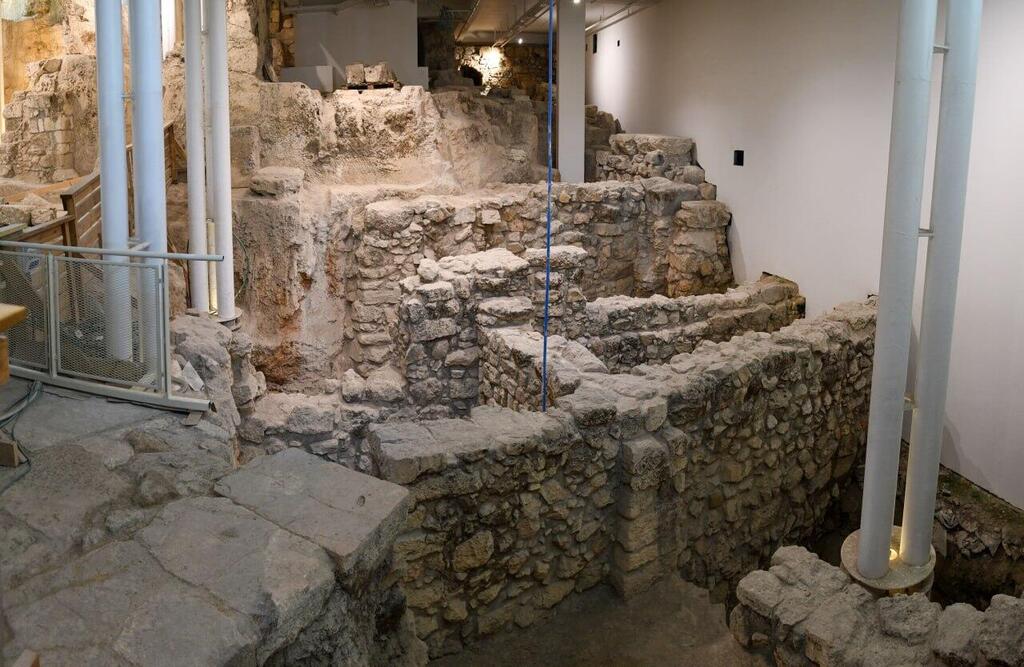
The discoveries beneath the Western Wall
(Photo: Rafi Kotz)
From the plaza, inside the Western Wall Heritage Foundation building, stairs lead down to the underground city that never stops surprising. “First, to understand how the Western Wall Plaza was suspended in the air, we have to go back to March 2020. Israel entered lockdown, and the Western Wall Tunnels were closed as well. For the first time, there was an unimaginable reality in which even the Western Wall Plaza — a place that operates every hour of every day of the year — was closed to the public. In Jerusalem, people are used to seeing the Western Wall as a home that never closes, even on snowy nights,” said Rachel Hadad of the Western Wall Heritage Foundation.
Hadad added: “But precisely when the plaza emptied of people, the Western Wall Tunnels used the opportunity to advance unprecedented engineering work. Within seven weeks, 52 concrete pillars were poured to a depth of 8 meters, and they now support the upper plaza. Afterward, the paving above was opened, a new concrete floor was poured and excavations began below ground.”
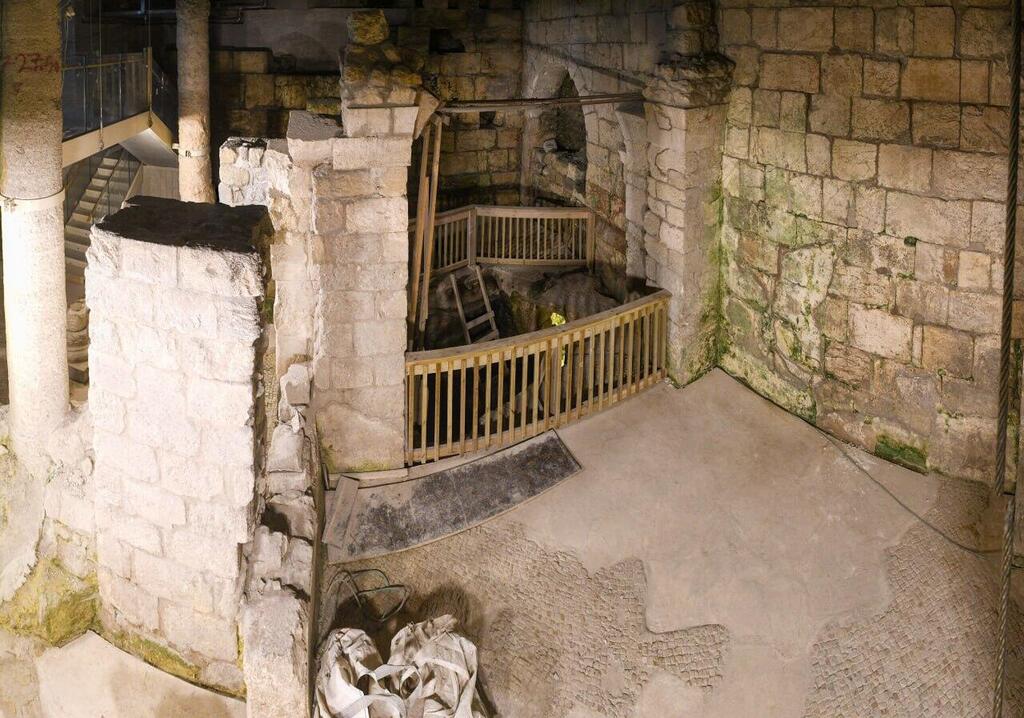
Beneath the Western Wall
(Photo: Rafi Kotz)
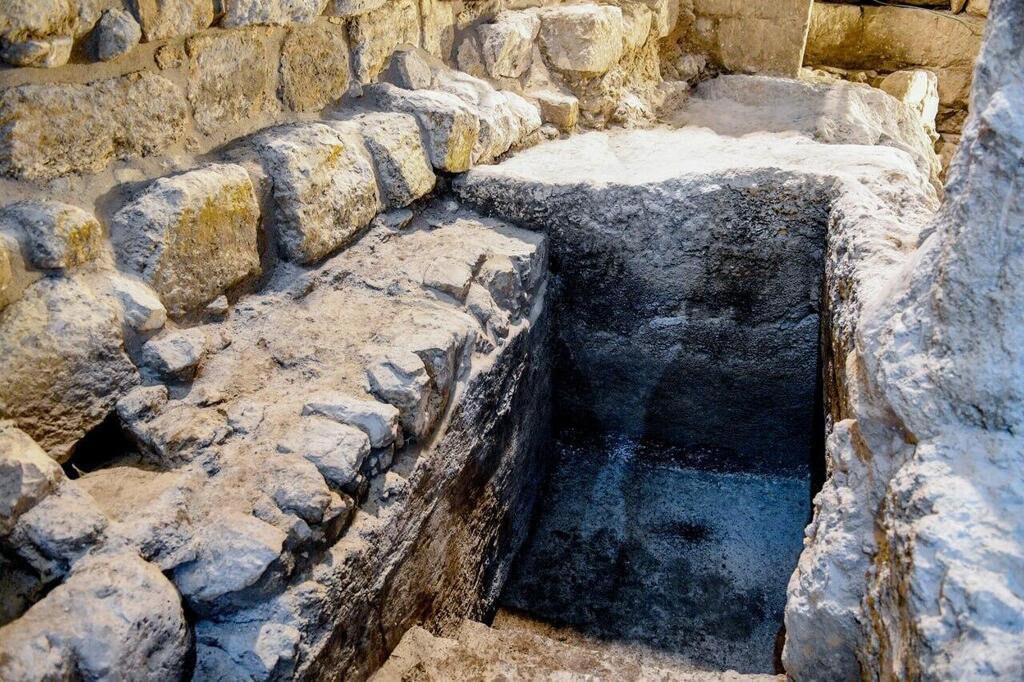
Ancient ritual bath
(Photo: Rafi Kotz)
Beneath the ground, historic Jerusalem is being revealed just meters from the place where soldiers swear to defend the State of Israel. “In one of the excavations, a four-room house from the First Temple period, dating back about 2,700 years, was discovered. The structure, known as a four-room house, is similar to findings uncovered in the City of David,” Hadad said.
According to Hadad, “Inside the house, pottery handles were found that had been used for jars in which taxes were sent to the king in Jerusalem. One of the handles bore the inscription ‘Lamelekh,’ meaning ‘belonging to the king,’ alongside the place of origin, Sokho, identified with Tel Sokho near Beit Shemesh. The finding makes it possible to connect archaeology with the Jewish bookshelf, since Antigonus of Sokho is also mentioned in Pirkei Avot. Thus, after thousands of years, it is still possible to identify the connection between the ancient finds and the Jewish map and tradition.”
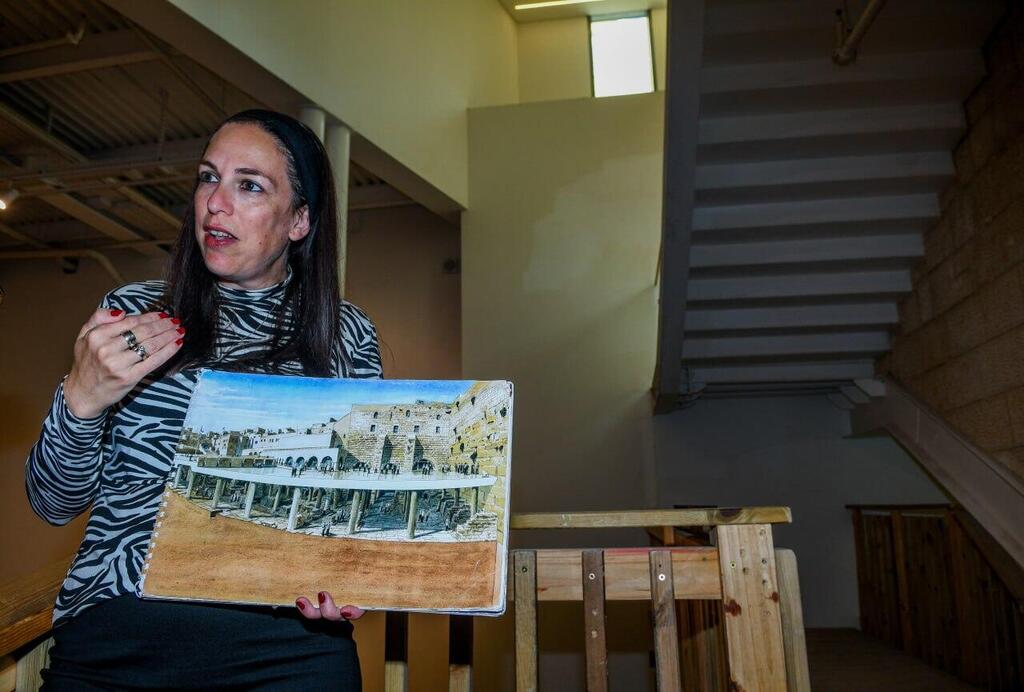
A fascinating world beneath the Western Wall; Rachel Hadad
(Photo: Rafi Kotz)
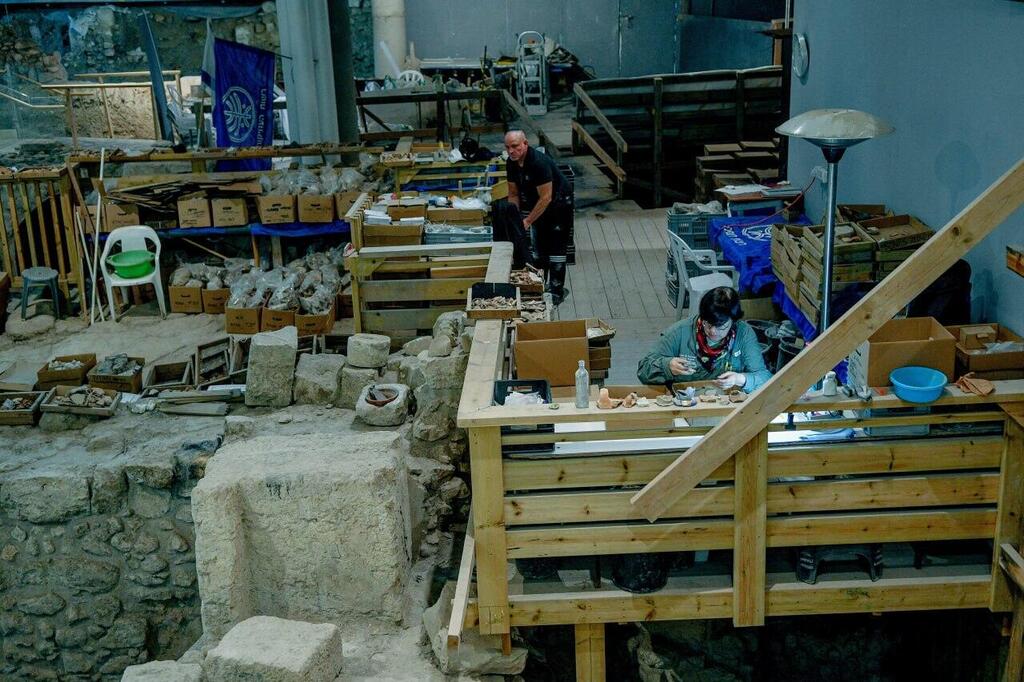
Connecting the fragments
(Photo: Rafi Kotz)
This is one point among the areas discovered in the underground space. Farther along, between the concrete pillars, Hadad points to another site.
“During the tour, we described the Roman Jerusalem built by Emperor Hadrian after the destruction of the Second Temple and during the period of the Bar Kochba revolt. Hadrian sought to erase the city’s Jewish identity: He changed its name to Aelia Capitolina, built a Roman city there and barred Jews from entering it. The paved streets were built so that carriages could travel without slipping, and bustling markets operated around them. Amid all that abundance, there were no Jews,” Hadad said.
She added that “the fact that Jews today once again walk on those same stones after nearly 2,000 years is presented as historical continuity. Together with my family story, about my grandmother who fled Poland on the eve of World War II, I think that if someone had told her that her granddaughter would stand in Jerusalem, in a place Jews were once forbidden to enter, as a representative of the body that tells the story of this place, she would have shed tears and said, ‘We were like dreamers.’”
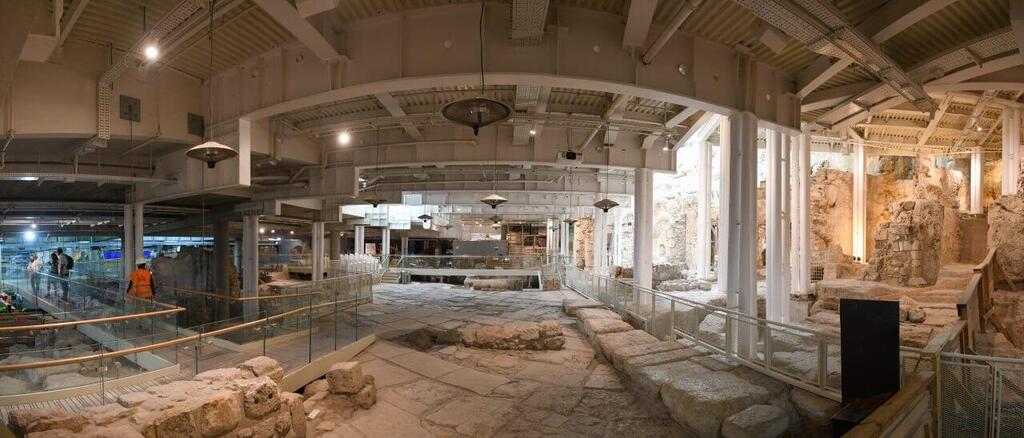
The pillars beneath the Western Wall
(Photo: Rafi Kotz)
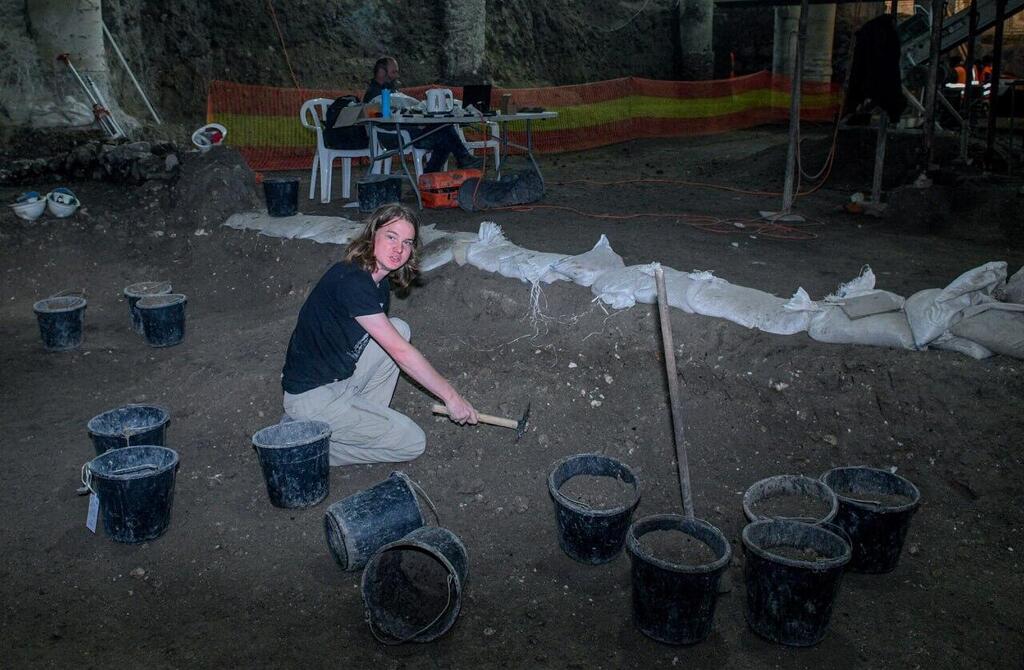
Work at the site continues
(Photo: Rafi Kotz)
The most moving discovery so far appears along a winding path between sandbags piled up in the excavations, amid the sounds of drilling and Israel Antiquities Authority workers sifting pottery shards and coins found in the soil.
“Last Hanukkah, a ritual bath from the Second Temple period was also uncovered in the excavation area. At first, the archaeologists identified steps of a water cistern, but later they realized it was a mikveh used by pilgrims on their way to the Temple Mount,” Hadad said. “Dozens of mikvehs have been found around the Temple Mount, including several in the Western Wall Tunnels alone. What makes this mikveh unique is its asymmetrical steps, which were meant to make a person stop and focus on every step. In this way, it created a moment of mental preparation just before ascending the Temple Mount. Descriptions of the pilgrimage emphasize the processions, the music and the human encounters that all converged at the climactic moment of reaching Jerusalem and the Temple.”
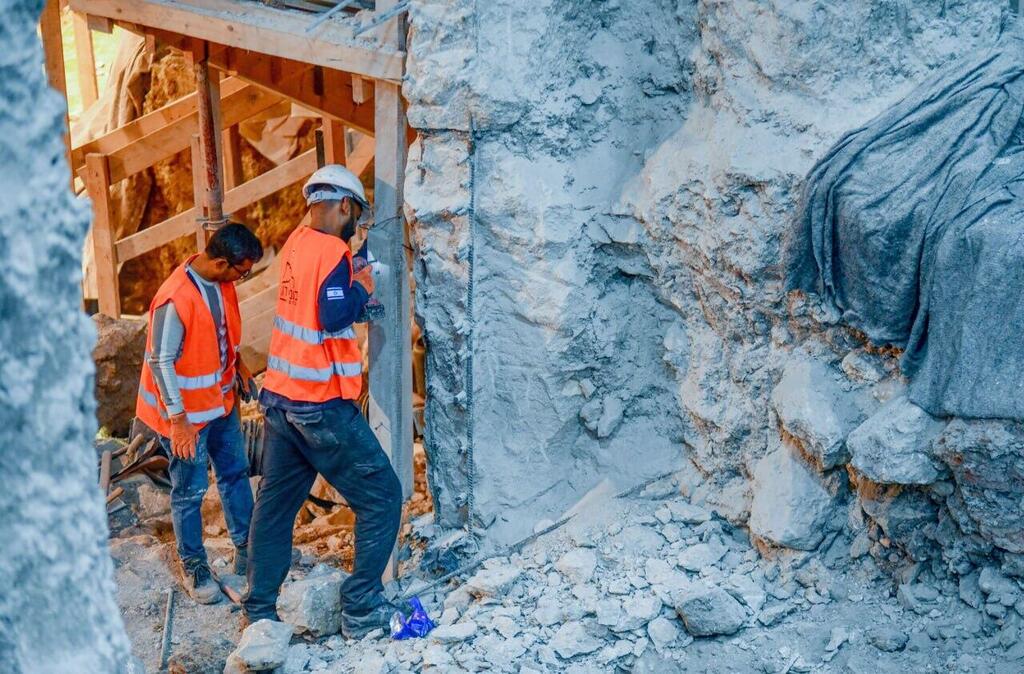
The work beneath the Western Wall
(Photo: Rafi Kotz)
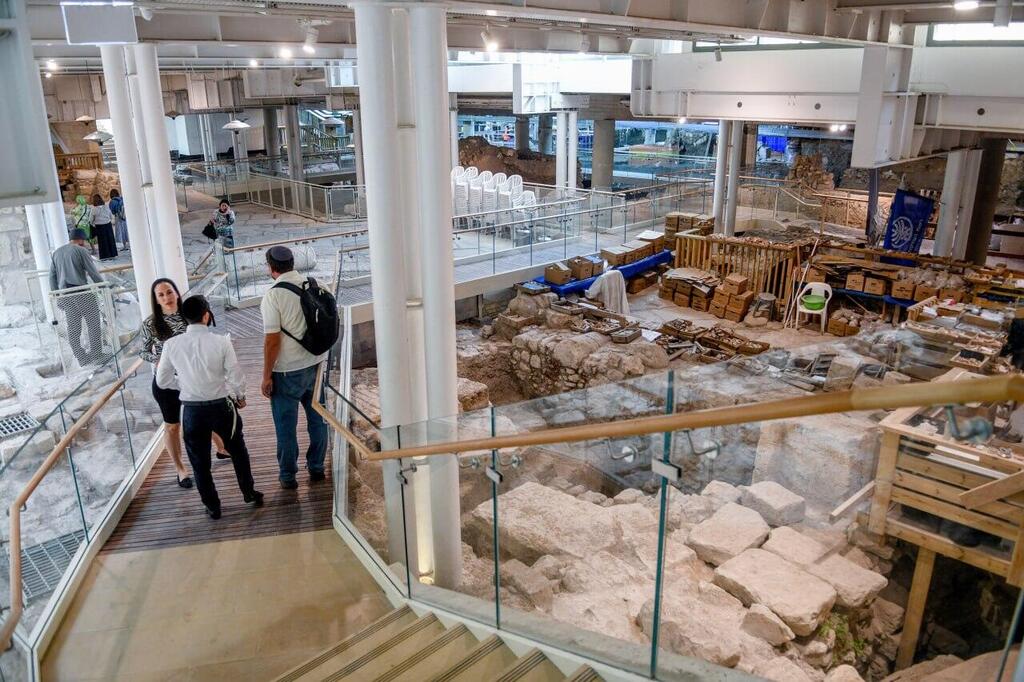
A glimpse of Jerusalem some 2,000 years ago
(Photo: Rafi Kotz)
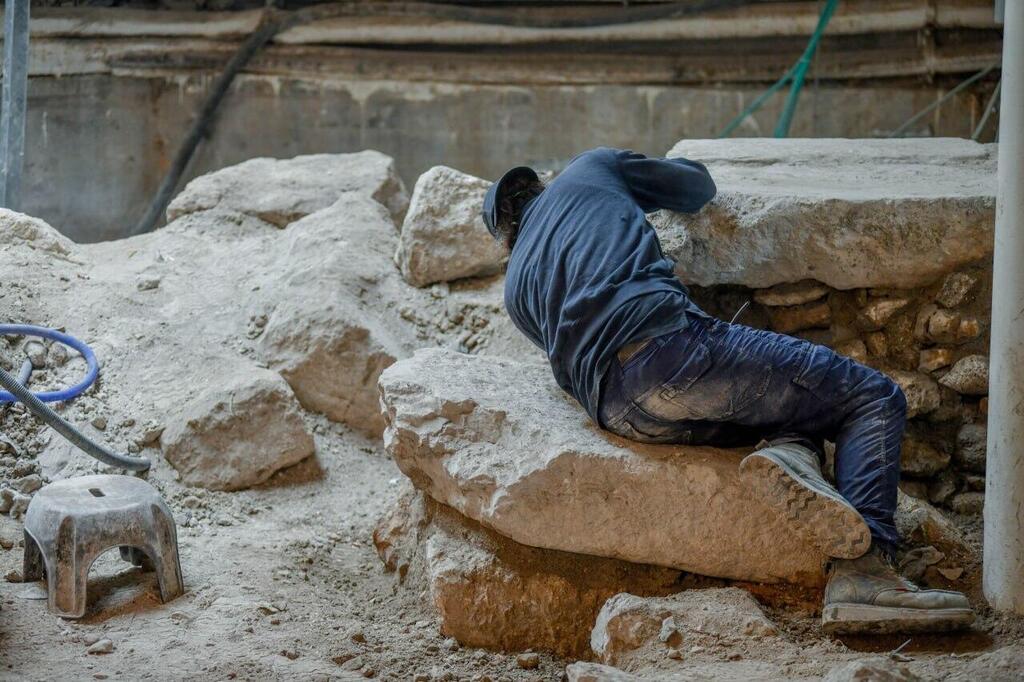
Studying the ancient stones
(Photo: Rafi Kotz)
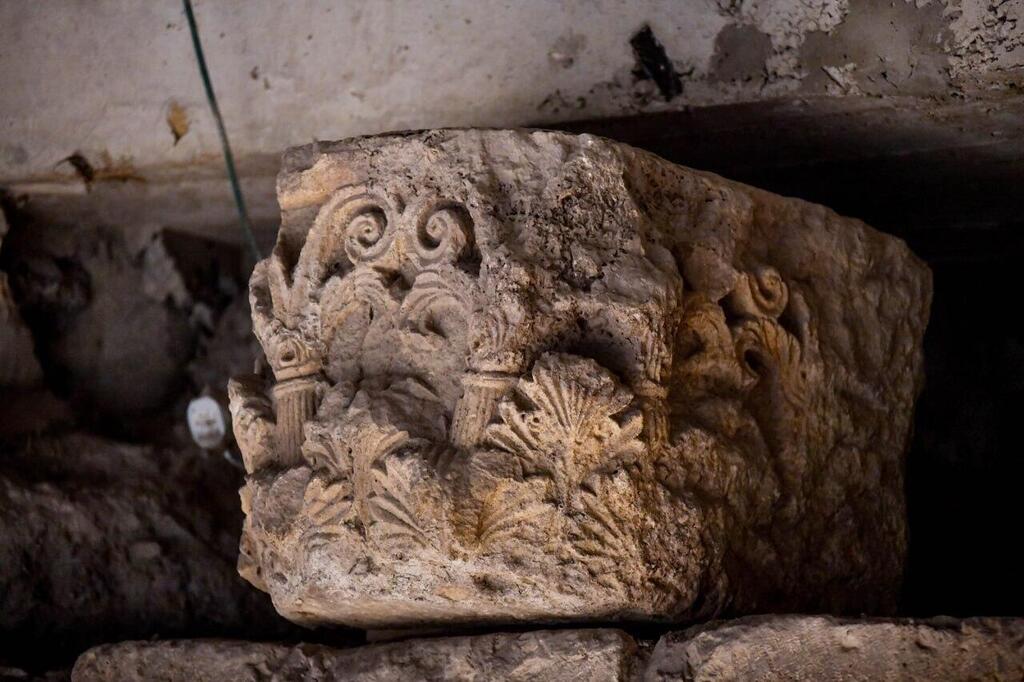
Decorated stone
(Photo: Rafi Kotz)
Another finding was discovered in the mikveh: ash from the burning that accompanied the destruction of the Temple. “This ash teaches us about a great catastrophe that took place here, a terrible battle in the days of Jerusalem’s destruction. When you look at a place that connects past and present, to me it is also a warning for the future, about where our society is headed,” Hadad said.
Another room discovered at the bottom of the excavations, in the lowest layer found so far, was apparently a public building that also sheds light on the period. “We found an intact clay lamp there and a stone drinking cup,” she said. “Because of the strict observance of the laws of ritual purity and impurity, stone vessels were used in those days. I just try to imagine myself making dinner for the children with such dishes, and washing them in the sink until the next day.”