


A decade after Israel stopped an invasive insect from wiping out one of the country’s most iconic fruits, it has sent the same biological solution to Cyprus: one Israeli professor and 200 predatory beetles.
The emergency mission followed an appeal from the neighboring island, where the pest has already destroyed between 20% and 30% of commercial prickly pear plantations.
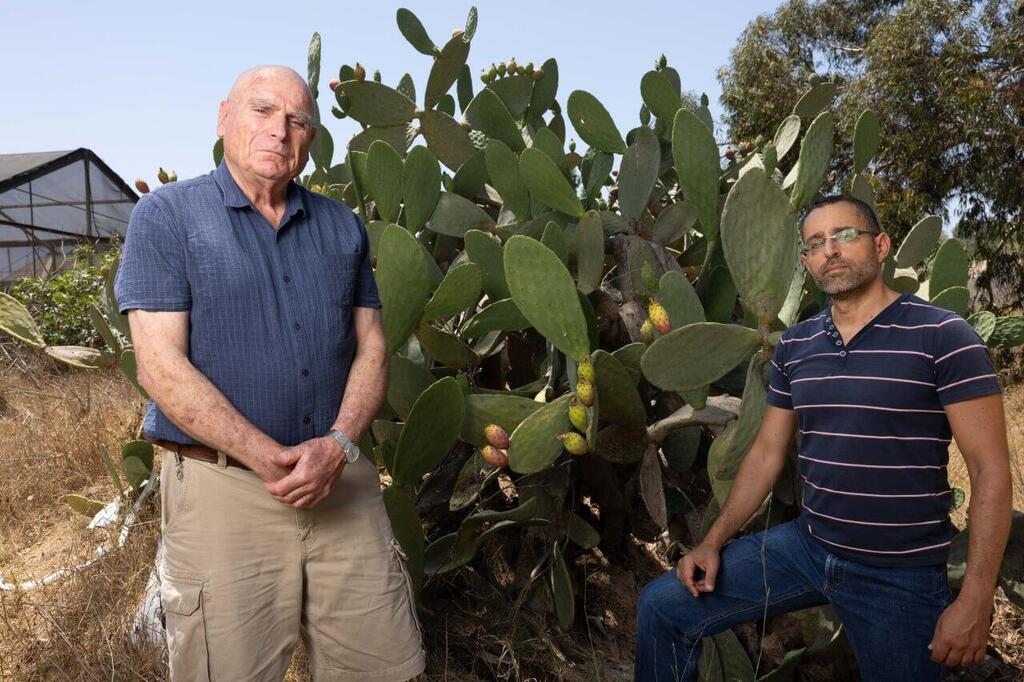
The insects, natural predators of the destructive cochineal pest, were collected in Israel, treated in a laboratory and flown to Cyprus, where they were released in affected areas in an effort to establish a self-sustaining population.
The pest reached Cyprus in 2016, the same year Israel succeeded in halting the spread of the invasive insect, which had entered from Lebanon and caused extensive damage to prickly pear plants across the country.
Prof. Zvi Mendel, now an emeritus researcher at Israel’s Volcani Institute, helped lead the Israeli response at the time. His team used biological control, importing natural enemies of the pest from Mexico.
One of them, a predatory lady beetle, successfully established itself in Israel and sharply reduced the damage, effectively saving the country’s prickly pear sector. That success later became a model for international cooperation.
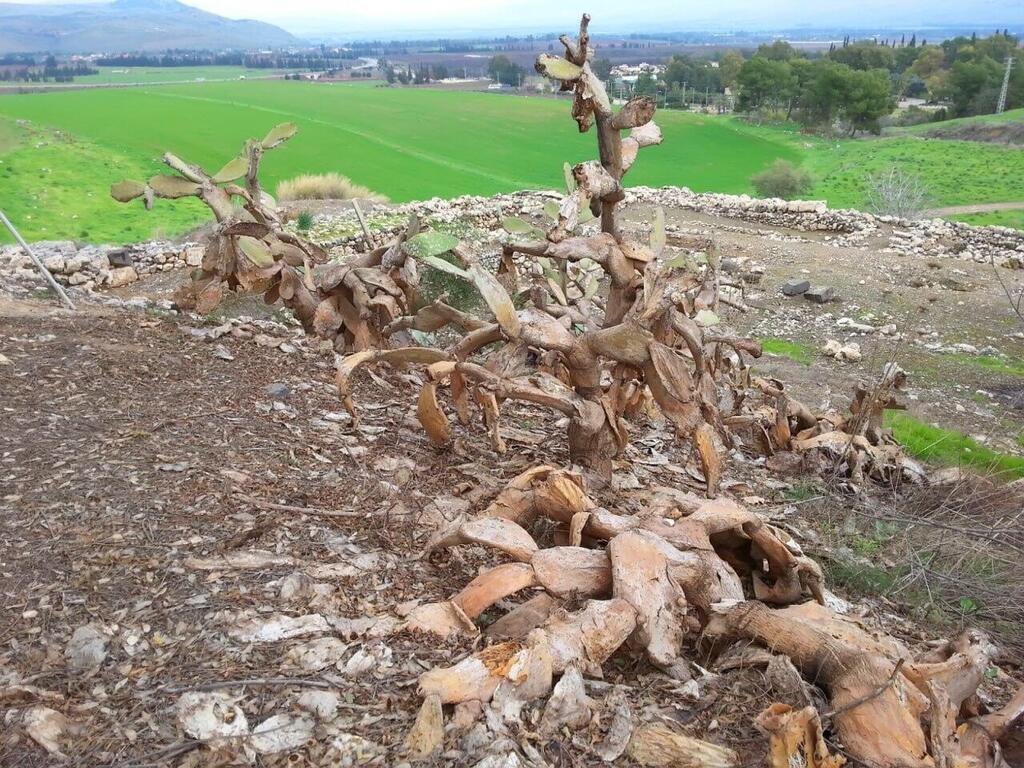
Damage to the plant
(Photo: Prof. Zvi Mendel, Volcani Institute)
In Cyprus, the insect has already devastated an estimated 300 to 450 dunams of commercial plantations. It covers the cactus pads in a white, snow-like layer before the plant withers and is reduced to a gray skeleton.
Unable to contain the outbreak, Cyprus’ plant protection authorities contacted experts at Israel’s Agriculture and Food Security Ministry and the Volcani Institute. “The Cypriots offered us a research budget to carry out the work here,” Prof. Mendel said. “I immediately told them: We will do everything for you free of charge, for the benefit of the people of Cyprus.” The initiative may be considered a form of green diplomacy.
The pest was first detected in Israel’s Hula Valley in 2013 and later spread across much of the country. “A relative of this insect was historically used to produce dye, which is why prickly pear cactus was distributed around the world,” Prof. Mendel explained.
“Someone apparently brought the wrong insect to Lebanon, and from there it spread to us from north to south through wind, animals and, over larger distances, birds.”
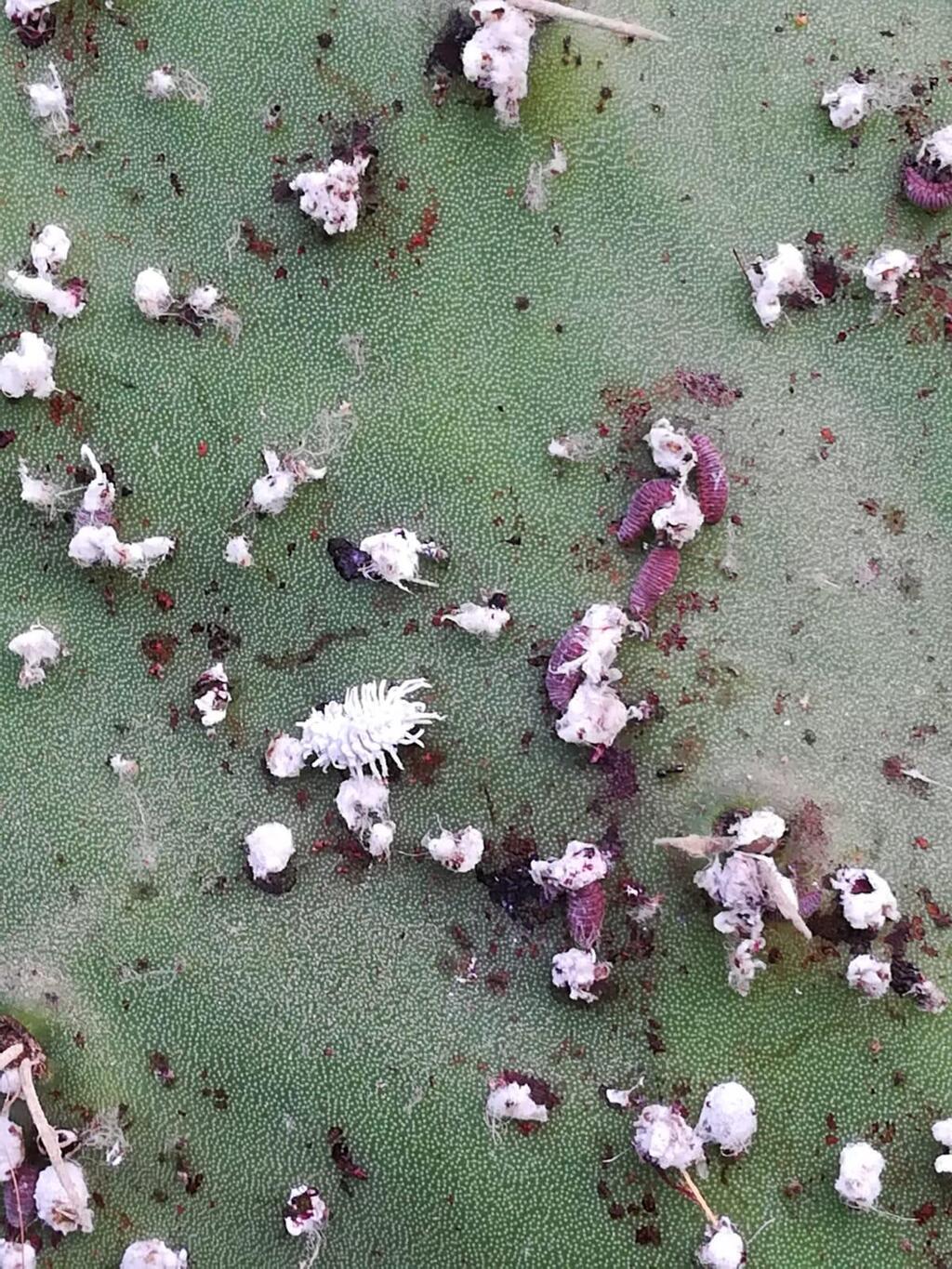
Predatory lady beetle larvae
(Photo: Prof. Zvi Mendel)
The early years of the outbreak caused severe damage in Israel. Between the insect’s arrival from Lebanon and the establishment of its natural predators, most prickly pear hedges in the Golan Heights and eastern Galilee were destroyed.
The damage in central Israel was more limited, partly because of a large-scale campaign to distribute the Mexican beetles after they began reproducing in southern Israel and the Jordan Valley.
Today, new outbreaks are quickly suppressed by the natural predators already established in the environment.
Cyprus has about 1,500 dunams of commercial prickly pear plantations. Nearly 30% have already been destroyed, while much of the remaining acreage is struggling to survive. The insect has also wiped out most natural prickly pear hedges in the Nicosia district and other parts of the island.
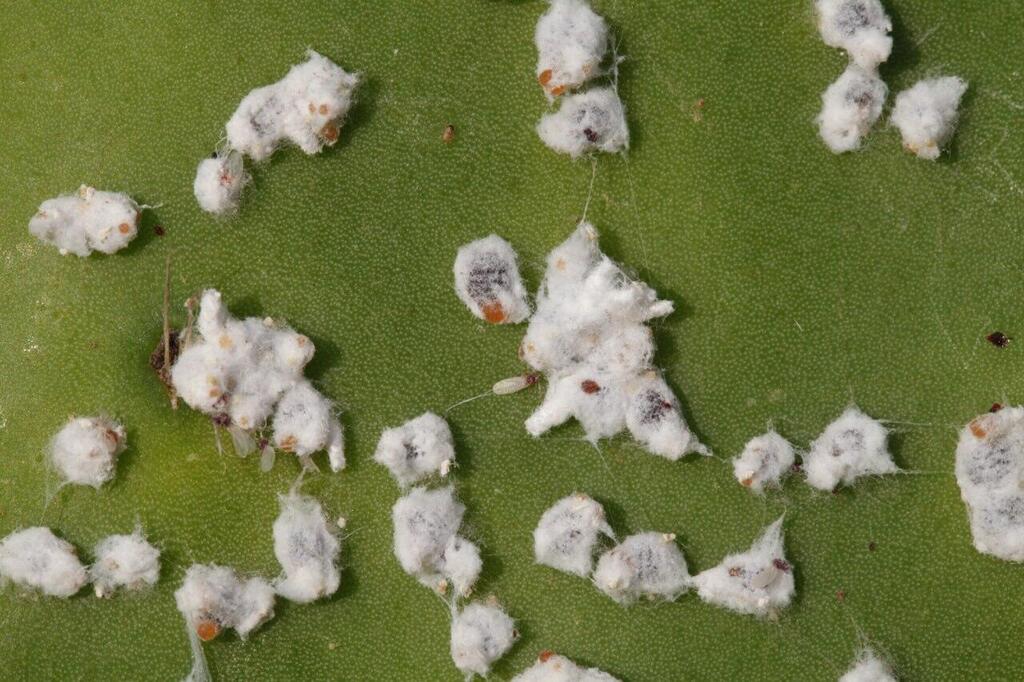
The cochineal insect
(Photo: Prof. Zvi Mendel, Volcani Institute)
“This was not some large, elaborate delegation,” Prof. Mendel said. “Dr. Shahar Samra and I went into the field in Israel to collect the beetles. We gathered about 200 adult insects, packed them in suitable containers and treated them in the laboratory to make sure they were not carrying any other pests. I then flew to Cyprus with the cochineal insect’s natural enemies in my bag and personally released them at the designated sites.”
The goal was to create a new population capable of fighting the invasive insect naturally and in an environmentally friendly way. About five weeks later, Prof. Mendel returned to Cyprus and found that the beetles had successfully taken hold.
The Cyprus mission follows other international biological-control projects involving experts from Israel’s Agriculture Ministry and the Volcani Institute.
In recent years, they also helped Morocco confront the same pest, although that effort was complicated by political considerations. “The insect reached Morocco from Spain, probably through bird migration,” Prof. Mendel said. “They also heard about our rescue project.”
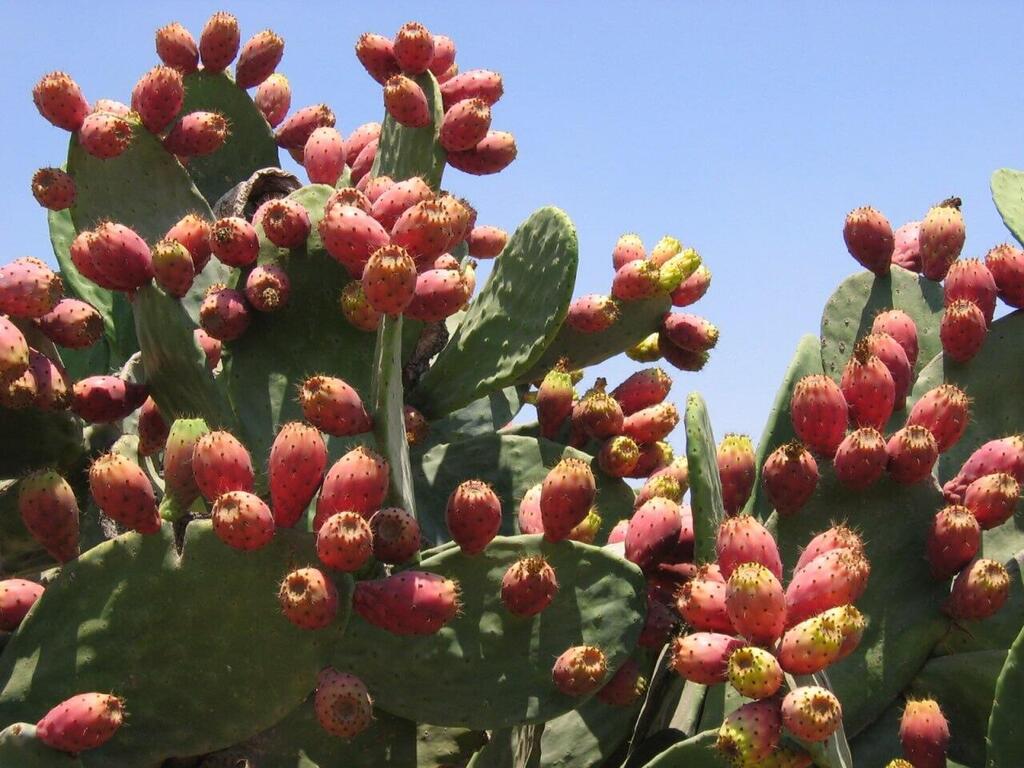
Prickly pear cactus
(Photo: Prof. Zvi Mendel, Volcani Institute)
The first approach came from a large private Moroccan grower who traveled to Israel. Morocco’s Agriculture Ministry initially declined Israel’s offer to send natural predators, despite what Mendel described as excellent professional discussions. “The obstacle was mainly political,” he said.
The delay proved costly. The outbreak eventually destroyed about 1.5 million dunams of prickly pear cactus. When Morocco finally approved the transfer, officials offered to pay, but Israel again declined.
“We told them Israel would provide the beetles free of charge,” Prof. Mendel said. “I had only one strict condition: The beetles they bred had to be distributed to local farmers free of charge.”
Israel’s intervention has not been welcomed everywhere. In some countries, the destructive insect is deliberately used to control wild prickly pear cactus that has become invasive and taken over grazing land.
“For us, it is a pest,” Prof. Mendel said. “For them, it provides free weed control.” Spain, for example, made no effort to stop its spread. “The prickly pear behaves there as an invasive species,” he said. “They did not like it.”