


For decades, divers and fishermen along Israel’s northern coast have known the wreck off Nahariya as the “Turkish ship.” The mysterious site, one of the Mediterranean’s most beautiful and popular dive spots—especially at night—has long inspired fascination and legend. But a surprising archival discovery has now rewritten its story: the vessel was not Turkish at all, but British.
The wreck is actually that of the Ardo, a British coal steamer that ran aground during a storm off the Galilee coast in December 1911. Seven sailors died, and the captain was charged with negligence. One hundred and fourteen years after it sank, the mystery is finally solved.
Gallery
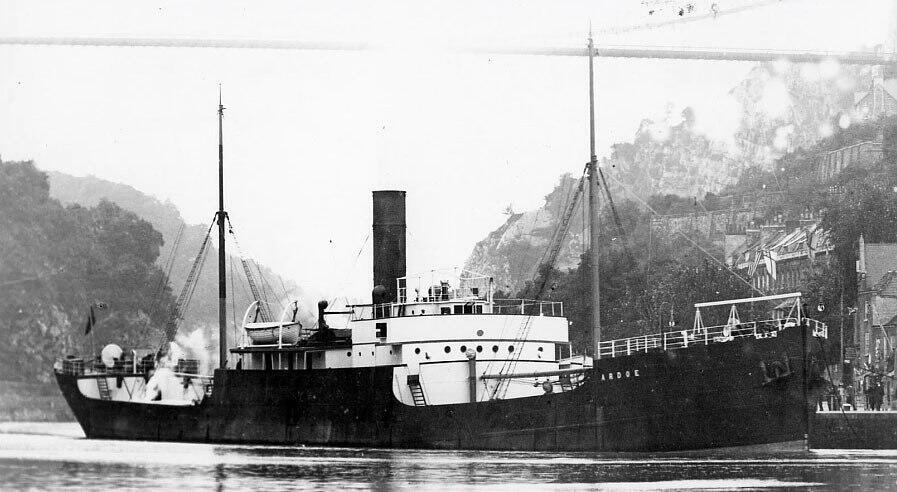
The British coal steamer that ran aground during a storm off the Galilee coast in December 1911
(Photo: Citizen ProMaster)
“We’ve known about this ship since the 1970s,” maritime archaeologist Prof. Ehud (Udi) Galili said. “Many divers visit it regularly and fish around it. We never knew its identity, and over the years the name ‘the Turkish ship’ simply stuck. Nobody knows why—someone once said it was Turkish, and the name just appeared in all the dive guides.”
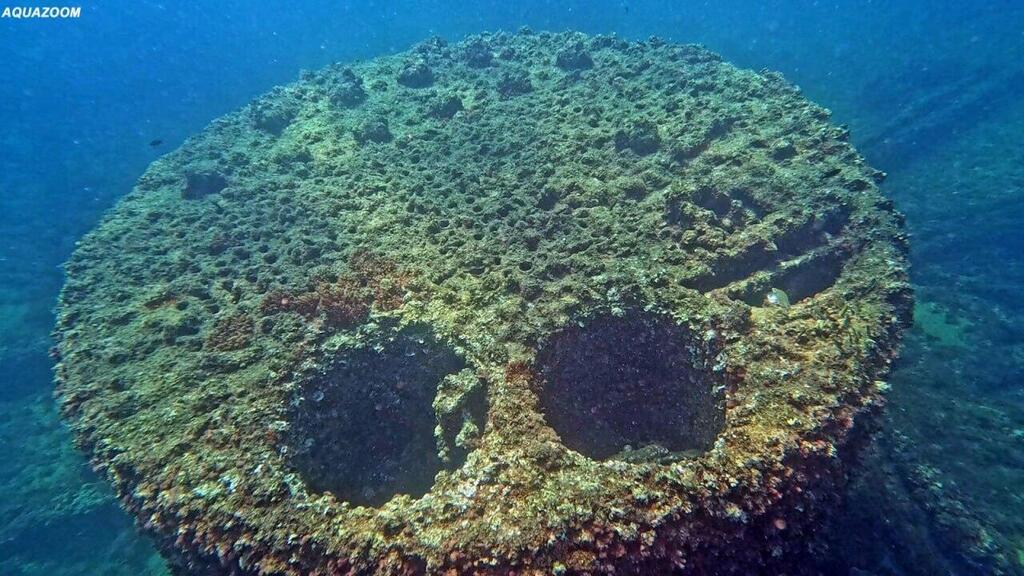
The remains lie 9 to 11 meters below the surface, about 900 meters offshore. They are covered with rich Mediterranean marine life, coral, mollusks, and fish.
Wreckage of the sunken ship
(Video: Citizen ProMaster)


The discovery began when Prof. Galili and Amir Weizman of AQUAZOOM set out to research a different shipwreck off Haifa from the early 20th century. During their archival search, they stumbled upon court documents from a 1912 British trial involving the captain of another vessel—a coal steamer from Aberdeen named Ardo, built in Glasgow in 1894.
The records described how the Ardo ran aground southwest of Achziv in 1911, precisely matching the known wreck site. “The description was so exact that we realized it was our ship,” said Galili.
(Photo: Citizen ProMaster)
The Ardo, a 100-meter-long iron steamer, departed Newport, England, on Dec. 6, 1911, carrying about 10,000 tons of coal bound for Haifa. Its 22-man crew was led by Capt. Ernest Howe, making his first voyage to the region. “He made a navigation error and failed to take depth measurements during the night,” Weizman explained. “He saw the lights of the village of Az-Zib (Achziv), mistook them for Haifa, and steered toward them.”
(Photo: Citizen ProMaster)
On Dec. 27, amid a violent storm, the vessel struck a sandstone reef near today’s Nahariya. “The captain launched a lifeboat to summon help from Haifa,” Galili recounted. “By noon, he ordered the crew to abandon ship. Two lifeboats were lowered; one capsized in the surf, and seven sailors drowned. The rest managed to reach the shore.”
(Photo: Citizen ProMaster)
Following the disaster, Capt. Howe was tried in Britain. “The court found that he had been negligent in navigation—failing to take accurate bearings and steering off course,” Galili said. “His master’s license was suspended for six months, though he was cleared of responsibility for the crew’s deaths, as he had acted properly once the ship ran aground.”
The Ardo was declared a total loss. For decades, parts of the wreck were visible above the surface until the early 1960s, when the Israeli Navy blew up the remaining structure because it obstructed navigation. Its remnants became a beloved dive site, though its true identity remained unknown.
(Photo: Citizen ProMaster)
“The people who wrote dive guides in the 1990s didn’t do their homework,” Weizman said with a smile. “They left us the privilege of giving the site its real name and history.”
Weizman and Galili’s research went beyond the court files. “We found photos of the ship and detailed information about its cargo and crew in the archives of Lloyd’s and the British Shipping Registry,” said Weizman, co-owner of the “Potzker” diving club, which organizes dives to the wreck.
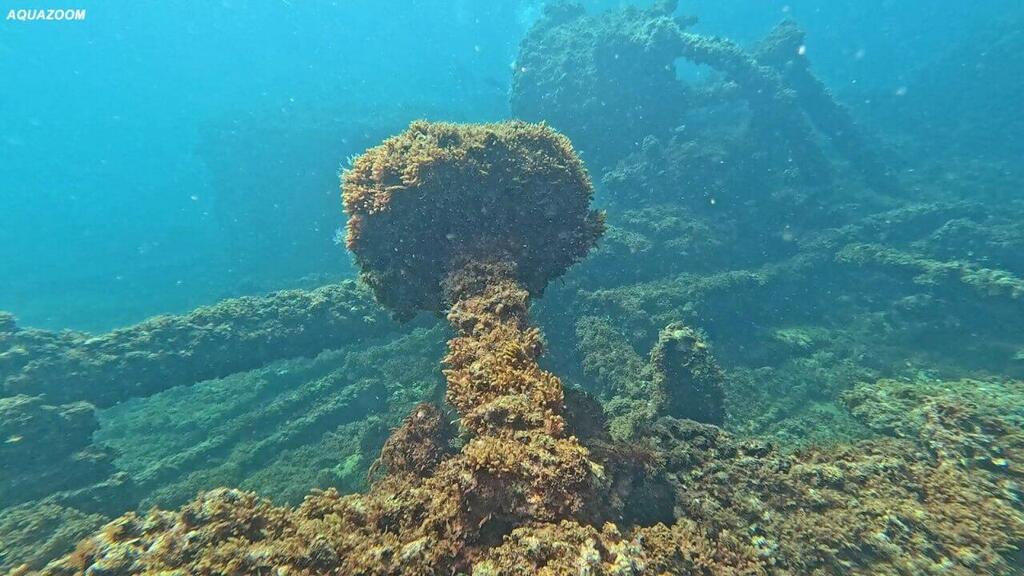
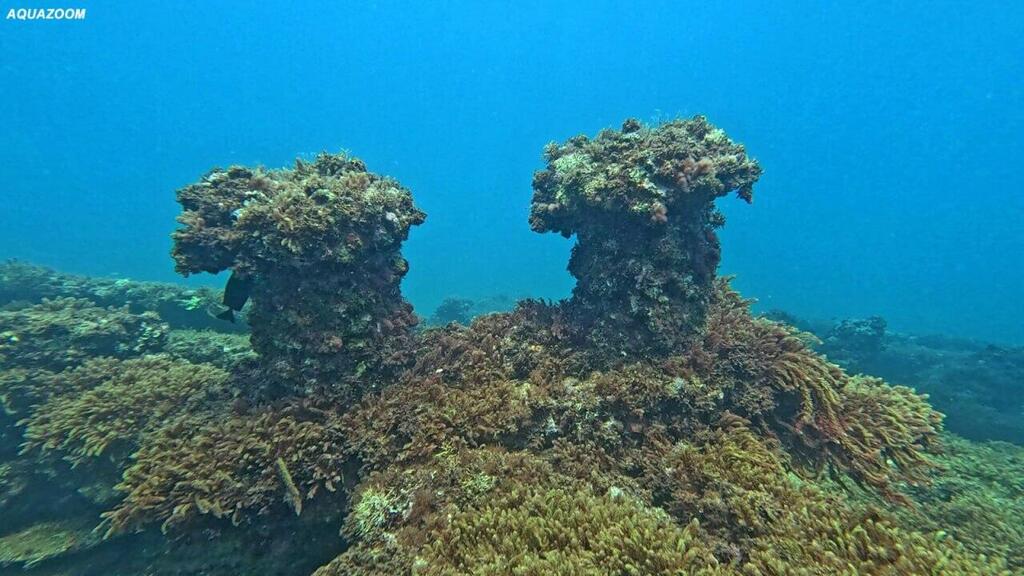
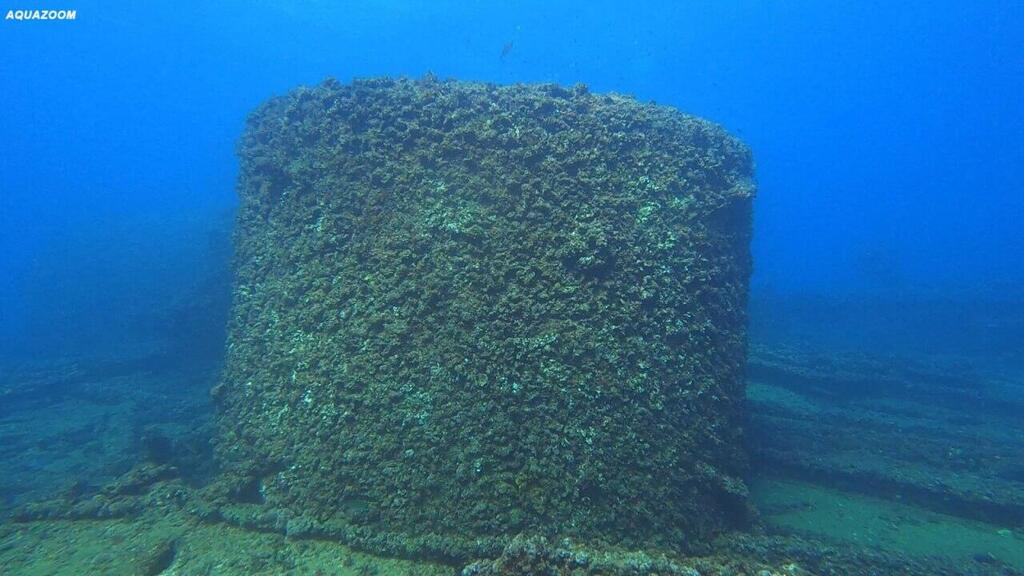
Divers at the site today can see the steamer’s massive boilers, mast, anchor chain, and its large Admiralty anchor—a silent witness to a century-old maritime tragedy that has finally been brought to light.