

Russia plans to build a nuclear power station on the moon within the next decade as part of an ambitious effort to support its lunar space program and a joint research base with China, officials said. The announcement comes as global powers increasingly focus their efforts on exploring Earth’s only natural satellite.
Since Soviet cosmonaut Yuri Gagarin became the first human in space in 1961, Russia has prided itself on its leadership in space exploration. But in recent decades, it has fallen behind the United States and China.
Gallery
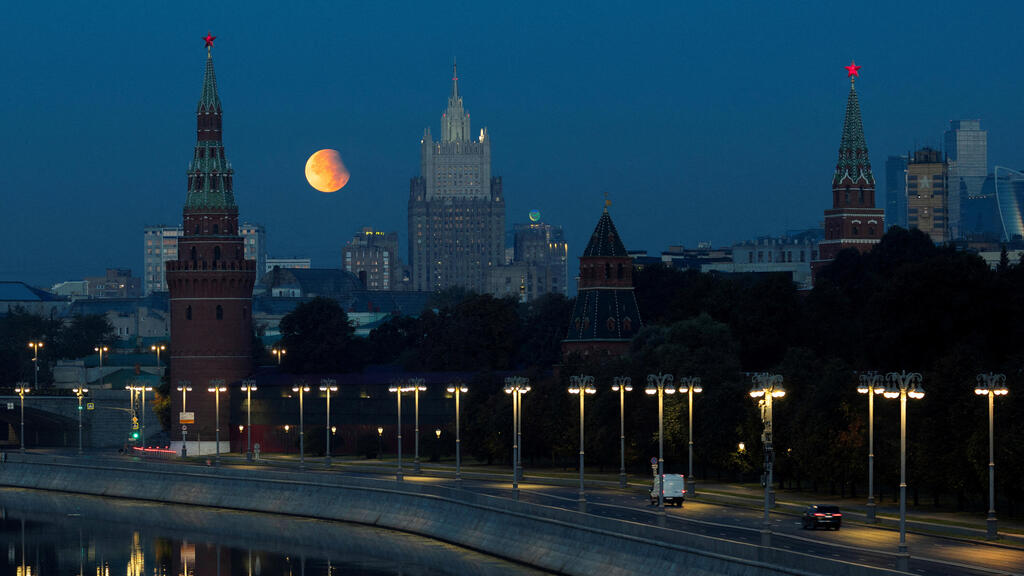
A partial lunar eclipse is visible over the Kremlin and the Russian Foreign Ministry headquarters building in Moscow, September 18, 2024
(Photo: Maxim Shemetov/Reuters)
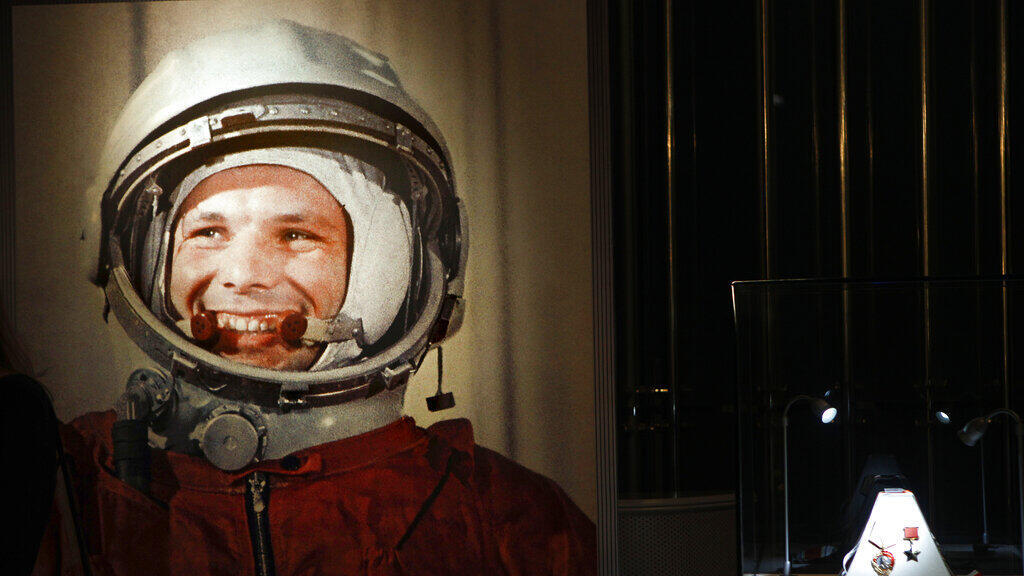
Soviet cosmonaut Yuri Gagarin
(Photo: Alexander Zemlianichenko/AP)
Russia’s space ambitions suffered a significant setback in August 2023, when its uncrewed Luna-25 mission crashed while attempting a lunar landing. The failure underscored the country's growing challenges in keeping pace with other spacefaring nations.
Compounding the blow was the rise of SpaceX, founded by Elon Musk, which revolutionized crewed spaceflight. Thanks to Musk’s company, the U.S. regained the ability to launch astronauts into space independently after the retirement of the space shuttle program — a capability long dominated by Russia.
In a bid to restore its space prowess, the Russian space agency Roscosmos announced plans to construct a lunar power plant by 2036. It signed a contract with the Lavochkin Scientific and Production Association, Russia’s leading spacecraft developer, to carry out the project.
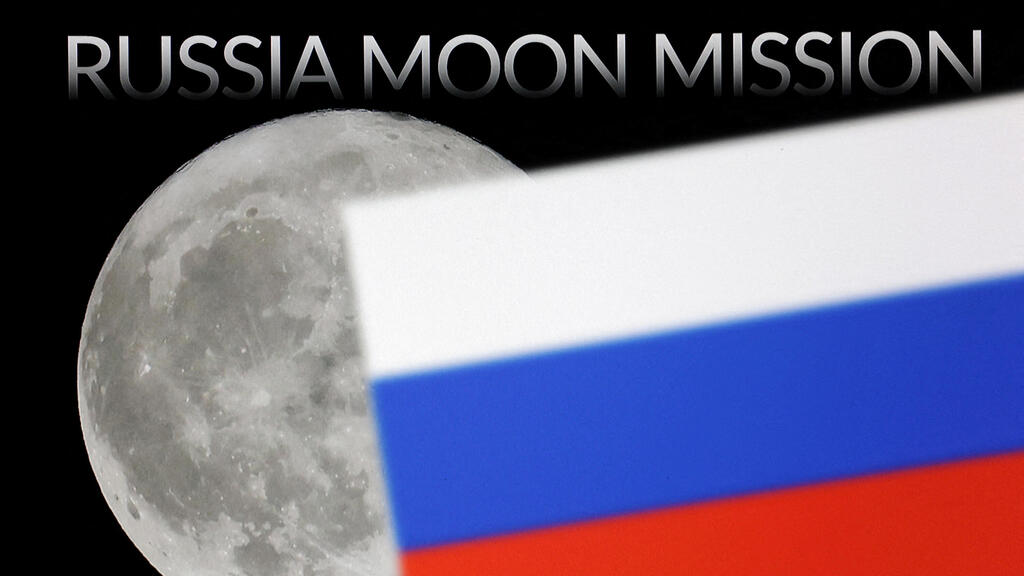
'Russia moon mission'
(Photo: Dado Ruvic/Illustration/Reuters)
Roscosmos did not explicitly state that the facility would be nuclear-powered, but the involvement of Rosatom, the state nuclear corporation, and the Kurchatov Institute, Russia’s top nuclear research institution, strongly indicates that direction.
Luna-25 preparations
(Video: Reuters)


"The project is a significant step toward establishing a permanent scientific lunar base and transitioning from one-off missions to a long-term lunar exploration program," Roscosmos said in a statement.
Dmitry Bakanov, who became CEO of Roscosmos in February 2025, said in June that the agency aims to build a nuclear power plant on the moon and explore Venus — often referred to as Earth’s “sister planet.”

CEO of Roscosmos Dmitry Bakanov
(Photo: Vyacheslav Prokofyev, Sputnik, Kremlin Pool Photo/AP)
Russia, however, is not alone in its ambitions. In August, NASA announced plans to deploy a nuclear reactor on the moon by early 2030.
“We are in a race to the moon — a race with China,” U.S. Transportation Secretary Sean Duffy said when asked about future space plans. He acknowledged that the U.S. is currently trailing but stressed the importance of reliable energy sources for sustaining life on the moon, which could pave the way for eventual human settlement on Mars.

US Transportation Secretary Sean Duffy
(Photo: Mark Schiefelbein/AP)
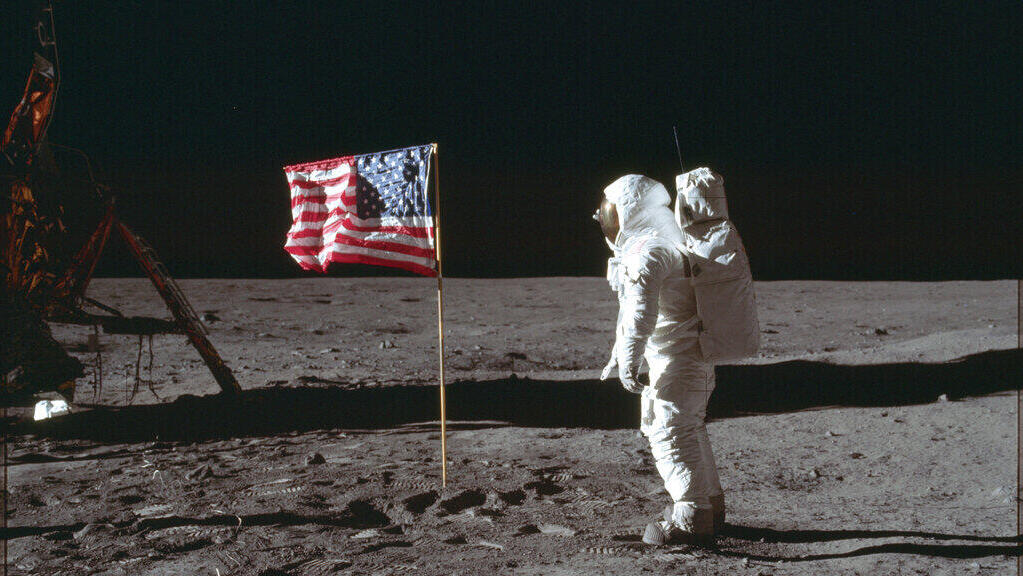
Astronaut Buzz Aldrin walks on the moon beside the United States flag during the Apollo 11 mission in 1969
(Photo: Neil Armstrong/NASA/AP)
International law prohibits the deployment of nuclear weapons in space but allows for the use of nuclear energy sources under certain conditions.
Some analysts have likened the new lunar competition to a modern-day gold rush. According to NASA, the moon may contain up to 1 million tons of helium-3 — a rare isotope on Earth that could be used in future fusion energy. The lunar surface also holds rare earth elements critical to high-tech industries, including scandium, yttrium, and the lanthanides.
First published: 18:39, 12.25.25