

In parts of Asia, Central and South America, as well as the Balkans and Egypt, fishermen still use explosives to catch fish — a method that kills indiscriminately and devastates marine ecosystems. Now, a new Israeli technology is being deployed to stop it.
Professor Roee Diamant of the Leon H. Charney School of Marine Sciences at the University of Haifa recently returned from the island of Palawan in the Philippines, where he conducted a series of field trials with the local coast guard. The trials tested an acoustic detection system developed at the university to locate underwater explosions in real time.
Deployment of the system
(Video: Professor Roee Diamant)


The project was carried out in partnership with WildAid, a global nonprofit that works to protect wildlife and critical habitats from illegal trade, climate threats, and overfishing.
Using simple homemade explosives, blast fishermen create shockwaves that kill fish over vast areas — sometimes hundreds of meters wide. “This practice is common in developing countries and causes widespread destruction of biodiversity, including coral reefs,” said Prof. Diamant. “The challenge is to detect these blasts in real time for enforcement.”
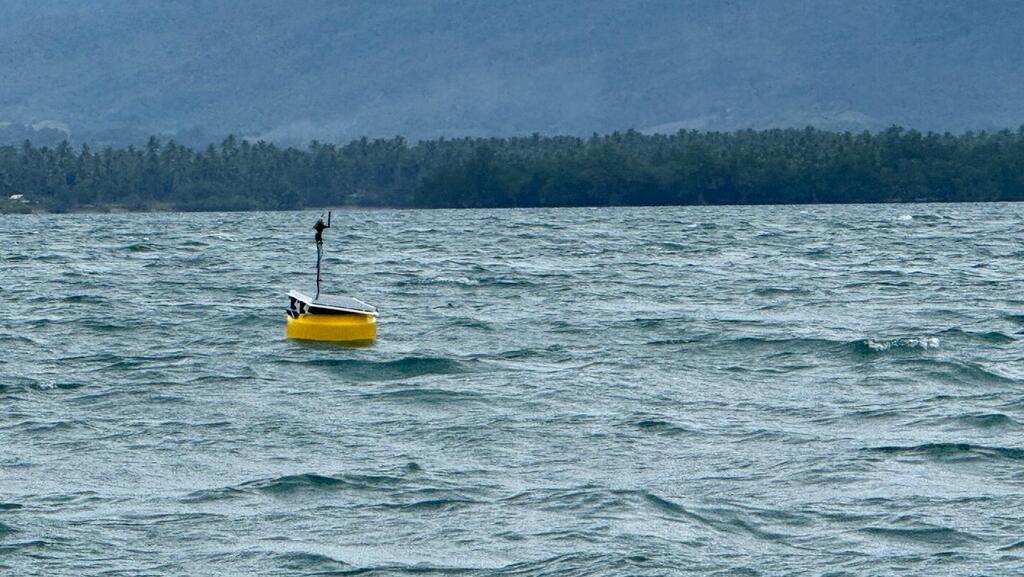
The research team developed two systems based on acoustic sensors (hydrophones) capable of detecting explosions from distances of up to 15 kilometers and pinpointing their exact source. Once a blast is detected, the system automatically sends alerts via satellite or cellular networks to local enforcement officers, enabling them to intercept offenders.
Two types of systems were demonstrated:
- A solar-powered buoy unit for continuous monitoring.
- A submerged robotic system anchored to the seafloor that surfaces only to transmit data, ideal for areas where surface buoys are unsafe.
The robotic unit can operate autonomously for up to 15 days.
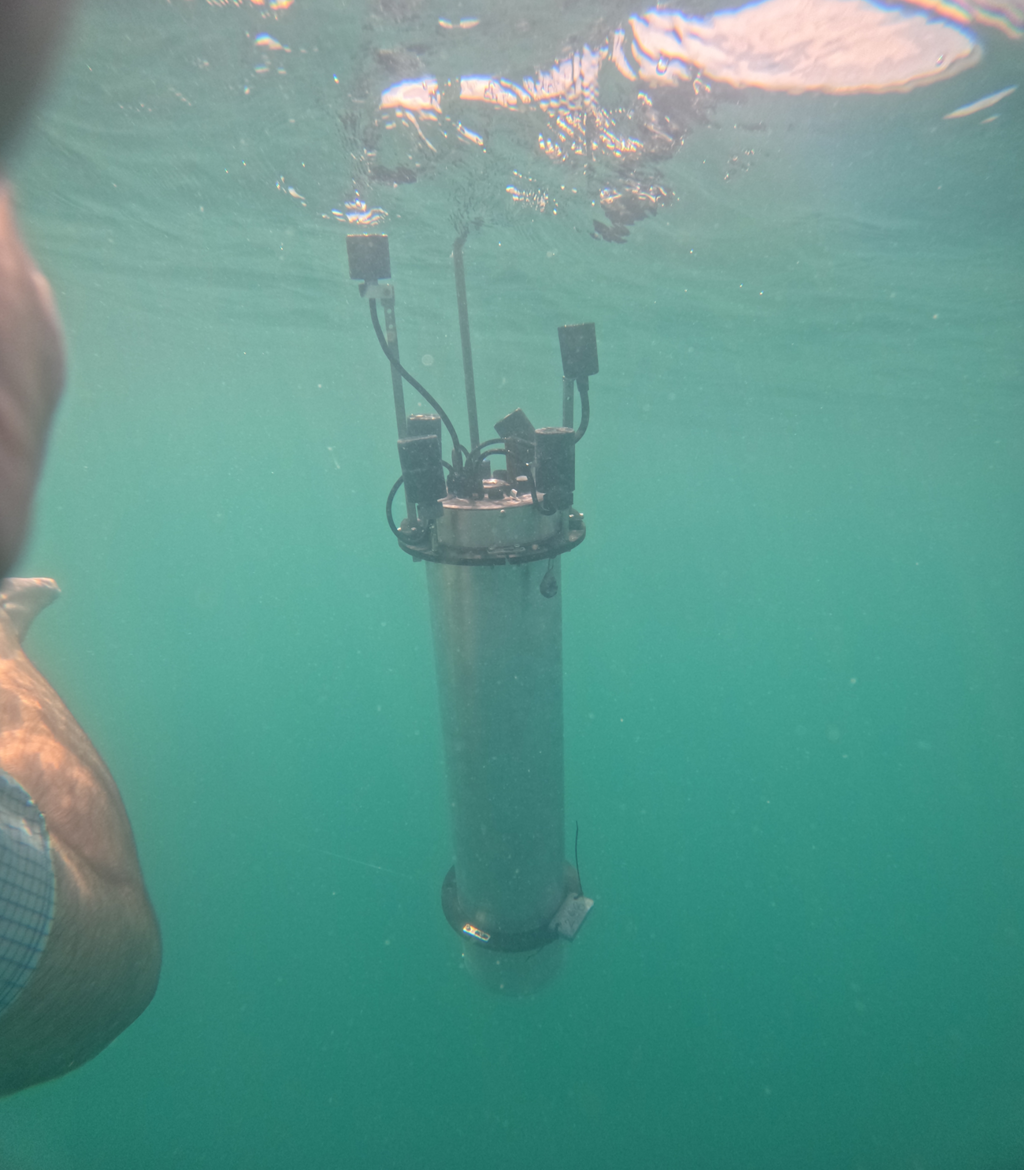
(Photo: Professor Roee Diamant)
Both systems were fully developed at Haifa University’s Underwater Acoustics and Navigation Laboratory and cost less than $2,000 each, allowing for large-scale deployment. Through Carmel Ltd., the university’s commercial arm, two systems have already been sold to the Philippine Coast Guard.
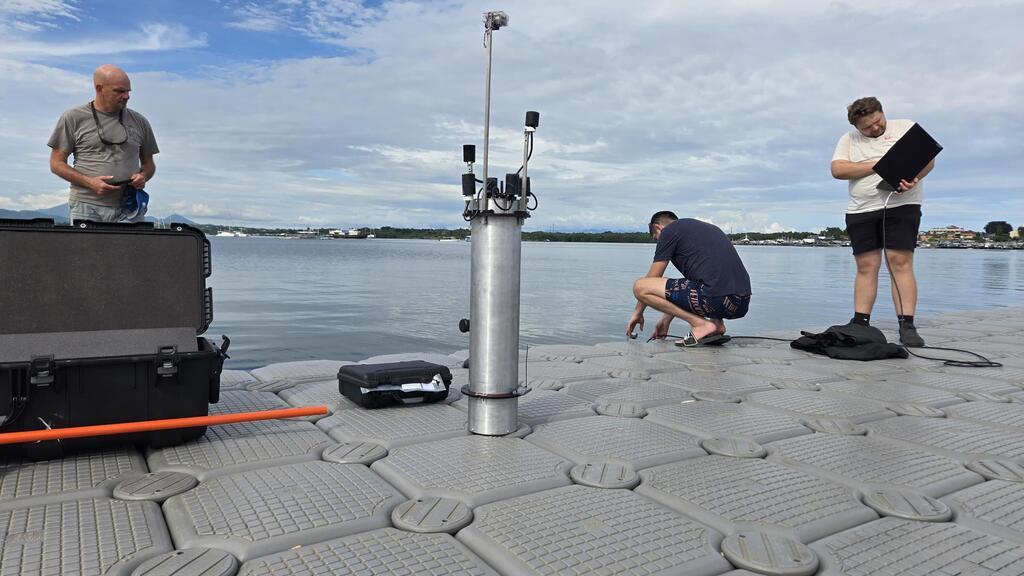
(Photo: Professor Roee Diamant)
“There’s real commercial potential here,” said Prof. Diamant. “In southern Palawan, we carried out controlled experiments and trained enforcement teams. The systems performed perfectly under harsh conditions — and arrests were made.”
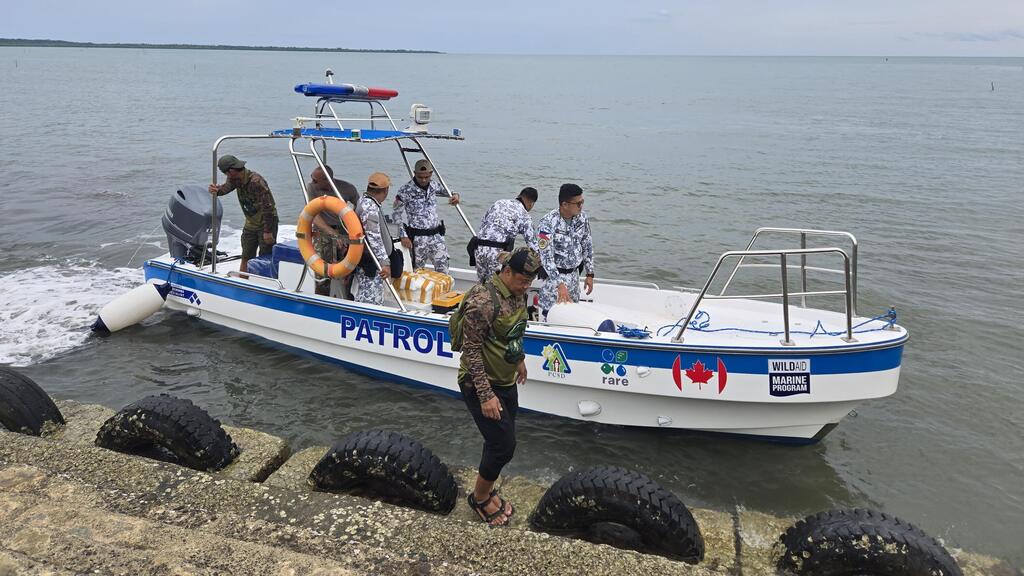
Philippine Coast Guard
(Photo: Professor Roee Diamant)
Following the successful trials, Diamant said the next goal is to expand the technology’s use beyond the Philippines. “The two systems purchased are just the beginning,” he said. “Our next step is to adapt them for use in Central America and other regions facing the same threat.”