

Was the home of Jesus’ apostles uncovered? Archaeological excavations underway since 2016 at the el-Araj site on the northeastern shore of the Sea of Galilee continue to draw attention in the Christian world after new findings strengthened the identification of the site with Bethsaida, the Galilean fishing village mentioned in the New Testament as the hometown of Peter, Andrew and Philip.
EWTN News reported that Prof. Steven Notley, academic director of one of Israel’s most prominent archaeological excavations, visited Washington this month, where he presented findings from the ongoing dig.
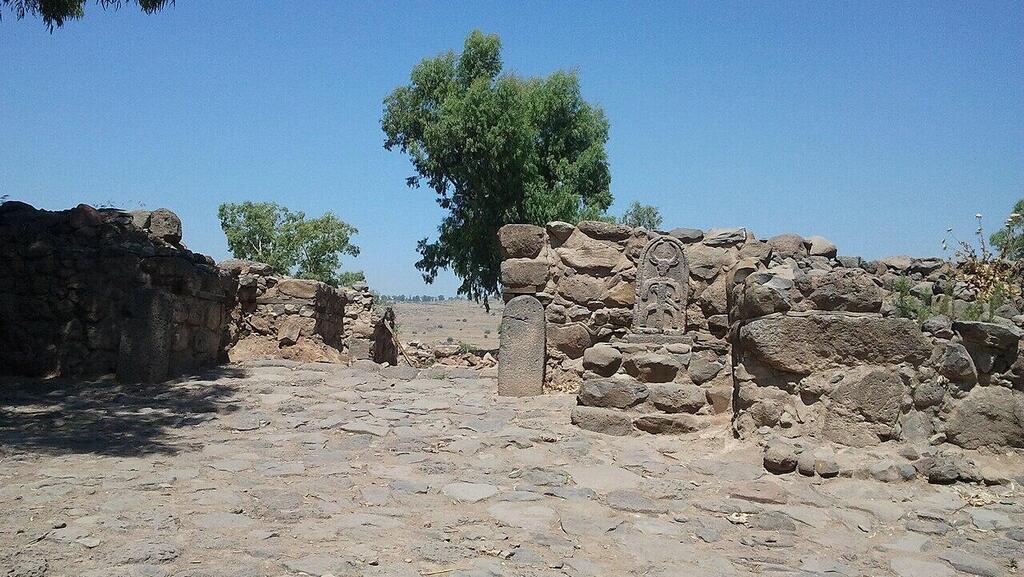
The Gospel of John (1:44) describes the town as the home of St. Peter — the senior among Jesus’ 12 apostles and later regarded as the leading figure of the early Christian community after Jesus’ crucifixion, as well as his younger brother, St. Andrew, and St. Philip, who were also among the 12 apostles.
Because of the miracles attributed to Jesus in the area and its association with several of his apostles, the ruins of the city have become a pilgrimage site for Christian visitors, and reports on the excavations have received widespread international media attention. During Pope John Paul II’s visit to Israel, the pontiff flew by helicopter over the site and met with the excavation team.
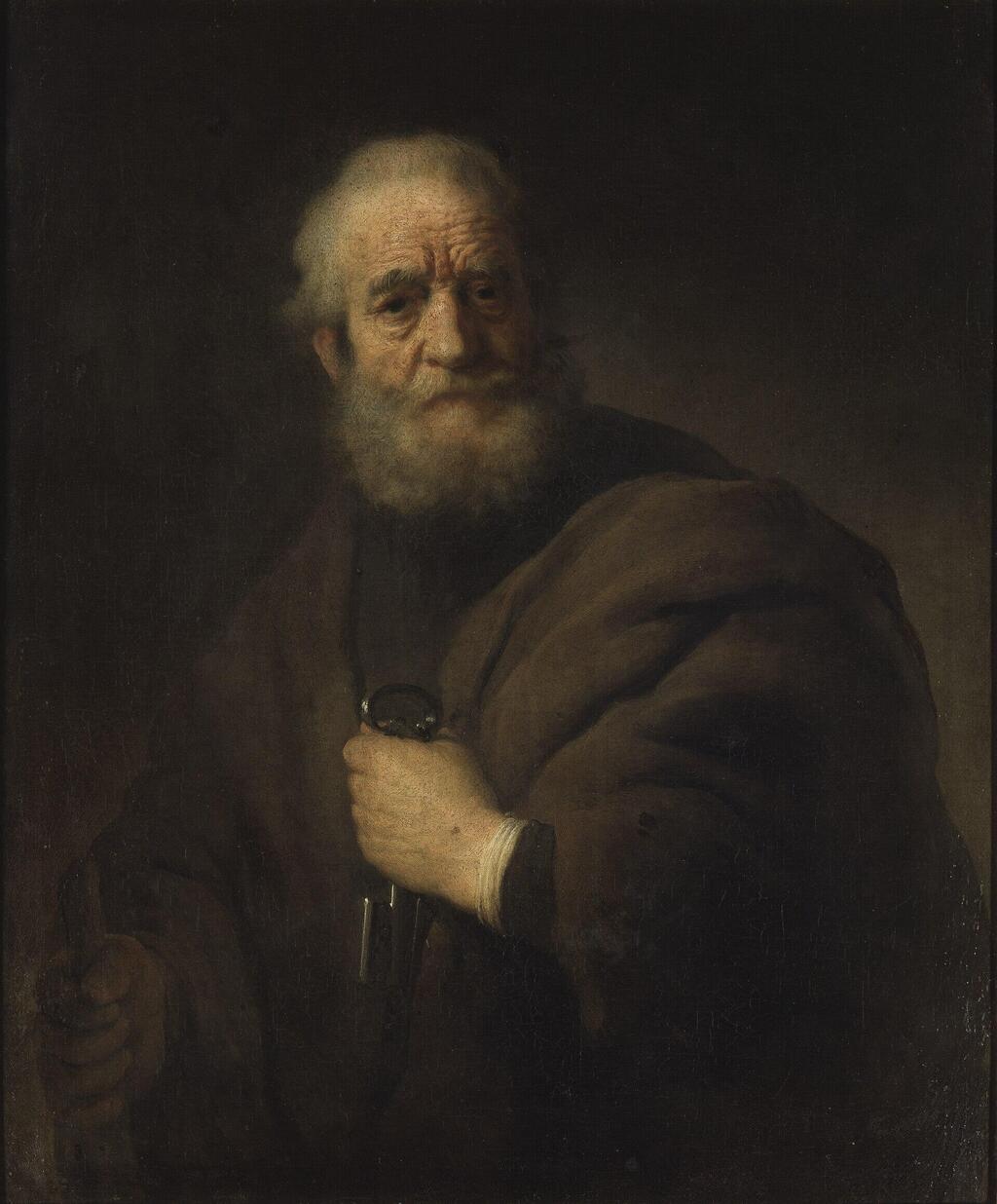
St. Peter
(Credit: Rembrandt/Nationalmuseum/Wikipedia)
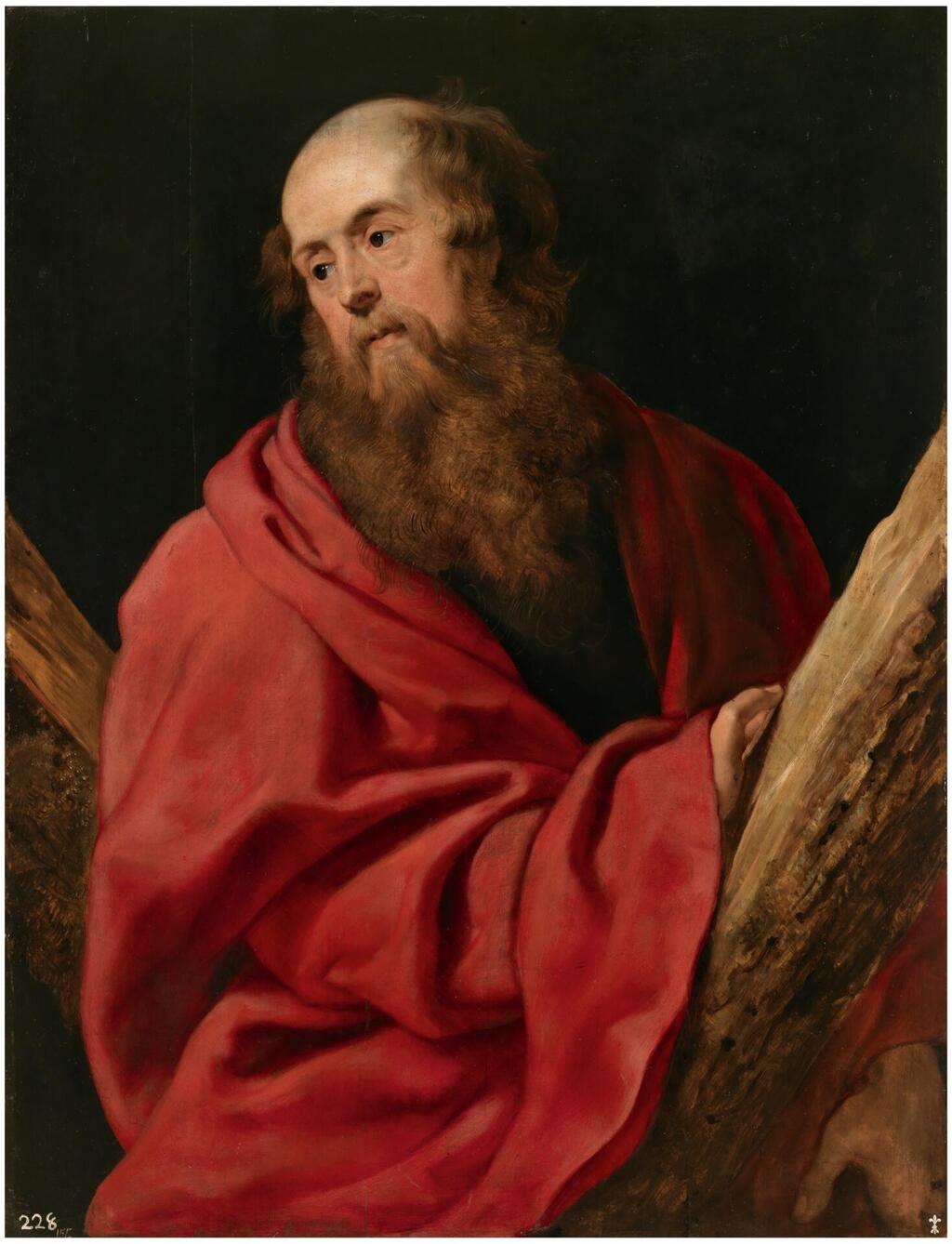
St. Andrew
(Credit: Peter Paul Rubens/ Museo del Prado/Wikipedia)
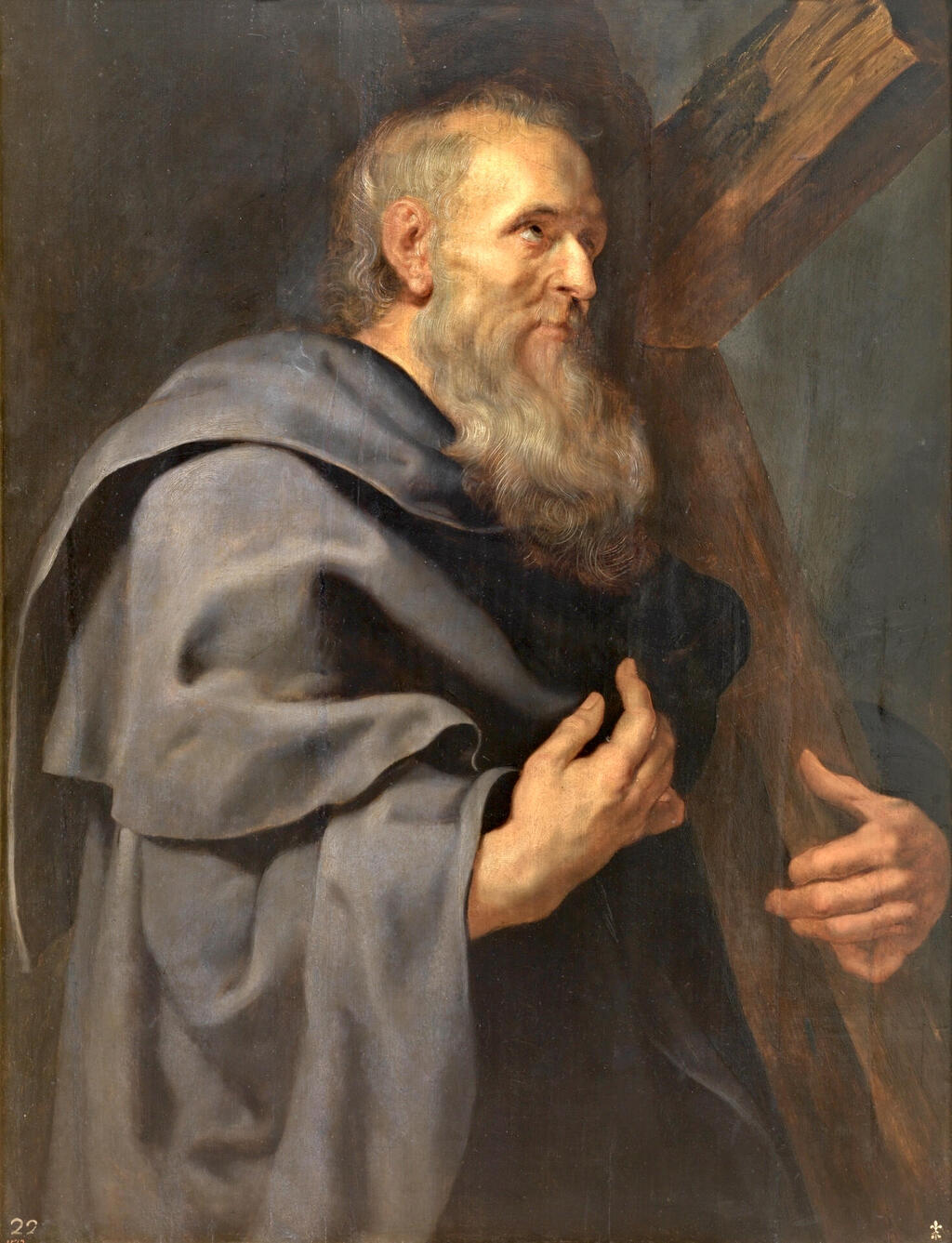
St. Philip
(Credit: Peter Paul Rubens/ Museo del Prado/Wikipedia)
Notley, who also serves as acting director of the Center for the Study of Ancient Judaism and Christian Origins, lived in Jerusalem with his wife and four children for 16 years and has led groups of students and visitors on tours throughout Israel and the Mediterranean region for more than 35 years.
According to Notley, excavations at the site in 2018 uncovered remains of a Byzantine-era basilica, while in 2023 archaeologists discovered a first-century house directly beneath its apse, the semicircular recess typically found at the end of churches and classical buildings.
He said the remains correspond with the historical account of Willibald, an eighth-century bishop from Eichstätt, Bavaria, who traveled to the Holy Land in 725 and wrote about a church in Bethsaida built above the home of Saints Peter and Andrew.
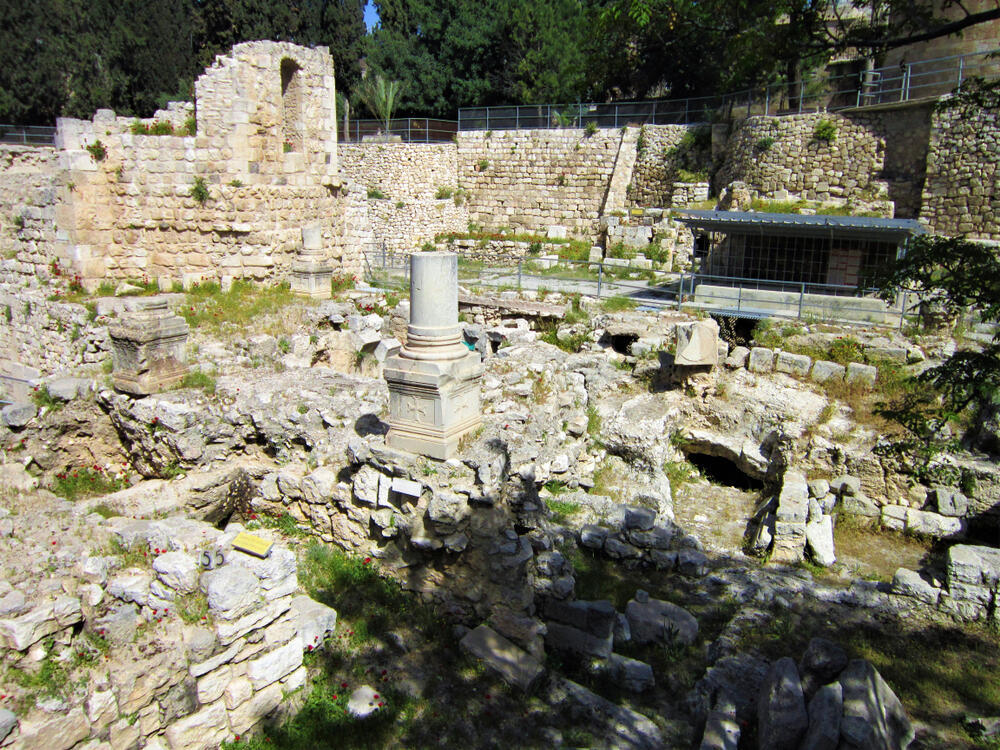
The ruins of the city of Bethsaida
(Photo: Halayan/Shutterstock)
Among the discoveries in the basilica was a mosaic uncovered in 2022 bearing the inscription: “Chief of the Apostles and keeper of the keys of heaven, pray for him and his children George and Theophanos.”
Last year, the site was also damaged by fire, which, according to Notley, enabled the team to uncover evidence of columns and other structures that had previously been obscured by thick vegetation.
Notley told EWTN News that the archaeological team identified a structure beneath the basilica’s apse by uncovering first-century pottery. The team also found first-century fishing weights, metal objects attached to fishing lines to add weight to bait or hooks, allowing them to be cast farther and sink more quickly.
“We found a wall from a first-century structure beneath the apse,” Notley said. “There’s no sign saying, ‘Peter slept here,’ but archaeologically speaking, it’s hard to get better evidence than this.”