


Despite unexploded rockets, drone wreckage and scattered shrapnel, farmers in northern Israel continue working their fields, pushing through damage and danger as fighting along the border persists.
After two and a half years of intermittent war and ceasefires, farmers in the Upper Galilee say they are no longer surprised to find what they describe as “new wild growth” in their orchards and fields, unexploded rockets, interceptor fragments and downed or intercepted drones.
Wheat harvest for silage in the Hula Valley fields
(Video: Faisal Haib, Galilee Development Company)


None of it, they say, has stopped them from cultivating their land.
Harvest under fire
Farmers from the Galilee and Golan Heights, working through the Galilee Development Company, continue harvesting wheat planted across more than 50,000 dunams, even as metal fragments remain scattered across their fields.
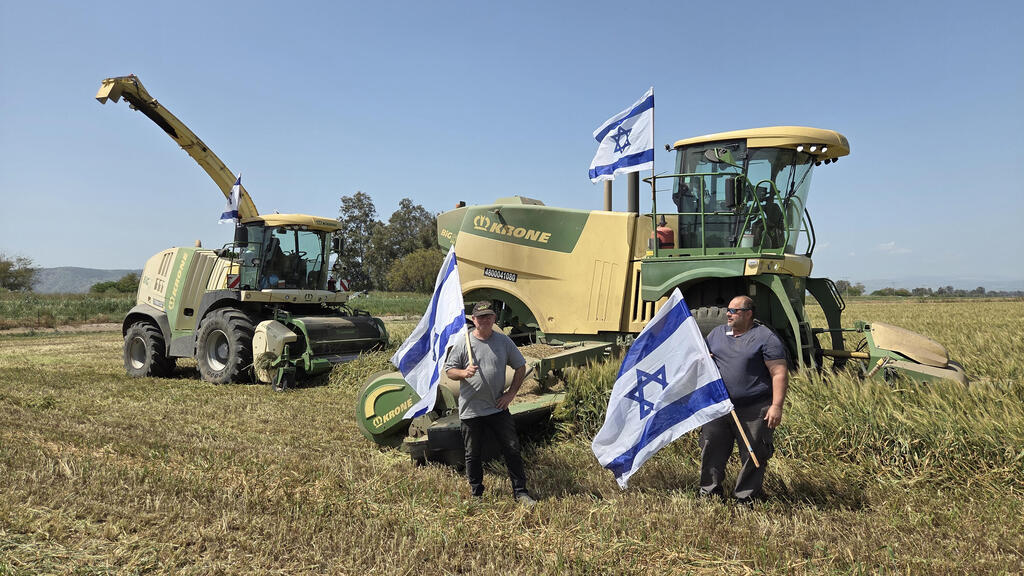
These days, they are completing the wheat harvest for silage in the Hula Valley. As they head out to work, a large Israeli flag is mounted on the combine harvester.
“The flag is a statement against those trying to stop life here,” they say.
Daily risks in open fields
“Almost every day there were interceptions above us and impacts nearby,” said Ofer Gershovitz, CEO of the Galilee Development Company’s agricultural division.
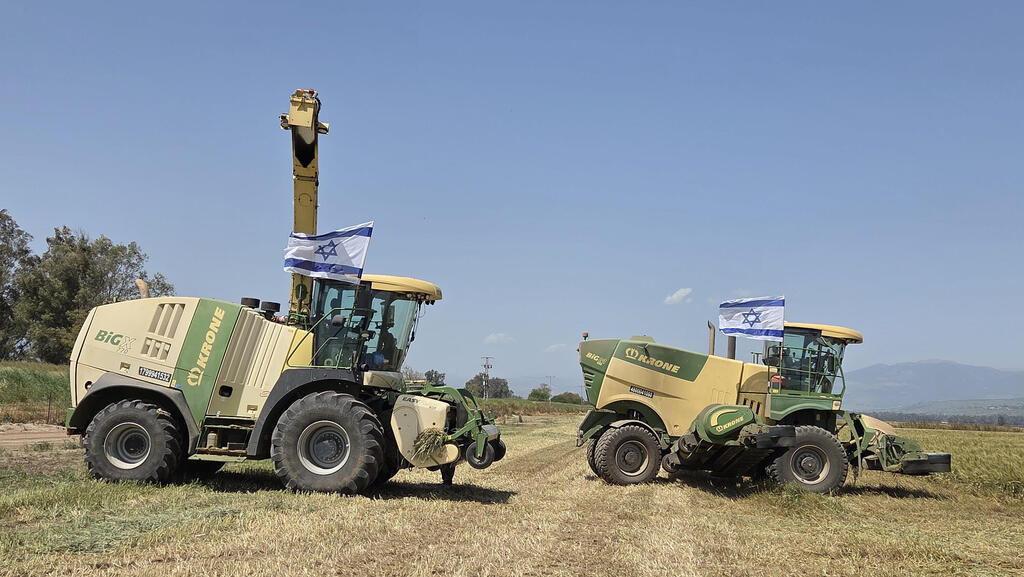
(Photo: Faisal Haib, Galilee Development Company)
He noted that, unlike urban areas, open fields offer no warning systems or interception protection. Still, farmers continued working throughout the fighting, including during Operation Rising Lion and the war against Hezbollah.
Crops and shrapnel
The Hula Valley’s fertile soil supports a range of winter wheat varieties used for silage, hay and grain, including Gadish, Eitam, Yogev, Galil, Regev and Negev.
But alongside the crops, the past two months have brought something else into the soil, fragments of Grad rockets, Katyushas and mortar shells.
“These non-agricultural ‘crops’ sometimes cause real damage,” Gershovitz said. “Missile fragments and drone debris get stuck in the harvesting machines and have already caused tens of thousands of shekels in damage.”
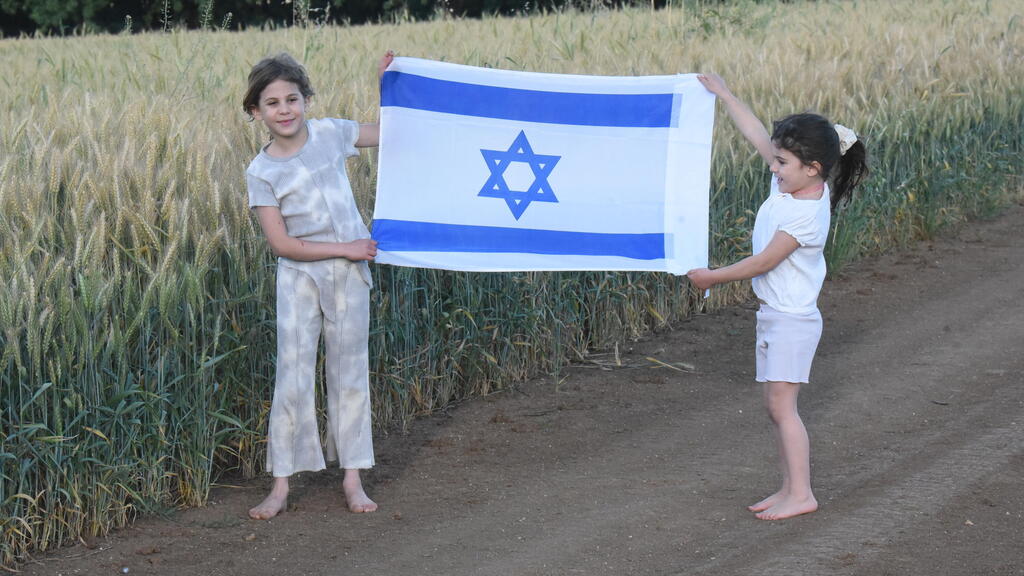
Yarden and Aviv Gadish
(Photo: Avihu Shapira)
More than a livelihood
Farmers say their determination goes beyond economic necessity.
“We understand the importance of maintaining a continuous supply of fresh, local agricultural produce,” officials at the Galilee Development Company said.
They pointed to broader regional threats, including the possibility of disruptions to maritime routes such as the Strait of Hormuz and the Bab el-Mandeb, as factors underscoring the need to strengthen Israeli agriculture and reduce reliance on imports.
For farmers in the north, continuing to work the land has become both a practical necessity and a statement of resilience.