



As missiles rained down on Israeli cities in the recent Iranian attack, the IDF’s Home Front Command rescue units found themselves carrying out missions they never imagined—pulling people and animals from the rubble of apartment buildings in scenes reminiscent of natural disasters or war zones abroad.
Since the strikes, Home Front Command troops have rescued hundreds of people trapped in damaged buildings across the country. The survivors also include family pets.
Cat being rescued from building hit by Iranian missile


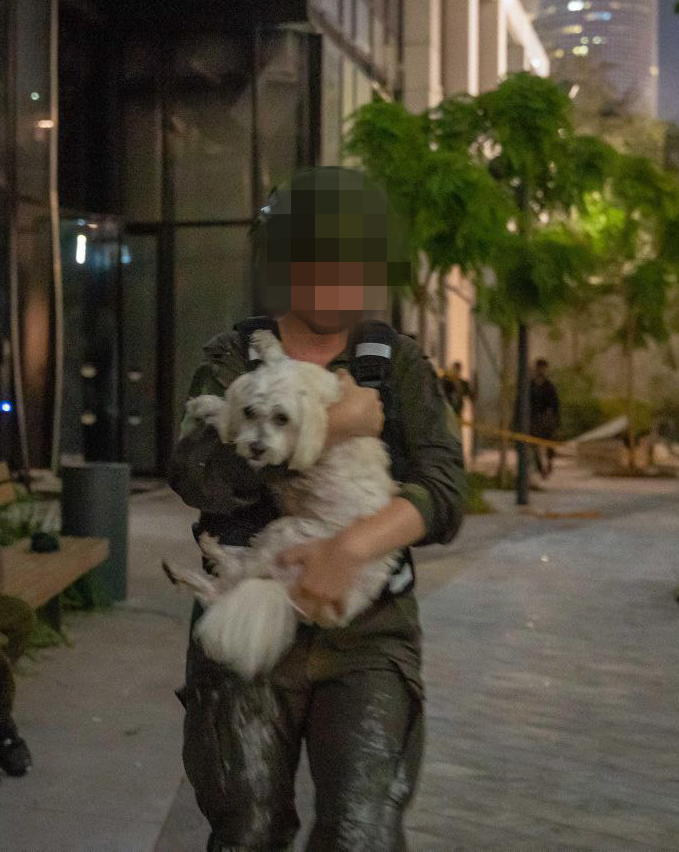
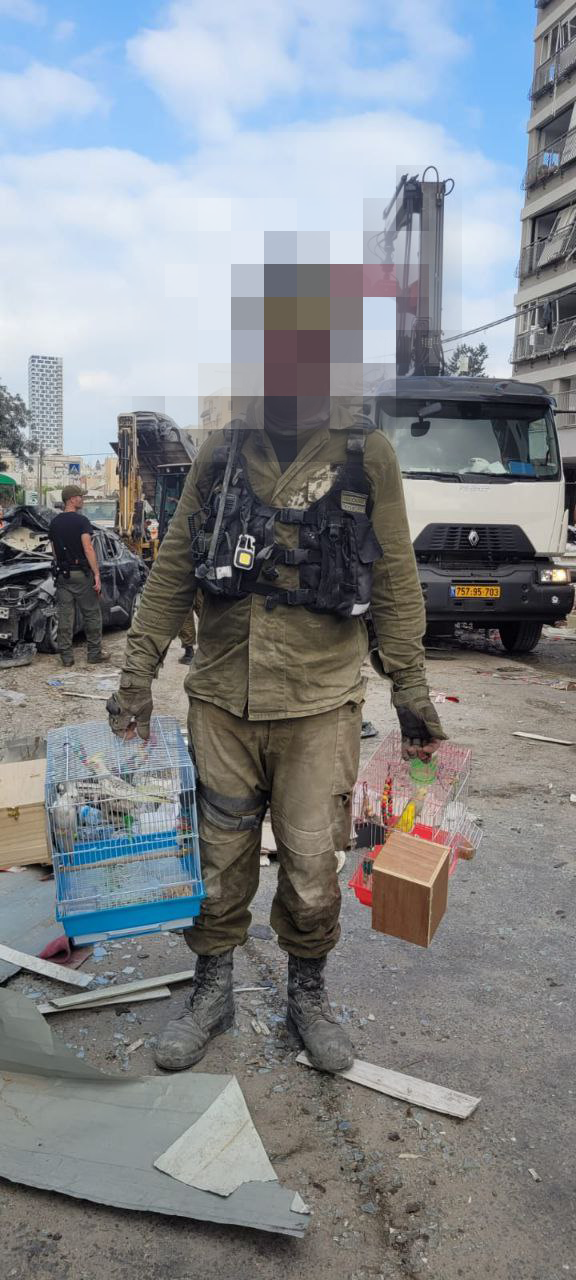
In one case, Captain B., an officer in the Home Front Command’s Southern District, rescued a pet rabbit from a damaged home in central Israel and returned it to its owner, a 9-year-old girl named Ruth. In another, company medic A. helped evacuate several dogs and a cat from a building hit in Tel Aviv.
“I left home late Thursday and was on alert,” he recounted. “At 3 a.m., I rushed back to the staging area. The whole battalion had assembled. We were sitting down for a Friday dinner when the sirens started. Within a minute, we were in the ambulance heading to the impact site.”
“We didn’t expect to see this kind of destruction here. We immediately entered the building with a civilian engineer to identify where victims might be trapped. A burst pipe had flooded part of the structure. We rushed upstairs to help people evacuate.”
Get the Ynetnews app on your smartphone: Google Play: https://bit.ly/4eJ37pE | Apple App Store: https://bit.ly/3ZL7iNv
“One woman asked me to rescue her dog. I handed my weapon to a teammate and carried the dog down myself. Later, we found a small, terrified white dog. We had to coax it out with treats. In the end, we helped evacuate about 30 people. One tenant had to be physically carried out. We climbed dozens of floors. It was the most powerful experience of my life—saving lives.”
A., deputy company commander in the Keren search-and-rescue battalion, also rescued a small dog in Tel Aviv. “On Thursday, we detached from our usual sector and deployed to Tel Aviv. At 9 p.m., we were dispatched to a hit on a residential building,” she said. “As we were clearing apartments, we noticed people outside waiting—not just for loved ones, but for their pets.”

Captain B with a rescued rabbit. The animal was returned to its owner, a 9-year-old girl named Ruth.
“Every unit that entered a home made sure to get out any animals. I rescued a dog from the 42nd floor. Not every soldier gets that kind of experience. I have three dogs at home, so I understand what it means to reunite someone with their pet. It’s like giving them their breath back.”
When animals are trapped under debris, every minute counts. “One of the leading causes of death in collapses is suffocation from dust and debris,” explained Dr. Hilik Marom of the Israeli Veterinary Association for Companion Animals. “The most important thing is to check if the animal is breathing, gently remove dust and carefully open its mouth. That can be the difference between life and death.”
Rescue coordination is made easier thanks to Israel’s national pet ID system. Animal microchip data is linked to civilian identity systems, allowing Home Front Command’s population intelligence officers to identify both residents and their registered pets in affected areas.
The more information available—such as contact details for the owner and their veterinarian—the faster and more effectively responders can locate and treat animals in distress.
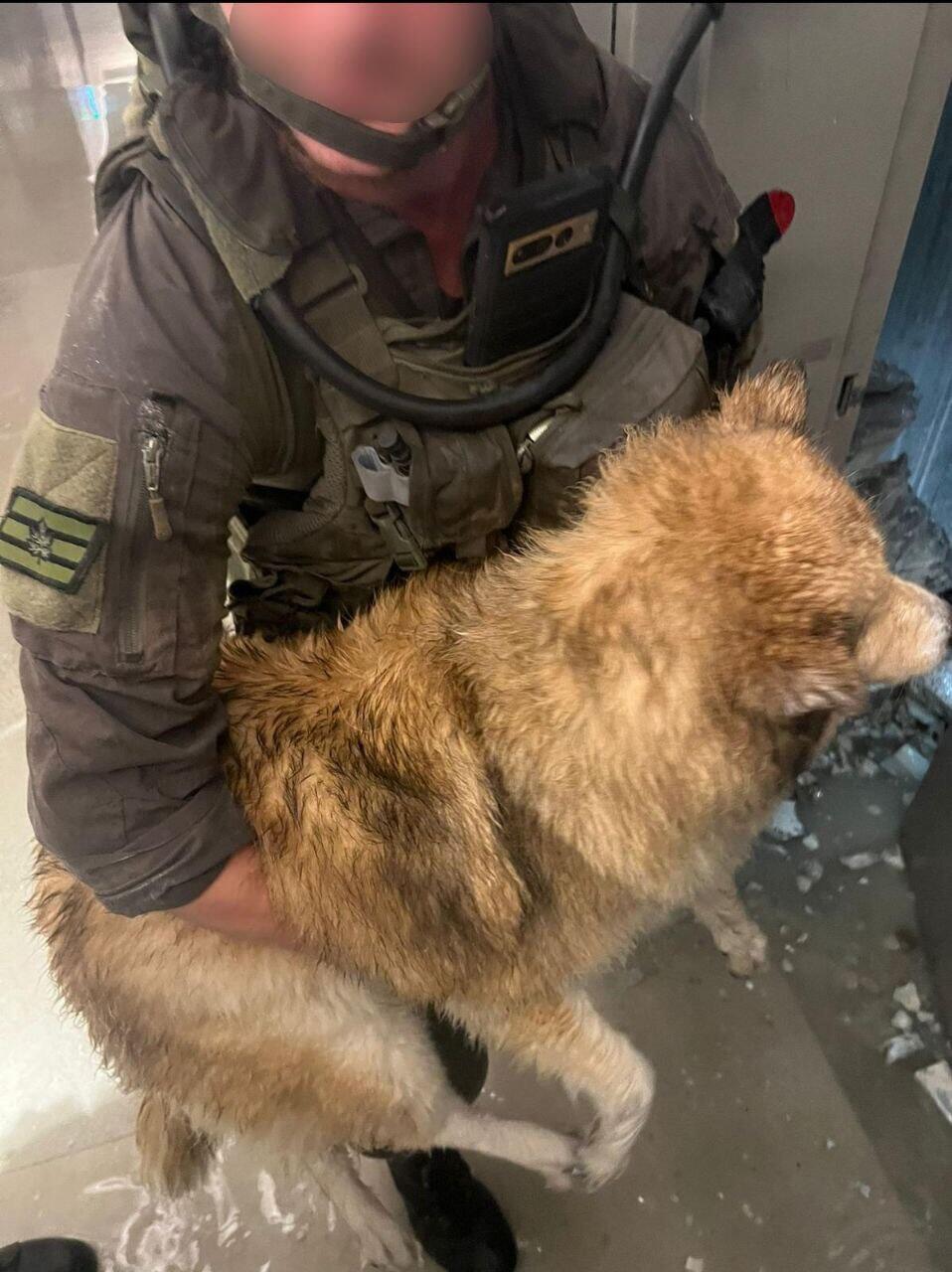
Dr. Anat Lichter Feld of the Israel Veterinary Medical Association stressed the importance of fast identification: “It helps us know if the animal has allergies or pre-existing conditions that might affect treatment immediately. That knowledge can be life-saving.”
She stressed that collars and microchips are critical tools in post-rescue care, enabling quick reunion with owners, effective medical treatment—and ultimately saving lives.