

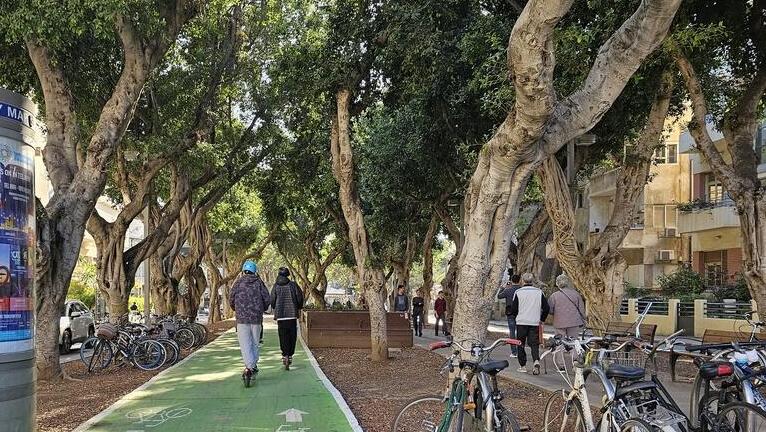
Cities are consistently warmer than their surrounding rural areas, a phenomenon known as the urban heat island effect. Asphalt, vehicles, industrial buildings and air conditioners trap heat, pushing temperatures in Israel’s major cities 3 to 9 degrees Celsius higher than nearby areas.
In recent decades, urban green spaces have shifted from a slogan to a planning priority. Planners, scientists and environmental experts are searching for new ways to bring nature back into city centers to reduce heat, address climate change and improve public health. A new Israeli study proposes an unexpected solution: planting dense, highly focused micro-forests in the heart of cities.
The inspiration comes from Japan, where botanist Akira Miyawaki developed an intensive afforestation technique now known as the Miyawaki Method. Originally designed to rapidly restore ecosystems after natural disasters, the approach has proven effective in accelerating forest growth and boosting biodiversity.
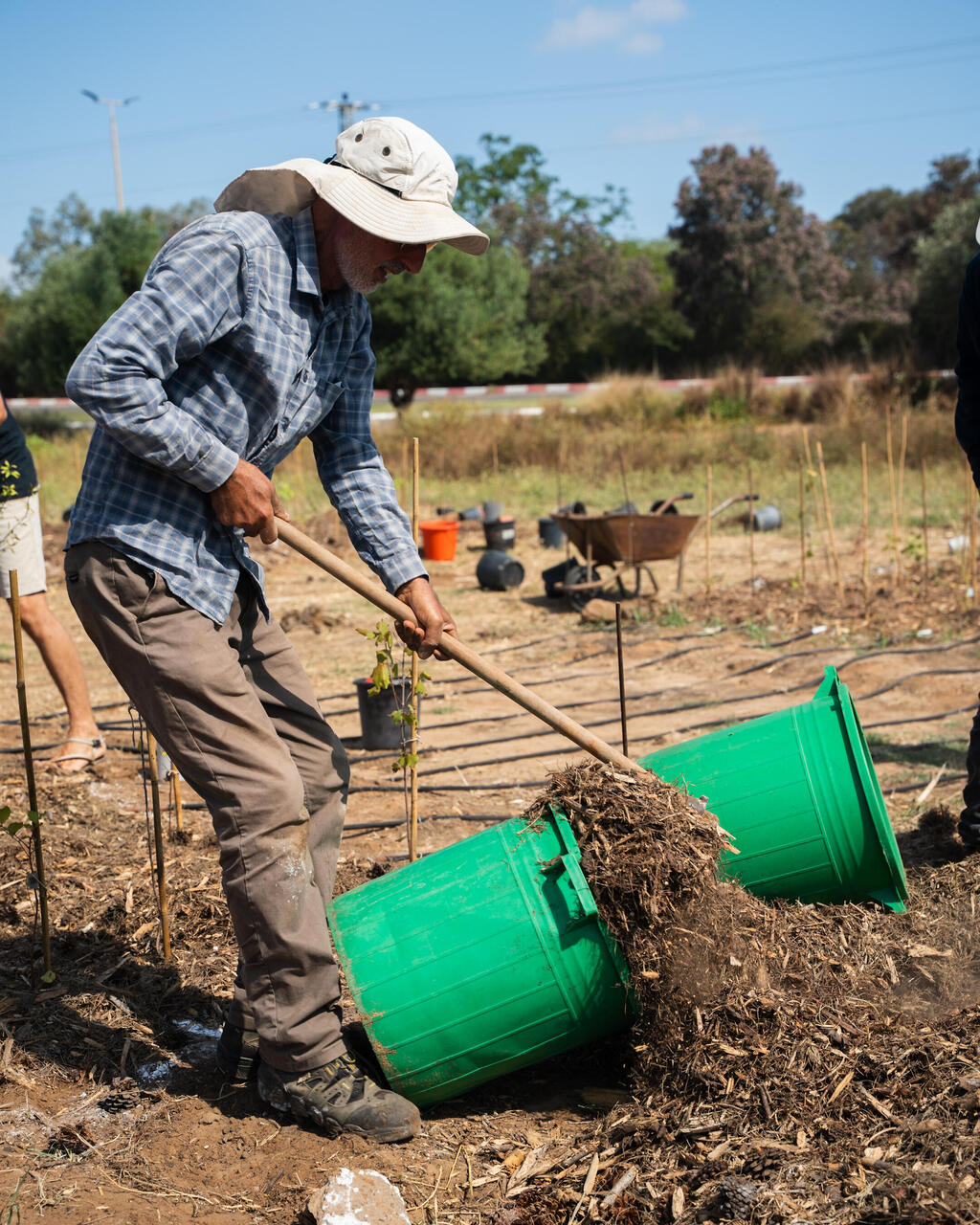
In Israel, researchers adapted the method to local conditions, proposing micro-forests of about 20 square meters, roughly the size of two small parking spaces. The study, led by Dr. Yakir Freisler and graduate student Shira Zohar of the Volcani Institute, in collaboration with Tel Aviv University and the Jewish National Fund, tested plots planted with varying tree densities.
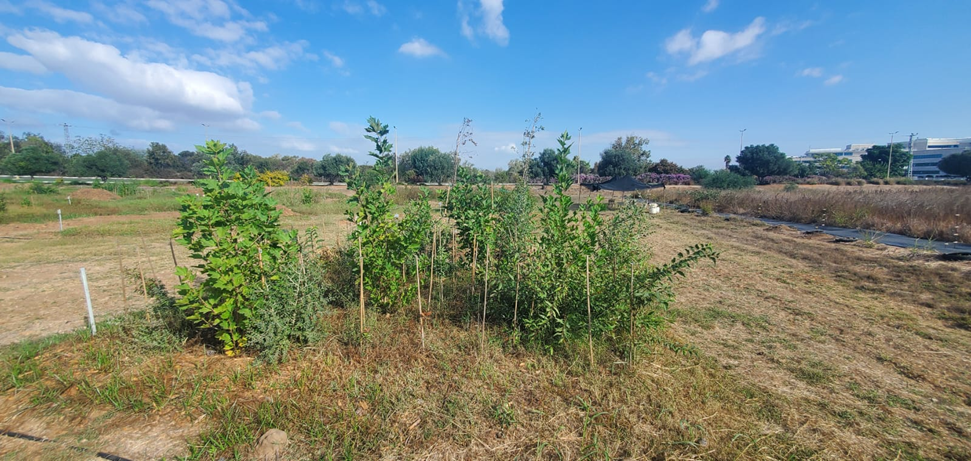
Trees planted in an area the size of two parking spaces as part of the experiment
(Photo: Yakir Frizler)
(Photo: Harel Etzion)
The findings suggest that higher density creates a protective microclimate, reduces solar radiation stress, preserves soil moisture and accelerates growth. These micro-forests act as natural air conditioners, cooling nearby streets through shade and water evaporation.
Beyond cooling, the forests help manage flooding. Organic-rich soil and dense vegetation absorb large volumes of rainwater, aligning with the “sponge city” approach adopted worldwide. In test plots, treated areas showed no standing water, unlike untreated sections nearby.
While the research is ongoing, interest is growing. Cities, including Beersheba and Ramat Gan, have already approached the researchers. If implemented wisely, micro-forests could become a powerful urban planning tool in space-starved cities, delivering real environmental and climate benefits on a very small footprint.