


Veteran Israeli wildlife photographer Amos Nachoum waited 10 days in the Arctic in harsh weather conditions for the chance to photograph rare Arctic wolves on a hunt. Earlier this month, on his 76th birthday, the wait finally paid off.
“We had been in the field since April 24, but until May 4 we didn’t see the wolves. They are hard to find,” Nachoum said. “The night and morning of May 4 were the first time we encountered them, on my birthday. We heard them howling, as if they were singing happy birthday to me. One howled, then another, and then more joined in.”
(Photo: Amos Nachoum)
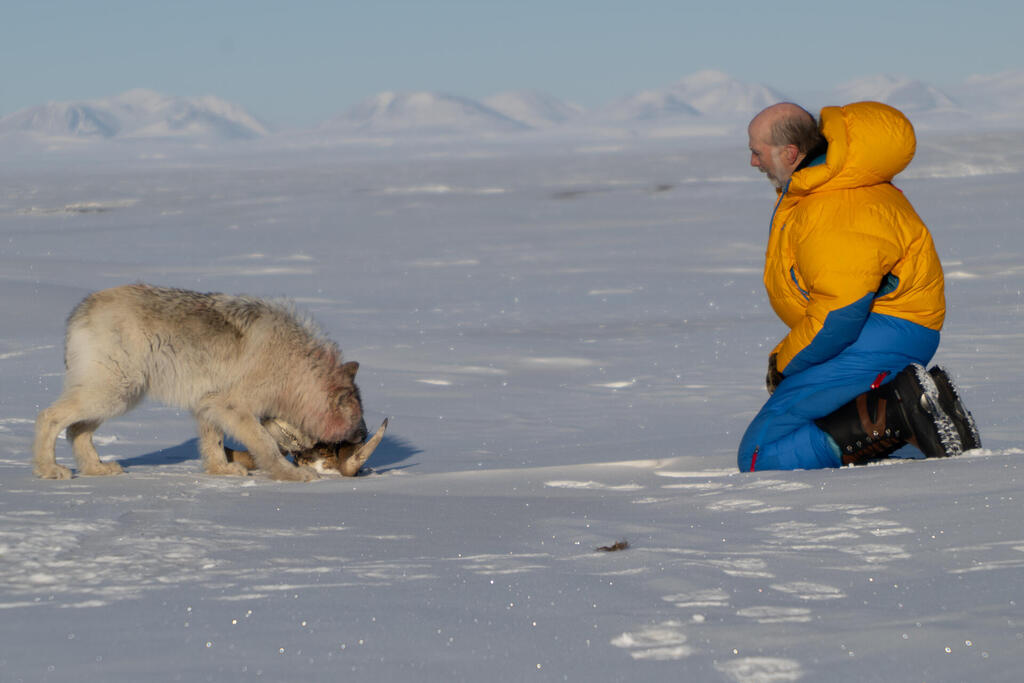
Amos Nachoum
(Photo: Amos Nachoum)
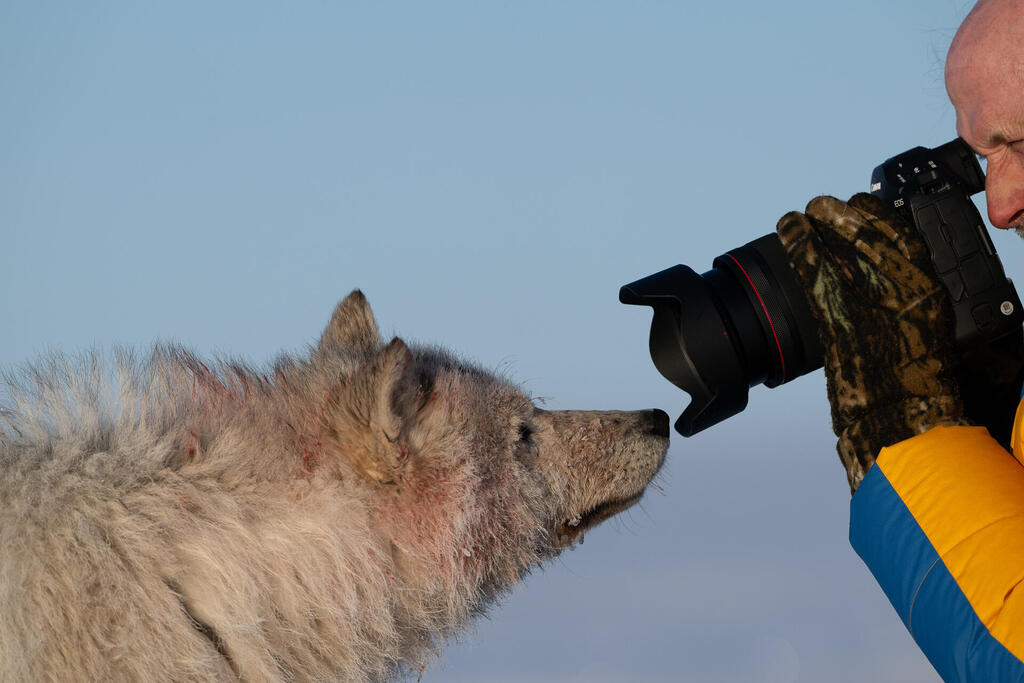
Amos Nachoum and an Arctic wolf
(Photo: Amos Nachoum)
Nachoum’s photographs and articles have appeared in some of the world’s leading magazines, including National Geographic, TIME, LIFE, The New York Times, Condé Nast Traveler and others. Last September, Ynet published a story about him after he photographed a rare black leopard.
Nachoum has also won prestigious international awards, including two first-place prizes in the animal behavior category of the Wildlife Photographer of the Year competition.
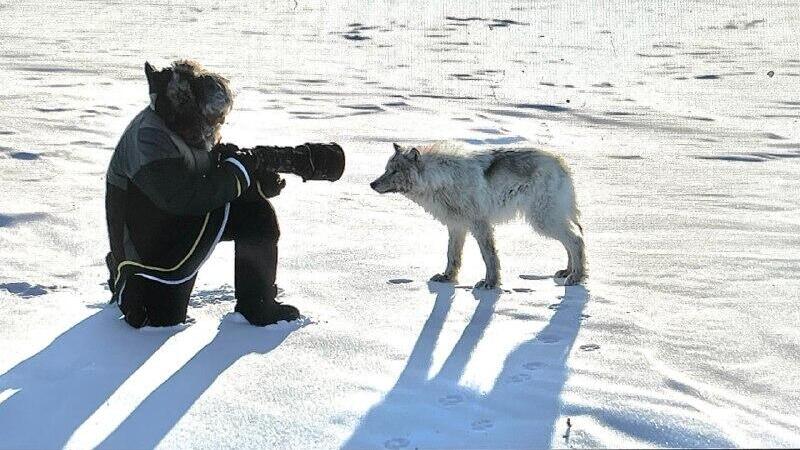
Amos Nachoum encounters an Arctic wolf on Ellesmere Island
(Photo: Amos Nachoum)
(Photo: Amos Nachoum)
(Photo: Amos Nachoum)
(Photo: Amos Nachoum)
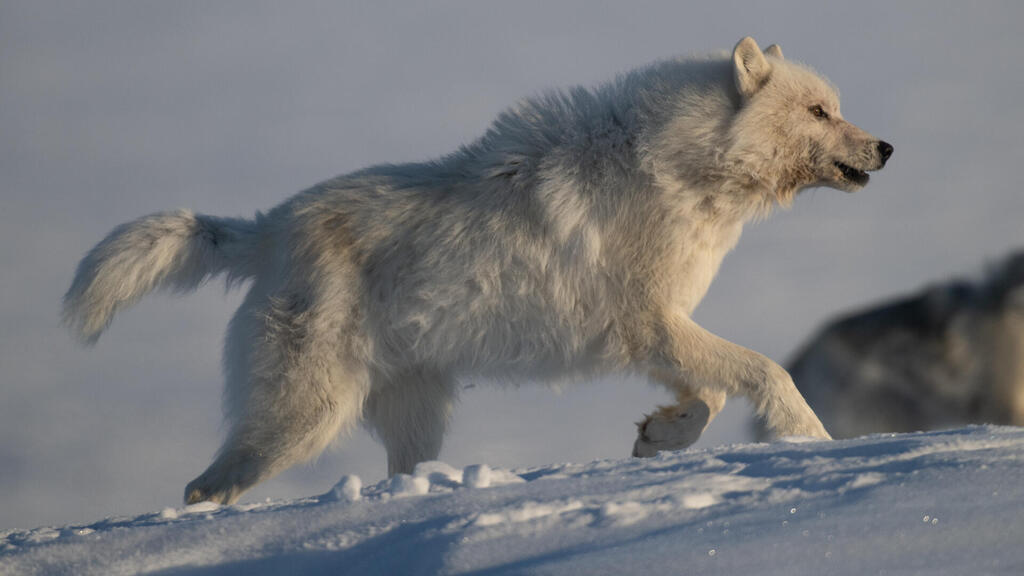
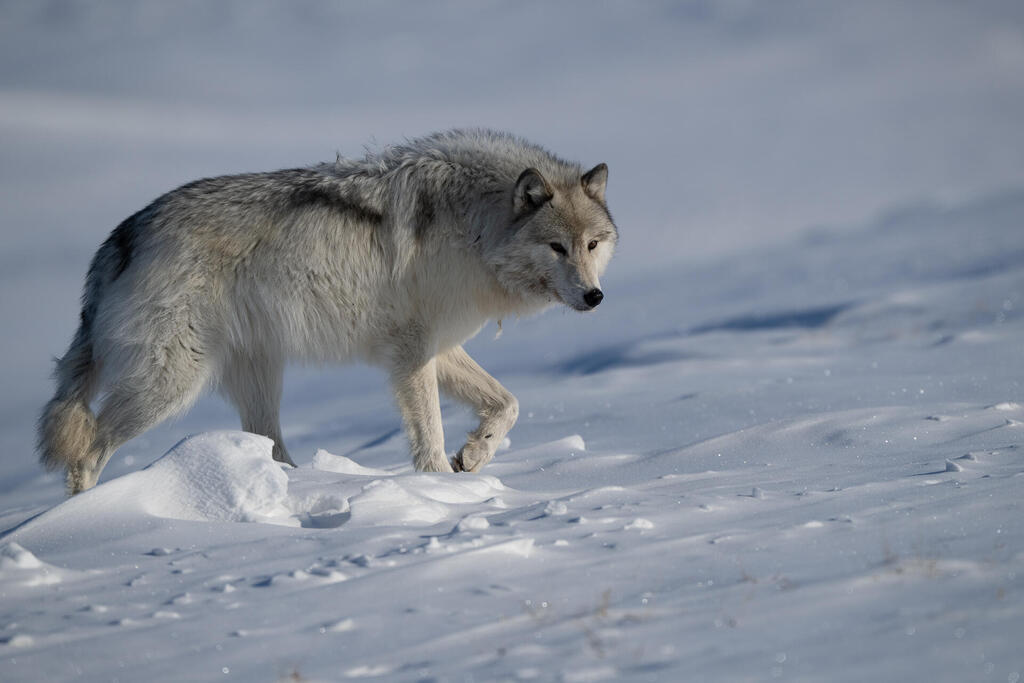
About 200 Arctic wolves live on Ellesmere Island, the largest of Canada’s Queen Elizabeth Islands and the third-largest island in the country. The island is covered in snow and glaciers.
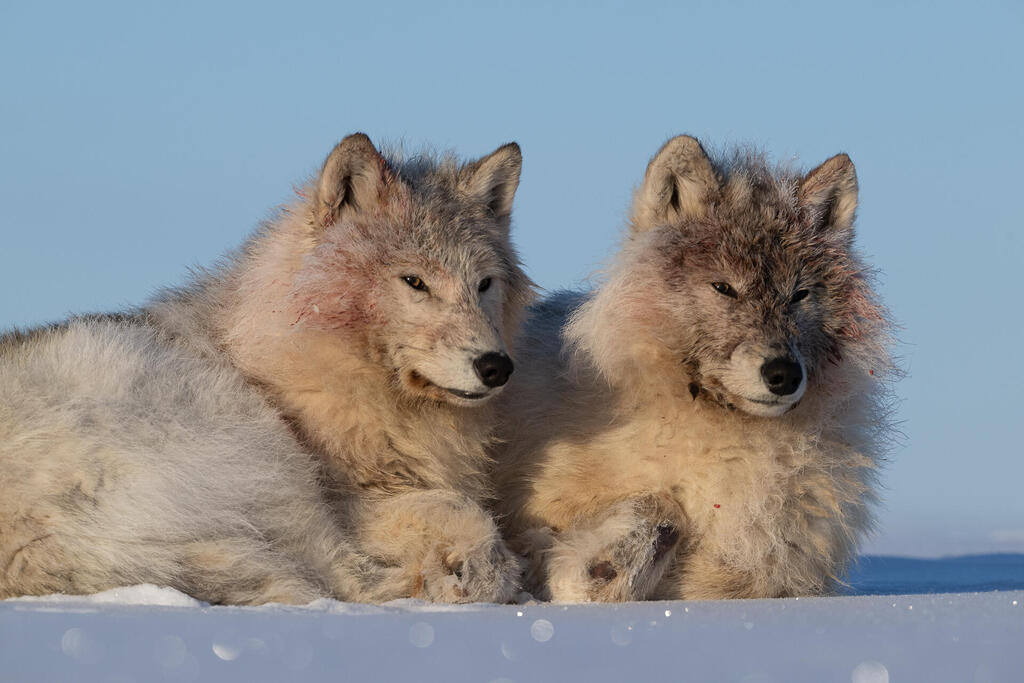
“We went out with members of the Inuit community in search of the wolves, about 800 kilometers from their town, to an area called Eureka, where there is a meteorological station,” Nachoum said. “We slept in tents, and every night we went out looking for the wolves. We encountered a pack of seven wolves.”
(Video: Amos Nachoum)


(Photo: Amos Nachoum)
(Photo: Amos Nachoum)
(Photo: Amos Nachoum)
(Photo: Amos Nachoum)
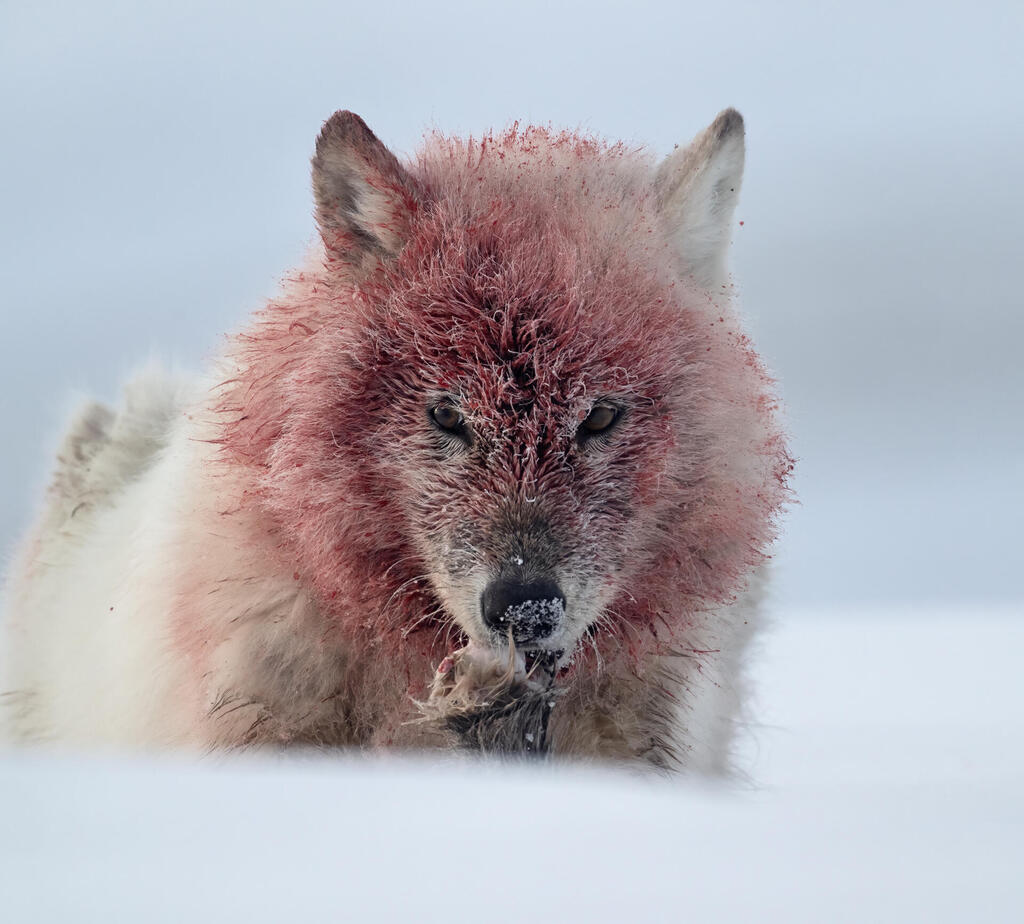
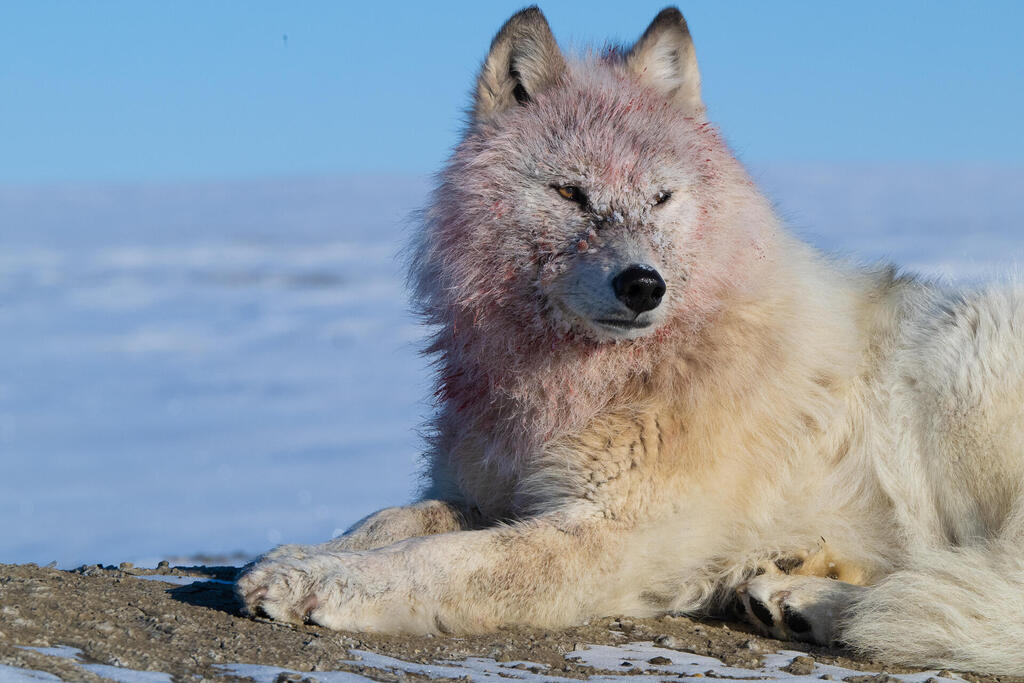
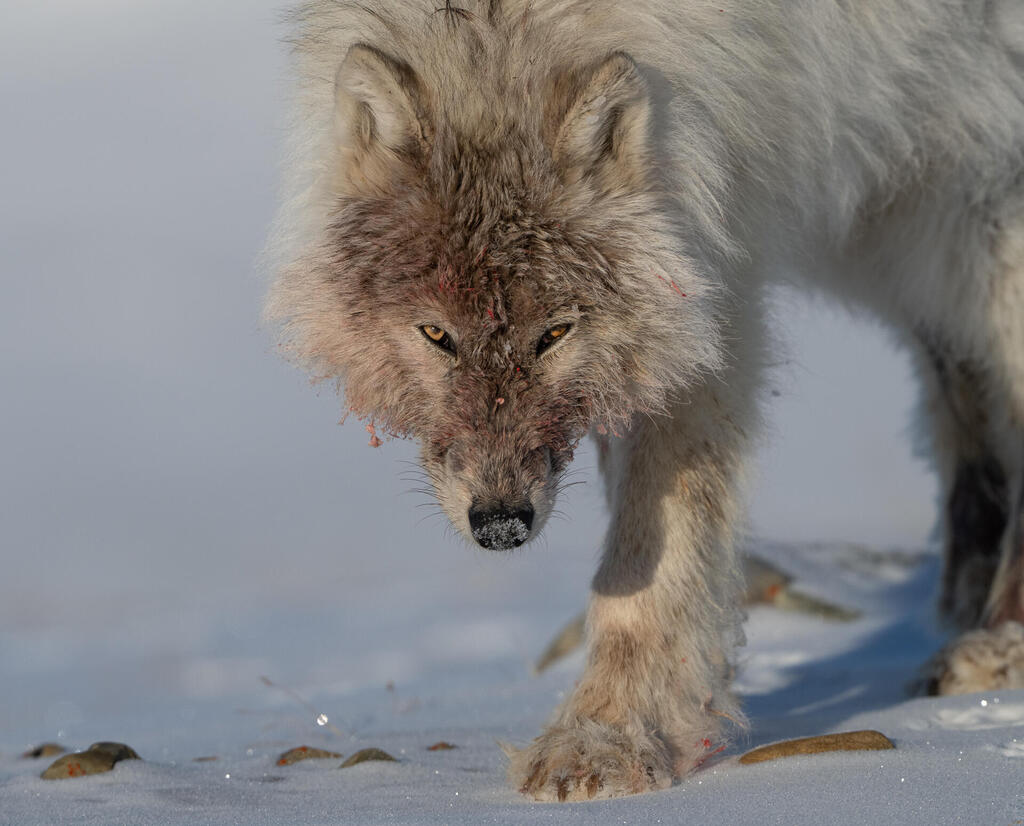
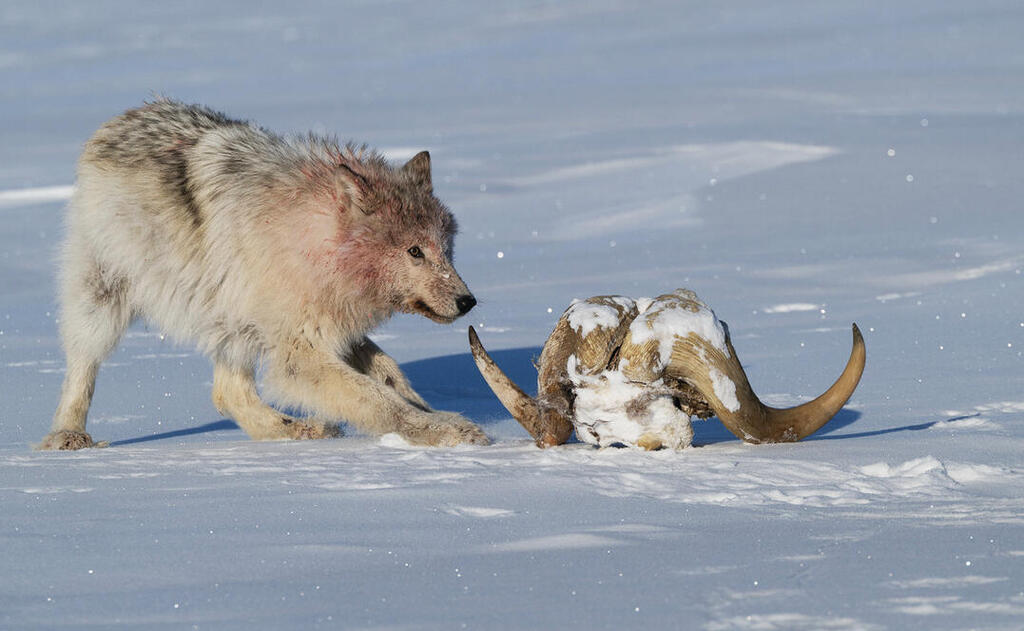
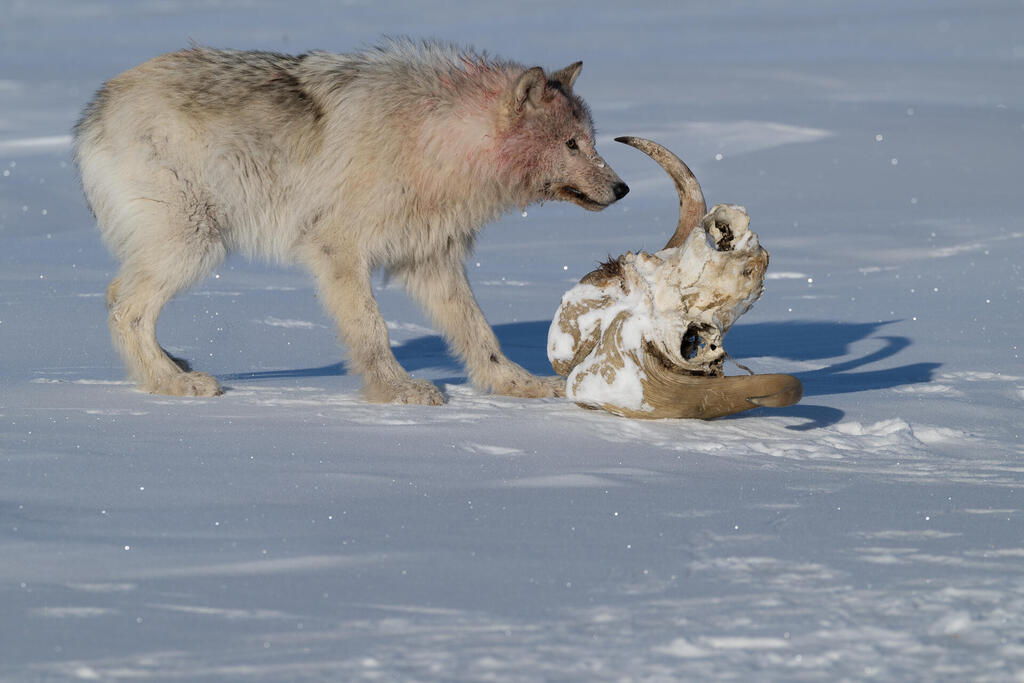
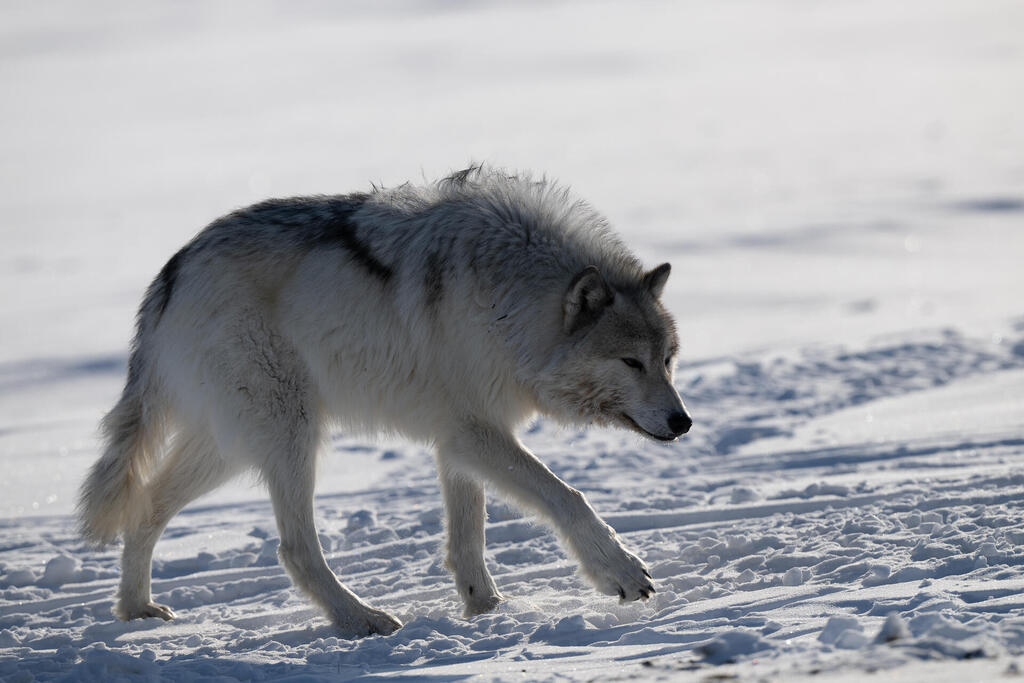
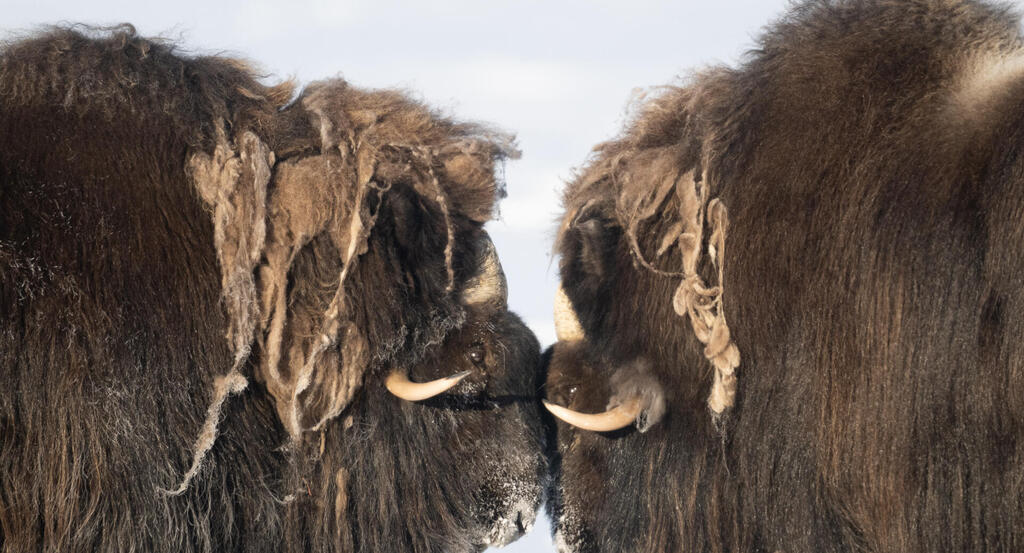
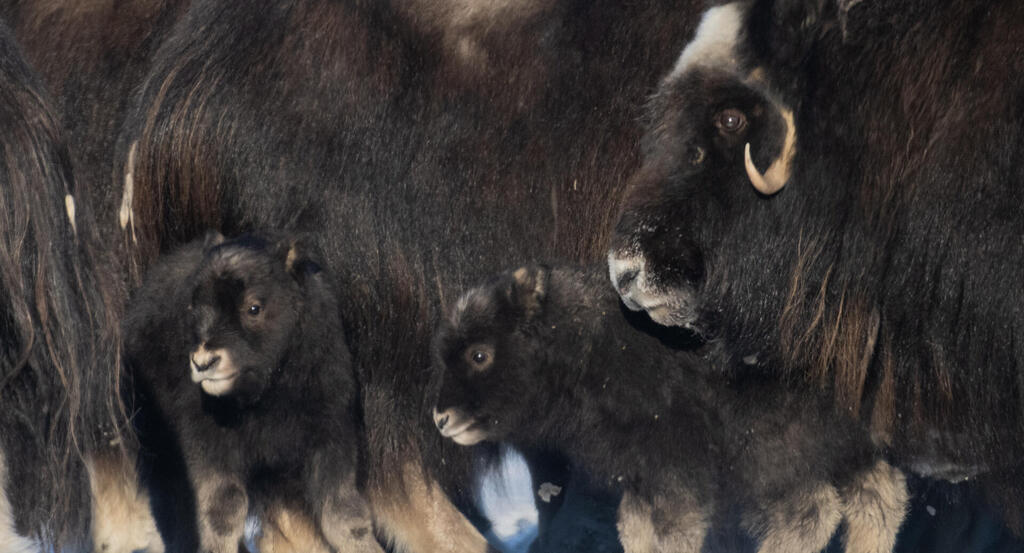
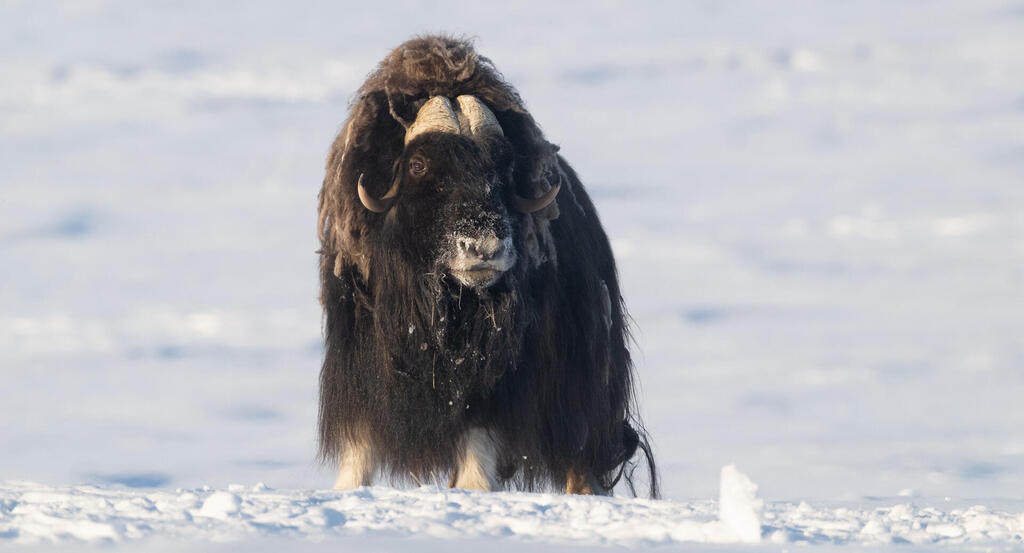
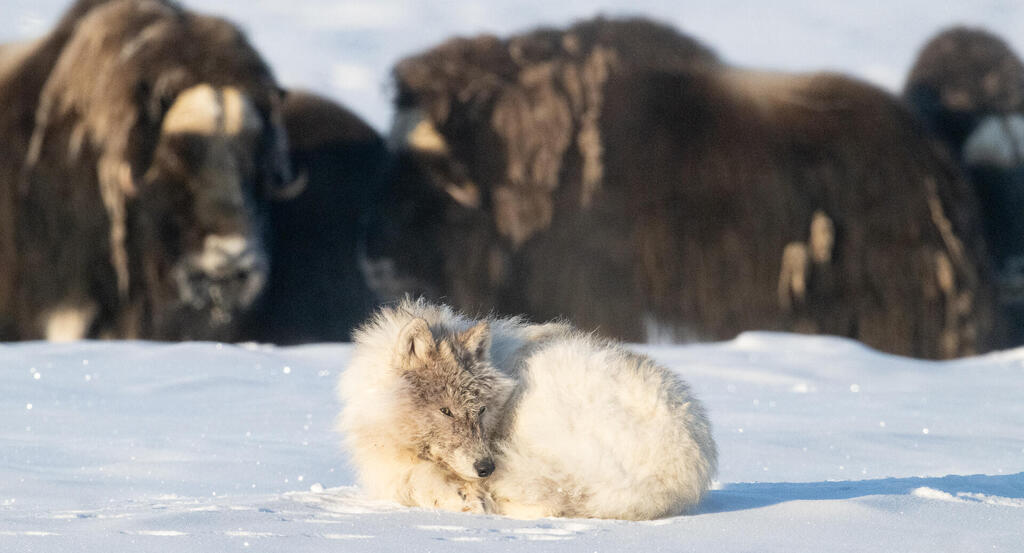
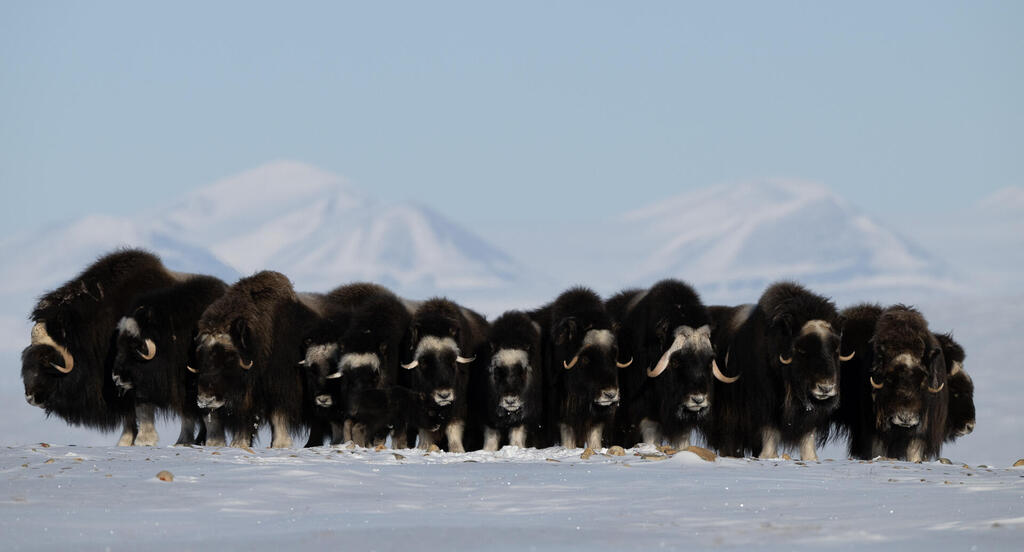
Nachoum documented the pack hunting a musk ox, a large hoofed animal that can weigh up to 600 kilograms. The wolves cannot hunt adult musk oxen because of their size, so they isolate younger animals and attack them.
“They are enormous,” he said of the musk oxen. “We saw how the pack we encountered hunted, how they behaved, waited for the right moment to attack and isolated the young animal. We waited for hours until they felt it was the right moment. Then the leader, the alpha, went into action and the entire pack followed. Their strategy is to split the prey. The adult musk oxen tried to protect their young and at times even chased the wolves, but the wolves are faster. It was fascinating to watch.”
Nachoum specializes in photographing large animals, often endangered species or animals that remain little known to the broader public.
“I work specifically with large animals that are endangered or that very few people know about,” he said. “I bring public awareness to how they are being harmed by what we are doing now. I look for the most dangerous and interesting animals in the world, underwater or above water, in the Arctic or Antarctic, in the Ethiopian desert or the forests of Africa.”
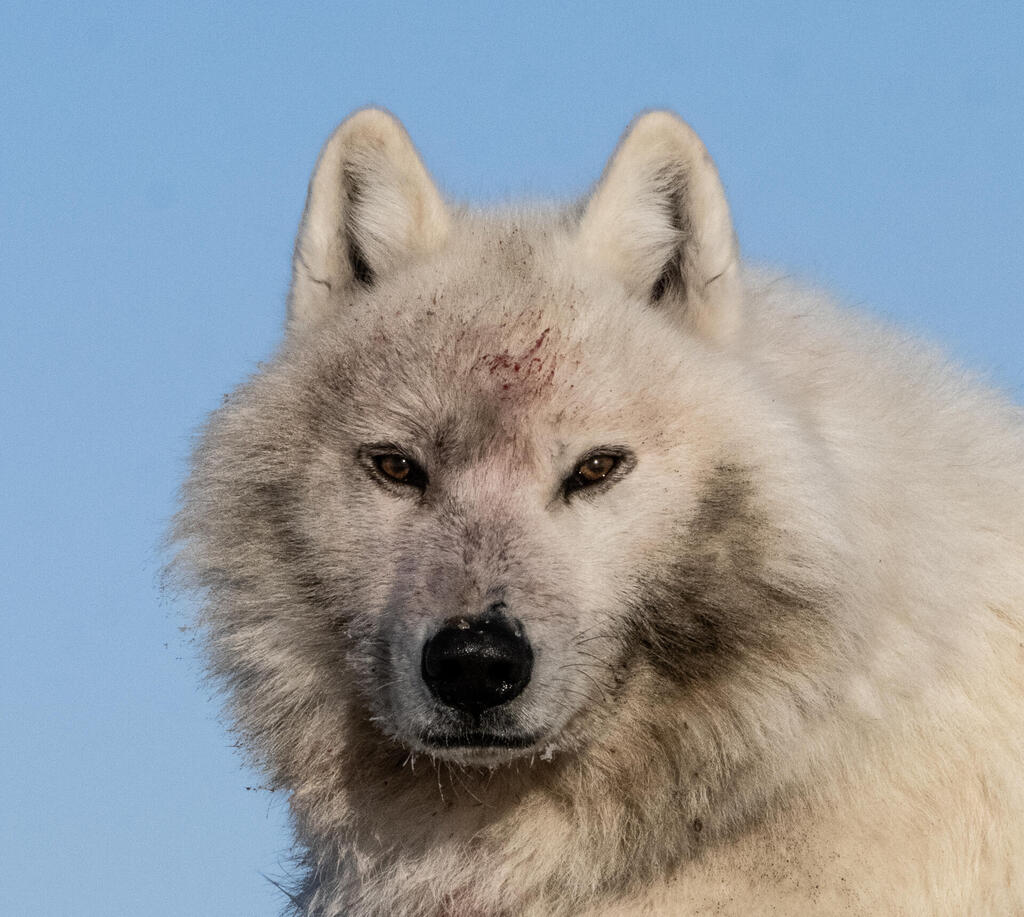
(Photo: Amos Nachoum)
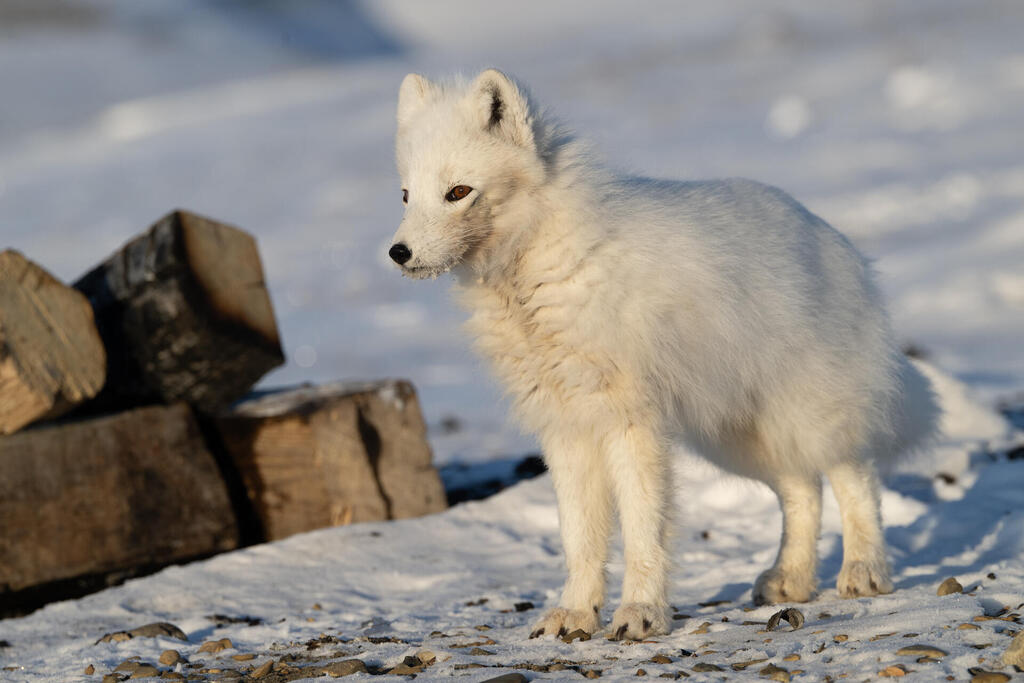
Young Arctic wolf
(Photo: Amos Nachoum)
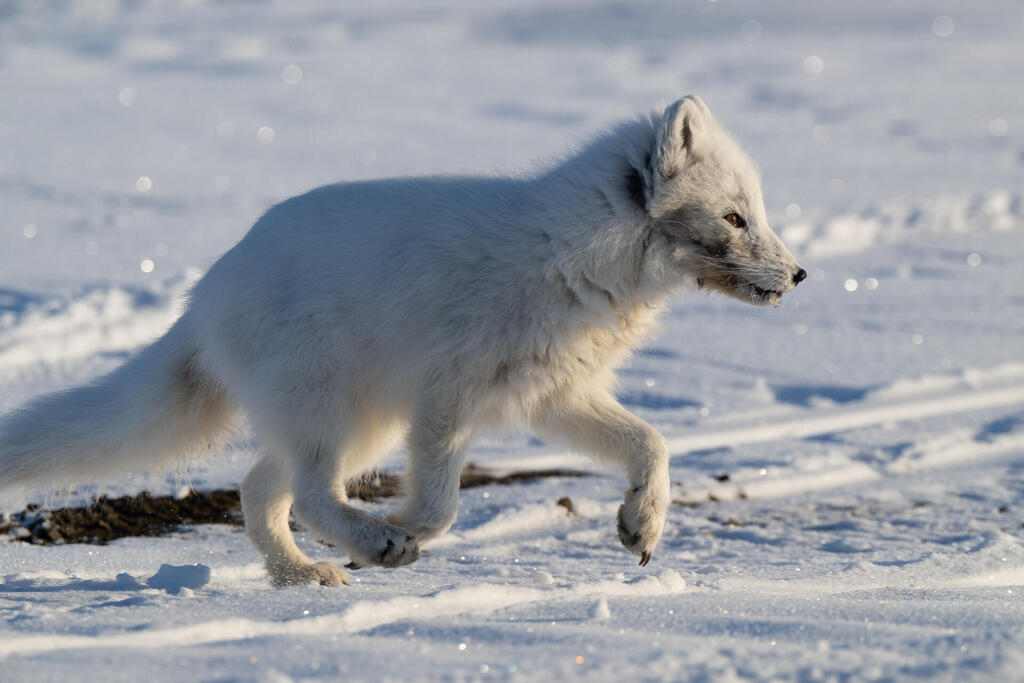
(Photo: Amos Nachoum)
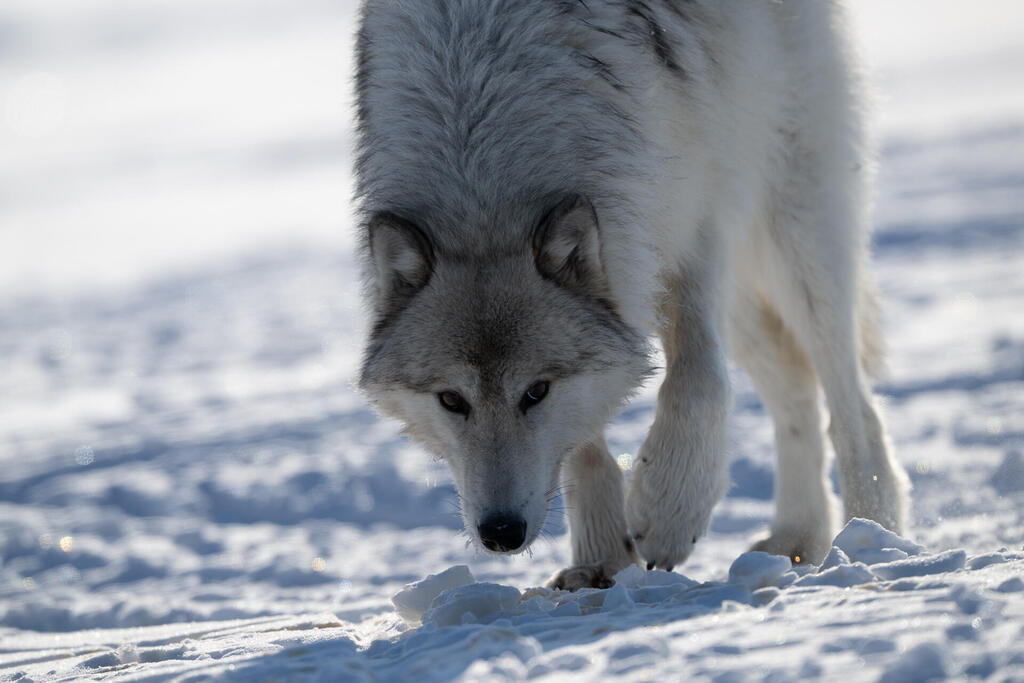
(Photo: Amos Nachoum)
(Photo: Amos Nachoum)
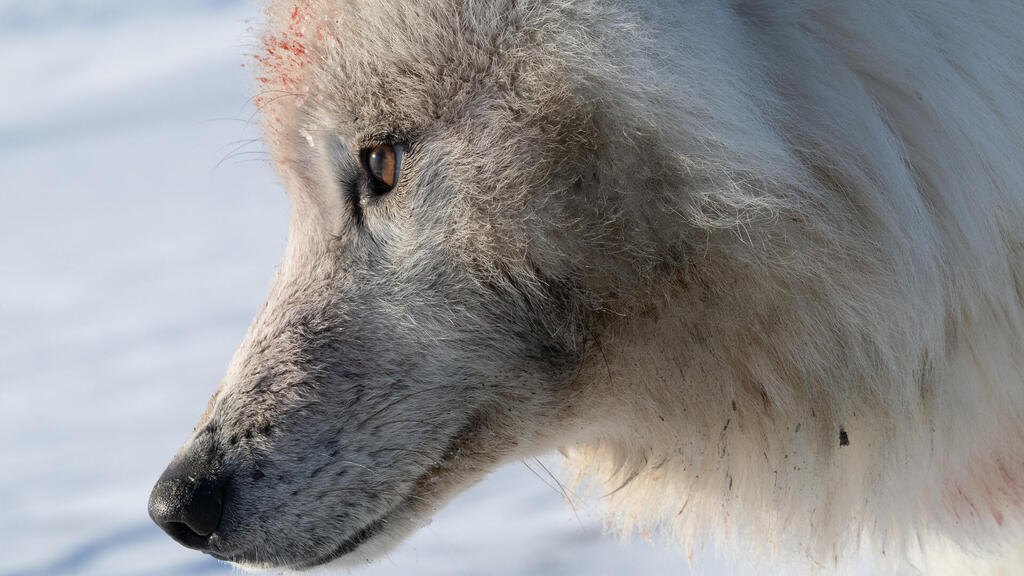
He said the encounter with the wolves was extraordinary because of the contrast between their ferocity as hunters and their calm curiosity around people.
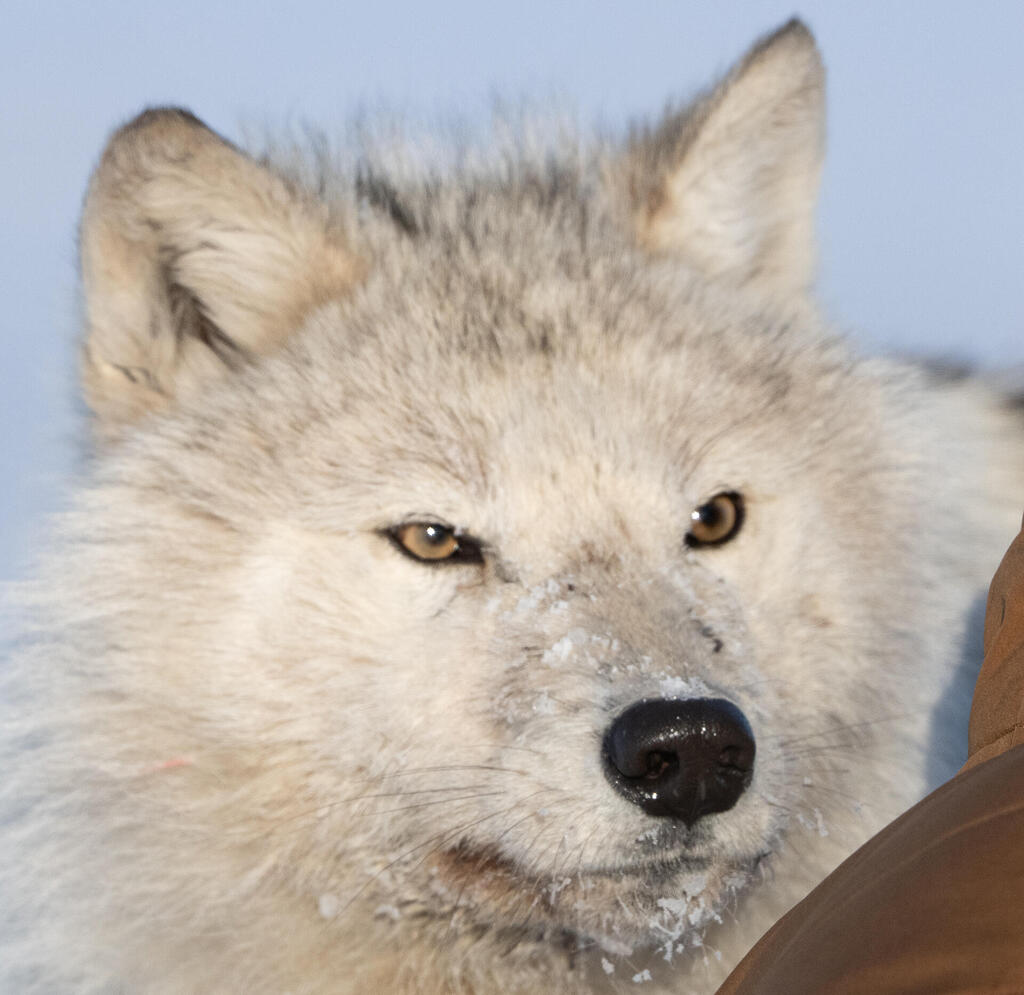
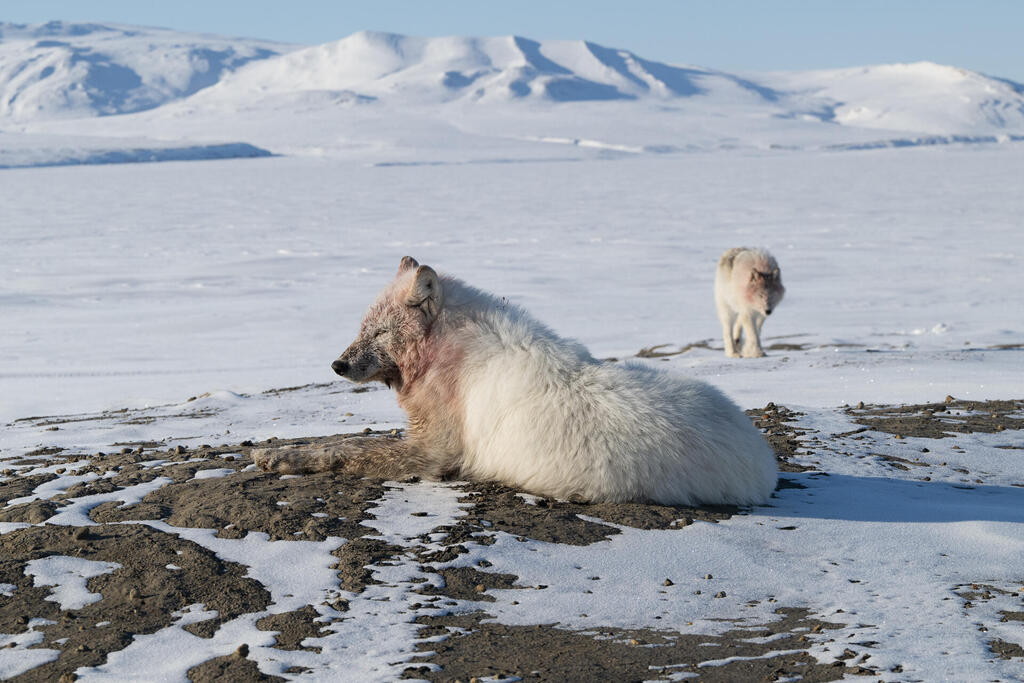
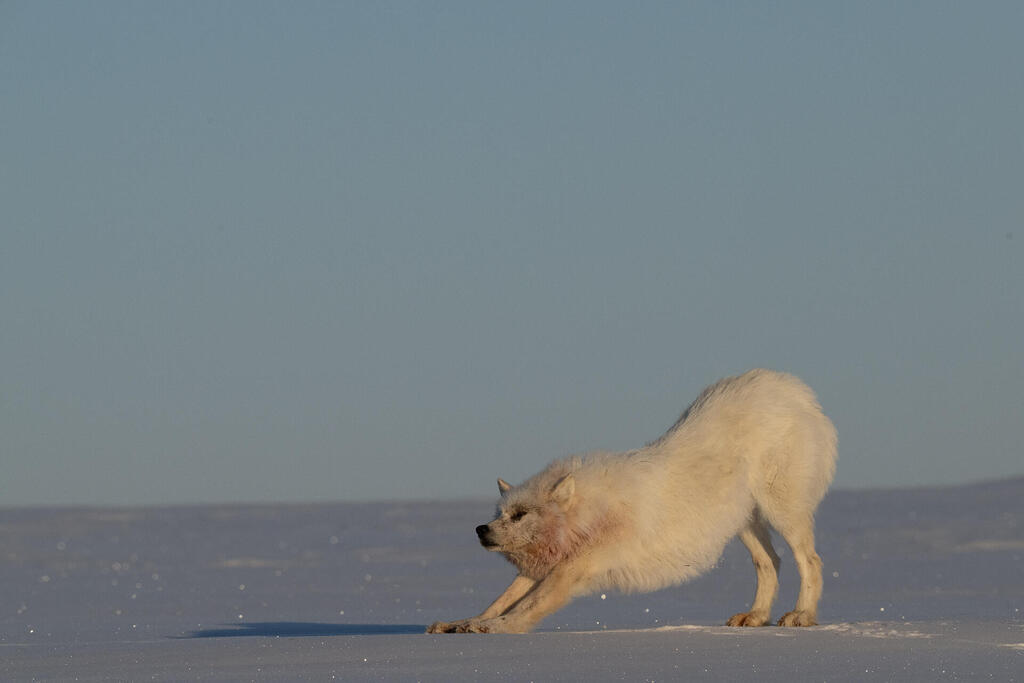
“The most amazing thing was that on the one hand, we saw the Arctic wolves brutally prey on the musk ox, in a way that was hard to watch. But when they came near us, they came out of curiosity,” Nachoum said. “They did not hurt us or threaten us for even a moment. It was moving. To see an animal like that hunting, and then coming toward you, sitting in front of you and looking into the lens, was amazing.”
The Inuit guides, he said, told the group the wolves do not attack humans unless someone tries to pet them.
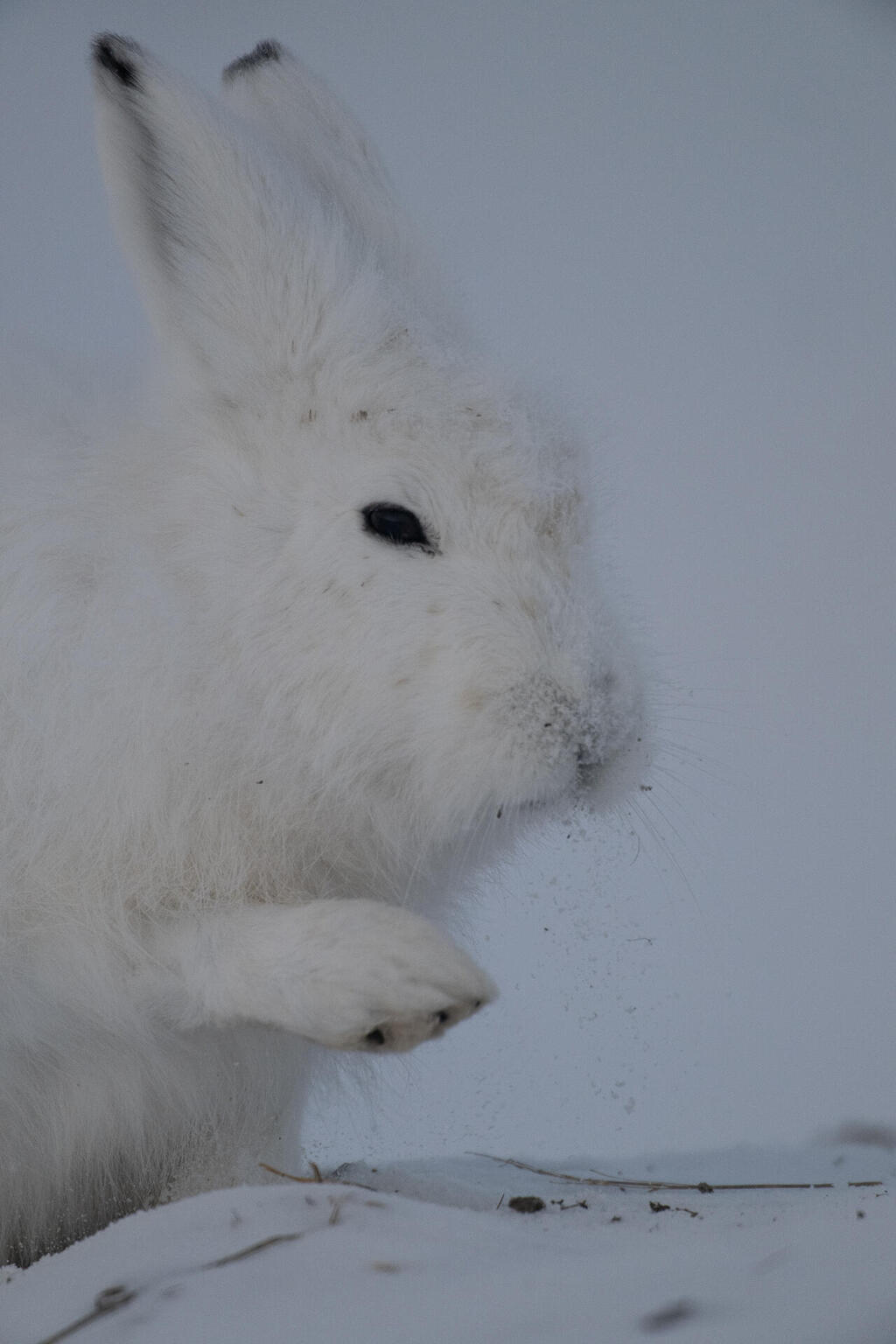
Arctic hare on Ellesmere Island
(Photo: Amos Nachoum)
(Photo: Amos Nachoum)
(Photo: Amos Nachoum)
(Photo: Amos Nachoum)
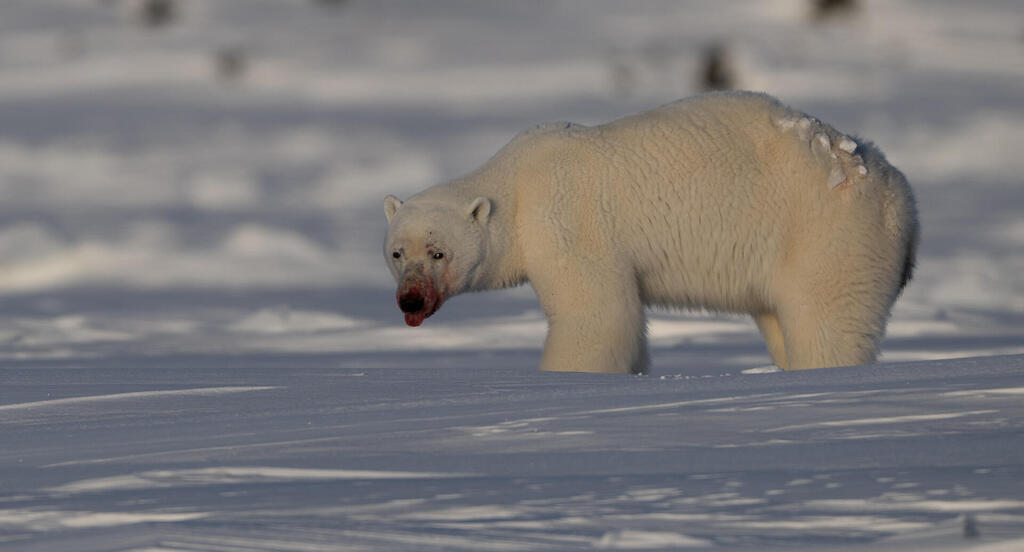
Polar bear on Ellesmere Island (Photo: Amos Nachoum)
“We didn’t let them get too close,” Nachoum said. “Every time I moved on the ice with my heavy shoe, which made noise, the wolf backed away two or three steps, then came closer, and then moved again. I didn’t give the wolves a chance to really smell us. They were in front of the camera, about a meter away from me. It was amazing to look into those yellow eyes, in the Arctic night, when the sun does not set and sits very low above the horizon. It was incredibly beautiful.”
Nachoum is already considering another trip to the region in March 2027 to photograph the wolves again.