

Using the stars for navigation was once a common practice, particularly among sailors and nomads. Today, most navigation is handled by modern technologies like GPS. But some creatures still rely on the stars for their long nighttime journeys.
The Bogong moth (Agrotis infusa), native to Australia, is known for its remarkable long-distance migrations. It uses a combination of celestial navigation and Earth’s magnetic field to locate a destination it has never visited before: the cool caves of the Snowy Mountains, a mountain range in New South Wales.
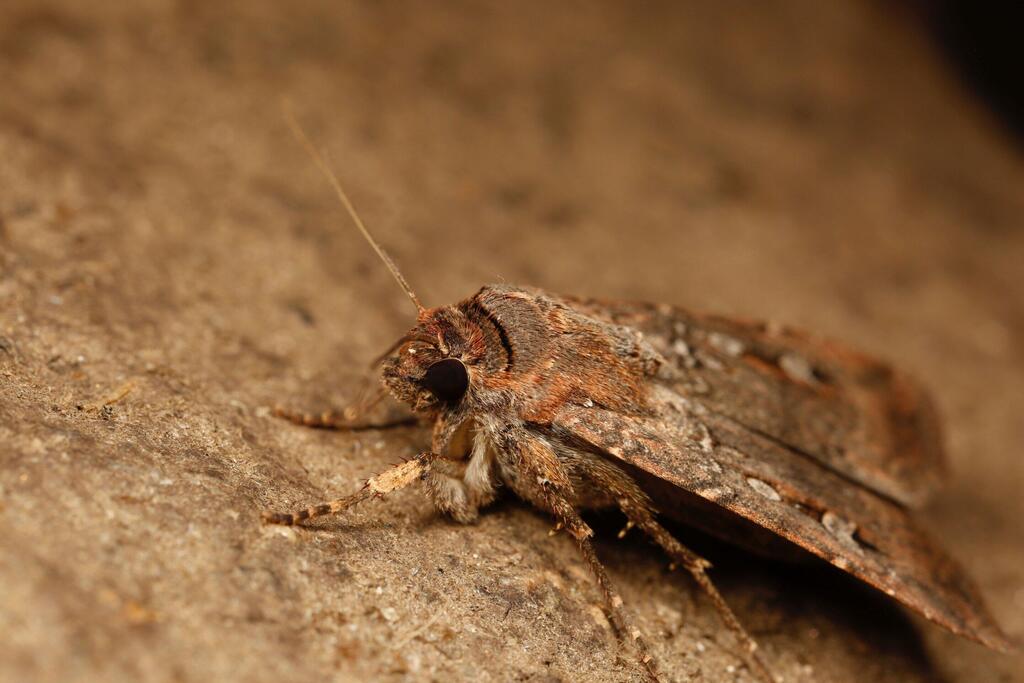
A new study published in Nature—conducted by an international team of scientists from Lund University, the Australian National University (ANU), the University of South Australia, and other global institutions—has shed light on one of nature’s great migratory mysteries, involving around four million moths annually.
“Until now, we knew that some birds and even humans can use the stars to navigate long distances, but this is the first time it’s been proven in an insect,” said zoologist Prof. Eric Warrant of Lund University. “The Bogong moth is exceptionally accurate. It uses the stars like a compass over vast distances, adjusting its flight direction based on the season and time of night.”
Each spring, billions of Bogong moths emerge from breeding grounds across southeastern Australia and fly up to 620 miles to a small number of caves and rock shelters in the Australian Alps. There, they enter a dormant state in cool, dark crevices for the entire summer. In fall, they make the journey back to breed and die.
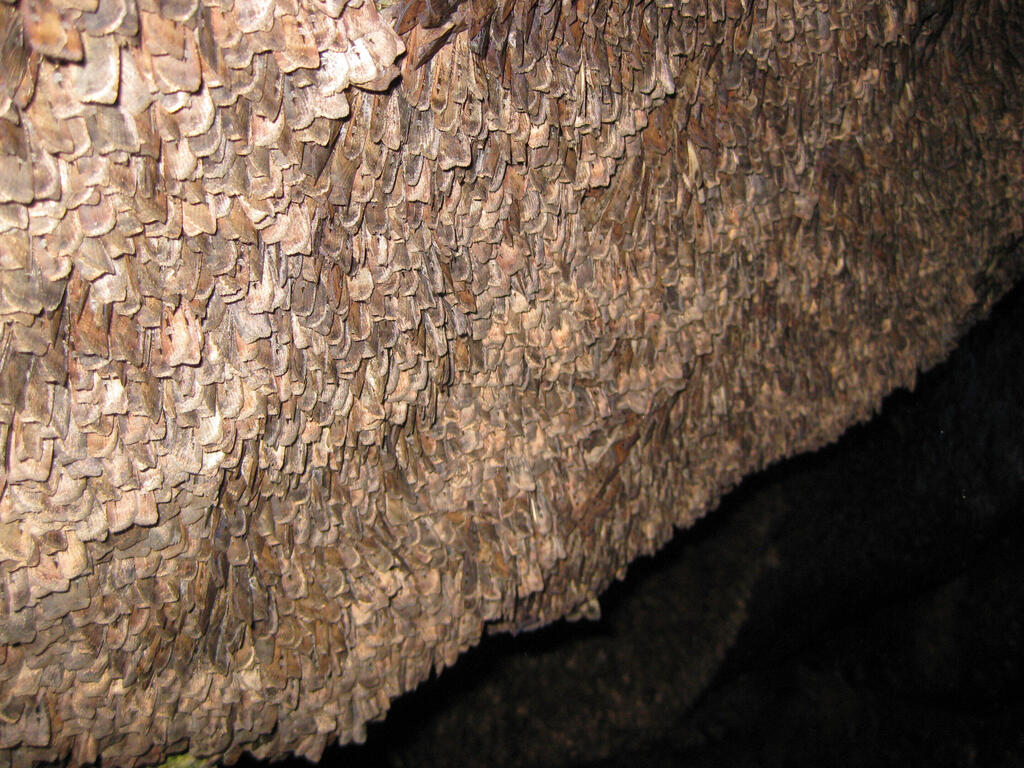
A wall full of resting moth
(Photo: Prof. Eric Warrant)
Using advanced flight simulators and brain monitoring in controlled, magnetically neutral environments, the researchers tested how the moths orient themselves under various night sky conditions. When shown a starry sky with no magnetic field, the moths consistently flew in the correct seasonal direction—south in spring, north in fall. When the sky was rotated 180 degrees, the moths corrected their orientation accordingly. But when shown distorted star maps, they became confused and disoriented.
“This proves they aren’t just flying toward the brightest light or following a simple visual cue,” said Prof. Warrant. “They’re reading specific patterns in the night sky to determine geographic direction, much like migratory birds do.”
Get the Ynetnews app on your smartphone: Google Play: https://bit.ly/4eJ37pE | Apple App Store: https://bit.ly/3ZL7iNv
When the stars were obscured by clouds, the moths switched to relying on Earth’s magnetic field alone to maintain their course. This dual-compass system allows them to navigate reliably even in poor visual conditions. The team also identified specialized neurons in the moth’s brain that respond to the starry sky’s orientation. These cells, located in brain regions responsible for navigation and flight control, were most active when the moths faced south.
“This kind of tuning shows that the Bogong moth's brain encodes celestial information in a surprisingly sophisticated way. It’s a remarkable example of the complex navigation capability required in the brain of a tiny insect,” Prof. Warrant explained.
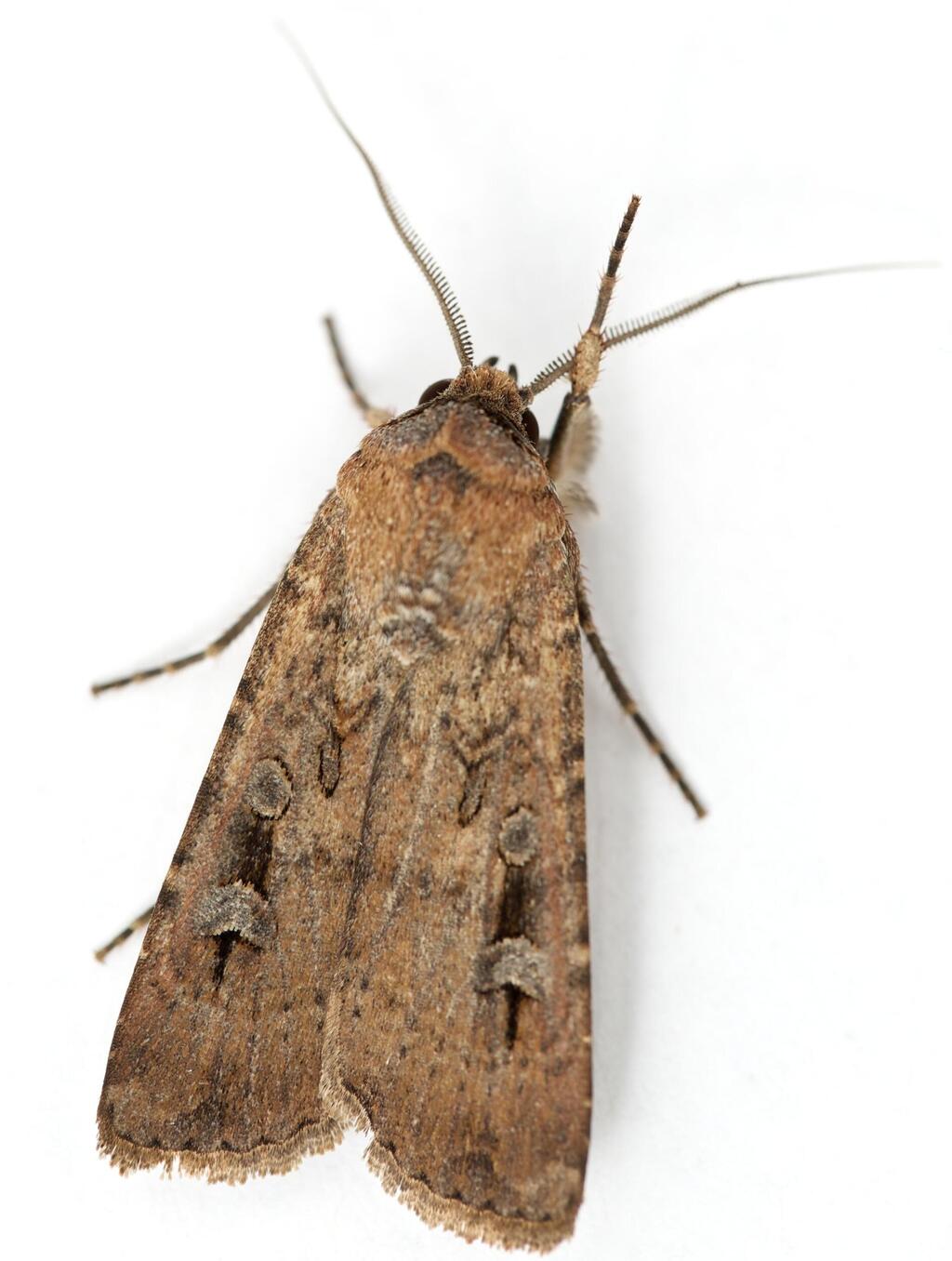
(Photo: Prof. Eric Warrant)
The study’s authors suggest the findings could inspire new technologies in robotics, drone navigation, and wildlife conservation—especially for species at risk due to habitat loss or climate change. In recent years, Bogong moth populations have declined significantly, underscoring the need to protect both their migratory corridors and the dark skies they depend on.
“It’s not just about moths—it’s about how animals read the world around them. The night sky has guided human explorers for millennia. Now we know it guides moths too,” said Prof. Warrant.
“It’s an amazing achievement for Bogong moths, which rely on the night sky for their long journeys—even though their brains are smaller than a grain of rice,” added Dr. David Dreyer of Lund University. “It’s astonishing that a creature with such a tiny brain can do this.”