

Heavy rains, thunderstorms and flash floods swept across southern Israel on Saturday, shutting down all road access to the Red Sea city of Eilat and prompting multiple rescue operations as police and emergency crews warned the public to stay away from desert riverbeds.
The Israel Meteorological Service said powerful cloudbursts struck the southern Negev and Arava regions beginning around midday, triggering flooding in wadis across the Negev, the southern Dead Sea area and the Arava Valley. Hail was reported in Yotvata, and lightning storms were recorded throughout the region.
Floods across southern Israel
(Video: Eilot Regional Council, Hai Zumberg, Shahar Zumberg, Eitan Getz, Noga Gibori, Noa Gordon, Hagar Ohayon)


By 3 p.m., authorities reported developing flash floods and urged travelers to avoid dry riverbeds that quickly turned into dangerous torrents. Police and volunteer rescue units were dispatched to several locations to extract stranded hikers.
In Sodom, near the southern Dead Sea — where average annual rainfall is just 39 millimeters — nearly one-fifth of that amount, about 9 millimeters, fell within an hour. At Lotan in the Arava, 18 millimeters fell in two hours, roughly half the yearly average.
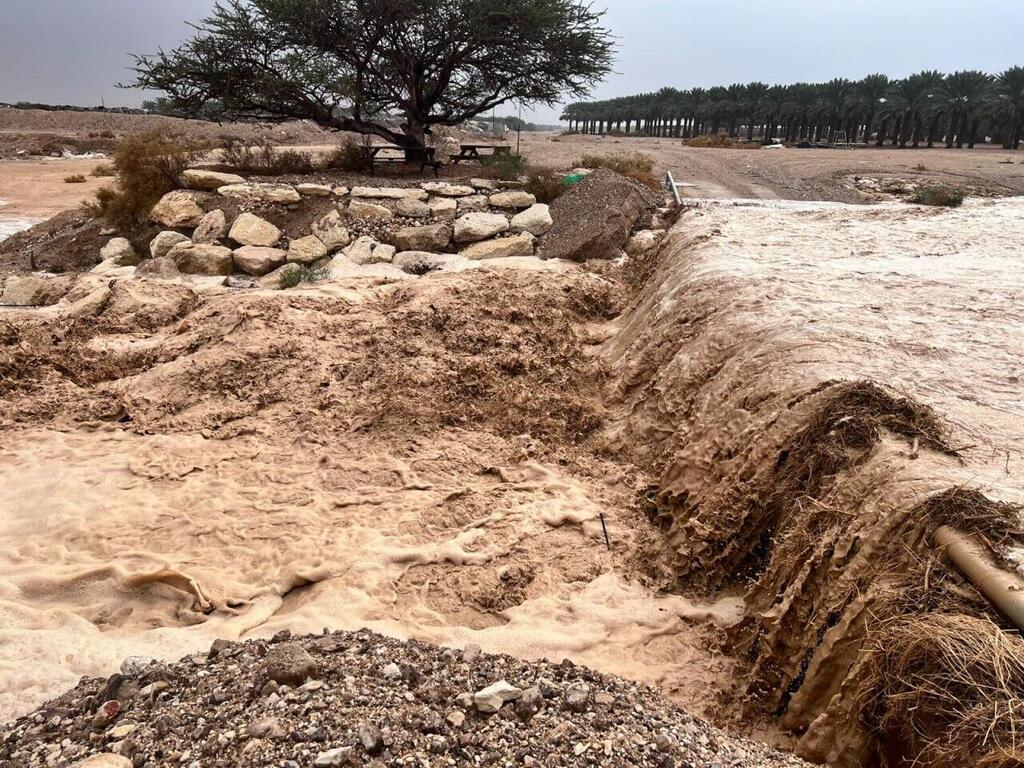
Police said severe flooding forced the closure of Highway 90, blocking Eilat’s northern exit. Highways 12 and 40 had already been closed earlier in the day, effectively sealing off all road access into and out of Eilat. By late afternoon, authorities said the only way to leave the city was via Ramon Airport or by traveling to the nearby community of Be’er Ora.
Eilat Mayor Eli Lankri urged residents and tourists to heed safety instructions and stay away from flood zones. City teams began pumping water and clearing debris to reopen key routes. Some damage was reported along the southern beachfront, where several trees and shade structures collapsed.
Vacationers leaving Eilat following flood warnings
Before the storms hit, about 35,000 people had visited national parks and nature reserves across the country. The most popular sites were Caesarea, Yarkon National Park (Tel Afek), Ein Hemed, Tel Ashkelon and Masada. Due to flooding concerns, the Nature and Parks Authority closed the Ein Gedi reserve, Hai-Bar Yotvata and the Ein Bokek reserve in the south, and Tel Dan reserve in the north.
Rain was forecast to continue across much of the country into the evening, with isolated thunderstorms possible. Flood risk was expected to persist in southern and eastern riverbeds during the first half of the night before tapering off. Sunday was expected to bring partly cloudy skies and a significant drop in temperatures, with scattered morning showers mainly in the north.
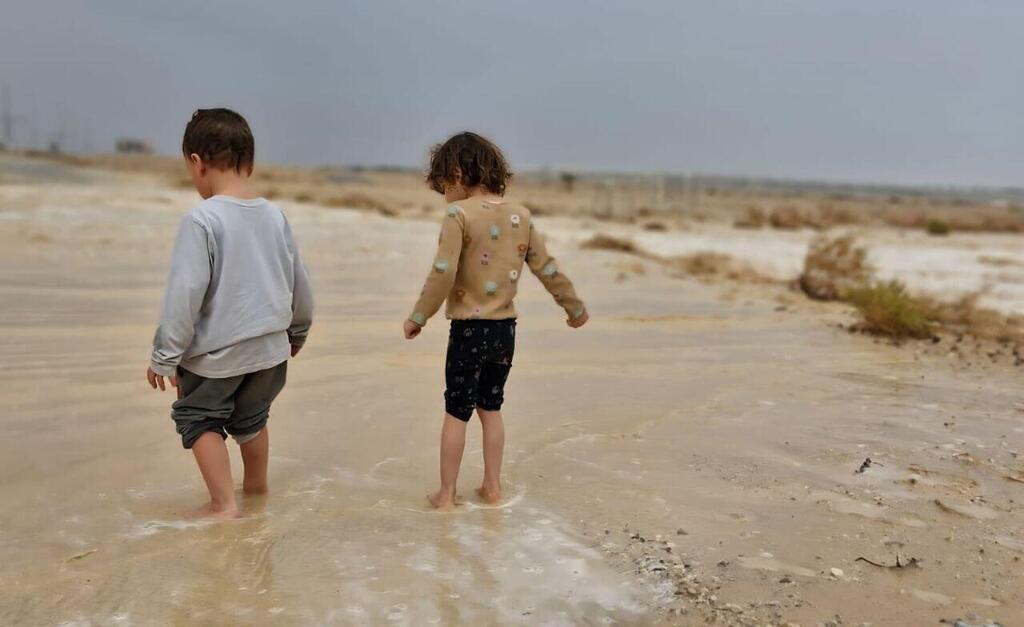
Shalhav Stream
(Photo: Noga Gibori)
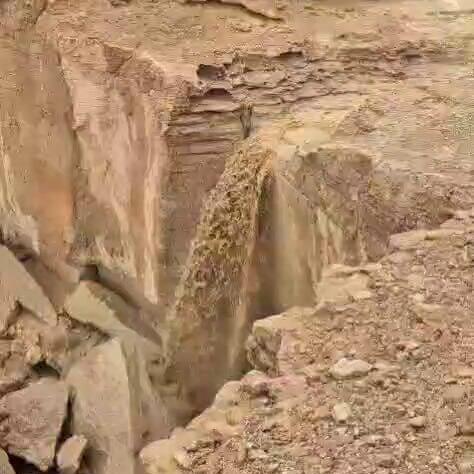
Shchoret Fall
(Photo: Shahar Zumberg)
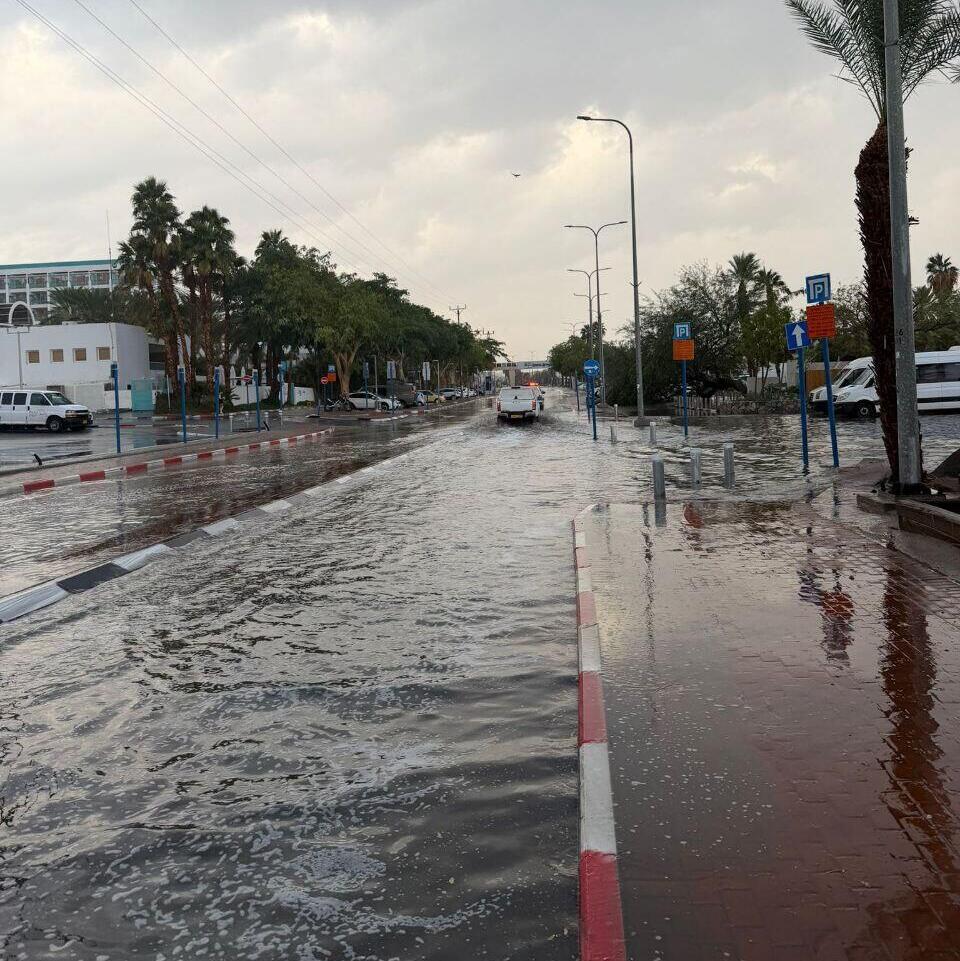
Eilat underwater
(Photo: Eilat municipality)
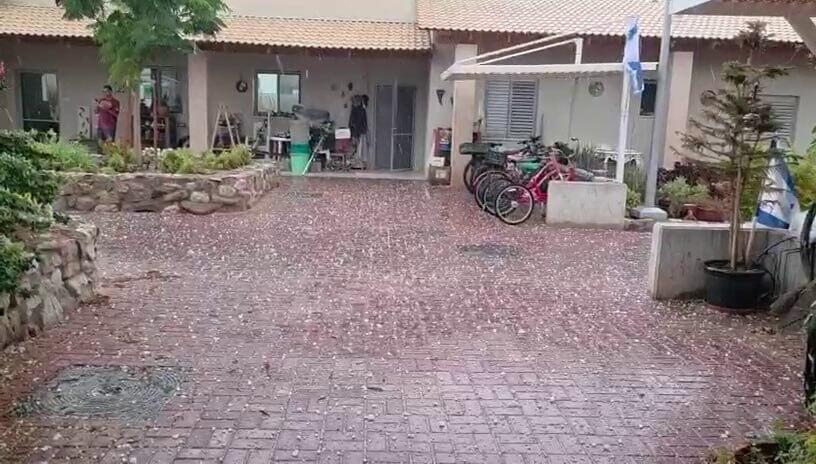
Hail in Yotvata
(Photo: Hagar Ohayon)
Additional light rainfall was forecast for Monday and Tuesday, with a slight flood risk returning Tuesday afternoon in eastern wadis.
Forecast temperatures (low–high):
Jerusalem: 14–24°C (57–75°F)
Tel Aviv: 17–23°C (63–73°F)
Haifa: 19–25°C (66–77°F)
Safed: 13–19°C (55–66°F)
Katzrin: 15–22°C (59–72°F)
Tiberias: 18–24°C (64–75°F)
Nazareth: 16–23°C (61–73°F)
Afula: 17–25°C (63–77°F)
Beit She’an: 18–26°C (64–79°F)
Lod: 15–25°C (59–77°F)
Ashdod: 16–23°C (61–73°F)
Ein Gedi: 19–24°C (66–75°F)
Be'er Sheva: 15–25°C (59–77°F)
Mitzpe Ramon: 13–23°C (55–73°F)
Eilat: 20–27°C (68–81°F)