

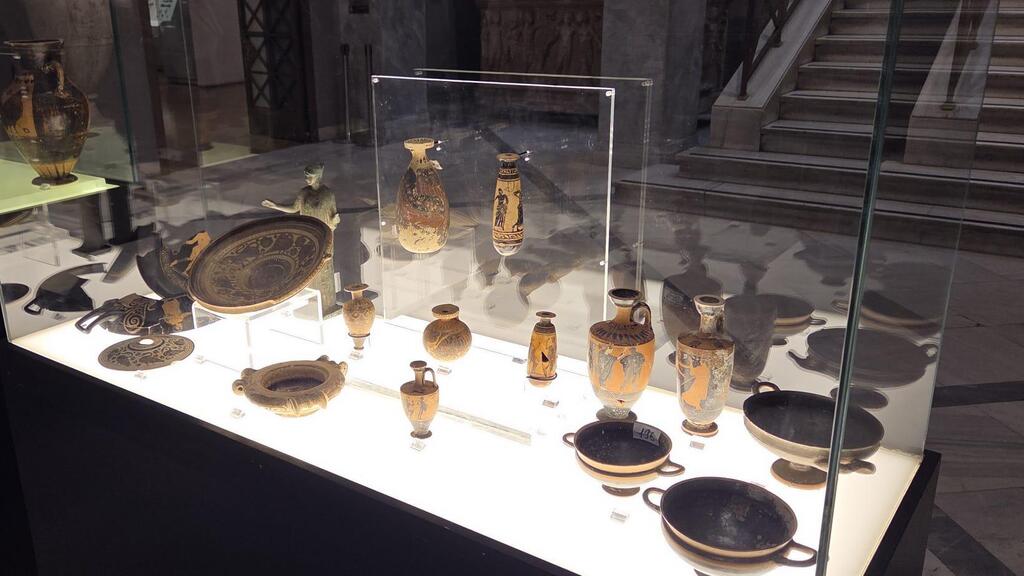
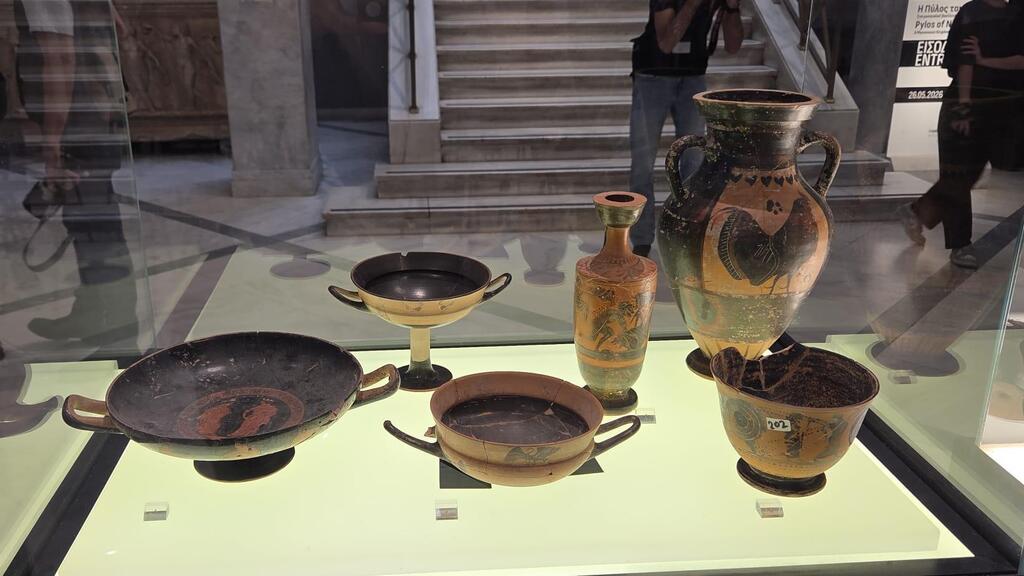
Israel returned 22 Greek antiquities on Tuesday after the objects were discovered in warehouses in central Israel during a 2020 investigation into suspected illegal antiquities trading. The handover, the first of its kind between the two countries, took place at the National Archaeological Museum in Athens following the completion of legal proceedings in Israel and the confiscation of the artifacts.
The ceremony was attended by Greek Culture Minister Lina Mendoni, Israeli Ambassador to Greece Pninat Yanay and Dr. Amir Ganor, director of the Antiquities Theft Prevention Unit at the Israel Antiquities Authority, along with officials from both countries.
Gallery
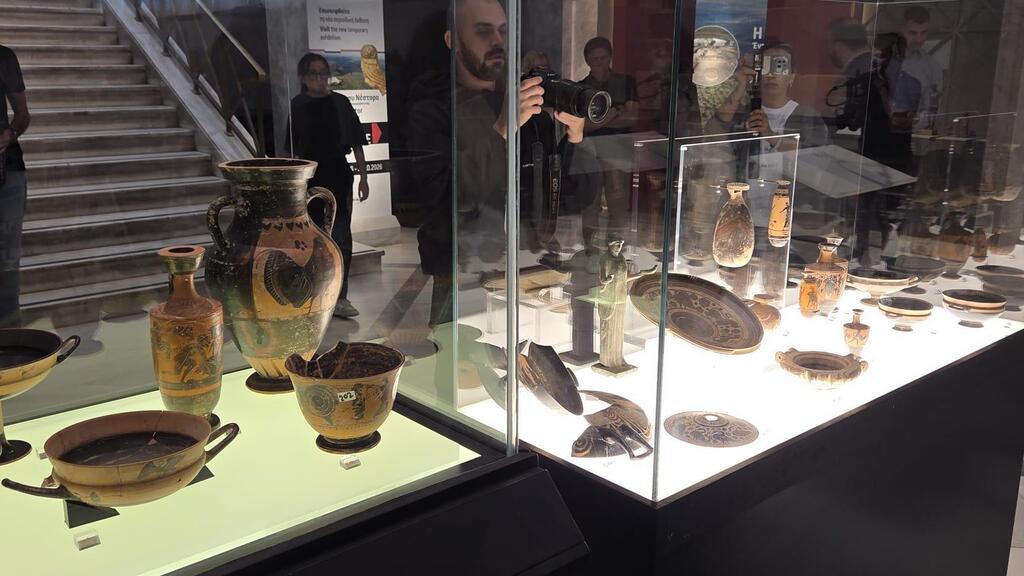
The ancient artifacts were discovered in warehouses in the Tel Aviv metropolitan area
(Photo: Antiquities Theft Prevention Unit, Israel Antiquities Authority)
According to the Israel Antiquities Authority, the event marked not only the return of the objects to their country of origin but also a significant step toward closer cooperation between Israeli and Greek law enforcement agencies in protecting cultural heritage.
Thousands of artifacts discovered in Israeli warehouses
The antiquities were seized in 2020 during a joint operation by the Israel Antiquities Authority, Israel Police and the Israel Tax Authority.
Investigators raided a gallery, warehouses and apartments across the Greater Tel Aviv area, discovering thousands of archaeological objects originating from Israel and other countries.
(Photo: Antiquities Theft Prevention Unit, Israel Antiquities Authority)
(Photo: Antiquities Theft Prevention Unit, Israel Antiquities Authority)
The investigation focused on suspected illegal antiquities trading and the possession of objects believed to have been looted from archaeological sites and ancient burial grounds throughout the Mediterranean region and elsewhere.
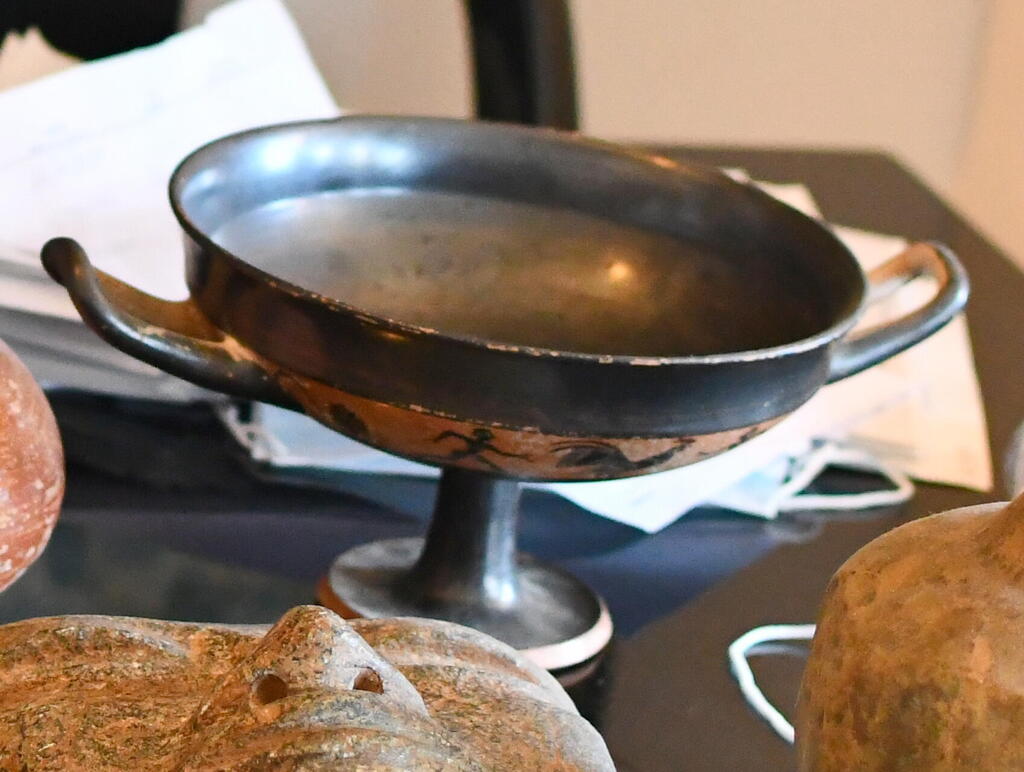
Among the objects returned to Greece are ancient ceramic vessels, including examples dating to the seventh century BCE and decorated with motifs influenced by ancient Near Eastern art.
Other pieces feature the distinctive black-figure and red-figure painting styles associated with ancient Greek pottery, depicting figures and scenes from Greek mythology.
The vessels date from between the eighth and fourth centuries BCE and were used in everyday life, religious ceremonies and burial rituals. Some were placed in graves as offerings intended to accompany the dead.
'Every return carries a moral and symbolic meaning'
Speaking at the ceremony, Greek Culture Minister Lina Mendoni emphasized the significance of the repatriation.
"The return of the antiquities from Israel to Greece has special significance. This is the first time Israel has returned antiquities to Greece, and it lays the foundation for deeper cooperation between our countries in protecting cultural heritage," she said.
(Photo: Antiquities Theft Prevention Unit, Israel Antiquities Authority)
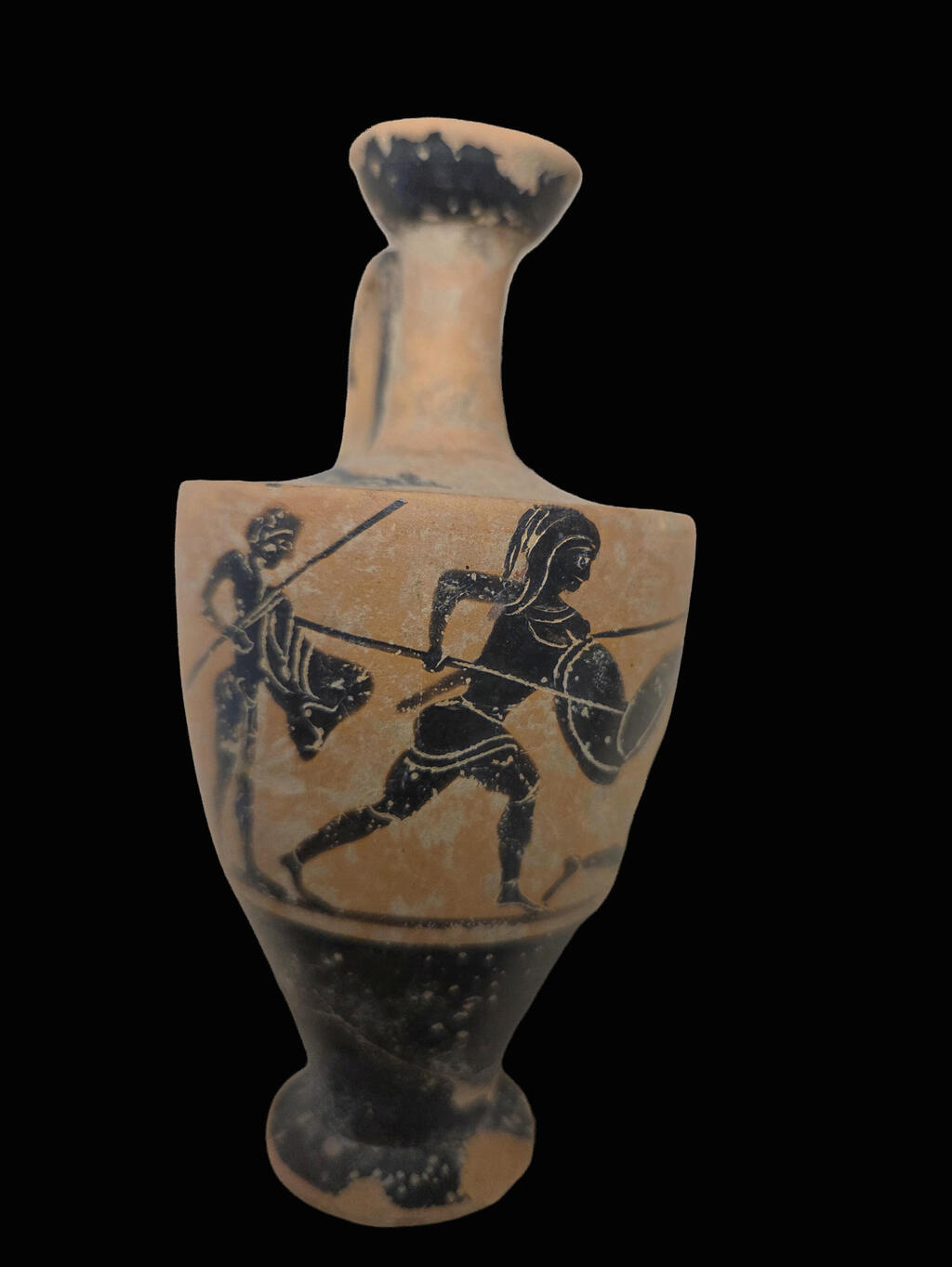
(Photo: Antiquities Theft Prevention Unit, Israel Antiquities Authority)
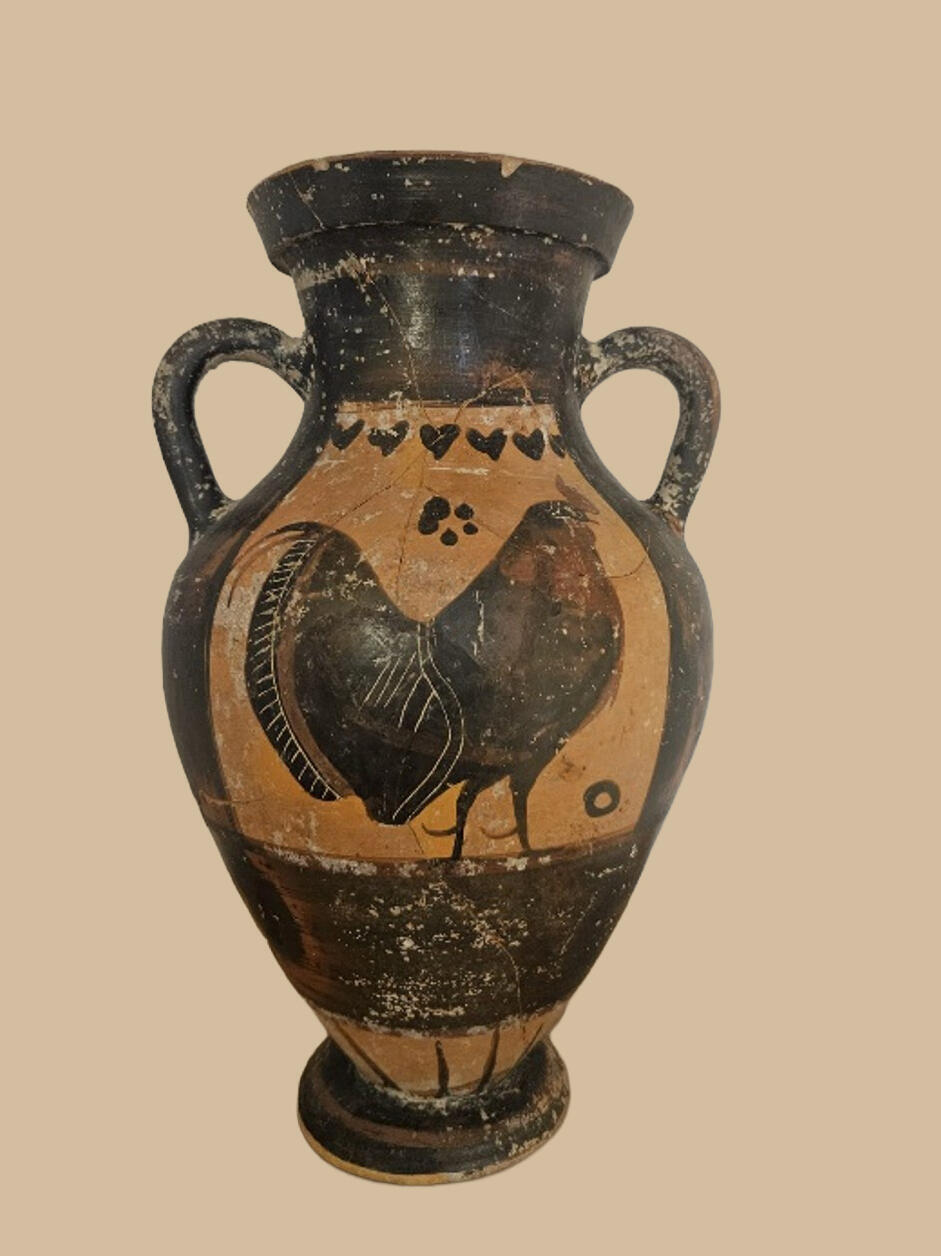
(Photo: Antiquities Theft Prevention Unit, Israel Antiquities Authority)
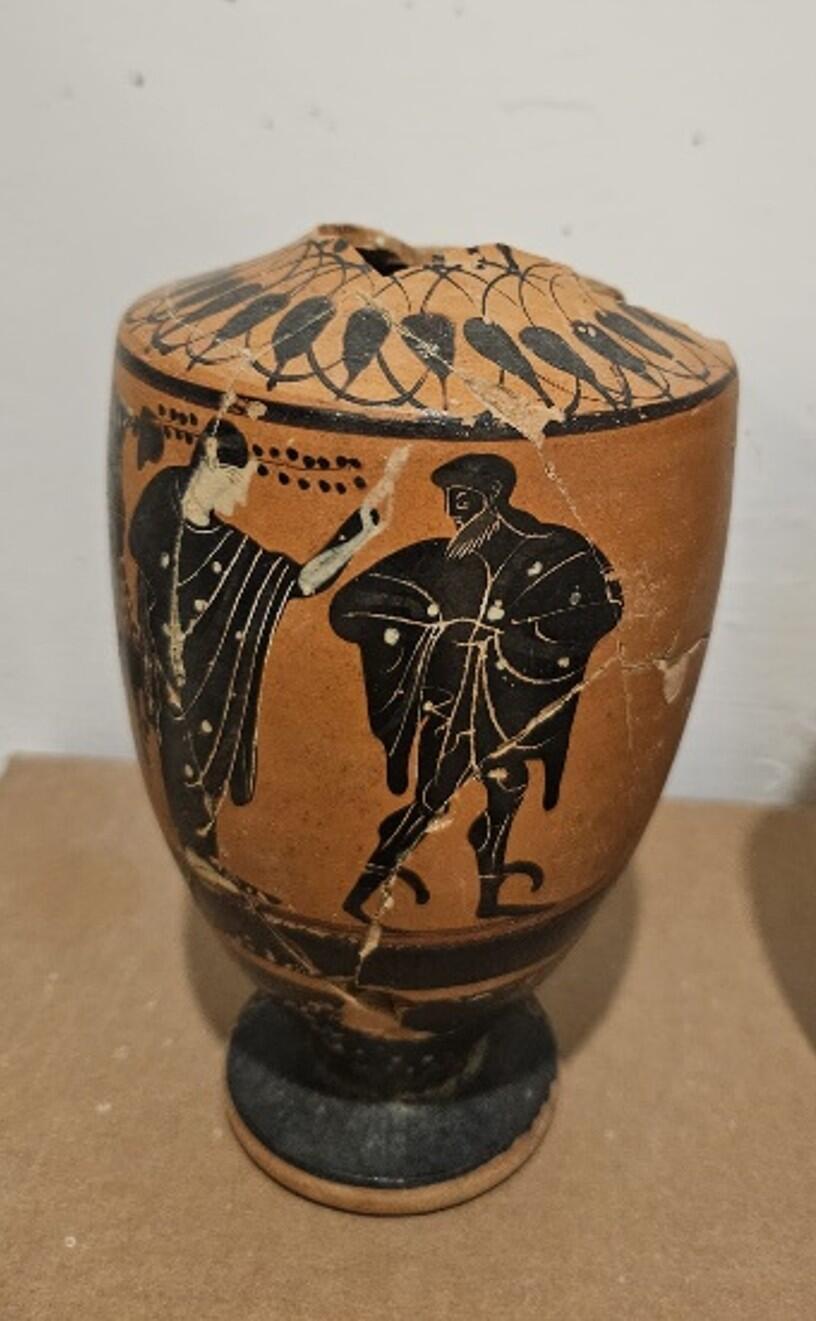
(Photo: Antiquities Theft Prevention Unit, Israel Antiquities Authority)
"Every return of antiquities to their country of origin also carries a broader moral and symbolic meaning. It reminds us that protecting cultural heritage is a shared responsibility and that effectively combating illegal antiquities trafficking requires international cooperation, mutual trust and a commitment to the law and to preserving our heritage."
Israeli Ambassador Pninat Yanay said removing an ancient object from its original setting interrupts the historical narrative it carries.
"Today, that story can continue," she said. "Israel and Greece are two nations with ancient histories and two modern states in which archaeology plays an important role in understanding the past and national identity."
"Today, we are doing much more than returning antiquities to Greece. We are honoring history, respecting heritage and celebrating the friendship between our two countries."
Fighting a trade linked to organized crime
Dr. Amir Ganor warned that the illegal antiquities trade extends far beyond the theft and sale of historical objects.
"Illegal antiquities trafficking recognizes no borders, neither legal borders nor national borders," he said.
"Antiquities looted in one country find their way to another, causing irreversible damage to the cultural heritage of their country of origin."
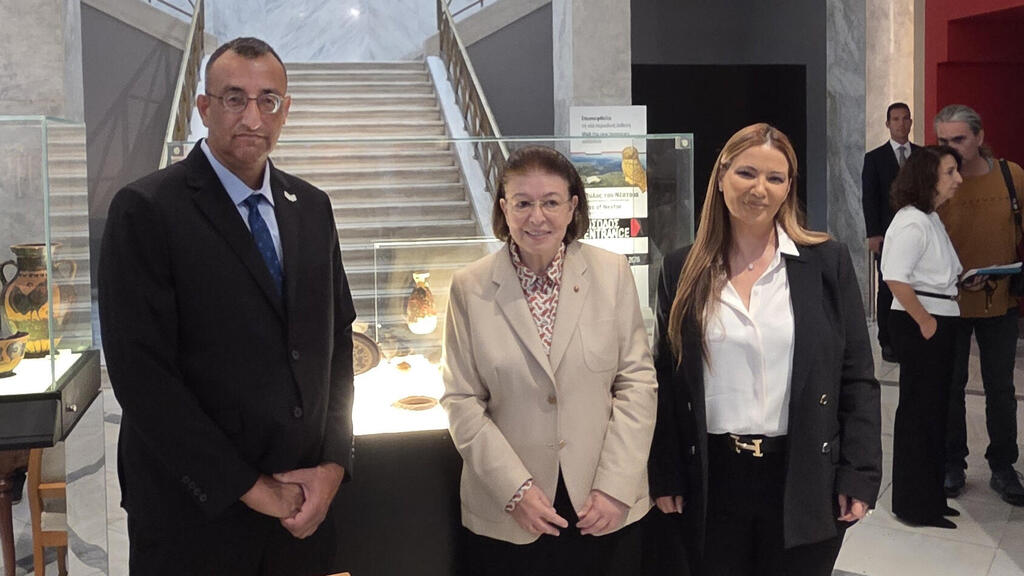
Ambassador Pninat Yanay, Dr. Lina Mendoni and Dr. Amir Ganor at the ceremony in Athens
(Photo: Antiquities Theft Prevention Unit, Israel Antiquities Authority)
Ganor said illegal antiquities trading can also provide cover for terrorism financing, organized crime and money laundering.
Disrupting smuggling networks and preventing criminals from profiting from archaeological objects can therefore help combat broader criminal activity while protecting cultural heritage, he added.
The investigation has also led to closer professional ties between the Antiquities Theft Prevention Unit and Greece's antiquities police.
About a month ago, representatives of both agencies participated in a joint international enforcement workshop focused on expanding intelligence sharing, identifying potentially looted artifacts and tracing antiquities smuggling routes.
Israel and Greece plan further cooperation
Mendoni said that during a visit to Jerusalem in March 2025, she discussed expanding cultural cooperation with Israeli Culture and Sports Minister Miki Zohar.
The return of the antiquities represents a practical expression of that commitment, she said. The two countries are expected to sign a memorandum of understanding in the near future to formalize their cooperation in protecting cultural heritage.
Israeli Heritage Minister Amichai Eliyahu also welcomed the repatriation, emphasizing Israel's commitment to fighting illegal antiquities trading.
"The State of Israel understands very well the deep connection between a people and its heritage, and the importance of preserving the historical evidence that tells its story," he said.
"The return of the antiquities to Greece expresses our commitment to protecting cultural heritage and acting decisively against illegal antiquities trafficking wherever it takes place."
Eliyahu praised the Israeli and Greek authorities involved in recovering and returning the objects, saying the growing cooperation between the countries reflects a shared responsibility to preserve the treasures of the past for future generations.