


After several days without rain, winter weather is expected to briefly return to Israel later this week, with strong winds, dust and rain forecast in the coming days.
Israel will be affected Tuesday night and Wednesday by dry easterly winds expected to be particularly strong in northern Israel and the central highlands.
(Photo: Yuval Chen)
Wind gusts could reach 80–90 kph (50–56 mph), mainly in the Golan Heights and the Galilee.
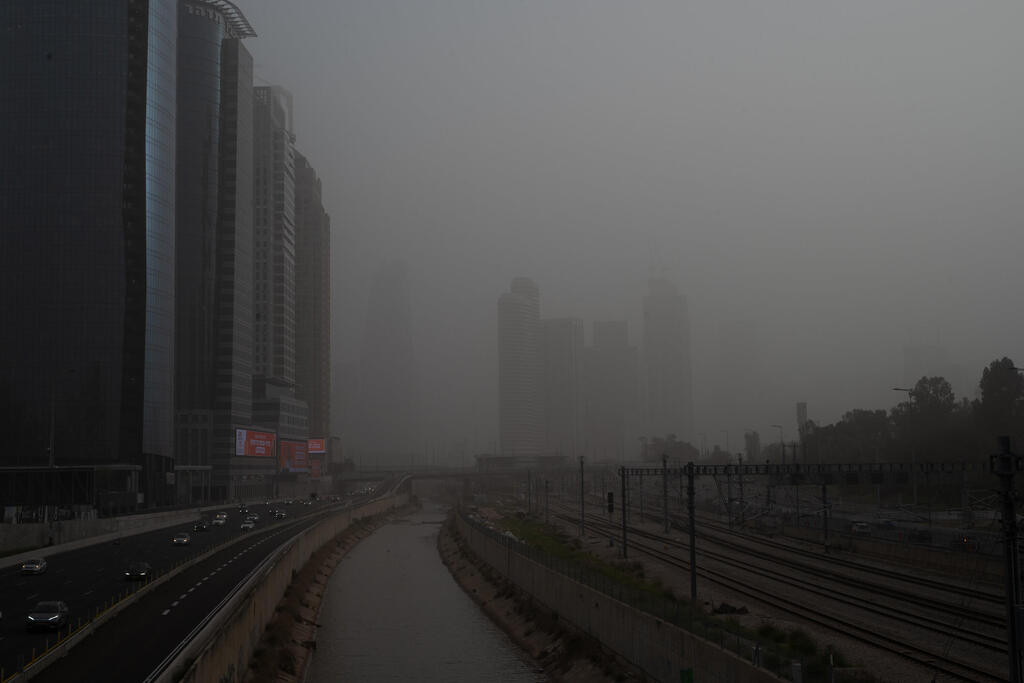
Dusty conditions and reduced visibility are also expected in eastern parts of the country as dust moves in from Syria and Jordan.
Strong easterly winds are expected to continue Wednesday morning in northern Israel and the hills of central Israel. Temperatures are forecast to rise slightly, while hazy conditions are expected during the day, especially in northern and eastern areas. By the afternoon, brisk northerly winds are expected along the Mediterranean coast.
Winds are forecast to weaken on Thursday and Friday. However, a new weather system is expected to reach Israel on Saturday from the south, bringing strong winds of up to 80 kph (50 mph) to the Negev, dust storms and rain across much of the country from south to north, though most rainfall is expected to be relatively light.
Flash floods are also possible Saturday in the Negev desert, the Arava and the Judean Desert due to rainfall.
On Sunday, temperatures are expected to drop and the system will take on more typical winter characteristics, with rain forecast in northern and central Israel. Some long-range forecasts also suggest rain could continue into Monday.
So far, March has seen no rainfall in Israel, following a disappointing February for precipitation. Rainfall totals last month were significantly below average, reaching about half of the seasonal average in northern Israel and less than a third in central areas.
In the Judean hills, only about 10% to 15% of the typical February rainfall was recorded, and Jerusalem experienced one of its driest Februaries since measurements began.
Due to the lack of rainfall in February, the cumulative rainfall deficit since the start of the season has worsened in northern Israel and the central coastal plain, where totals are about 70% to 80% of the average for this point in the season.
In contrast, southern parts of the country — roughly from the Ashdod-Jerusalem line southward — have received above-average rainfall since the start of the season, reaching about 110% to 150% of the long-term average by the end of February, largely due to heavy rains in December and January.
February was also significantly warmer than average. In nationwide measurements recorded since 1950, it was the warmest February on record in Israel.
Most days during the month were warmer than average, with only the final days of February seeing cooler conditions. December and January were also relatively warm, making the winter of 2025–2026 significantly warmer than average and the second-warmest winter on record after 2009–2010.