

While many Israelis remain confined to safe rooms, closely following Home Front Command alerts, the country’s natural world continues its seasonal rhythm undisturbed. Late spring has already arrived, and the beloved almond blossoms are gone, having bloomed, blanketed the landscape in white and fallen almost unnoticed.
In the meantime, Israel’s weather has been unusually intense. Streams have surged back to life after years of drought, rare waterfalls have begun flowing again and waves of purple wildflowers have reached their peak and disappeared. Now, as people remain indoors, longing to experience the scents of late spring, we offer a glimpse of what unfolded outside.
Dishon stream
(Video: Shimon Sudri, Tamir Cohen, ATVs in Dishon)


Dishon stream, in the Upper Galilee, has come roaring back to life with a force not seen in years. Tamir Cohen, owner of “Dishon ATVs,” happened to witness the rare phenomenon on his way to work.
“I’m almost 50,” he told Ynet, “and I’ve only seen this once before, 26 years ago. I always dreamed of catching the stream’s first flow, and it happened in the middle of the war, last Saturday. People in their 60s and 70s from the moshav, who’ve lived near the stream all their lives, told me: ‘We’ve never seen anything like this.’”
“We’re about 800 meters from the Lebanese border, right on the front line for rockets and chaos. Most of the time we’re in safe rooms or shelters. Because there are fewer people around, wildlife activity has increased. We’re seeing more hyenas, more wolves, animals you usually don’t see. Nature is just doing its thing. Right now, the Nazareth irises are blooming in Dishon Stream, and we’re missing it; It’s happening now, and almost no one is there to see it.”
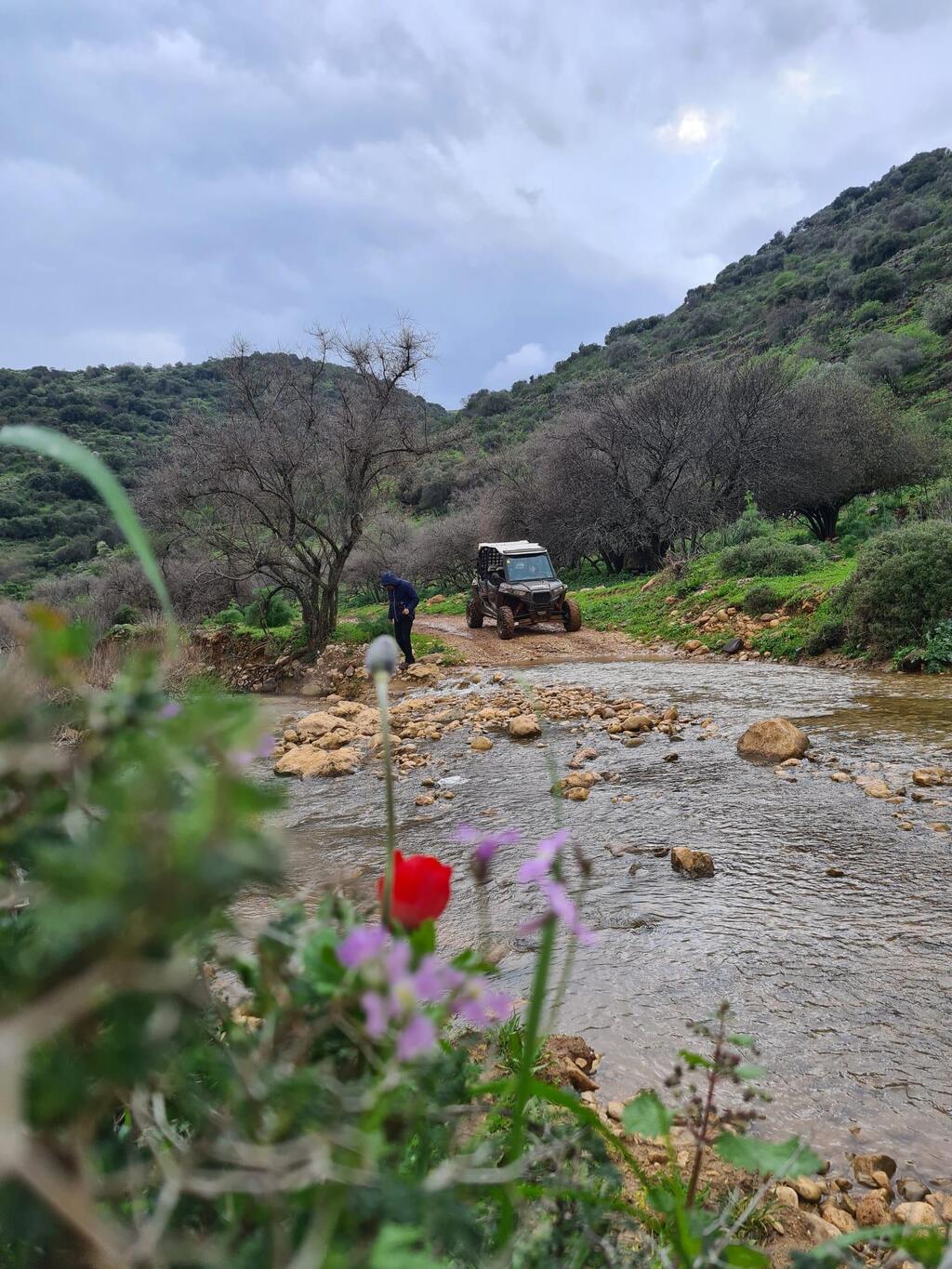
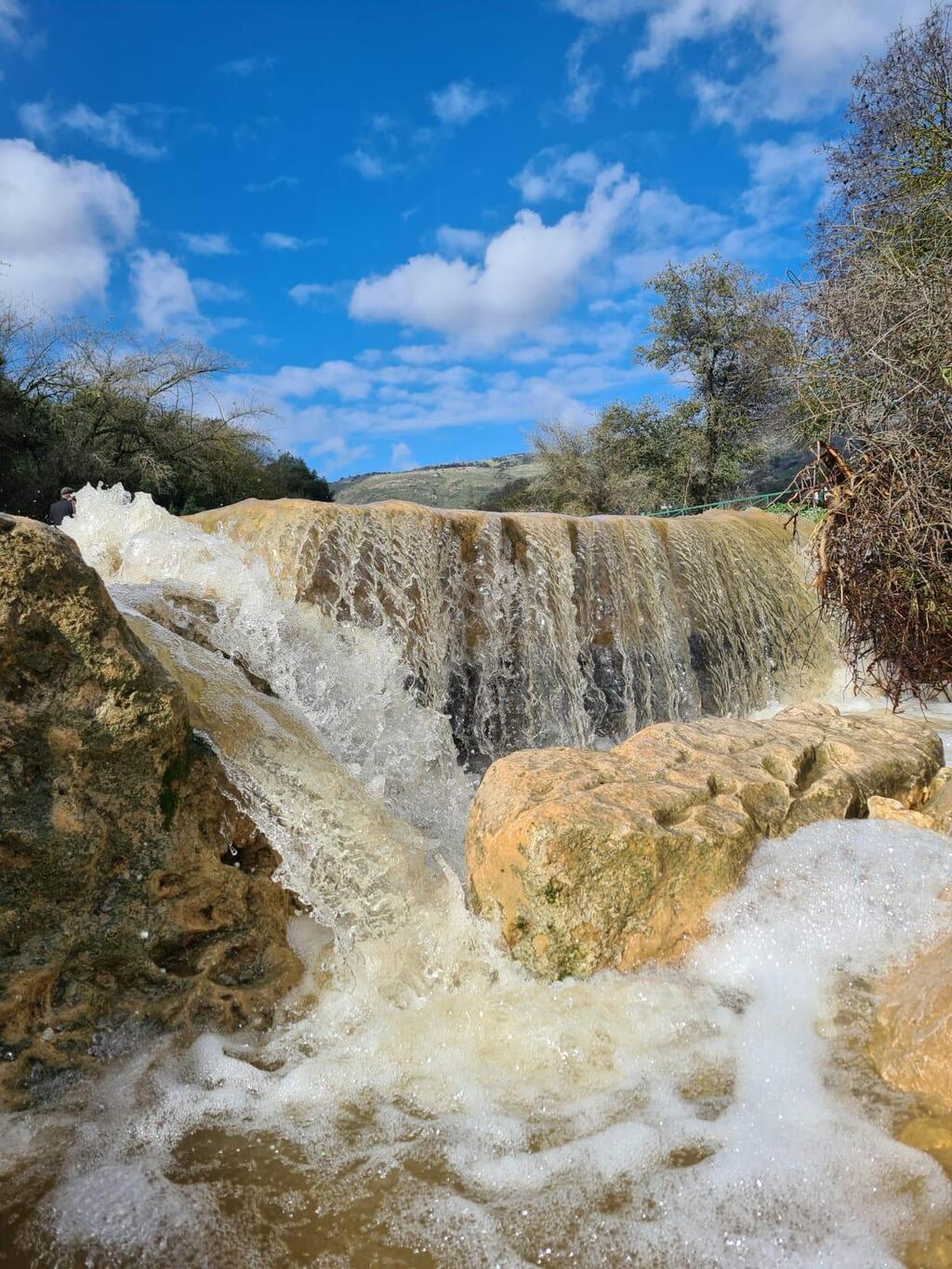
Powerful flow not seen in years
(Photo: Shimon Sudri)
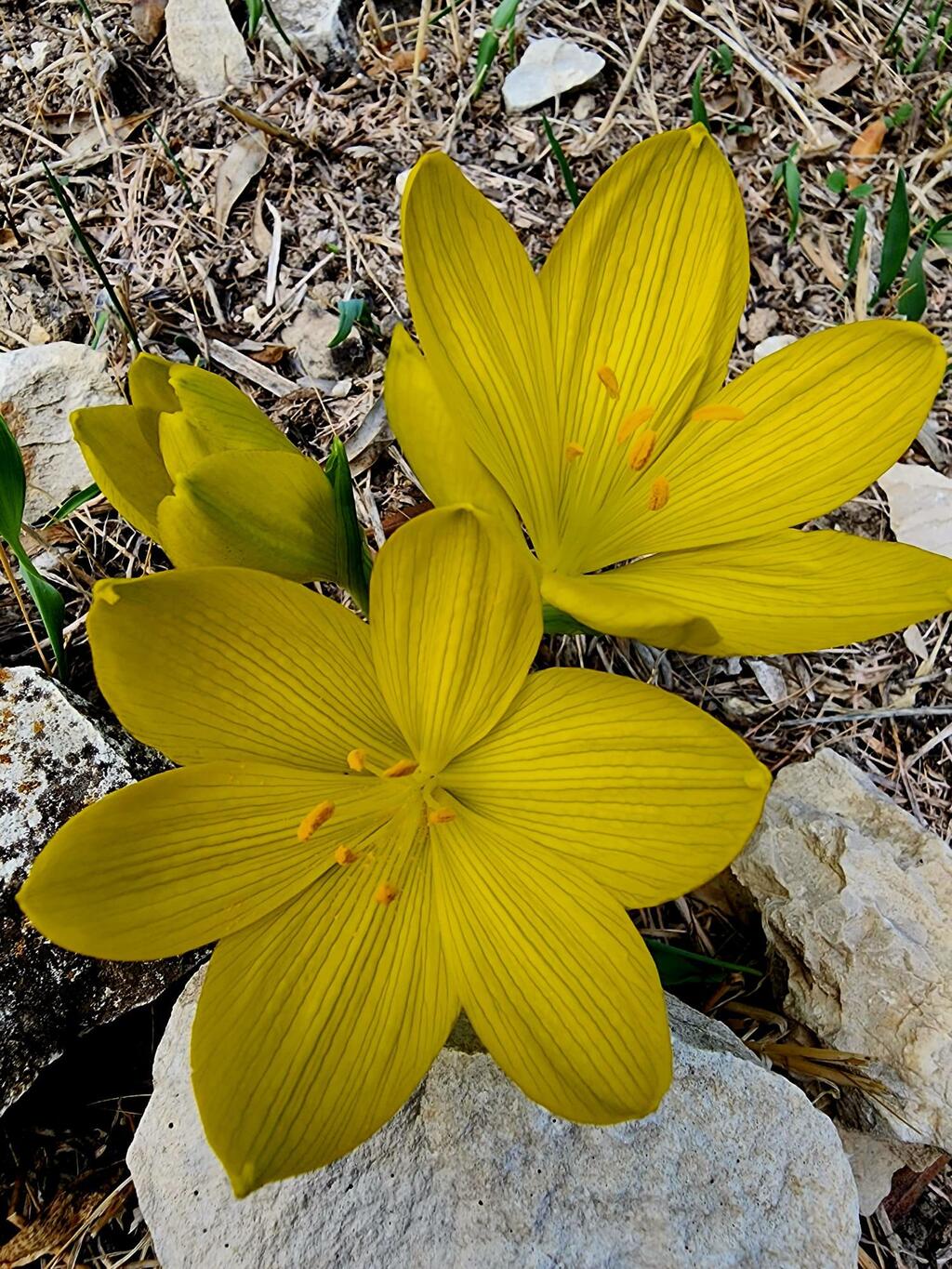
Sternbergia in Dishon stream
(Photo: Tamir Cohen)
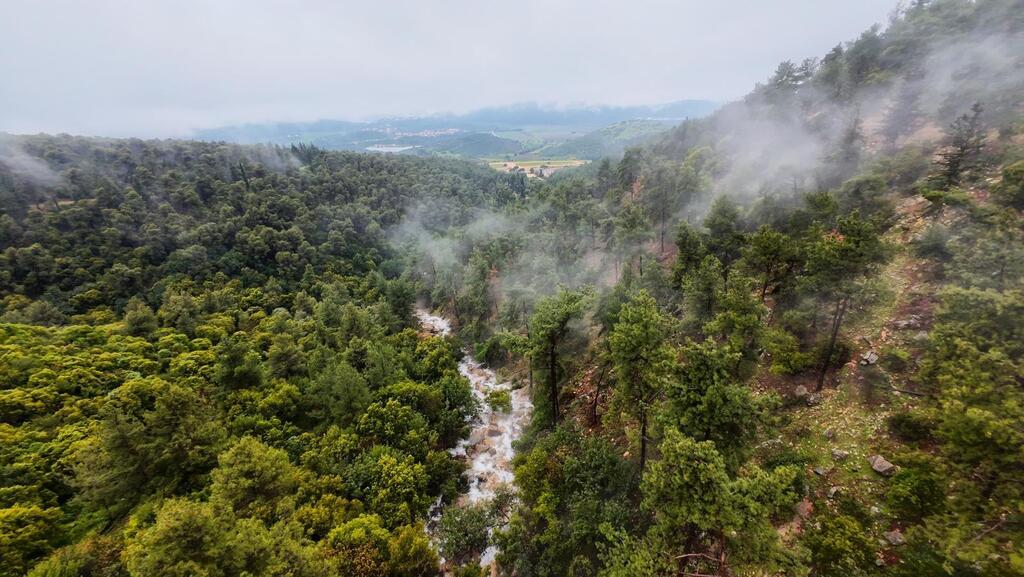
Parod waterfalls
(Photo: Shimon Sudri)
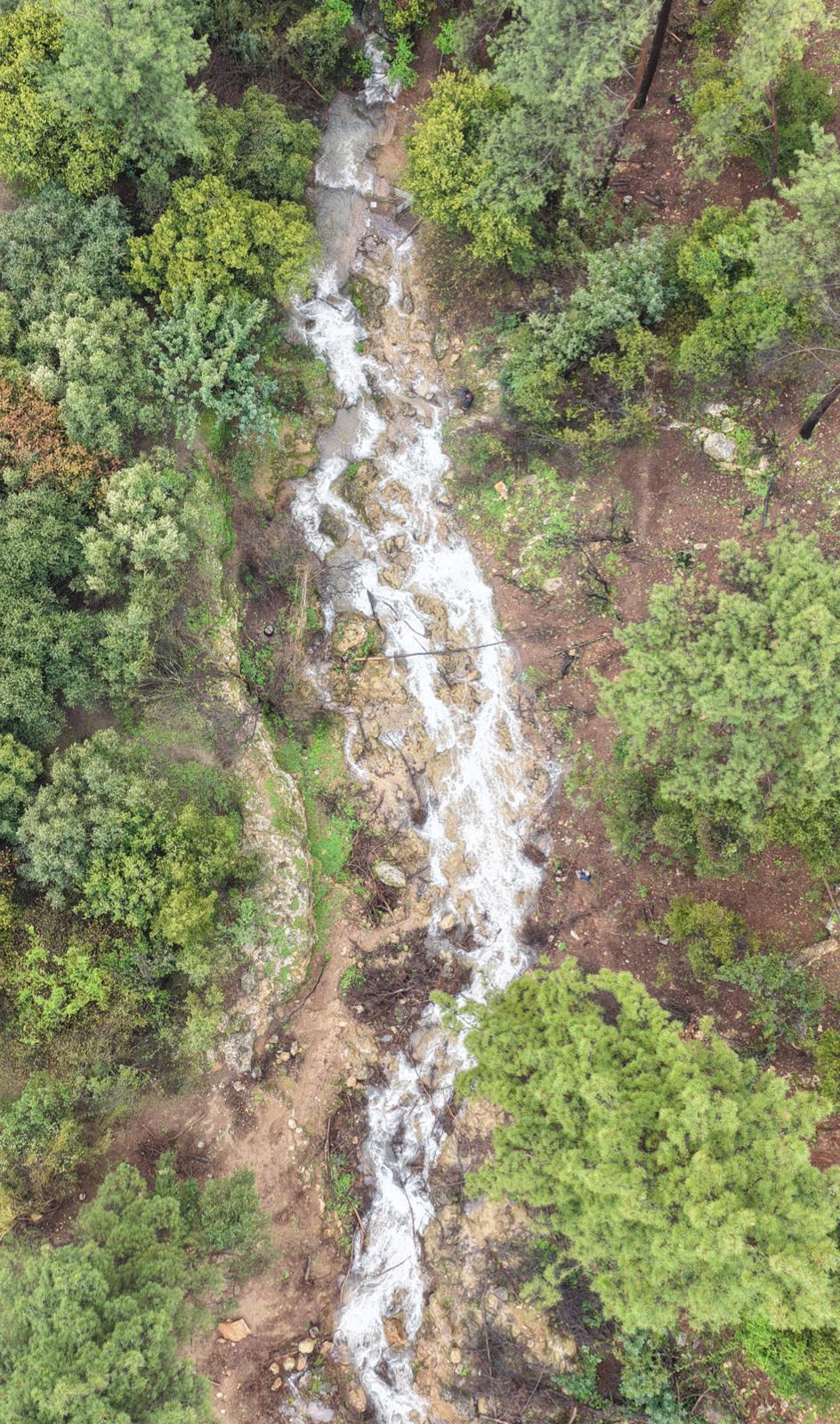
(Photo: Shimon Sudri)
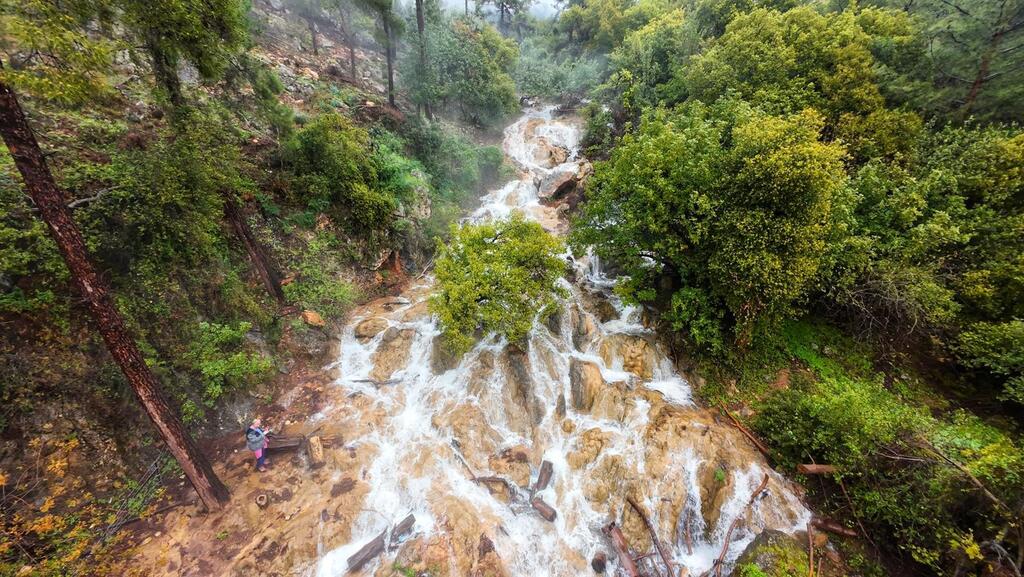
Parod waterfalls
(Photo: Shimon Sudri)
As nature bursts with rare waterfalls, revived streams and peak blooms, many Israelis are watching it all from their windows. The war, fear and official restrictions are keeping even seasoned hikers indoors, deepening a growing sense of loss.
Hen Yossef, a veteran travel blogger from the Jezreel Valley who knows the country’s trails intimately, describes the feeling in simple terms. “I step out onto the balcony, see the green fields starting to fade, and realize we’ve missed one of the most beautiful and impressive periods Israel has to offer in terms of nature and hiking,” she said.
Yossef says that this spring is exceptional, precisely because almost no one is out to experience it. “There are days with intense rainstorms that activate waterfalls that haven’t flowed in years, and wildflowers are at their peak, and we’re just missing it. Another spring is slipping away.”
One place that captured this painful contrast between life in a shelter and the explosion of spring outside is the famous lupine reserve near Na’ura in the Gilboa region, which Yosef visited just before the war broke out.
“It’s an incredible place. A scenic road with hills on both sides covered in purple lupines. You drive between clusters, sometimes small, sometimes massive, and at certain points you’re standing between the flowers and the clouds. It looks unreal. People don’t even know there’s a dizzying fragrance when you get close. Weeks have passed, and I don’t even know what it looks like now or if any bloom is left. It’s one of those places the war simply took from us.”
Even living in a small rural community surrounded by open landscapes does little to bridge the gap between seeing and experiencing. “If I go up to the roof, I have a 360-degree view of nature, mountains, valleys, everything. I watch it change before my eyes, green, then yellow blooms, then it starts to fade, and I realize I’ve missed the most beautiful time.”
The spring weather itself invites people outdoors. “There are warm days when you could wear shorts, go to a spring, and swim. But I don’t do it. I don’t feel safe.”
“Right now there’s an insane bloom of spurges”
“The almond blossoms are already gone,” said veteran tour guide Ben Pershitz, who runs the Facebook group North Israel Guider. “They bloomed early and dropped quickly because of the crazy weather. If you didn’t see them, you missed it.”
And that is only the beginning. A new wave of color has followed, one that may also pass largely unseen. “Right now there’s an insane bloom of spurges, all those yellow shrubs covering the landscape. It looks like carpets of yellow. Alongside them, there’s another layer of color, chrysanthemums and groundsel, all that yellow you see everywhere. And in some places, there’s a rarer combination with purple flowers that creates a wild contrast.”
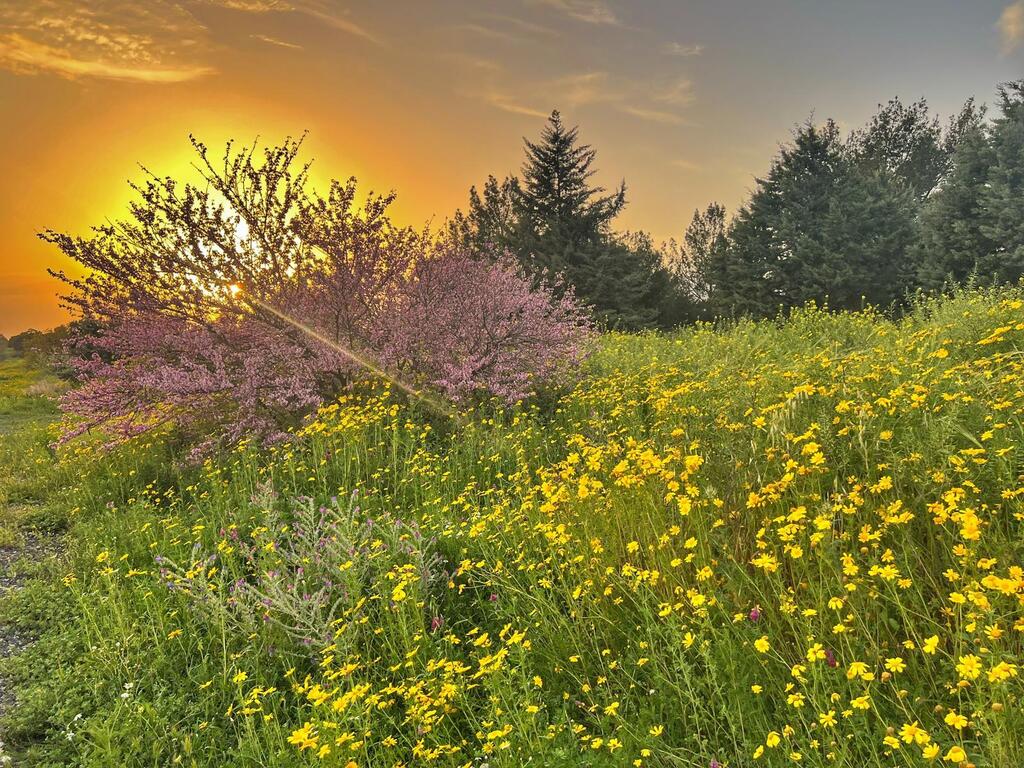
Bloom in the southern Golan Heights
(Photo: Ben Pershitz)
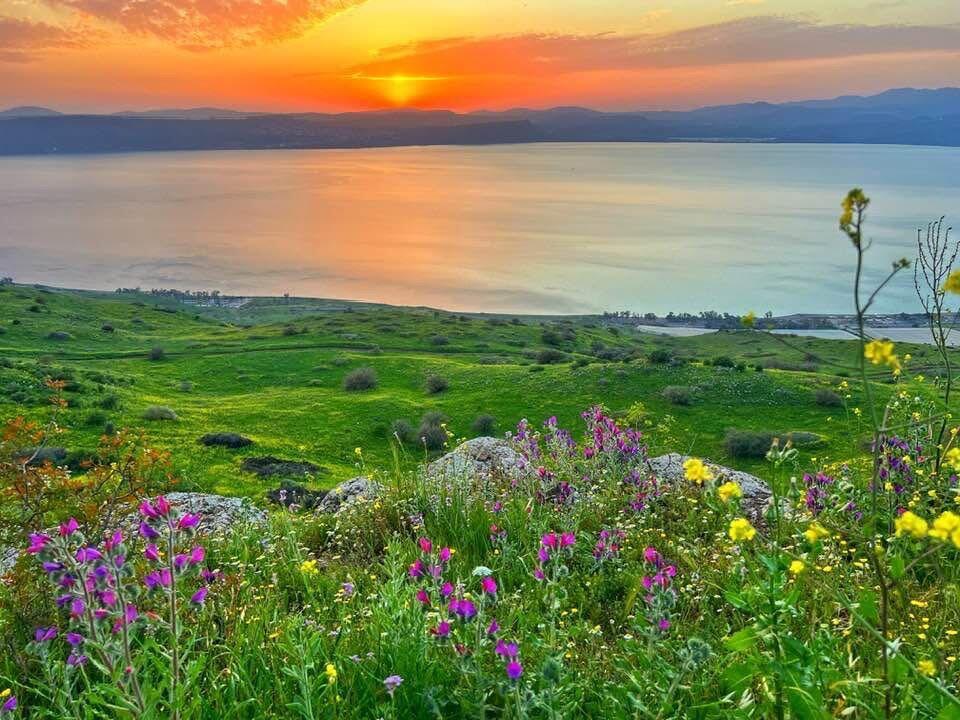
HaOn cliffs
(Photo: Ben Pershitz)
“in a moment, it will all disappear”
Between a sudden reserve duty call-up and heading north, 24-year-old photographer and Golani reservist Shimon Sudri found himself pausing for a brief but remarkable moment. “I got a message from a family member that the Parod waterfalls had started flowing after two years,” he said in a phone call from near the Lebanese border.
“I told myself I had to stop there on the way to reserve duty. These are truly rare waterfalls. You arrive and already hear the echo of the water before you see it. There are small cascades all along the path, everything flowing at full force. It’s an incredible sight. It’s not something you see every year. It happened suddenly, after we thought winter was over, and that’s what made it so special.”
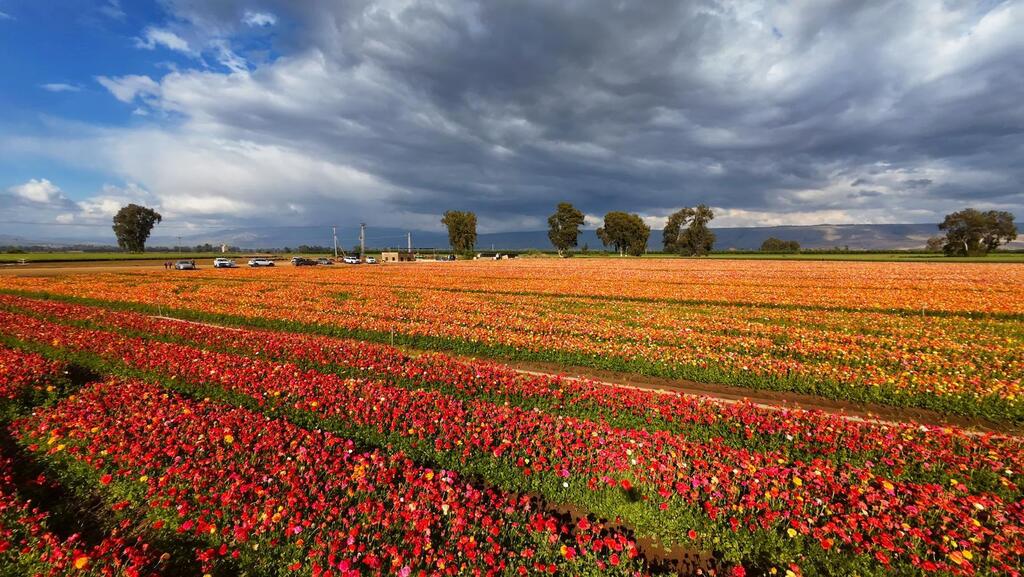
Unimaginable beauty
(Photo: Shimon Sudri)
At the same time, the landscape’s colors have reached their peak. “This is the most beautiful time,” Sudri said. “In March and April, everything blooms, and in a moment it will all disappear. There are also incredible buttercup blooms near Hagome Junction by Kiryat Shmona and in the south near Holit, where rare, colorful fields are right now.”
Behind the striking images lies a harsher reality. “I’m in reserve duty with Golani, on the way to the Lebanese front,” he said. The contrast between nature and war is impossible to ignore.
“It surprises me every time. I was in the previous ground operation in Lebanon, and suddenly I’m back here again. But if that’s what needs to be done, then that’s it. I hope we can remove the threat completely so residents of the north can live here quietly.”
Note: This article does not encourage the public to travel in violation of Home Front Command instructions.