

Beneath the waters of Lake Issyk-Kul in eastern Kyrgyzstan lie the remains of a city that once flourished along one of history’s great trading networks. The ancient settlement is believed to have sunk beneath the lake about 800 years ago. It stood along the Silk Road, the sprawling network of trade routes that connected China and the Far East with Europe and the Mediterranean.
Stretching roughly 6,500 kilometers, the network operated from around the second century BCE until the 15th century, carrying not only goods such as silk and spices but also ideas, technologies, art, languages and religions, including Buddhism and Islam, between civilizations.
Gallery
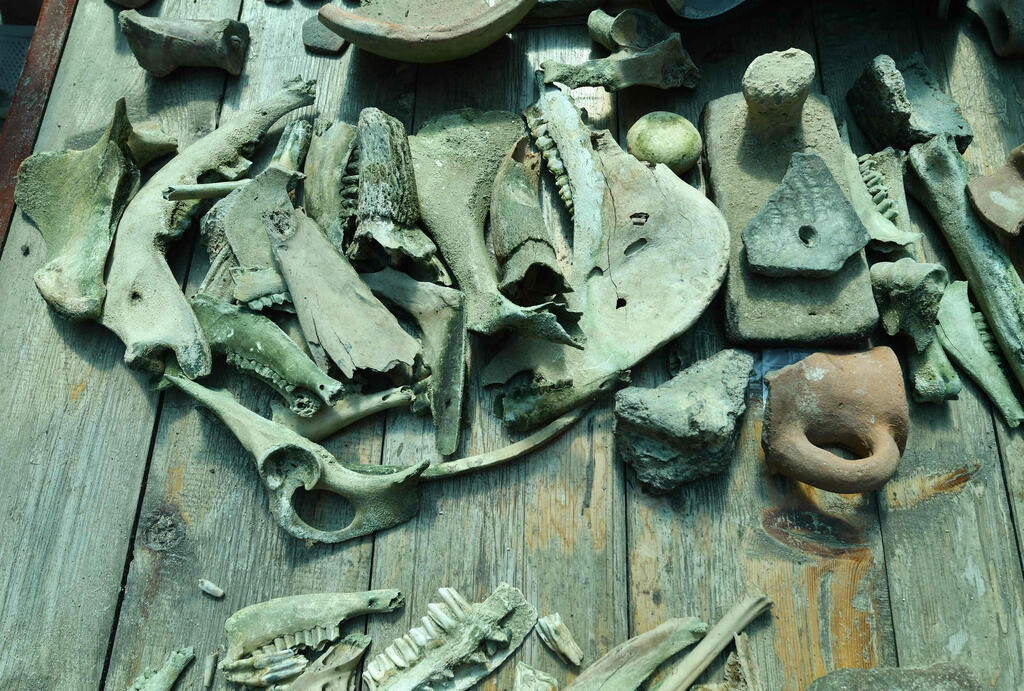
Animal bones and pottery fragments discovered on the bottom of Lake Issyk-Kul
(Photo: Vyacheslav Oseledko/AFP)
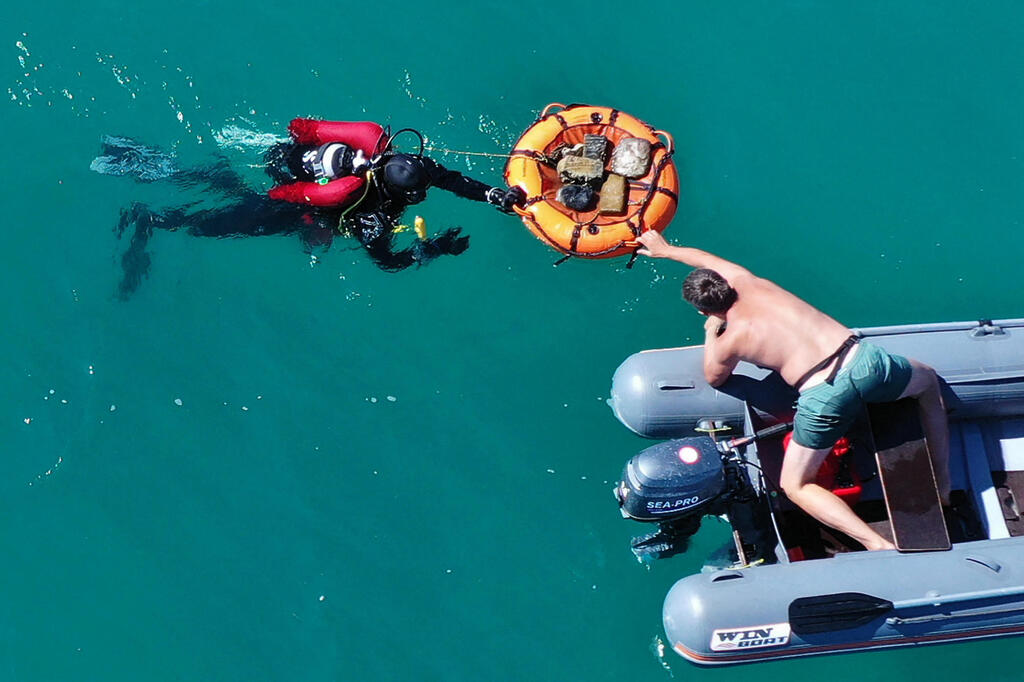
Members of the Russian-Kyrgyz expedition recover ancient artifacts from the bottom of Lake Issyk-Kul
(Photo: Vyacheslav Oseledko/AFP)
A team of about 20 researchers is now trying to uncover the city’s past, with findings that could help reshape understanding of the history of Central Asia and beyond. “Visibility isn’t at its best, but I hope we’ll still manage to find the boundaries of the city,” volunteer diver Elizaveta Bodrova told AFP before jumping from a motorboat into the depths of the mountain lake.
Issyk-Kul is the world’s second-largest alpine lake after Lake Titicaca in South America. The project began in 2024 and is funded by the Russian Academy of Sciences. It is the first comprehensive investigation of the site since it was rediscovered in the 19th century.
Although the territory of modern Kyrgyzstan is often associated with nomadic peoples, many civilizations lived there over the centuries, including Turkic dynasties that maintained trade links between Europe and China.
“In fact, this is a region that remains an unresolved mystery in history, even though it lies right in the heart of Central Asia,” said Maxim Menshikov, an underwater archaeologist at the Institute of Archaeology of the Russian Academy of Sciences who leads the large-scale expedition at Issyk-Kul.
“This is an extremely important chapter in human history, because this was the period that connected East and West during the Middle Ages. The Silk Road is not just the history of one region, but of Eurasia as a whole.”
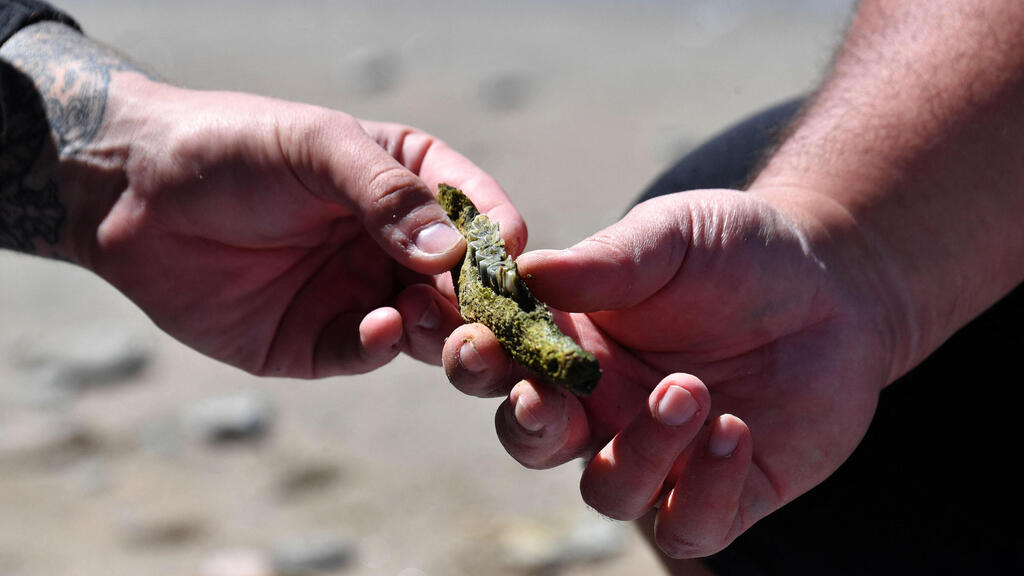
Animal bone remains discovered in the waters of Lake Issyk-Kul
(Photo: Vyacheslav Oseledko/AFP)
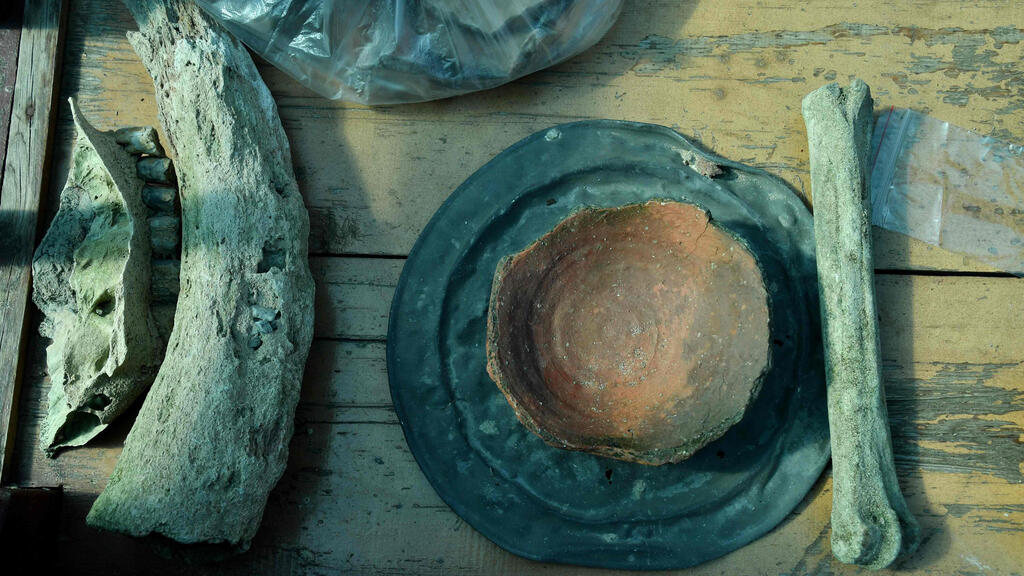
Ancient artifacts discovered by expedition members on the bottom of Lake Issyk-Kul
(Photo: Vyacheslav Oseledko/AFP)
Researchers currently believe the section of the Silk Road passing through the city, sometimes dubbed the “Atlantis of Central Asia,” was under the control of the Kara-Khanids, a Turkic dynasty that ruled large parts of Central Asia from the ninth century until the early 13th century.
The city’s name and population remain unknown, but researchers believe it may have covered an area of up to five square kilometers. Dating the remains is difficult, but evidence from two cemeteries discovered at the site suggests they date from the early period of Islamization in the region.
Among the structures identified so far is an ornate public building that may have been a mosque, public bathhouse or religious school. Hours of surveys across the lakebed have also yielded animal bones and fragments of pottery.
“The bones that were found will allow archaeologists to date the remains and determine what the people and animals living in this area ate,” said Viktor Pozdnyakov, a member of the Russian-Kyrgyz expedition. “The pottery will allow us to date the findings and determine the approximate period more precisely. And, of course, to understand where they were produced, how they were made and what methods were used.”
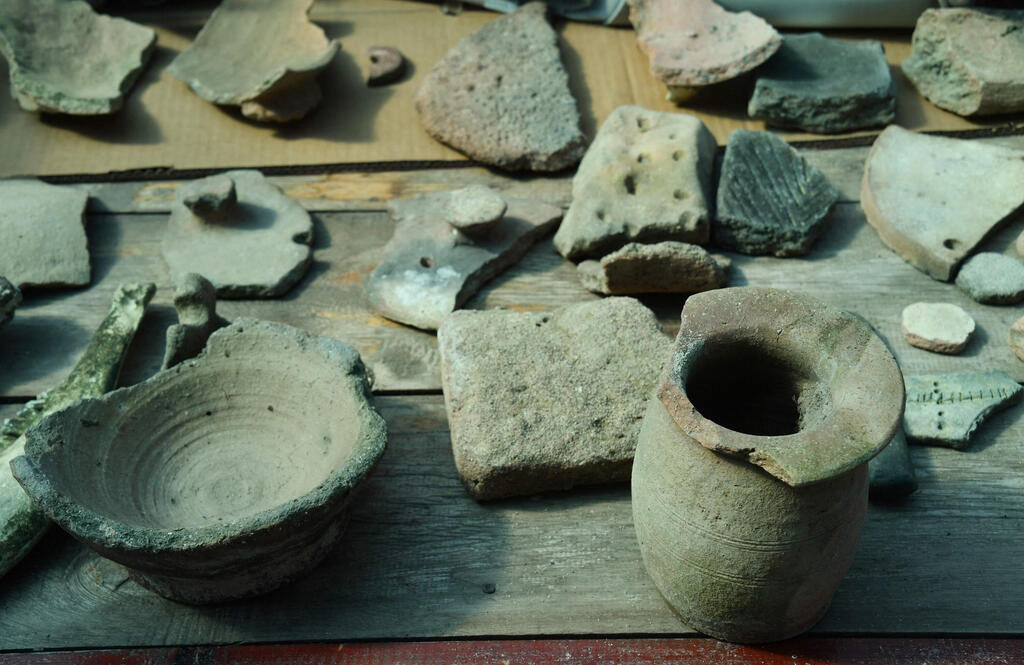
Pottery remains recovered from the waters of Lake Issyk-Kul in Kyrgyzstan
(Photo: Vyacheslav Oseledko/AFP)
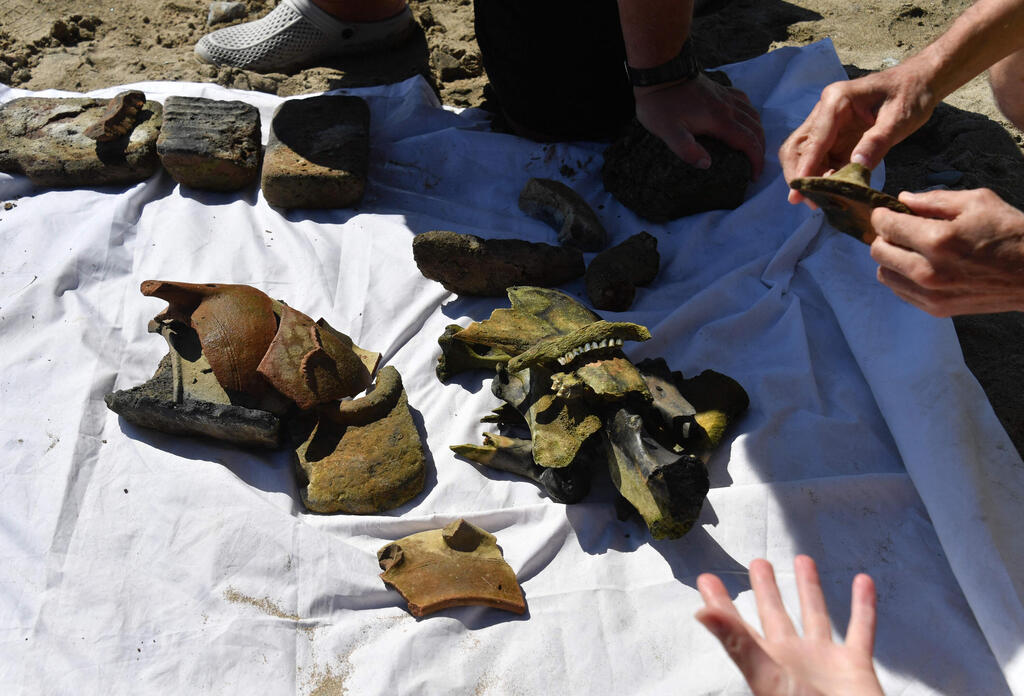
Examining remains discovered at the underwater site on the bottom of Lake Issyk-Kul, identified by researchers as a submerged medieval Silk Road city
(Photo: Vyacheslav Oseledko/AFP)
Once removed from the water, the finds are carefully preserved, catalogued and documented. Among the better-preserved items is a child’s chamber pot known as a tuvaq. “In fact, these chamber pots are still used today in Central Asia and the Caucasus,” Menshikov said, describing the object as a glimpse into everyday life in the lost city.
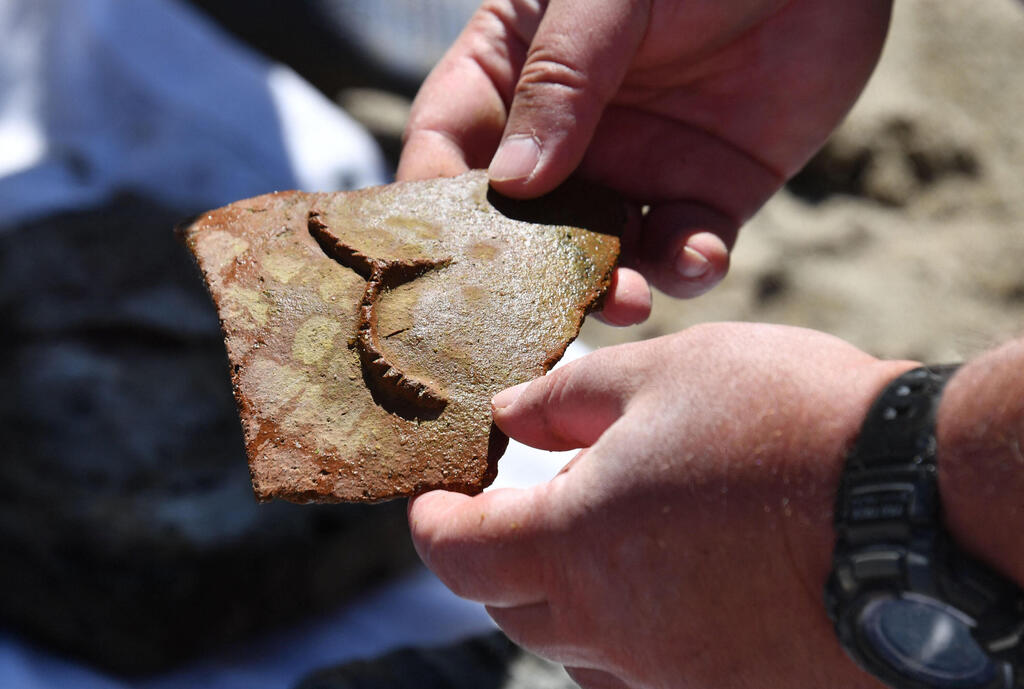
Pottery fragment discovered on the bottom of Lake Issyk-Kul
(Photo: Vyacheslav Oseledko/AFP)

Lake Issyk-Kul in eastern Kyrgyzstan, with the snow-covered Tien Shan mountains in the background
(Photo: Thiago B. Trevisan/Shutterstock)
‘Comparable to Pompeii’
Although the submerged site has been known to researchers since the 19th century, Russian and Kyrgyz teams have only begun systematically studying it in recent years.
Researchers see the work as an important step toward better understanding the history of Central Asia.
“This research can be compared with Pompeii,” Menshikov said, referring to the ancient Roman city and surrounding settlements buried by the eruption of Mount Vesuvius in 79 CE.
The exceptional preservation of Pompeii turned it into a remarkable time capsule of Roman life.
“A highly developed civilization and culture were destroyed in an instant by nature,” Menshikov said.
Unlike Pompeii, however, exactly what caused the city at Issyk-Kul to disappear beneath the water remains a mystery.
One theory is that the settlement sank following a landslide. Another suggests it was gradually flooded after geological activity created a natural tectonic dam, which can form as a result of earthquakes, shifting plates or faults in the Earth’s crust.
Andrei Strelnikov, a geologist from the Russian Academy of Sciences and a member of the research team, said the most likely explanation may be a powerful seismic event.
“The most probable reason for the city’s submersion is a seismic disaster in the past,” he said.