

Israel is facing an increasingly extreme climate, with a series of unusual weather patterns, including heatwaves, heavy rains, and hailstorms. Experts warn that these conditions, amplified by climate change, are pushing the country toward a future where parts of it will become increasingly difficult to live in.
In a recent interview with ynet, climate experts Professor Oded Potchter from the Holon Institute of Technology and Professor Menachem Luria from the Hebrew University discussed the potential long-term consequences of the climate crisis. They emphasized that as global temperatures rise, the frequency of dust storms in Israel is expected to increase, worsening air pollution and posing a threat to public health.
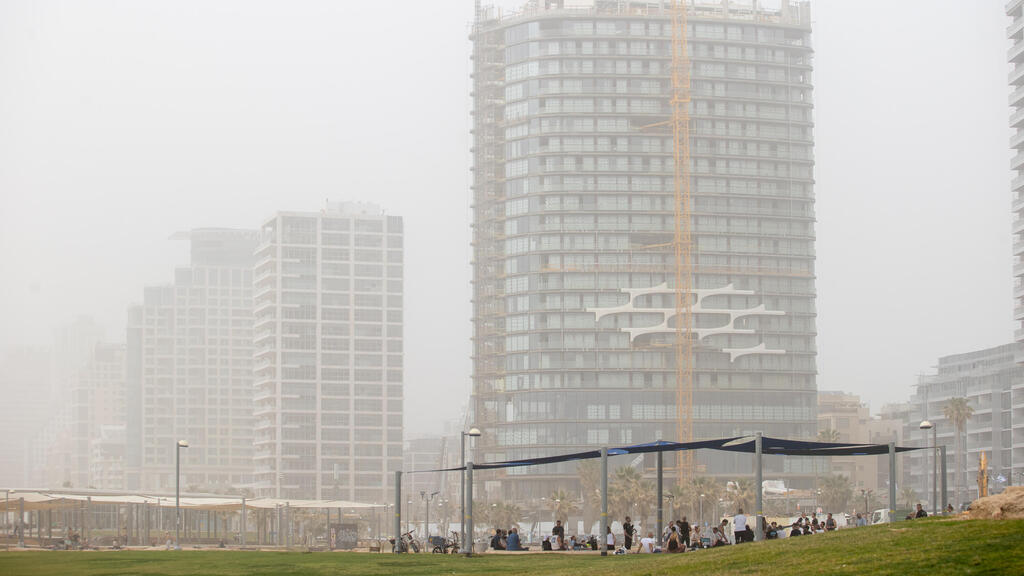
Potchter explained that over the past 15 years, the frequency of dust storms had decreased, but this year, it was "exceptional" in both intensity and frequency. According to him, the rise in temperatures and soil dryness is contributing to more dust being stirred up by atmospheric systems that would not have created as much in the past.
Looking to the future, Luria warned of increasingly severe heat waves, particularly in areas where temperatures could exceed 50 degrees Celsius, making it unsustainable for long-term living. "By the end of the 21st century, it will be much harder to live in places where temperatures regularly exceed 50 degrees," Luria said, adding that parts of Israel, such as the southern Arava, Eilat, and the Jordan Valley, could face uninhabitable conditions.
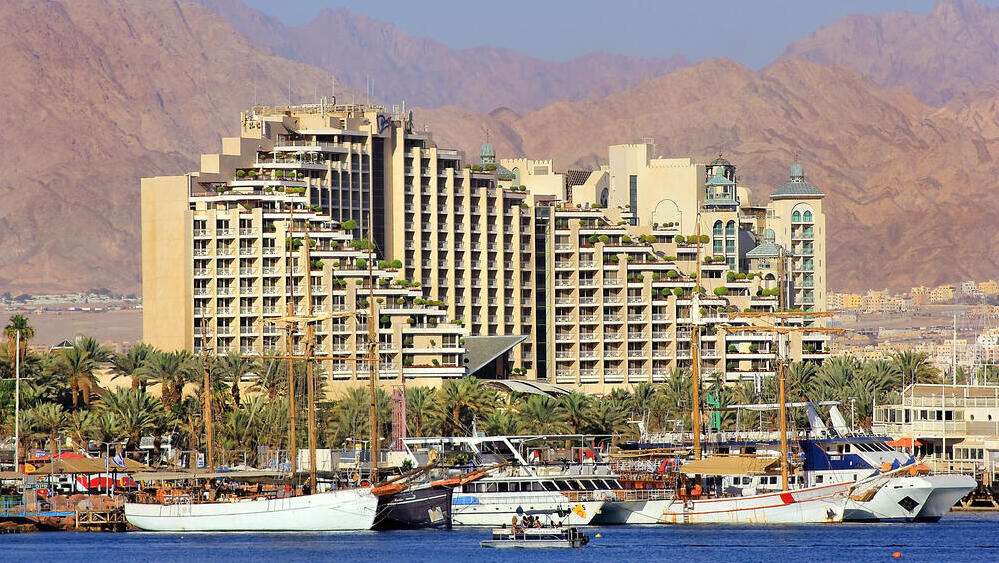
Eilat may face uninhabitable conditions according to experts
(Photo: Shutterstock)
Luria also blamed the U.S. and China for the global rise in temperatures, pointing to their reliance on coal as a major factor in increasing emissions. “The demand for energy is growing, and the solution has been to use more coal, which is the main enemy of climate stability," he said.
As a result of these changes, weather patterns are shifting, with longer summers and shorter winters. This is coupled with the return of the El Niño phenomenon, which is expected to further intensify the weather patterns. Potchter noted that the coming El Niño, set to start in July, is predicted to be particularly powerful, possibly leading to a warm and unpredictable summer season.
The climate experts cautioned that these changes should be seen on a long-term scale, and if the current trend continues, the future climate in Israel and surrounding regions could present insurmountable challenges, particularly for the most vulnerable populations.
This growing instability highlights the urgency for stronger climate action and adaptation measures in the coming decades to protect the most affected regions in Israel and beyond.