

One of the most recognized customs of Rosh Hashanah, awaited by many in synagogues across the country, is the sounding of the shofar. A deep, rolling tone emerges from the large, hollow horn. As we all know, the shofar originates from the horn of an animal.
To mark the holiday, and as a tribute to the horned creatures that make this ancient ritual possible, the Israel Nature and Parks Authority shared the stories of animals adorned with horns in Israel’s landscapes.
Mating season
(Video: Eyal Ben Giat)


Hooved animals: the horns we all know
Broadly speaking, there are two main types of horns among hoofed animals. The first are permanent horns, seen on ibex, gazelles, oryx, cattle, goats and antelopes. These horns do not regenerate each year but remain throughout the animal’s life.
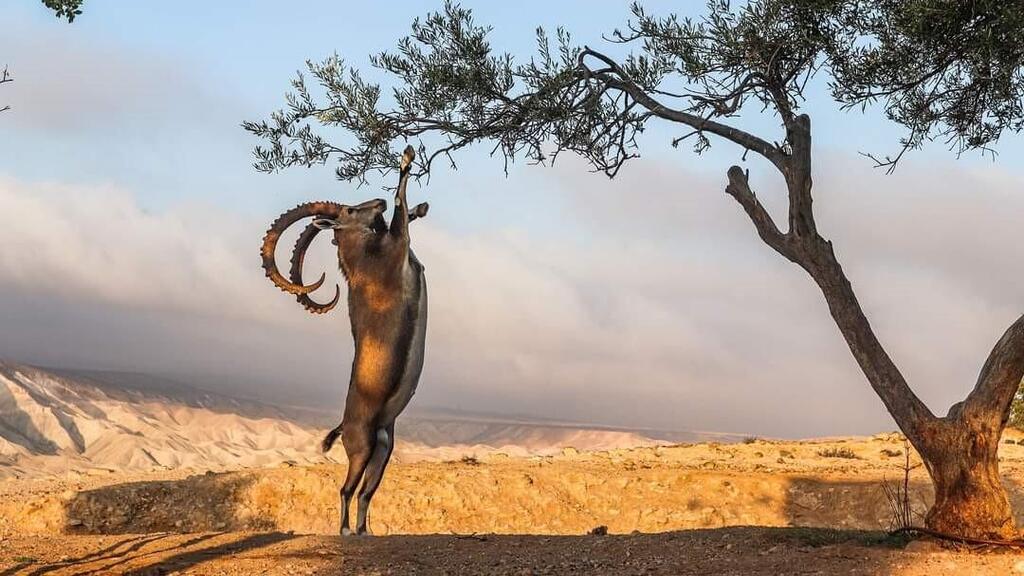
A horn is made of a bony core covered by a keratin sheath — the same substance as nails or hooves. They grow from a young age and continue for life, though they may break or wear down. Both males and females usually bear horns, though in some species the females’ are smaller. Horns serve for defense, dominance battles and sometimes even social ranking.

Roe deer
(Photo: Dotan Rotem,Nature and Parks Authority)
The second type belongs to animals with antlers, which are shed and regrown each year. Deer renew themselves not for Rosh Hashanah, of course, but for their own “holiday” — mating season. In Israel, that includes the Persian fallow deer and the Carmel red deer, as well as non-native spotted and red deer kept in zoos.

Arabian oryx
(Photo: Doron Nissim, Nature and Parks Authority)
Unlike permanent horns, antlers are pure bone without a keratin covering. Each year, they fall off and regrow. During growth, they are covered by velvet skin rich in blood vessels and nerves. After breeding season, the antlers detach and drop, only to return larger and more branched the next year. In this group, almost always only males carry antlers.
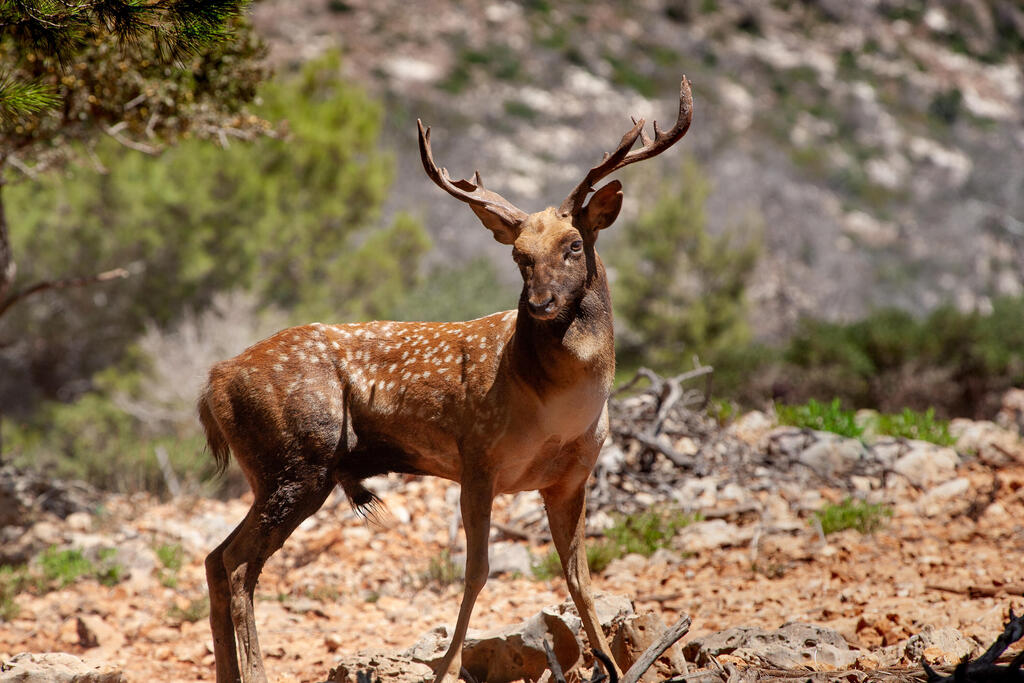
Fallow deer
(Photo: Doron Nissim, Nature and Parks Authority)
Venomous snakes — and crowned with horns
Horns are also found in the snake world, particularly among vipers. Some, like the Israeli Saharan horned viper, sport single pointed scales above each eye.

Saharan horned viper
(Photo: Aviad Bar, Nature and Parks Authority)
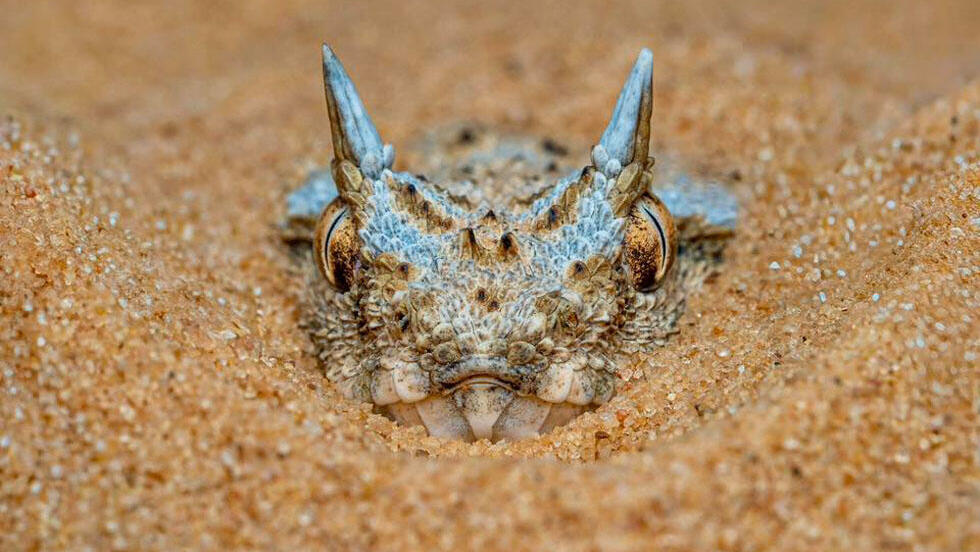
(Photo: Harel Dahan)

(Photo: Iftah Ohayon)
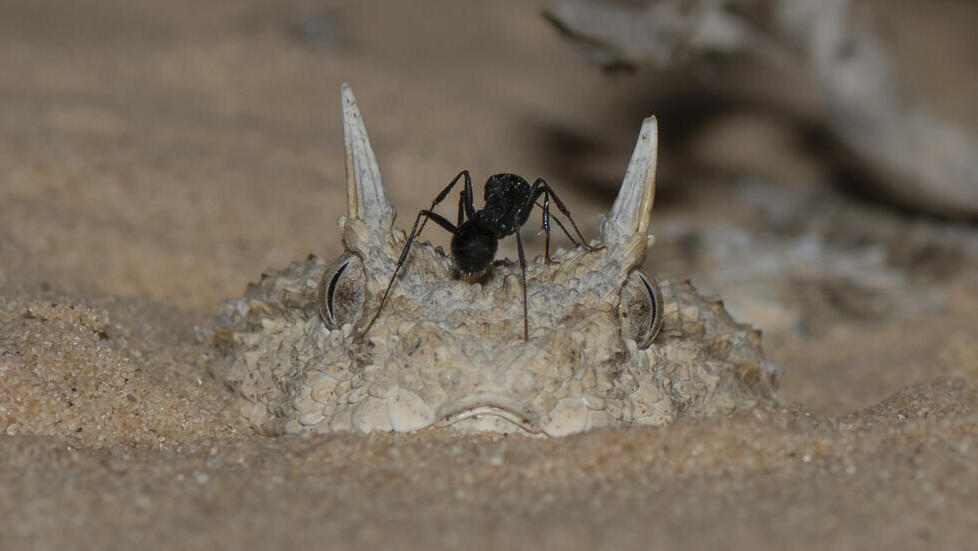
(Photo: Adi Badash)
Others, such as the horned desert viper, feature ridged protrusions. Abroad, there are even snakes with rhinoceros-like horns between their nostrils, including the rhinoceros viper of Central Africa and the horned viper of Europe.
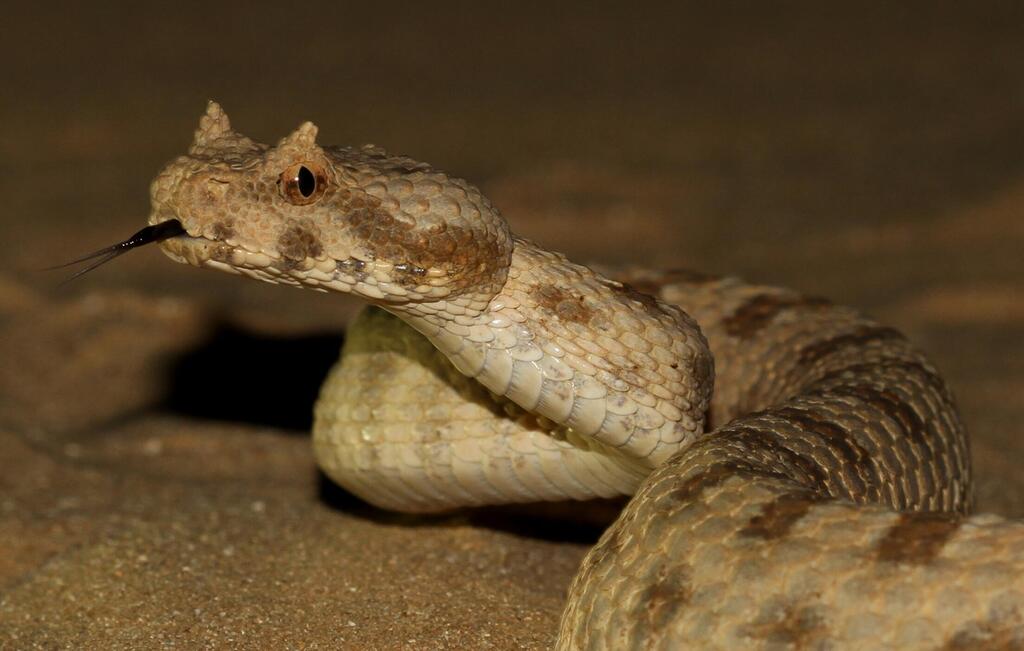
Field's horned viper
(Photo: Aviad Bar, Nature and Parks Authority)
The exact purpose of these horns is still debated. One theory is that they help snakes camouflage with the terrain when ambushing prey. Another suggests they play a role in luring or confusing prey.
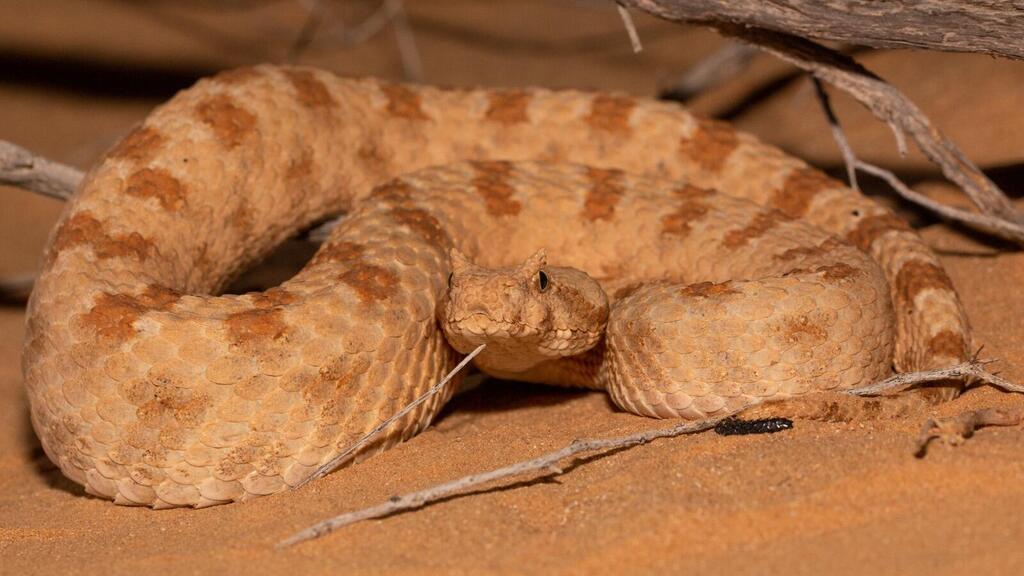
(Photo: Eran Gissis)
Beetles with a single horn
The rhinoceros beetle, belonging to the dung beetle family, lays its eggs inside rolled dung balls prepared by the female. These balls provide shelter and food for the larvae that hatch. The beetles take their name from the prominent horn on the head, which is larger in males. They use it in combat to fend off rivals, with bigger horns giving males better chances of mating.
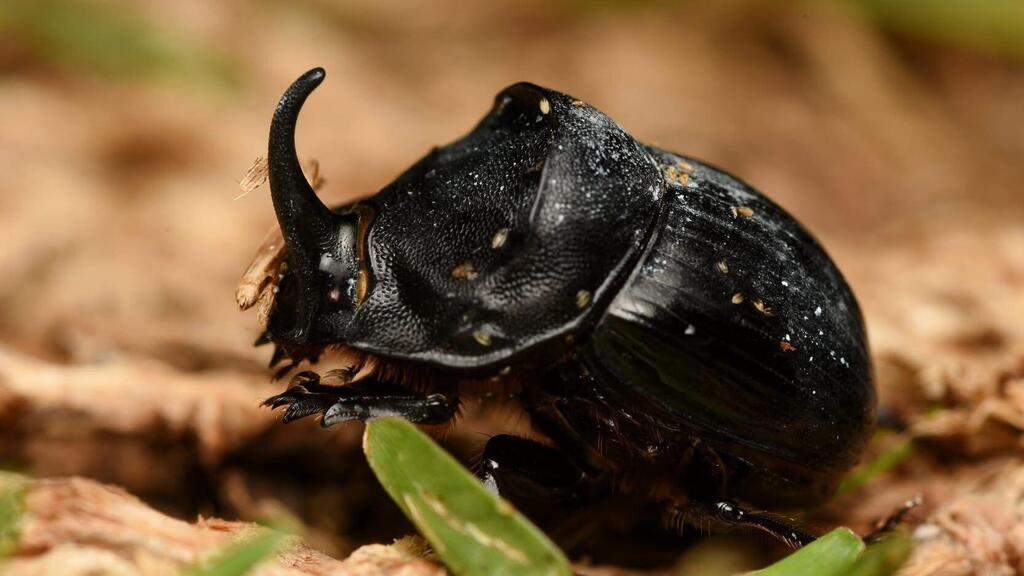
Copris hispanus
(Photo: Oren Oster)
In equatorial regions, different rhinoceros beetles carry horns of varying sizes and shapes, sometimes as long as their entire body. In Israel, the Spanish rhinoceros beetle is common, often seen on summer nights drawn to lights.
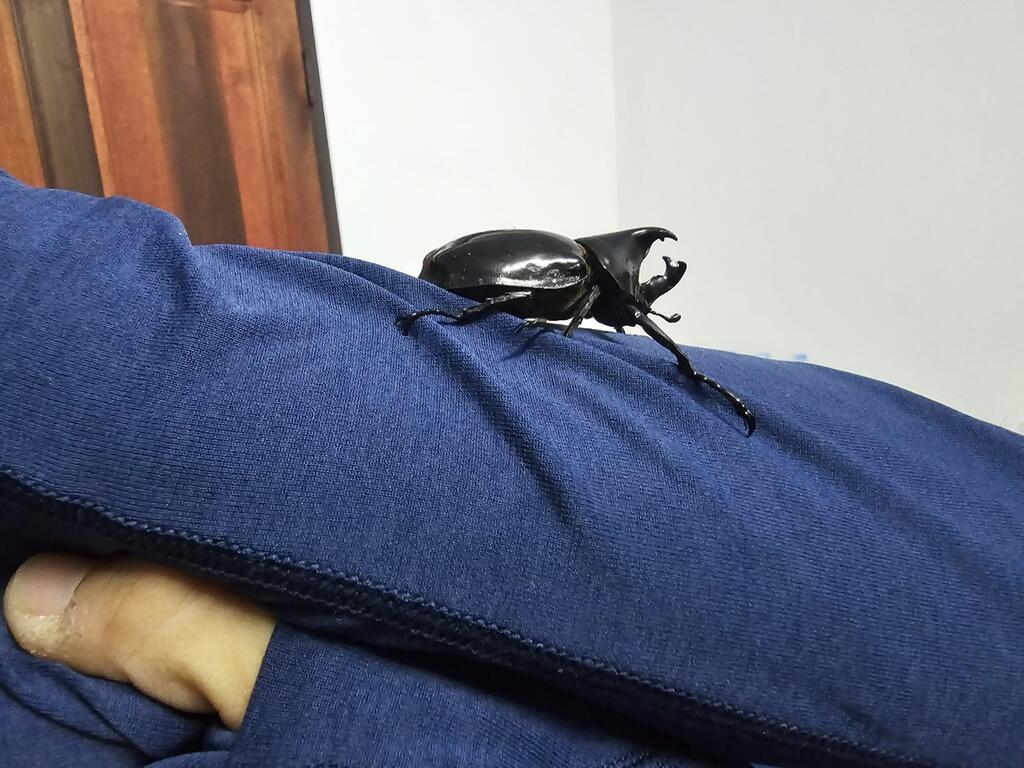
Asian rhinoceros beetle
(Photo: Aviad Bar, Nature and Parks Authority)
Unicorn fish beneath the sea
The unicornfish, also known as the Naso tang, takes its name from the horn that grows from the forehead of adult fish. Young fish lack the feature, but it develops with maturity, giving them a rhino-like profile.
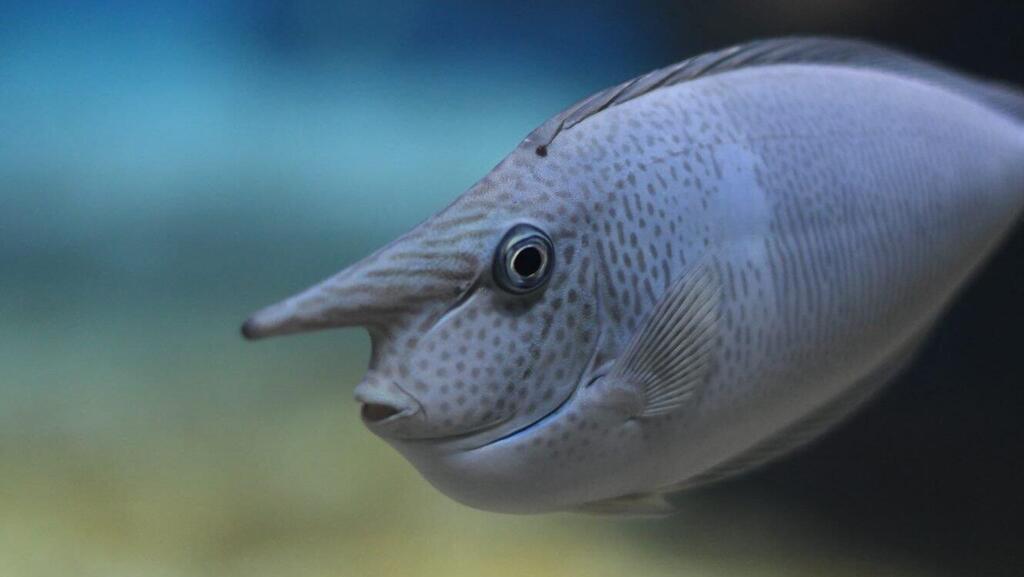
Unicorn fish
(Photo: Screenshot)
With striking colors and body shape, some unicornfish species are popular in saltwater aquariums. The horn, along with sharp spines near the tail, helps protect against predators. These fish live in shallow coral reefs from the Red Sea and East Africa to Hawaii. At Eilat’s Coral Beach Nature Reserve, snorkelers and divers can often spot them grazing on algae or drifting in schools.