


Israel boasts nearly 200 kilometers of Mediterranean coastline—but in many places, the danger comes not from the sea, but from above. The Mediterranean Coastal Cliffs Preservation Government Company warns that unstable calcareous sandstone cliffs pose a life-threatening risk of collapse, seen roughly once every two months.
Although authorities recognized the need to reinforce the coastal cliffs as far back as 2010, the required funding has yet to materialize. In a letter to the ministers of interior and environmental protection, company CEO Ilan Lavi cautioned: “All cliffs could collapse at any time.”
A cliff collapse
(Video: The Mediterranean Coastal Cliffs Preservation Government Company)


Of Israel’s 190 kilometers of Mediterranean coastline, about 45 kilometers—stretching from Hadera to Ashkelon—are lined with unstable cliffs rising 10 to 45 meters high. In recent years, collapses have become more frequent along beaches in the Sharon, Tel Aviv, and Netanya areas. Many hazardous sections, both officially designated and publicly accessible, span most of Israel’s coastal municipalities.
Gallery
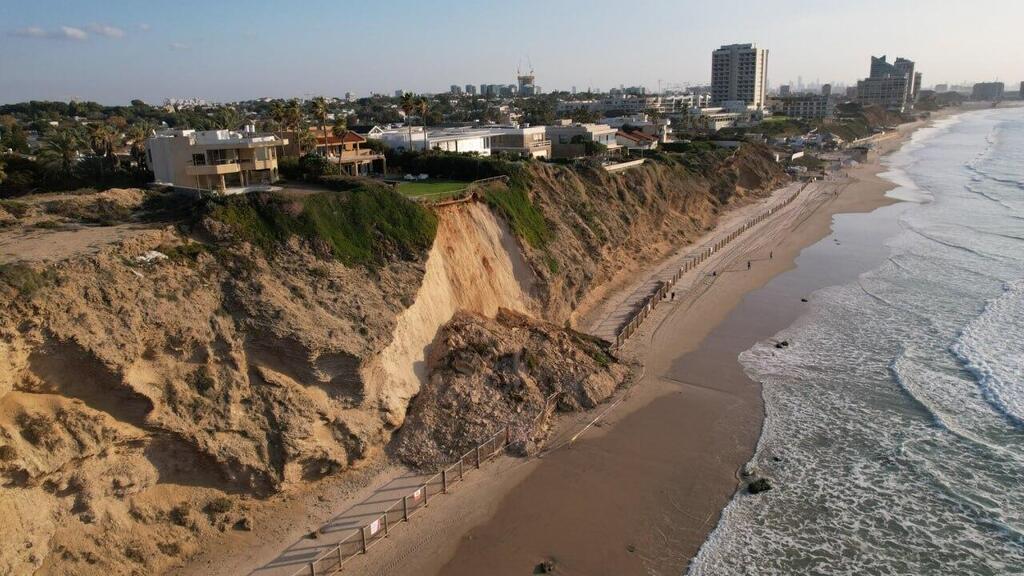
A cliff collapse at a Herzliya beach
(Photo: The Mediterranean Coastal Cliffs Preservation Government Company)
The preservation company currently focuses on protecting cliffs from sea erosion, leaving land-based reinforcements to local authorities, who often lack the budget, expertise, and regulatory support to act. The company and the Coastal Authorities Forum estimate that land defenses would require roughly NIS 500 million, while sea defenses would cost another NIS 410 million.
Lavi’s letter warned that even cliffs not listed as high-risk could still pose immediate danger: “Extreme events—such as earthquakes or severe storms—could significantly worsen stability and hazard assessments.” Any delay in building sea or land defenses, he added, increases the danger.
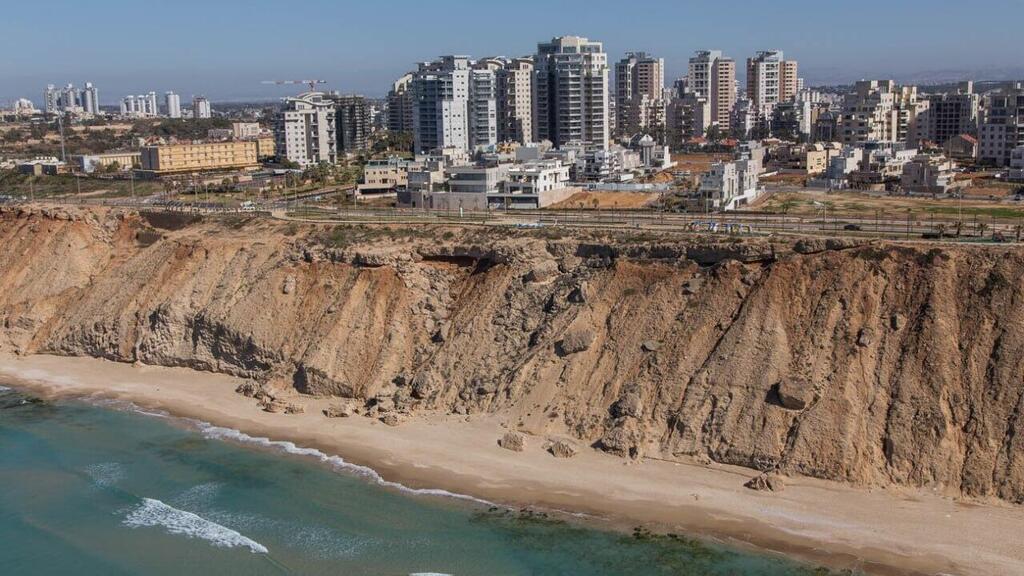
Herzliya
(Photo: The Mediterranean Coastal Cliffs Preservation Government Company)
Galit Shaul, chair of the Coastal Authorities Forum and head of the Emek Hefer Regional Council, said the risk is escalating. “The danger is clear and immediate,” she said. “Local authorities cannot handle this alone. It’s a massive national task, like road infrastructure, requiring significant state funding and a coordinated plan, just as is done worldwide.”
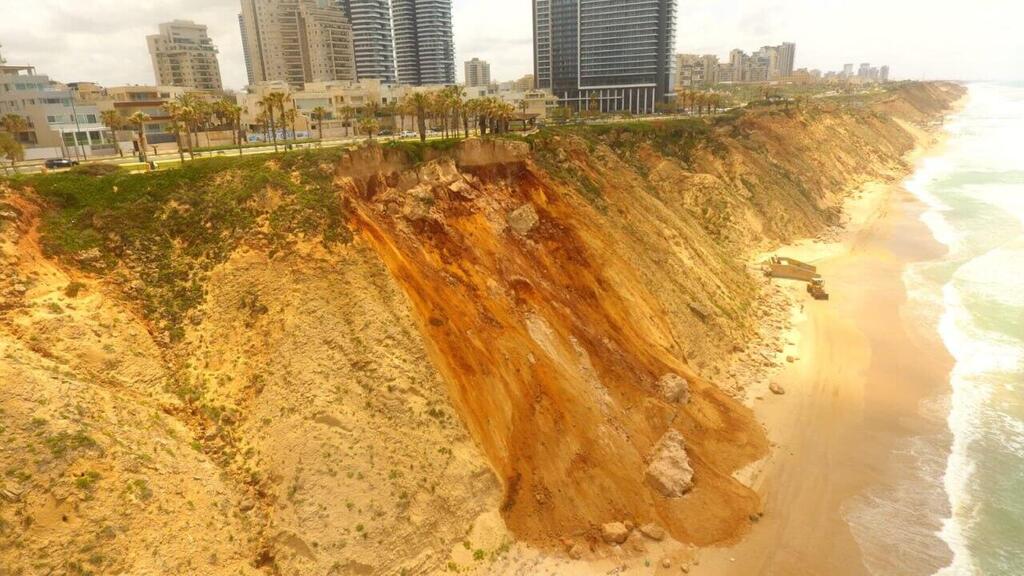
Netanya
(Photo: The Mediterranean Coastal Cliffs Preservation Government Company)
Get the Ynetnews app on your smartphone: Google Play: https://bit.ly/4eJ37pE | Apple App Store: https://bit.ly/3ZL7iNv
Shaul said that a national inter-ministerial committee was created to address the problem, including representatives from the interior and environmental ministries. But despite requesting NIS 500 million from the government, she said, “No progress has been made, and no decision has been taken for the state to assume responsibility. Cliff collapses have already claimed lives, and without urgent action, the next tragedies are only a matter of time.”
The preservation company stressed that the cliffs are in a state of ongoing erosion and collapse, posing an immediate danger to public safety and coastal infrastructure. Without stable, multi-year funding for additional sections, they warned, “the danger will grow and spread.”
The Interior Ministry said it has worked with local authorities and other ministries to address cliff erosion and has secured an initial NIS 60 million for all coastal municipalities. It continues to seek additional funding, though it noted that many local authorities have yet to use the money allocated to them.
The Environmental Protection Ministry did not respond to requests for comment.