

Silver served as a payment method in Israel some 3,600 years ago, long before the invention of coins, according to a multidisciplinary study from the University of Haifa.
Published in the Journal of World Prehistory, the study highlights that over 1,500 years, silver played a distinct and evolving economic role in the region. The findings stem from a systematic analysis of dozens of silver hoards from the Bronze and Iron Ages, unearthed at archaeological sites across the country.
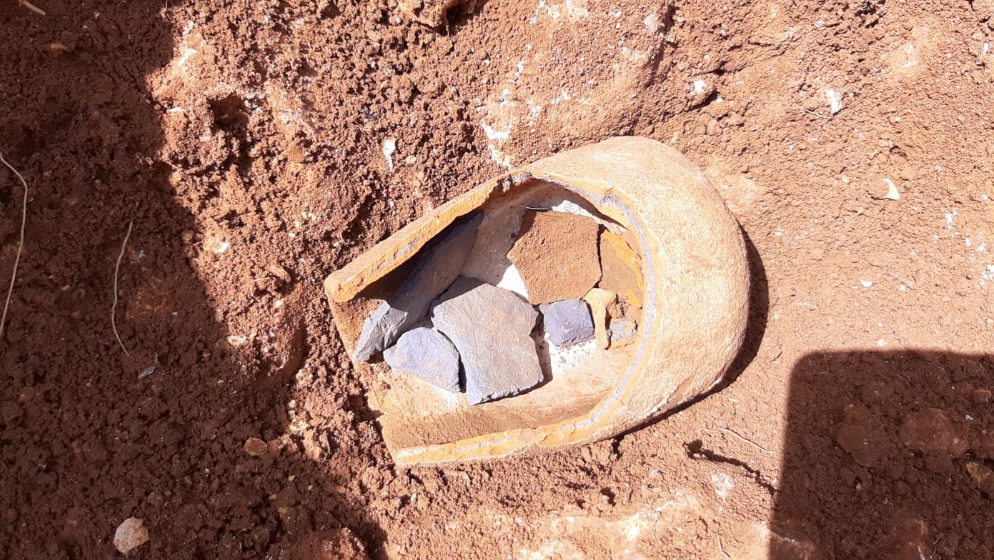
Dr. Tzilla Eshel from the School of Archaeology and Maritime Cultures at the University of Haifa, who led the study, said: “The evidence shows that despite the absence of coins, silver was regularly used as a payment method, stored for future transactions by both institutions and individuals.”
The study challenges earlier assumptions that silver hoards, found in the ancient Near East—including Mesopotamia, Anatolia and Syria—since the 3rd millennium BCE, were merely jeweler surplus, raw metal stockpiles or foundation offerings. In Israel, lacking natural silver sources, dozens of hoards from the Bronze and Iron Ages were long thought to fit this mold.
Eshel, who previously traced silver origins to the region, sought to determine if these hoards served as weight-based currency and what they revealed about ancient Israel’s economy.
Her analysis covered dozens of hoards from the 20th to 6th centuries BCE, assessing burial dates, building contexts, social-economic settings and contents—such as silver ingots, broken jewelry and cut pieces weighed for trade. Chemical tests on 230 items from 19 hoards identified metal composition, copper and arsenic additives, and purity shifts over time.
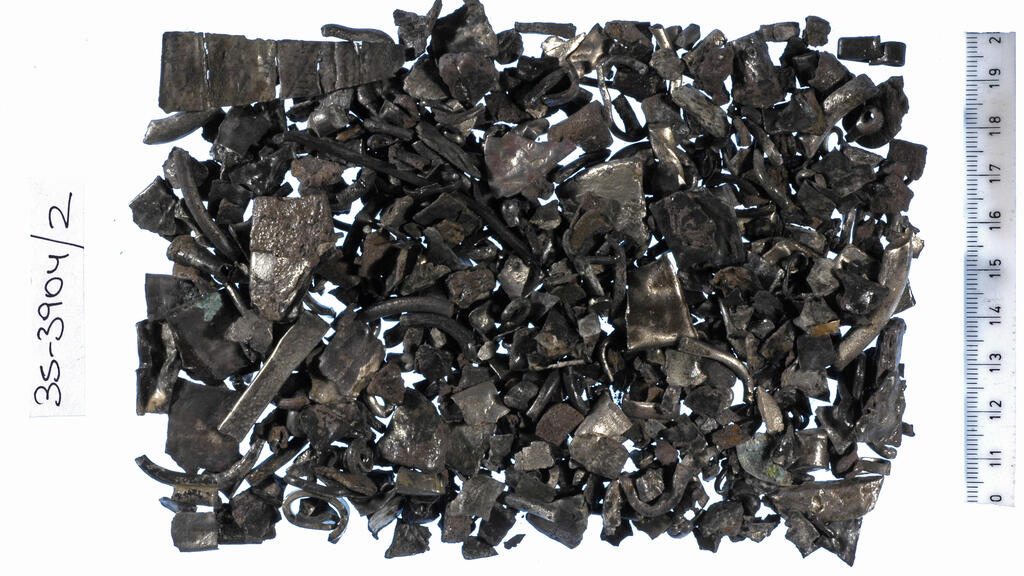
Silver remains located in Israel
(Photo: Israel Antiquities Authority)
Unlike her prior site-specific studies, the current study mapped a 1,500-year span, uncovering gradual economic trends. It found systematic silver use as currency in Israel by the 17th century BCE, predating similar practices in Egypt and Greece. The earliest hoards, from Shilo and Gezer, indicate early weighed silver for trade.
During the Late Bronze Age, gold may have briefly dominated, but by the 13th century BCE, silver resumed as the primary medium. From the 12th century onward, hoard numbers, geographic spread and silver volume grew, signaling a market economy’s rise.
Initially buried in public buildings, hoards later appeared in private homes, reflecting everyday civilian use. Broken or cut items further suggest they functioned as currency by weight, not jewelry.
Chemical analysis revealed relatively pure silver in early periods, but from the 12th to 10th centuries BCE, intentional alloys with copper and arsenic emerged. This likely aimed to reduce value, mask purity drops or even forge currency.
“The first coins appeared in the 7th century BCE, but monetary system principles—uniformity, value control and even forgery—operated here centuries earlier,” Eshel concluded. “The continuous use of silver points to a sophisticated economy that evolved organically within society.”