

Yom Kippur is one of the most unusual days of the year in Israel, not only socially and religiously, but environmentally. For roughly 24 hours, millions of people stop working, roads empty of cars and much of the country falls into a level of quiet almost unknown in everyday life.
But while people stop, nature does not. Wildlife suddenly experiences a dramatic change in its surroundings: less noise, less traffic and less air pollution. So what happens when the cars disappear, and what can that rare quiet teach us about the effect transportation has on wildlife throughout the rest of the year?
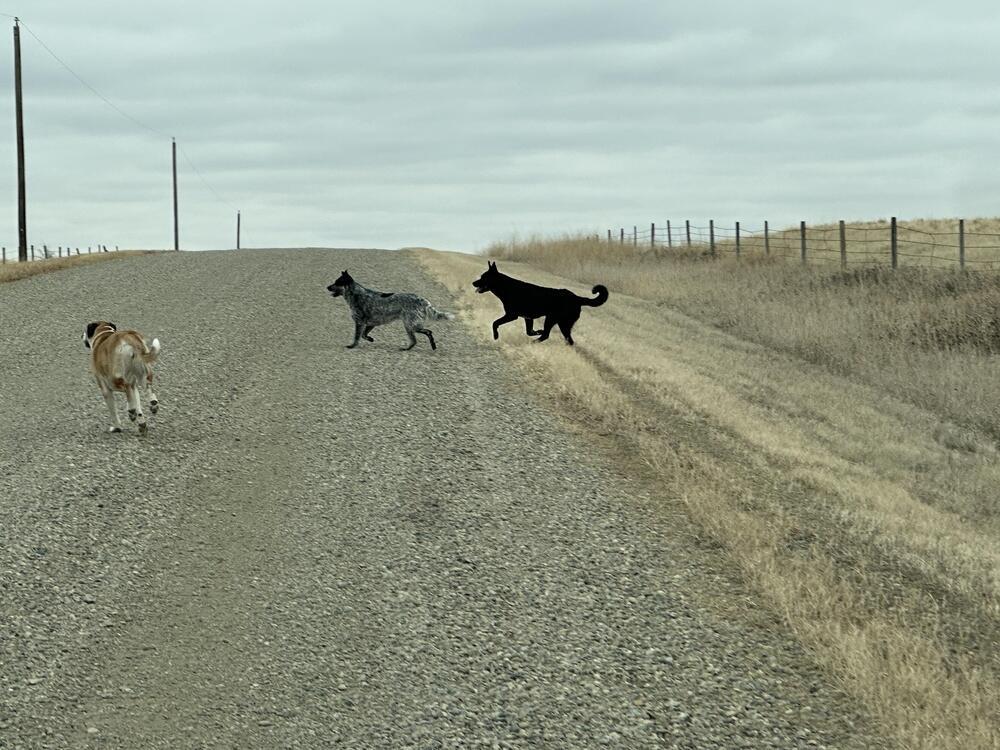
The impact does not end at the asphalt
For animals, the sudden disappearance of traffic can immediately alter their surroundings. Throughout the year, wildlife is exposed to pollutants emitted by vehicles and forced to contend with roads cutting through habitats and creating a constant risk of being struck.
“Animals can detect changes in their environment over extremely short periods of time,” says Dr. Yael Lenard, a researcher at Ben-Gurion University of the Negev who studies the effects of noise pollution on animals.
Road noise, she says, can also determine how animals use space. “A noisy, busy road is a significant obstacle for wildlife. Because of vehicle traffic and the noise it produces, we see reduced animal activity even kilometers away from roads.”
The dramatic drop in traffic noise on Yom Kippur could therefore allow animals to move closer to areas they would normally avoid. Lenard cautions, however, that no comprehensive study in Israel has directly measured Yom Kippur’s effect on wildlife.
What researchers do know is that traffic noise can interfere with communication between animals, make it harder for them to detect predators or prey and alter their activity patterns.
Vehicle pollution can also affect animal health. Studies involving birds, for example, have found that exposure to traffic emissions may damage or suppress immune-system function and disrupt physiological processes.
The danger is even more direct on the road itself. An Israeli study based on a decade of data covering more than 2,800 kilometers of roads and 18 wildlife species found that roadkill risk varies by species and traffic volume. It also found that roads with relatively modest traffic can still pose a significant threat.
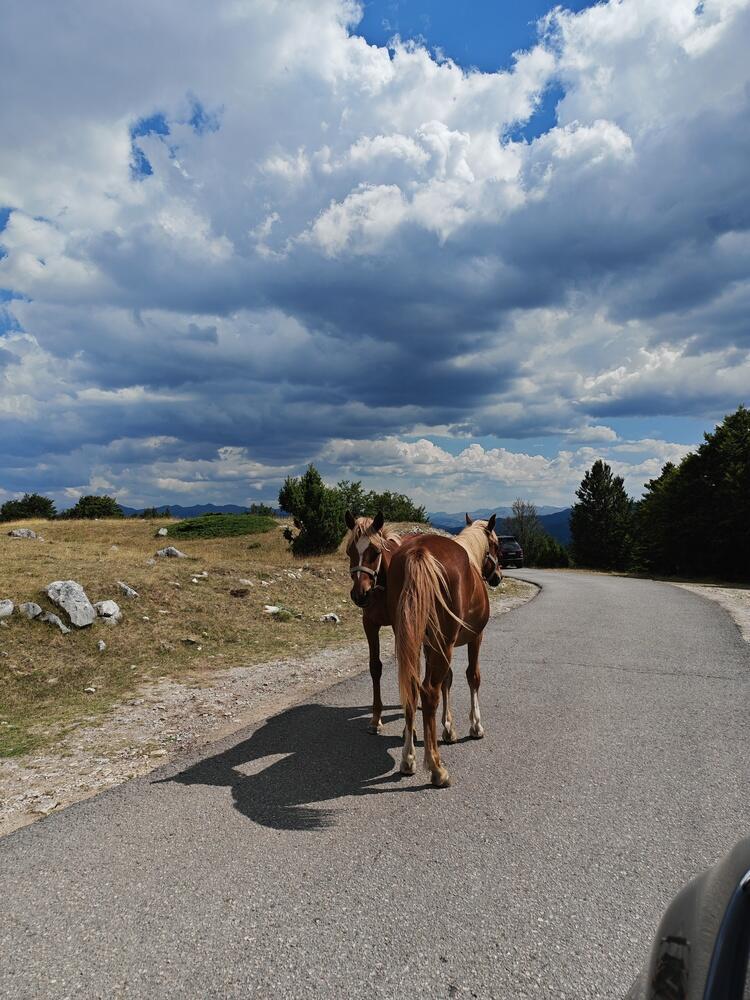
Two horses wandering on an empty road
(Photo: Alexmontetravel/Shutterstock)
But the ecological effects of roads extend far beyond their physical footprint. Research led by Lenard together with Dr. Gopal Murali, Prof. Uri Roll and Prof. Oded Berger-Tal of Ben-Gurion University’s desert research institutes examined how far traffic noise extends beyond roads and how it may affect animal behavior, particularly birds’ selection of nesting and habitat areas.
The team analyzed dozens of previous studies on road-noise effects and combined their findings with data on Israel’s road network, traffic volumes and habitat types.
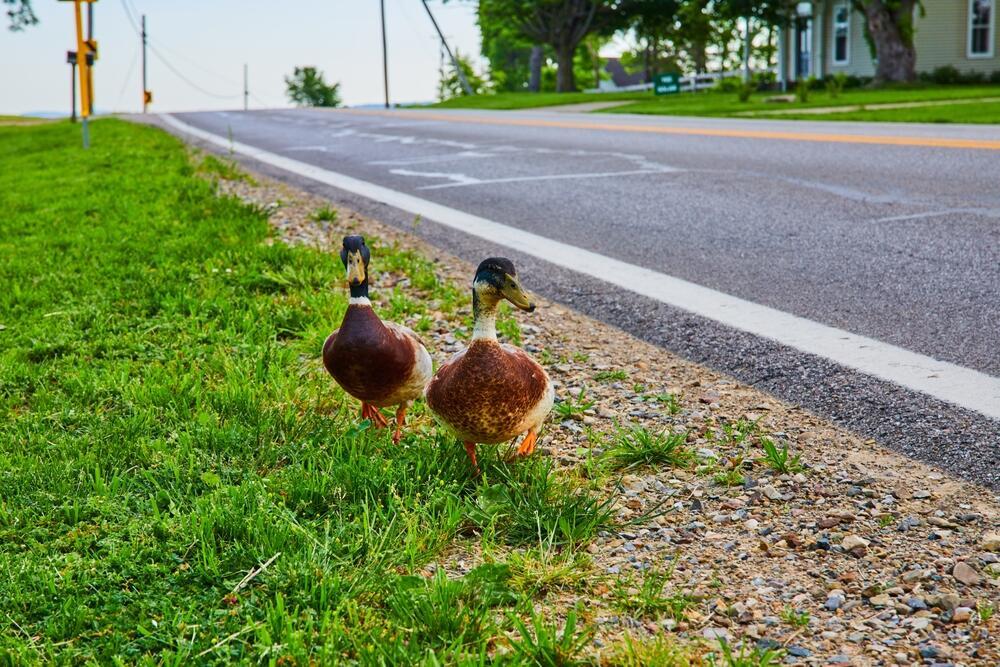
Two mallards near an empty road
(Photo: Nicholas J Klein/Shutterstock)
The results suggest that the reach of traffic noise is extensive. About 43% of Israel’s non-urban areas, including natural areas, agricultural land and open spaces, fall within a range where traffic noise may influence birds’ habitat selection, according to the study. Among protected areas, including nature reserves and national parks, the figure is about 23%.
Along especially busy roads, the zone of influence can extend more than a kilometer from the roadway and reach as far as 1.5 kilometers in open terrain. “The ecological impact of a road is not limited to the area occupied by asphalt,” Lenard says. “Natural areas that appear to remain undeveloped can also be affected by the continuous noise generated by traffic.”
Not everywhere becomes quiet
There is, however, an important qualification: Yom Kippur is not necessarily quieter for every animal or in every part of Israel. Open spaces, home to many species particularly sensitive to disturbance, can attract people precisely because roads and cities are quieter. “On Yom Kippur, many people actually choose to go out into nature, play music and have barbecues,” Lenard says.
Along major roads and around airports, by contrast, the steep fall in human activity can produce a major reduction in noise. Yom Kippur therefore functions as only a partial natural experiment. In some places people almost vanish from the landscape, while in others they move into it. Even so, the extraordinary quiet along Israel’s roads offers a glimpse of what happens when one of the major sources of disturbance to wildlife weakens, even if only briefly.
The question, Lenard says, is not whether major highways should be closed on other days of the year. “There is no scenario in which people are going to decide to close major roads in order to reduce noise,” she says.
Instead, researchers argue that transportation planning should take its ecological footprint into account. “The idea is to bring noise into the equation, into awareness, planning and operation,” Lenard says.
The article was prepared by Zavit, the news agency of the Israeli Society of Ecology and Environmental Sciences