

In the days leading up to the election, as public discourse is saturated with hatred and political battles, we have the right to demand that civil issues reflecting the kind of society we want to live in also have a place on the agenda. Animal protection is one such issue: a test of our ability to recognize the suffering of those who have no voice and act to end it.
That suffering does not wait for us to resolve our disagreements. A dog rescued from abuse needs a safe place, treatment and protection from further harm right now. Parties that present a structured plan to protect that dog and other animals could mobilize public support and electoral strength to help put it into action.
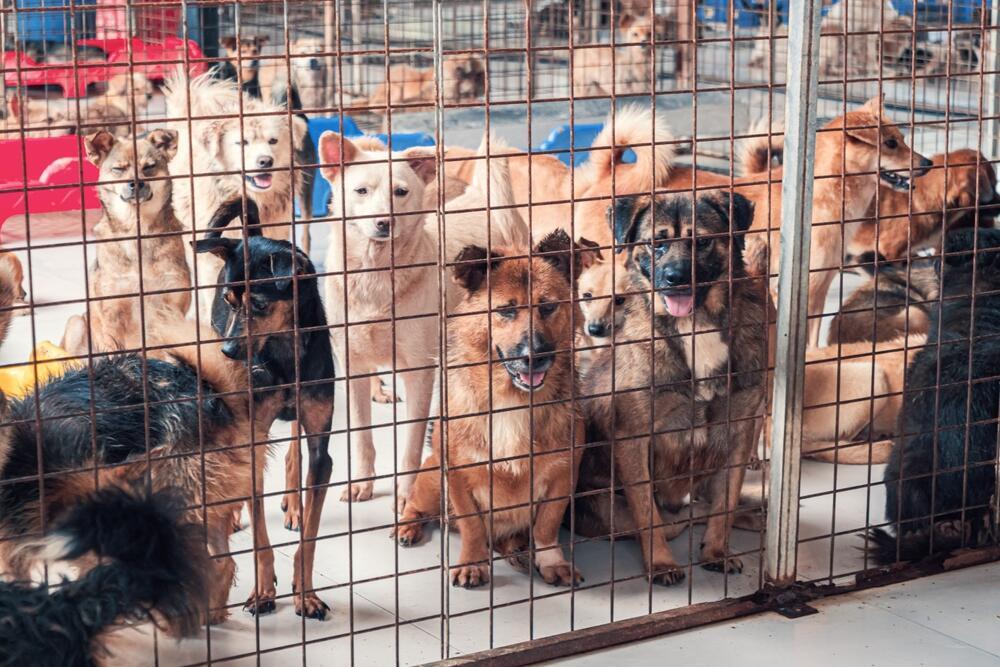
What the parties are already promising
The website of the Beyachad party and publications by lawmaker Yasmin Friedman, a member of the party, promote a detailed plan: establishing an independent authority under the Environmental Protection Ministry, transferring powers from the Agriculture Ministry and strengthening enforcement.
The plan includes gradually ending the euthanasia of healthy, adoptable dogs; banning the breeding, advertising and sale of dogs; launching cat sterilization campaigns; reducing live animal shipments by at least 50%; and transitioning to cage-free poultry farming. These are concrete commitments whose implementation urgently needs to be examined.
The Democrats' official platform also includes commitments to increase resources, amend the Animal Welfare Law and combat illegal wildlife trafficking. Publications by Tomer Avital and Gaby Lasky also include a commitment to establish a national authority.
A distinction must be made between statements by individual politicians and commitments in a party platform. In both cases, parties should be required to specify budgets and practical steps for implementation.
These commitments provide an important foundation for civic and values-based voting. Presenting an animal protection plan allows parties to appeal to voters who care deeply about the issue and seek their support to advance it.
For voters to make informed decisions, each party must clarify who will be responsible for implementation, what measures will be taken and how much funding will be allocated. Every target should have a deadline, a baseline and a budget.
Before the election, a clear plan is needed. Afterward, the political power secured to advance it should be reflected in coalition agreements and translated into a government work plan.
An authority capable of protecting animals
To reduce the conflict between promoting animal-based food industries and regulating them, primary responsibility should be transferred to a body whose central purpose is animal protection.
The authority should be established by law, with professional leadership and clear ministerial oversight under the Environmental Protection Ministry. The first step is to define who is responsible for each stage of animal care and which powers will be transferred to the new authority.
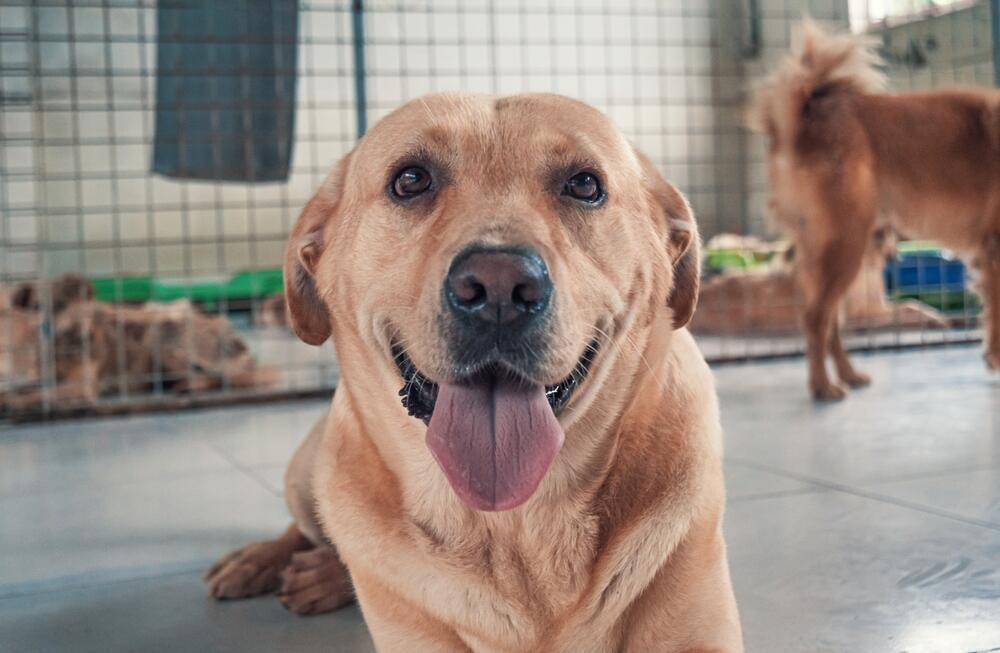
Animal welfare must be protected
(Photo: Evgenii Bakhchev, Shutterstock)
In the Netherlands, the 144 hotline allows people to report animal abuse, and police officers receive specialized training in handling such cases.
Israel could establish a hotline that documents every report, sets response times according to urgency and dispatches teams capable of rescuing animals, collecting evidence and ensuring continued care.
The division of responsibilities must preserve police command authority and the professional powers of other relevant agencies.
The time has also come for the justice system to reconsider its approach, including the establishment of a specialized court to handle offenses and wrongdoing involving animals.
As long as these cases are heard in ordinary courts, which primarily deal with offenses and wrongdoing against people, sanctions and penalties in animal abuse cases will inevitably take a back seat to mitigating considerations and sentencing approaches that emphasize rehabilitation of offenders.
In Connecticut, state law allows courts in certain proceedings involving dogs and cats to appoint an advocate to represent the interests of justice.
At the regulatory level, Israel needs a graduated system of enforcement and penalties, effective bans on animal ownership and mandatory minimum sentences for specified offenses, while allowing judges to depart from those minimums with a reasoned explanation under defined circumstances.
Funding that prevents suffering
Rescue must lead to continuous care. Operators of animal care facilities should be licensed according to the scale and risks of their operations. Shelters, nonprofit organizations and foster families need stable funding and oversight tailored to their activities.
The state should contract with operators based on the quality of care they provide and their ability to accommodate difficult cases.
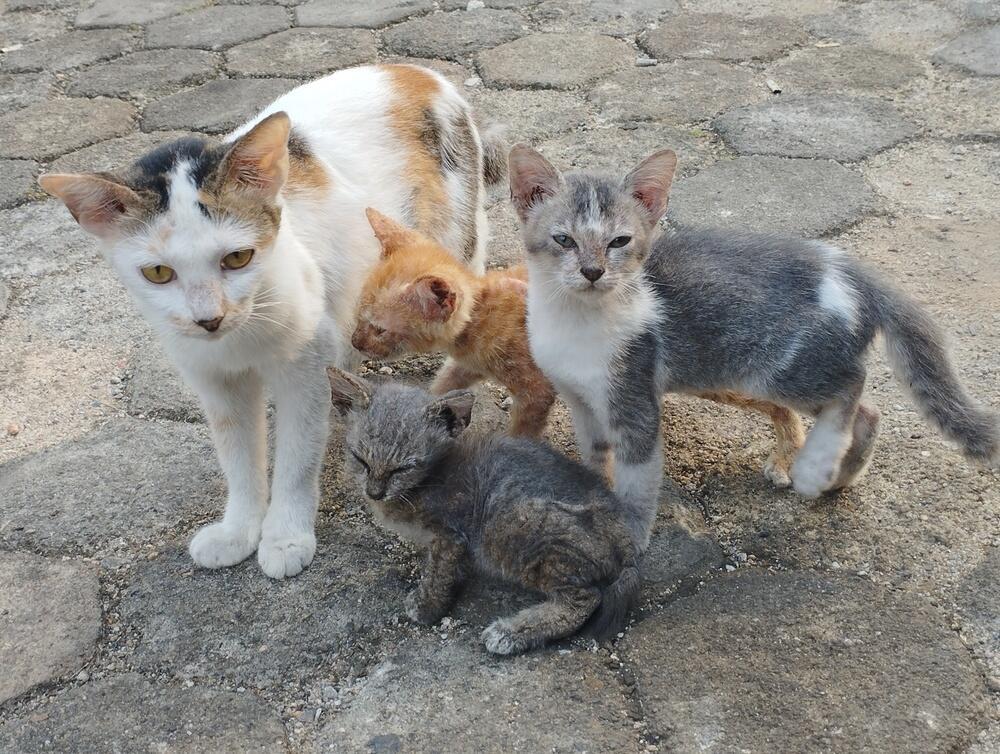
Stray cats
(Photo: Koryatihanif, Shutterstock)
Payment based solely on the number of animals admitted could encourage unnecessary confinement. Payment based only on adoptions could encourage operators to favor easier cases.
The state should therefore fund both the availability of care facilities and the treatment required by each animal, while publishing data on admissions, length of stay, adoptions and deaths. These figures should also account for the complexity of individual cases.
At the same time, the next instance of suffering must be prevented. The goal should be a gradual end to the intentional breeding of companion animals for sale or transfer, under regulations defining the scope of the prohibition and its exceptions, including a determination regarding service dogs.
Until then, breeding should require permits and oversight, with priority given to banning the selective breeding of traits that cause suffering.
Oversight of imports and online trade will also be necessary, alongside measures to prevent sales disguised as adoptions and expanded subsidized spaying and neutering programs based on veterinary judgment.
On farms and in laboratories, too
A commitment to animal welfare must also extend to farms. Housing and transportation conditions should be improved, overcrowding reduced and pain prevented, according to measurable targets and deadlines.
Farmers should receive professional guidance and adaptation grants tied to verifiable improvements.
The costs and potential effects on prices must be assessed in advance to ensure a transition that farmers and consumers can sustain.

Jackals in Tel Aviv's Yarkon Park
(Photo: Moti Kimchi)
In England, slaughterhouse operators are required to install cameras, retain footage for 90 days and provide inspectors access to the recordings.
This is an example of a requirement whose implementation can be verified.
Israel should examine its existing regulations and how they are enforced, addressing gaps in camera coverage, record retention and inspections while protecting workers' privacy.
Cameras must be part of an oversight system with the authority to stop abuse.
In the European Union, the European Union Reference Laboratory for Alternatives to Animal Testing, known as EURL ECVAM, works on developing and validating alternative methods for assessing the safety of substances, among other activities.
Israel should invest in developing alternatives and advancing their regulatory acceptance.
The objective should be to replace animal use wherever possible, reduce it and improve animal welfare in cases where suitable alternatives do not yet exist.
The plan should also include a professional wildlife rehabilitation network coordinated with the Israel Nature and Parks Authority.
Managing wildlife and community cats in urban areas requires cooperation among animal welfare, public health and conservation experts to ensure that protecting one animal does not come at the expense of another population.
The first 100 days
All these measures require personnel, treatment facilities and accessible veterinary services.
Contracts that enable long-term investment can help strengthen this infrastructure.
The establishment of the authority must be accompanied by cost estimates and identified funding sources, alongside ongoing assessments of service quality and public benefit.
During the first 100 days, the government should publish a map of institutional responsibilities and an initial assessment of existing conditions, establish a budgetary framework and launch a pilot program for reporting and assistance under existing legal powers.
Within a year, it should present legislation establishing the authority and dividing responsibilities, accompanied by budget estimates and findings from the pilot programs.
It should also begin training enforcement personnel and contracting for animal care services.
Further expansion should be adjusted according to results, legislation and available funding, without delaying urgent protective measures.
The election is an opportunity to give political weight to compassion and civic responsibility.
This does not mean ignoring the major disputes dividing society. It means insisting on our right to shape a society that is judged, in part, by how it treats those weaker than itself.
Parties presenting animal protection plans deserve to be evaluated on those commitments and to seek public support for implementing them.
After the election, the real test will be how much time passes between a report and an intervention, the quality of care provided and the ability to prevent repeated abuse.
Animals cannot vote or demand accountability.
We can give their protection a voice at the ballot box and demand that our choice be translated into action.