

Two magic mushrooms may belong to the same species, look similar and weigh exactly the same, yet contain significantly different amounts of psychoactive compounds. A new Israeli study has found that the concentration of these substances can vary by nearly eightfold between strains of the same mushroom species, even when they are grown under identical laboratory conditions.
The findings could have important implications for research into psilocybin, the main psychoactive compound in so-called magic mushrooms, which is being investigated as a potential treatment for mental health conditions including treatment-resistant depression and post-traumatic stress disorder (PTSD). As clinical research advances, scientists are increasingly focused on whether mushroom-based preparations can deliver consistent, predictable quantities of active compounds.
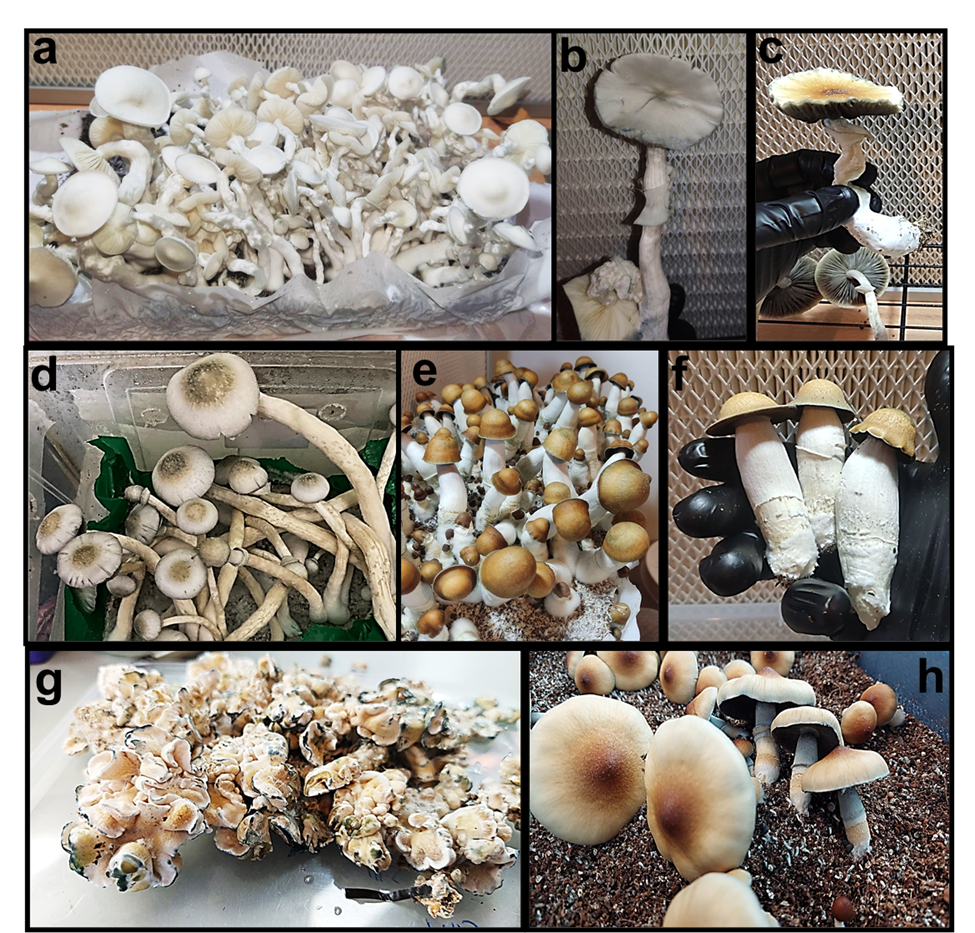
The study, conducted at the Shamir Research Institute under the auspices of the University of Haifa and published in the Journal of Fungi, found that neither a mushroom's weight nor its species and strain names can reliably determine the amount of psychoactive compounds it contains.
Researchers examined 14 strains of Psilocybe cubensis, one of the world's most widely known psilocybin-producing mushroom species, and discovered differences of more than 7.8-fold in the combined concentration of six compounds measured across the strains. All were grown and analyzed under the same laboratory conditions.
Significant differences were also detected between individual mushrooms from the same strain, even when they grew together in the same cultivation container.
"To make reliable comparisons between samples and studies, strains must be carefully selected, the mushrooms' chemical composition must be analyzed and the concentrations of active compounds must be accurately determined," said Prof. Eyal Kurzbaum of the Shamir Research Institute, who is also a faculty member at Tel-Hai University in northern Israel.
"The variability we found, even among mushrooms of the same strain, is something future research and psychiatric treatments involving psilocybin mushrooms will have to take into account," he added.
The study, funded by Israel's Ministry of Innovation, Science and Technology, was conducted by Kurzbaum alongside Amiel Sharchaton, Shilat Parsha, Nisreen Rabah, Dr. Sara Azerrad and Dr. Yaron Dekel. Dr. Tomáš Páleníček of the Czech National Institute of Mental Health and Charles University in Prague also participated.
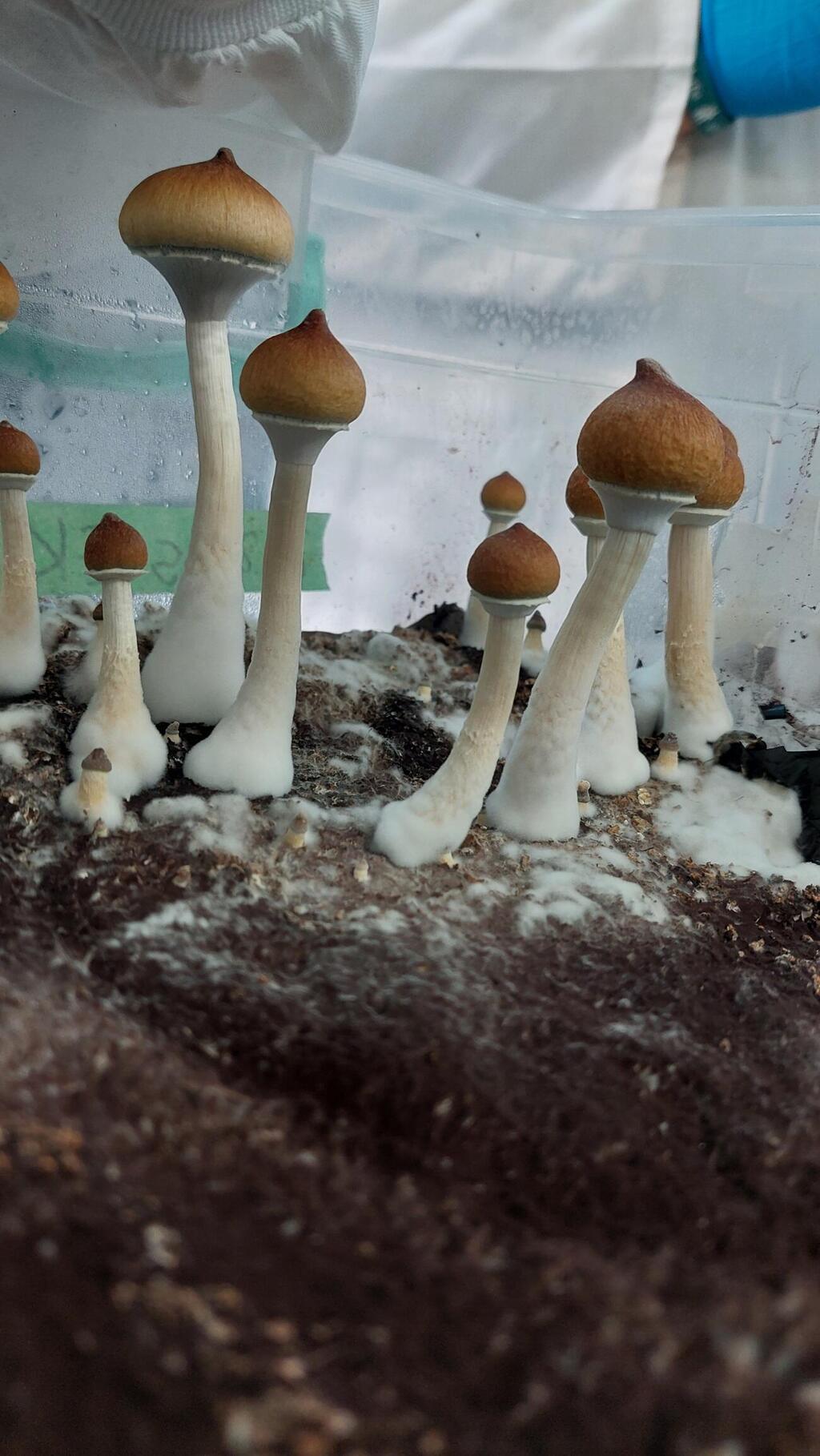
A strain of Psilocybe cubensis grown during the experiment
(Photo: Prof. Eyal Kurzbaum)
To determine how much the chemical composition varied, the researchers cultivated all 14 strains of Psilocybe cubensis using the same growing medium and identical temperature, humidity and lighting conditions.
After harvesting, the mushrooms were freeze-dried, ground into powder and analyzed using a standardized extraction and measurement procedure. The team measured six tryptamines, a family of compounds associated with the biochemical pathway through which mushrooms produce psilocybin. These included psilocybin and psilocin, another psychoactive substance.
In addition to comparing the 14 strains, the researchers examined differences between individual mushrooms within the same strain. They selected six strains and separately analyzed five randomly chosen mushrooms from each, all harvested at the same developmental stage and grown in the same container.
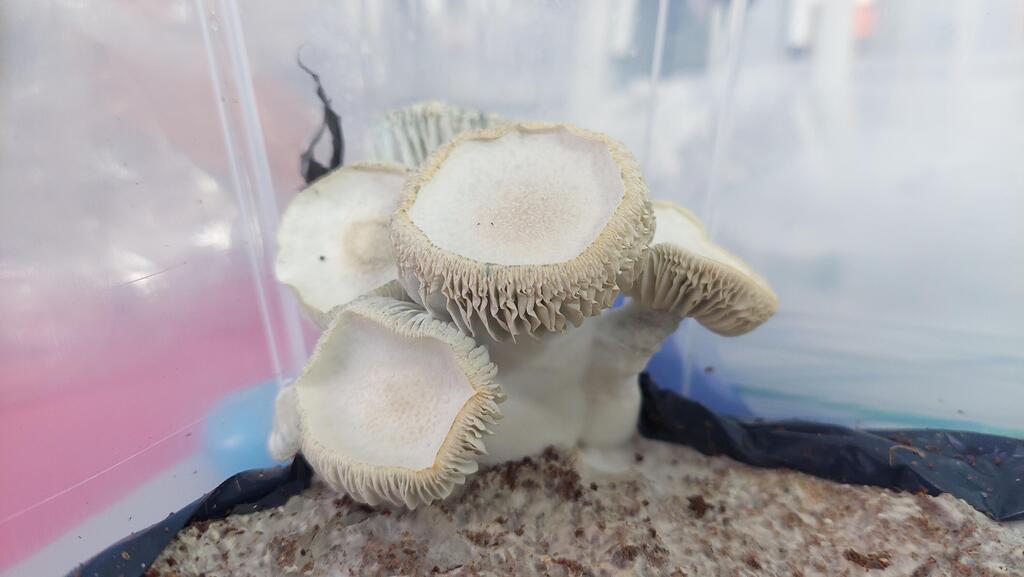
An albino strain of Psilocybe cubensis grown during the experiment
(Photo: Prof. Eyal Kurzbaum)
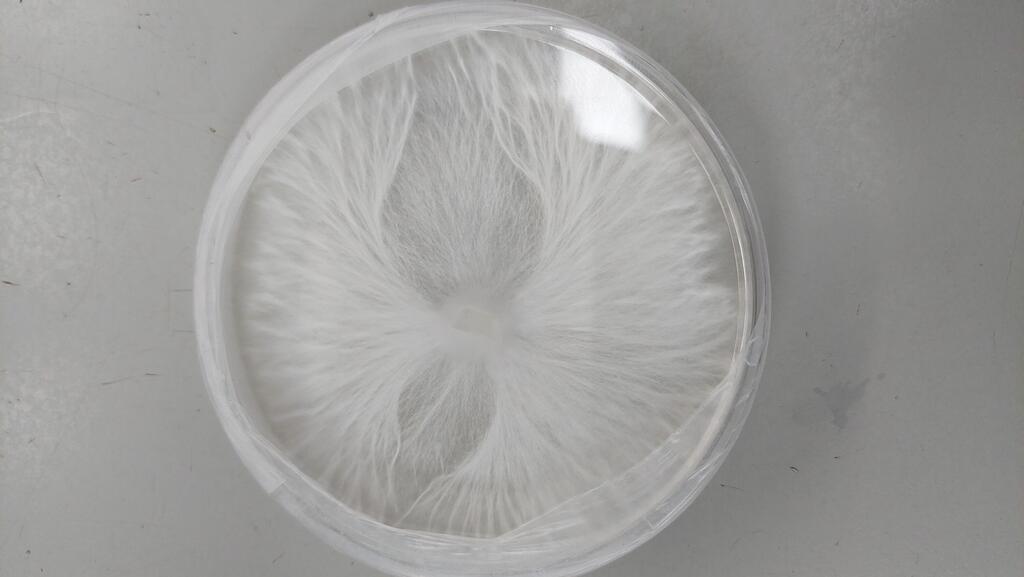
A Petri dish containing a Psilocybe cubensis culture, the starting point for experiments using coconut fiber or liquid growing media
(Photo: Prof. Eyal Kurzbaum)
Genetic testing confirmed that all 14 strains belonged to the same species, ruling out the possibility that the differences were simply the result of comparing different mushroom species.
The results revealed that the combined concentration of the six measured tryptamines ranged from 2.62 milligrams to 20.65 milligrams per gram of dried mushroom material. Psilocybin was the dominant compound in every strain, although its concentration and its proportion relative to the other substances varied considerably.
Even among individual mushrooms of the same strain grown under identical conditions, the researchers found substantial variability in psilocybin concentration, with coefficients of variation ranging from 12.81% to 23.39%.
The findings suggest that identifying a mushroom's species or strain, or simply weighing it, is insufficient to accurately predict the amount of active compounds it contains.
According to the researchers, this presents a significant obstacle to developing standardized medical products made from whole mushrooms. Any such preparation would need to meet the same requirements for consistency and precise dosing as other pharmaceutical products.
"The differences we identified illustrate the challenge of developing a medical product based on whole mushrooms," the researchers concluded. "Such a product would have to meet requirements for consistency and dosage control, just like other medical products."
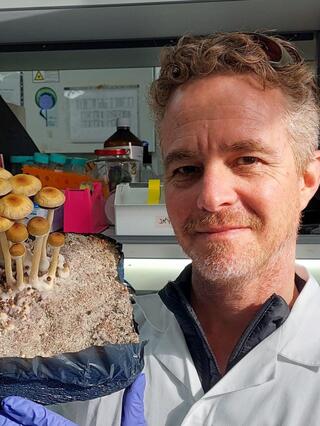 Prof. Eyal Kurzbaum
They also emphasized the implications for private or unsupervised use, where individuals may have no reliable way of knowing how much of the active substance they are actually consuming.
The next stage of research will focus on developing a more controlled production method through Psilution, a subsidiary of the Shamir Research Institute. Rather than growing complete mushrooms on a solid substrate, such as coconut fiber, the researchers plan to cultivate mycelium, the network of fungal filaments from which mushrooms develop, in a liquid medium inside a bioreactor.
A bioreactor is a controlled environment designed to support biological growth and production. Researchers believe the method could produce a more chemically uniform material, an essential consideration for pharmaceutical manufacturing and psychiatric treatment development.
The process could also significantly shorten production times. According to the researchers, growing complete mushrooms takes approximately eight weeks, while cultivating mycelium in a liquid medium inside a bioreactor can take just one week.
The researchers hope the technique will eventually allow them to produce material with more consistent and controllable levels of psychoactive compounds. If successful, it could help overcome one of the central challenges highlighted by their findings: ensuring that medical preparations derived from psilocybin-producing fungi contain predictable quantities of active substances.