


Residents of the central Israeli city of Modi’in say they are suffocating under heavy smoke and foul odors from illegal waste fires in Palestinian-controlled areas, accusing the government of inaction.
In October alone, the nonprofit Citizens for Clean Air hotline received 2,763 complaints nationwide about air pollution and smoke — 1,034 of them from Modi’in, accounting for roughly 37.5% of all reports. Despite the scale of the problem, Israeli authorities have yet to find an effective way to stop the fires, which residents say have become a daily hazard.
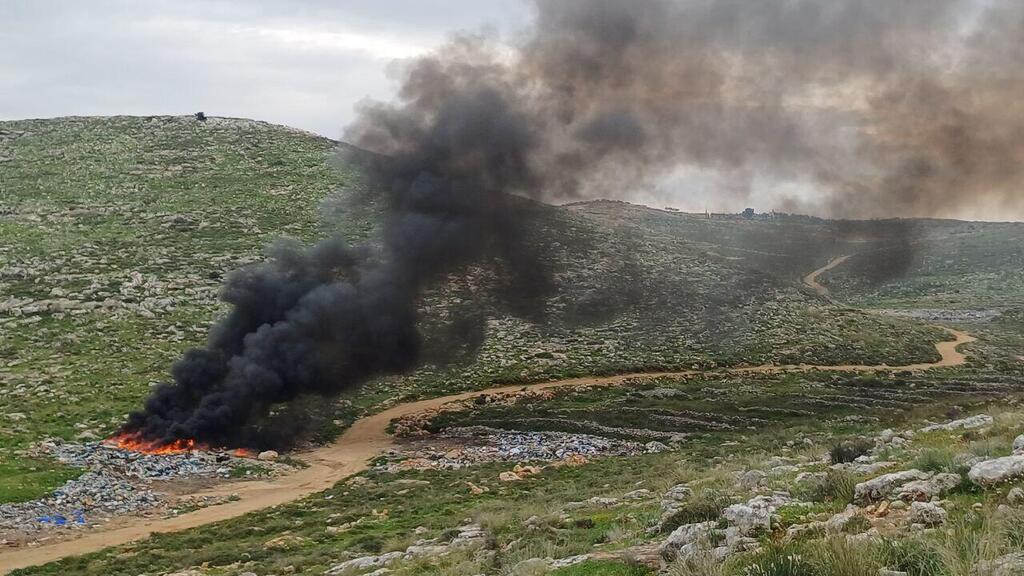
Some are even considering leaving the city. The smoke, they say, causes headaches, eye irritation, nausea, and breathing difficulties.
“We’re basically trapped in our home every evening for the past two months,” said Ben Mizrahi, 40, who lives in Modi’in’s eastern Carmel neighborhood overlooking Highway 443. “We have a beautiful view from our balcony, but by 7 p.m. we have to shut the windows. I love running and cycling — I’ve given it up. Even when we close the windows, the stench seeps in. You can’t breathe.”
Mizrahi said the pollution has physical effects: “We suffer from sore throats, burning eyes, and constant headaches. I’m no expert, but I’m sure this is damaging our health in the long run. It’s unbearable, and no one seems to have a solution.”
Meital Azura, 43, moved from Givatayim to Modi’in a year ago seeking cleaner air and open spaces — only to find the opposite.
“We came for better quality of life, not necessarily for schools but for nature and fresh air,” she said. “A month after we moved, we started smelling the smoke. It seeps into the house even with the windows closed. It’s been like this every evening for four months — black smoke rising from different directions. Sometimes it smells like burning, sometimes chemicals. We’re breathing cancer, that’s how it feels.”
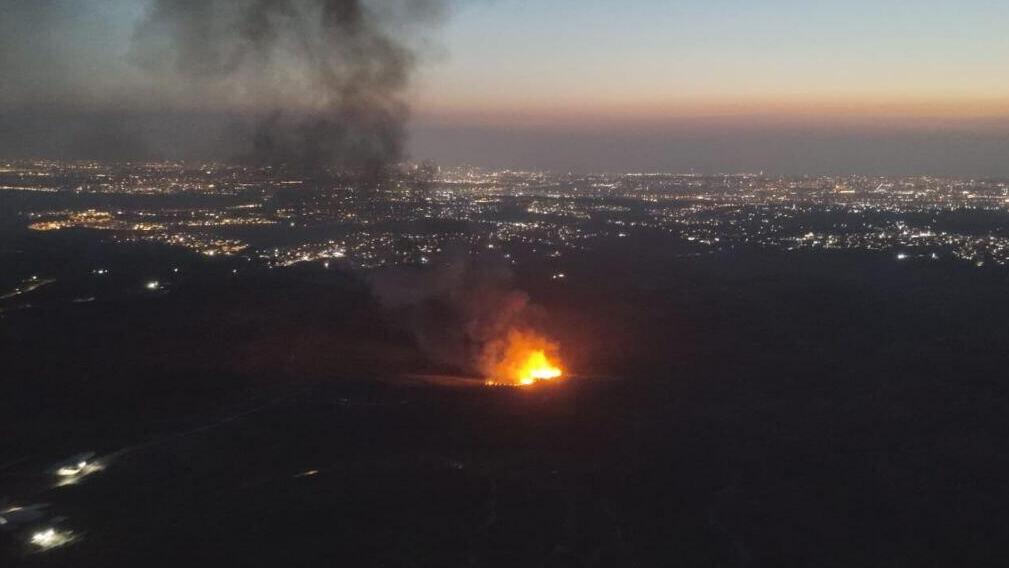
(Photo: Eitan Margalit)
Azura said she and her children have developed symptoms including nausea and eye irritation. “It’s frightening,” she said. “We didn’t sign up for this.”
Talia Ziv, a longtime resident and mother of two teenage girls, said the situation has grown worse in recent years.
“From our high-floor apartment, you can see the smoke rising in the distance. It’s awful,” she said. “We’ve lived here since 2005, but the last two years have been much worse. I can’t take my dog out at night. I’ve developed respiratory problems even though I’ve never smoked. It’s infuriating — we feel the state has abandoned us.”
Officials urge government action
In response to mounting anger, Modi’in Mayor Haim Bibas sent an urgent letter to Defense Minister Israel Katz, demanding that the IDF act immediately against the waste fires near the Palestinian town of Na’alin, an area under Israeli military responsibility.
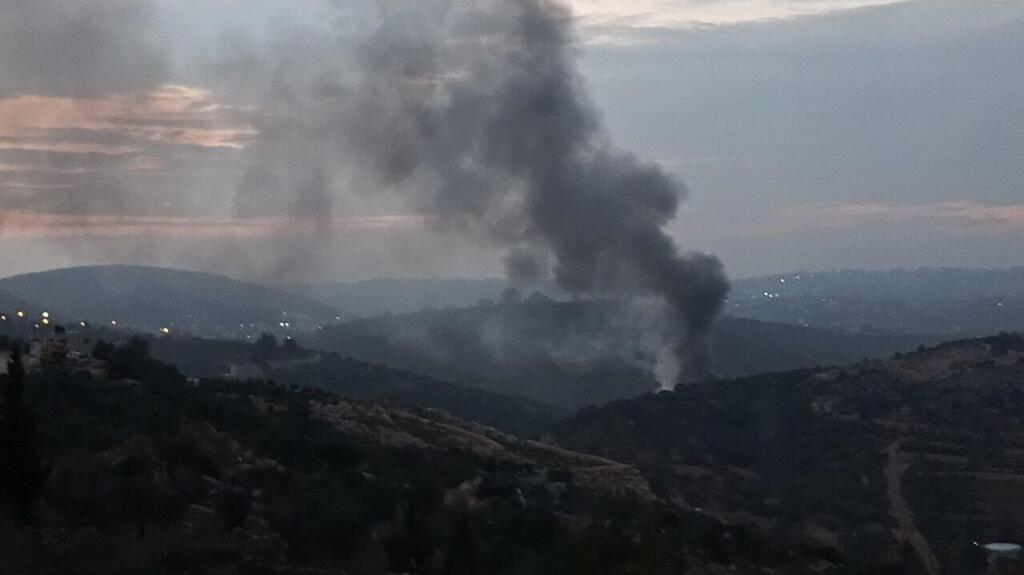
(Photo: Citizens for Clean Air)
Bibas warned of a “sharp rise” in recent weeks and called on the defense establishment to “extinguish the fires, stop the arson, and enforce environmental laws.”
He added that local authorities are ready to step in if given the power: “We demand the authority and resources to deploy heavy equipment and directly address the burning waste sites.”
According to Citizens for Clean Air data, Modi’in tops the list of pollution complaints, followed by Shoham (228 reports), Harish (182), and several nearby municipalities, including Rosh HaAyin, South Sharon, Kokhav Ya’ir-Tzur Yigal, and Mateh Binyamin — all located near Palestinian areas where waste burning is common.