

Particularly shocking findings have emerged from a wide-ranging investigation in Northern California, where the remains of 117 dogs were found on property belonging to an animal shelter in the city of Fortuna, the Humboldt County Sheriff’s Office said. According to authorities, some of the carcasses examined at the scene showed possible evidence of gunshot wounds, and the investigation is continuing on suspicion of severe animal cruelty and fraud. U.S. media reported that the number of dogs killed may be far higher.
In April, a local resident filed a police complaint, prompting the investigation. According to the statement, the sheriff’s Major Crimes Division completed a follow-up search over the weekend at the Miranda’s Rescue Animal Sanctuary property. The search warrant authorized searches of the grounds and buildings connected to the shelter and its owner, Shannon Miranda, on suspicion of animal cruelty and fraud.
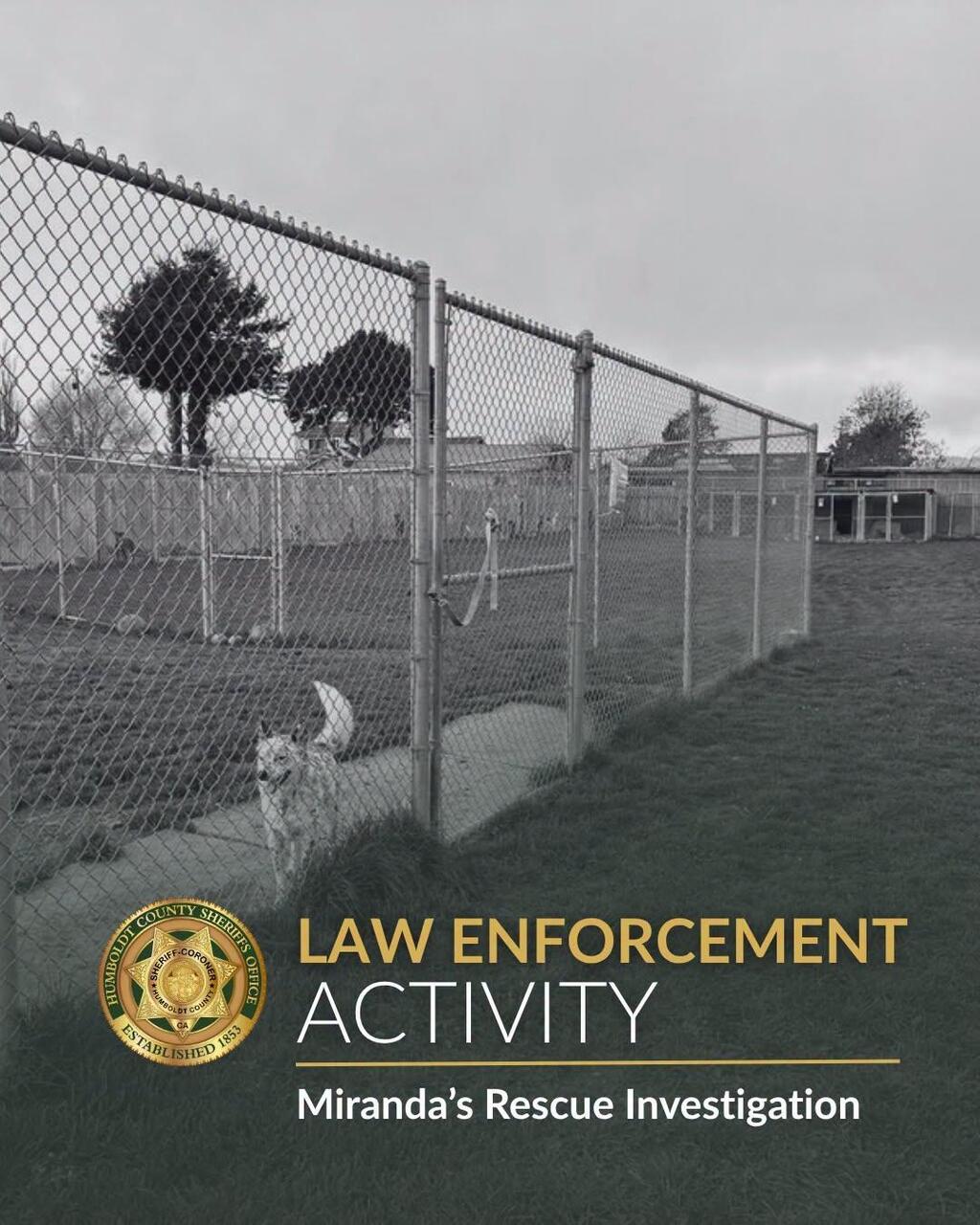
The sheriff’s office said investigators searched the open area on the eastern side of the property, including with ground-penetrating radar. Investigators identified several suspicious locations and conducted targeted excavations in areas where anomalies were found in the ground. According to authorities, the digging uncovered the complete remains of 117 dogs at two excavation sites. In addition, 21 dog skulls, hundreds of bones and six identification microchips were found at another nearby site.
Authorities said veterinarians and representatives of the U.S. Department of Agriculture examined 70 of the bodies at the scene, and preliminary findings determined that the cause of death for many of them was gunshot wounds. The remaining 47 dogs were not examined at the scene due to time constraints, but all 117 bodies were collected for investigative purposes.
During additional excavations in the northern part of the field, investigators found more dog carcasses in advanced stages of decomposition. Investigators said that because of the condition of the carcasses and their estimated evidentiary value, they decided not to remove them from the ground, documenting them at the site instead.
In addition, an area inside a barn on the property was identified as a suspected site where investigators believe the dogs were killed. More than 600 dog collars were also found in the area.
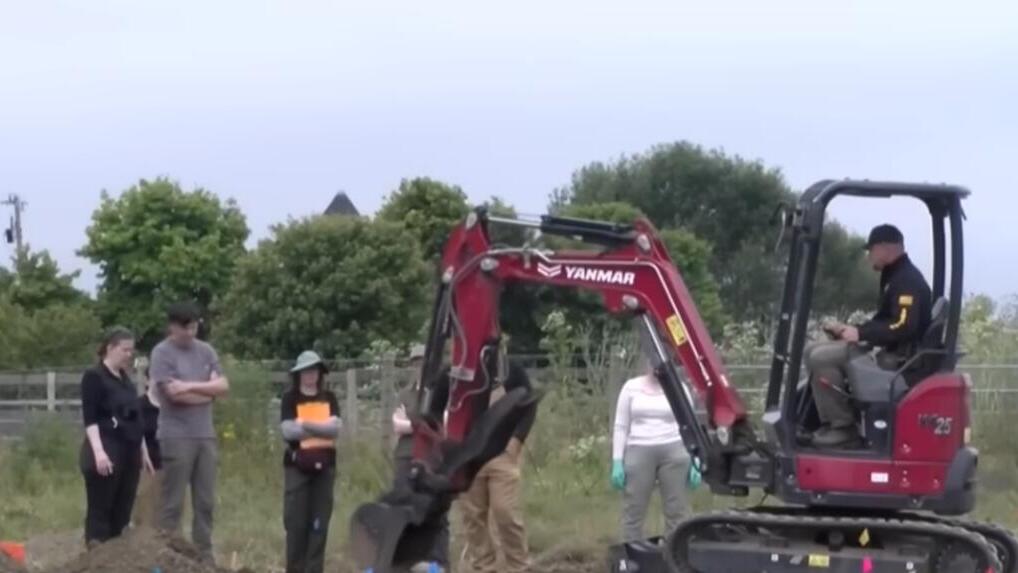
Excavations to locate additional dog remains
(Photo: CBS broadcast screenshot)
The sheriff’s office stressed that this is a complex investigation still in its early stages and that no charges have been filed at this point. Sheriff William Honsal said the investigation was only beginning, with a vast amount of data still to be processed, witnesses to be interviewed and evidence to be examined. He said the Major Crimes Division is focused on the case and will continue working with state and federal partners to pursue every avenue of investigation. Honsal thanked the county, state and federal investigative teams, as well as the private forensic veterinarians who carried out the field necropsies, saying the determination shown by all the professionals at what he described as a horrific scene would not be forgotten.
Authorities added in the statement that once the investigation is completed, and depending on the findings, the case may be referred to prosecutors to consider charges of animal cruelty, fraud or other offenses. The sheriff’s office said it was aware of the significant public interest in the case, but stressed that the investigation would continue fully, independently and lawfully, while preserving the rights of all those involved.
The investigation also involves the California attorney general’s office, the FBI, the U.S. Department of Agriculture, local law enforcement agencies, private forensic veterinarians and academic bodies, which helped, among other things, carry out advanced ground scans.
Shannon Miranda told the BBC before the new findings were revealed that the facility is a “no-kill shelter.” She rejected the allegations raised against her in the media and by authorities. She said other shelters sometimes turn to places like hers as a last resort for animals that are difficult to rehome.
She said the shelter euthanizes animals only in rare cases, not “to make room,” and only when an animal is suffering from a terminal illness or poses a serious and ongoing danger to people or other animals.