

The deep bond between dogs and their owners has been extensively studied and shown to evoke mutual emotional responses. It now appears that the same may be true of cats and their owners. Until now, some studies have supported the widely held belief that caring for feline companions, animals that some even associate with purity and holiness, can have a positive effect on human health and well-being.
However, other studies have pointed to possible negative effects of cat ownership. These conflicting findings prompted a team of researchers at Kyoto University in Japan to question the idea that simply owning a cat provides clear health benefits. Instead, they wondered whether the advantages or disadvantages of living with a cat might actually depend on the quality of the relationship between the animal and its owner, particularly how they interact in everyday life.

For the study, published in the journal iScience, researchers conducted a monthlong investigation into the daily lives of 29 cats and their 19 owners, recruited through advertisements and social media. In each household, researchers analyzed hormone levels using urine samples, attached small Bluetooth Low Energy transmitters to the cats' collars to measure daily physical proximity, assessed the owners' moods through questionnaires and observed how the cats behaved toward both their owners and unfamiliar people.
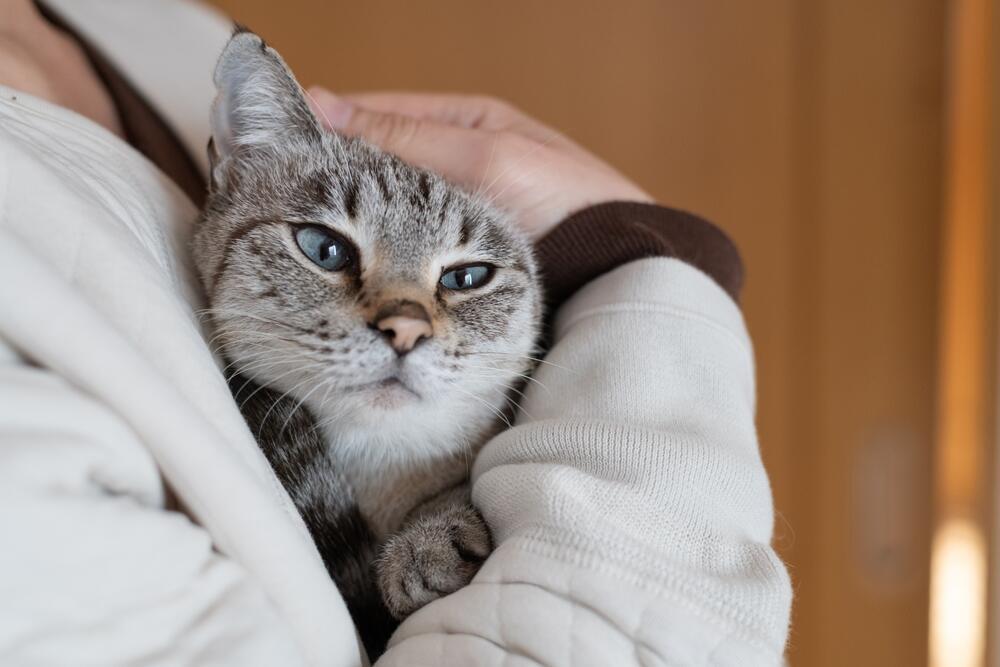
A cat snuggles in its owner's arms
(Photo: Rai106 / Shutterstock)
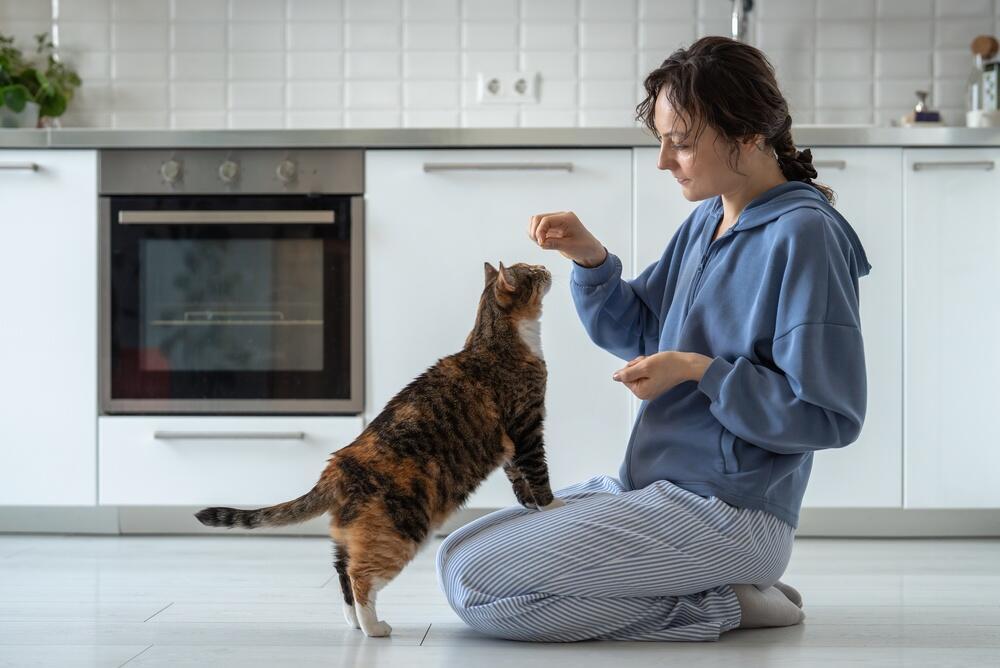
A cat interacts with its owner
(Photo: Yourphotopie / Shutterstock)
The results revealed a hormonal connection between cats and their owners involving oxytocin, a hormone associated with social relationships, and cortisol, a hormone linked to stress. Researchers identified a positive correlation between oxytocin concentrations in the urine of cats and their owners. Higher oxytocin levels in cats were associated with lower cortisol levels and fewer negative emotions in their owners. In fact, lower oxytocin levels in cats were more closely associated with negative moods in their owners than the owners' own oxytocin levels were.
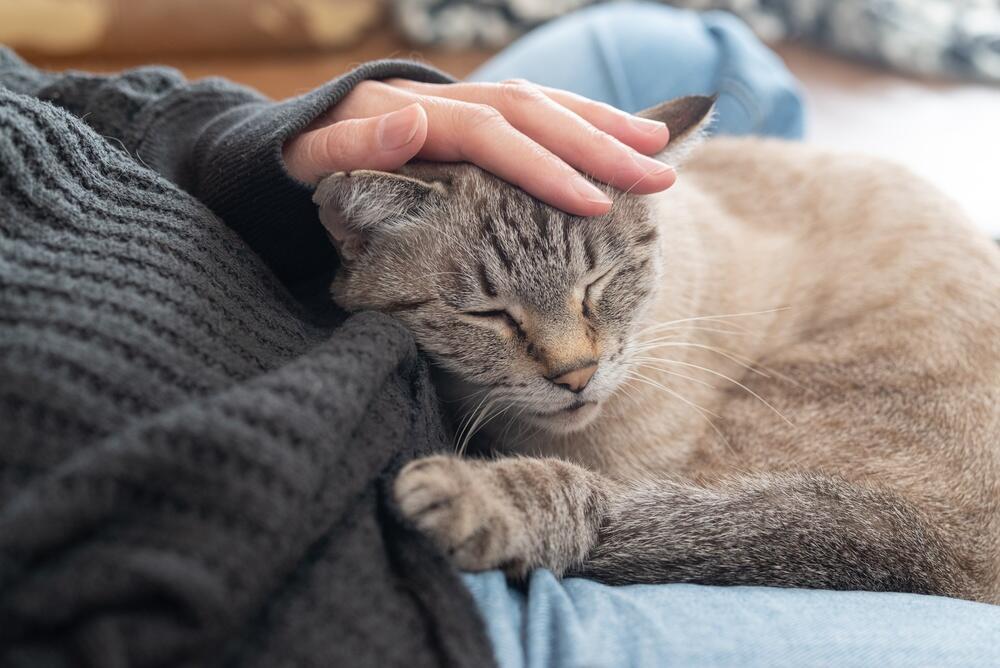
A cat enjoys being petted by its owner
(Photo: Rai106 / Shutterstock)
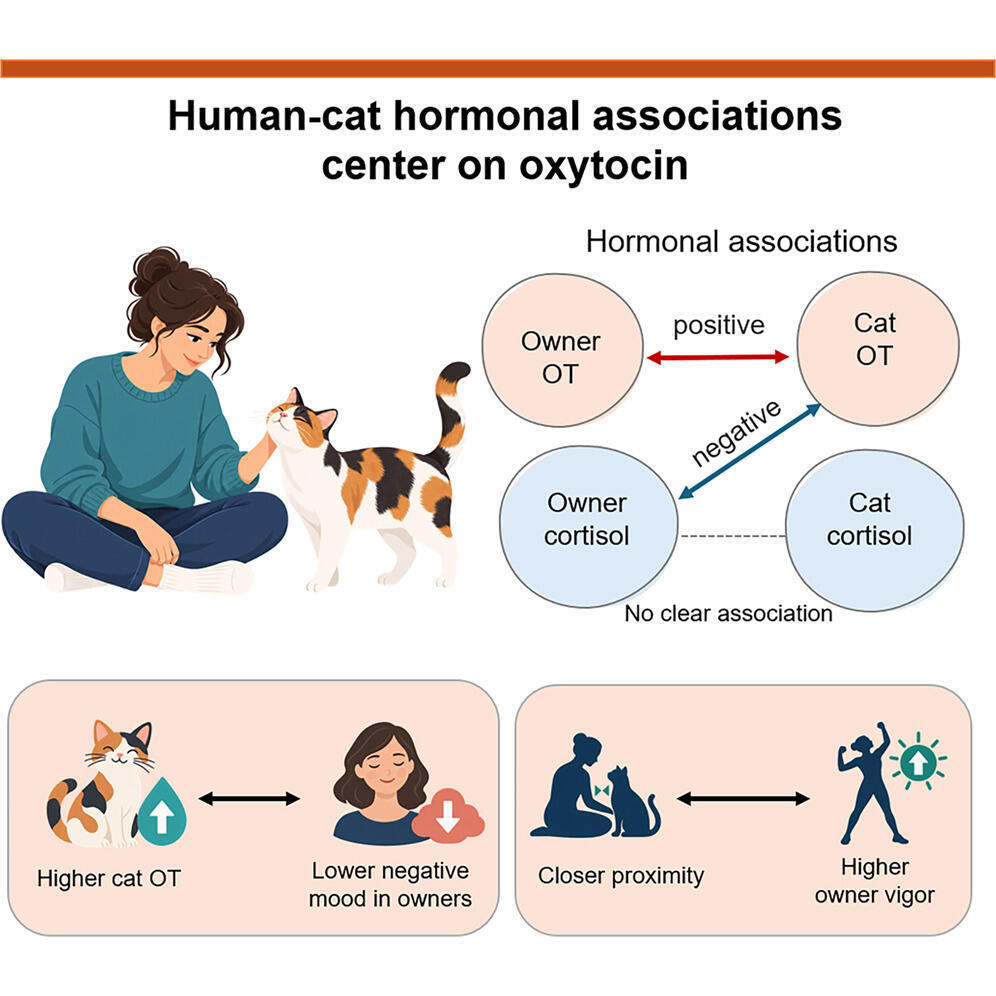
Key study findings suggest that owners who spend more time close to their cats tend to experience more positive moods
(Illustration: iScience)
Ultimately, the researchers found that positive moods among owners were not associated with how long they had owned their cats, but rather with the overall physical closeness between them and their pets. In other words, owners' positive emotions appeared to be most strongly linked to the amount of time they spent near their cats in everyday life.
"I think many cat owners are familiar with the sense of comfort and peace they feel when their cat climbs onto their lap seeking affection, they start to pet it, and the cat begins purring contentedly," said Dr. Saho Takagi of Kyoto University's Institute for the Future of Human Society, known for her pioneering research into feline cognition and behavior.
"Our findings suggest that this feeling may be partly reflected in the hormonal connection between cats and their owners, particularly through oxytocin, a hormone involved in the formation of parent-child bonds and social relationships," she said.
The study helps explain why previous research into the health benefits of cat ownership has produced inconsistent results. The findings suggest that the quality of the relationship between a person and their cat may be more important than simply owning one. However, the results demonstrate correlations only, meaning the nature of any causal relationship remains unclear. In future research, the study's authors hope to examine more closely how cats and humans influence one another through their daily interactions.