

These days, political commentators are explaining that the real reason for the arrest of Maduro by the American administration is due to energy interests - the driving force behind this dramatic geopolitical move. According to them, the United States’ takeover of power centers in Venezuela was intended to secure dominance over the world’s largest oil reserves, while pushing back the influence of China and Russia in the region. This example substantiate the claim that energy is a fundamental and significant resource in the geopolitical playing field and in determining the fates of nations. This holds true for Venezuela, and it holds true for Israel as well.
Israel’s energy future is a point of national consensus: a transition to a sustainable economy fueled by solar energy, hydrogen technology, and smart distributed storage systems.
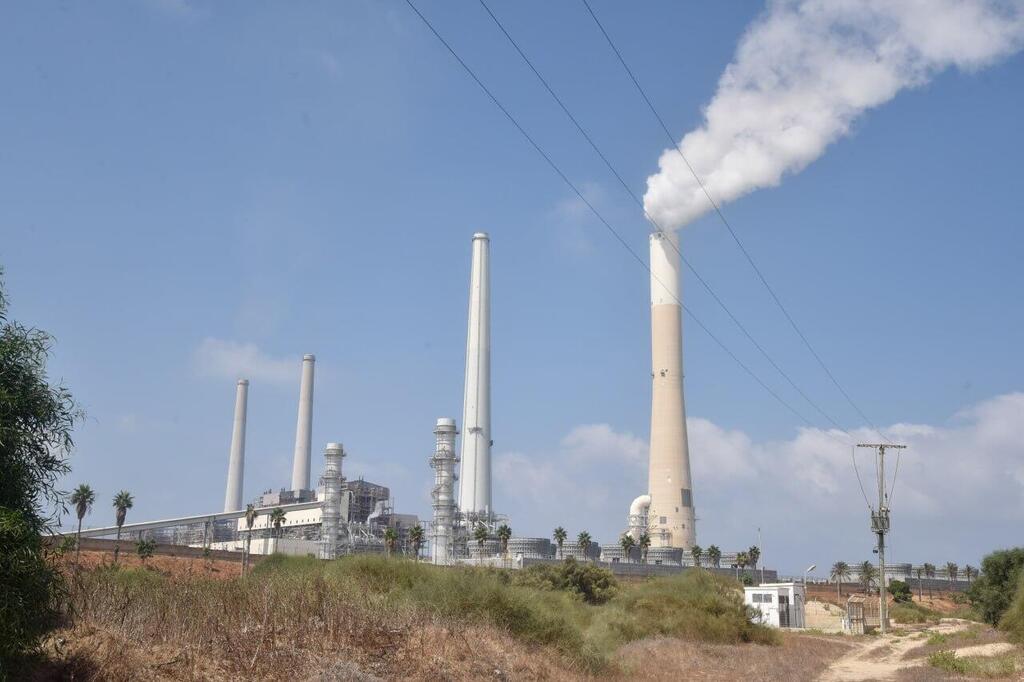
(Photo: Sharon Tzur)
However, the 'Swords of Iron' war and the tensions leading up to it have reaffirmed a sobering reality: the path to a green future must be anchored in strategic energy security and immediate resource availability.
In Israel’s unique reality, energy security is not merely an economic or environmental issue - it constitutes national security in the deepest sense of the term. Energy sovereignty is the key to the resilience of the home front, to the operational capability of Israel security forces, to the continued development of industry, and to the preservation of Israel’s geopolitical standing in the region.
Israel operates as an almost completely isolated "energy island ", detached from regional continental infrastructure. The economy relies on global shipping lanes for the import of crude oil and refined products, rendering it particularly vulnerable to disruptions in supply chains or threats to its ports. In a military campaign, local infrastructure - gas platforms, refineries, and storage facilities become strategic targets. Any damage to them could paralyze the economy, impair the Israeli security forces readiness and disrupt emergency systems.
Wartime conditions shift energy demands dramatically. The surge in requirements for jet fuel, diesel for armored units, and gasoline for emergency services underscores that domestic refining capacity is a strategic imperative. In moments of crisis, refineries and emergency stockpiles are indispensable; national security cannot rest on the uncertainties of external imports.
The discovery of natural gas has revolutionized Israel's energy landscape, transitioning the nation from an importer to energy-independent, with domestic gas now fueling over 70% of the country’s electricity. In the liquid fuels sector, Israel relies on its refining hubs in Haifa and Ashdod. To supplement this, refined imports are channeled through Mediterranean ports, primarily via the Pipeline of the Eilat Ashkelon Company (EAPC) terminal, which has maintained 24/7 operations to safeguard national energy security.
Investment in infrastructure - refineries, energy ports (including the need for a port in Eilat), transmission lines and storage facilities - is not merely an economic expense. It is national life insurance that enables an emergency routine and true resilience.
Despite the essential transition toward renewables, reliance on fossil fuels remains a necessity for the foreseeable future. Consequently, Israel must maintain a diversified, multi-layered energy architecture, where intermittent renewables are integrated with a robust foundation of natural gas and liquid fuels. This synergy ensures grid resilience, base-load stability, and an uninterrupted energy supply, even under the most challenging strategic conditions. Beyond domestic security, energy sovereignty grants Israel significant geopolitical leverage.
The recent natural gas deal signed between Israel and Egypt serves as definitive proof of the geopolitical power inherent in energy sovereignty. Beyond the direct economic benefit, deepening energy cooperation with Cairo positions Israel as a central regional pillar and significantly expands the strategic depth of its alliances. Israel’s transmission infrastructure turns it into a key player in the global supply chain and a vital bridge between the Red Sea and the Mediterranean.
The recent war provided conclusive evidence that energy sovereignty is not a luxury - it is an essential condition for national survival.
 Noam Goldstein
The Israeli government must reexamine its priorities and grant strategic precedence to existing energy infrastructure:
It must ensure the continued production of fuels at the domestic refineries as a vital local anchor for the defense system and preserve the capabilities of EAPC as a critical artery for transmission and storage - providing redundancy and flexibility in the face of threats.
Strengthening these entities, while wisely utilizing the natural gas reserves, constitutes the energy “life insurance” that will enable Israel to successfully withstand the challenges of being an “energy island,” while at the same time consolidating its position as a regional power and confidently advancing the vision of green energy for future generations.
The author is Chairman of the Chemical, Pharmaceutical and Environment Division at the Manufacturers Association of Israel.