

There is a 91% chance that at least one of the next five years will cross the 1.5 °C warming threshold, and an 86% chance that at least one of those years will break the record for the hottest year ever measured on Earth, set in 2024. The alarming figures come from a report published by the World Meteorological Organization, which says that in every year from 2026 to 2030, the global average temperature is expected to be 1.3 °C to 1.9 °C higher than the average measured at the end of the 19th century.
The World Meteorological Organization also predicts excessive warming in the Arctic, by nearly 1.66 °C from now until 2030. The grim forecasts also include dangerous drought, with possible wildfires in the Amazon, a region that plays a vital role in Earth’s natural defense against human-caused climate change.
Gallery
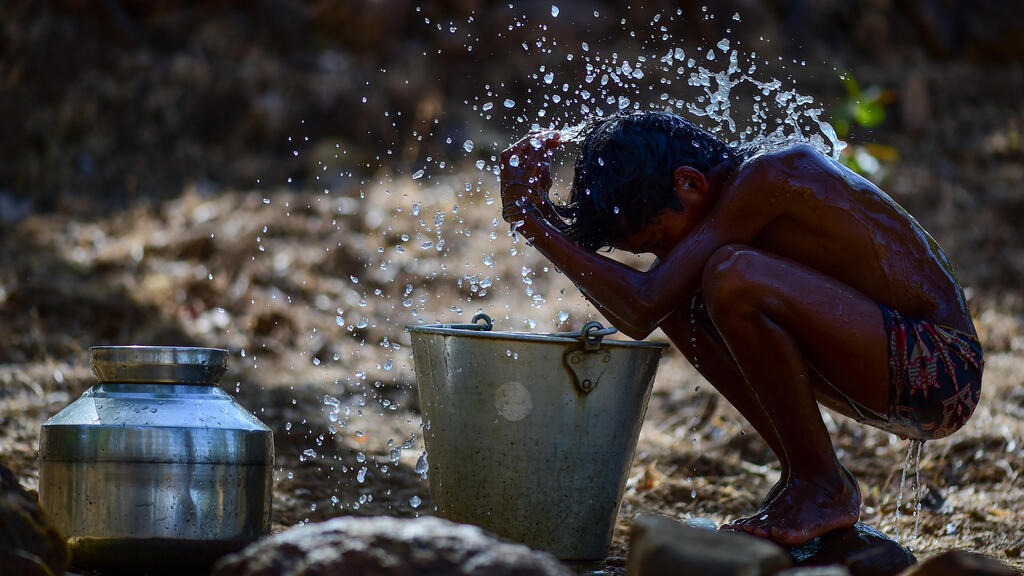
A child wets himself to cope with the heavy heat in India
(Photo: Ritesh Shukla/Getty Images)

Novak Djokovic tries to cool off from the heavy heat at the French Open in France
(Photo: Thomas Samson/AFP)
The bottom line is clear: Earth is getting hotter because of the burning of coal, oil and gas. As a result, the foreseeable future holds more extreme weather, including floods, droughts and heat waves. Forecasts by the UN climate agency and Britain’s national weather and climate service indicate a 75% chance that the average global temperature between 2026 and 2030 will exceed 1.5 °C above preindustrial levels. That threshold is the agreed warming limit, averaged over 20 years, set in the 2015 Paris climate agreement.
Crossing the 1.5 °C threshold increases the likelihood of deaths and species extinction. Although the rise may seem minor numerically, some of Earth’s ecosystems, such as corals and glaciers, cannot withstand heat stress. In fact, reality is already matching the forecasts, as an unprecedented May heat wave affects large parts of Europe.

Tourists suffer from the extreme heat wave hitting France
(Photo: Tom Nicholson/Reuters)
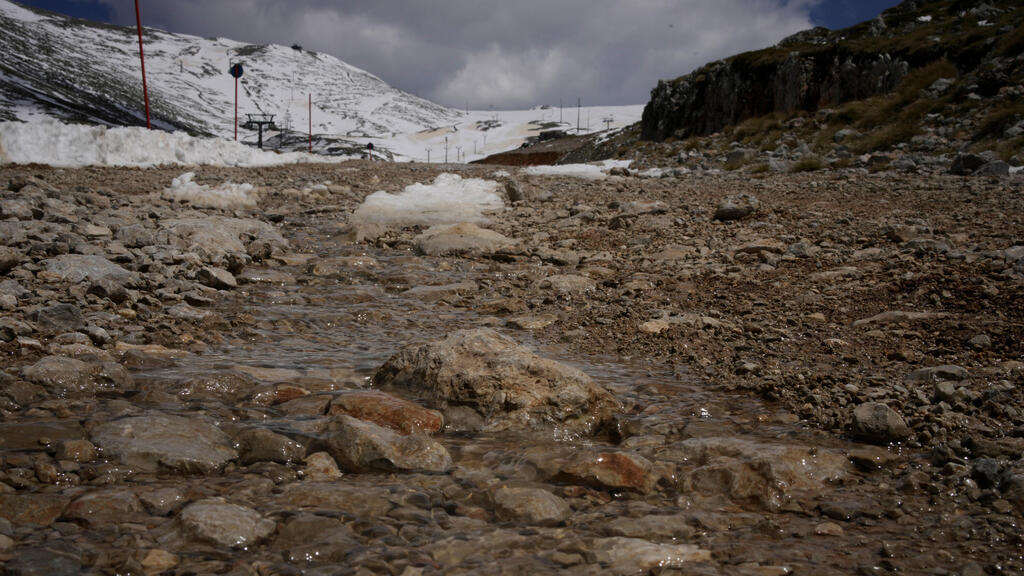
Snow-covered areas on Mount Parnassus in Greece melt due to rising temperatures
(Photo: Thanassis Stavrakis/AP)
Dr. Friederike Otto, a senior climate scientist at Imperial College London, said a full year or more above 1.5 °C would mean a wide range of extreme weather events, worse than anything experienced before. She said many people would die, food prices would rise and wildfires, storms or severe floods would become more intense.
Nearly all short-term forecasts predict the strong formation of El Niño, a natural warming of parts of the central Pacific Ocean that changes weather around the world and raises global temperatures. The World Meteorological Organization report said the climate phenomenon could last until 2028.
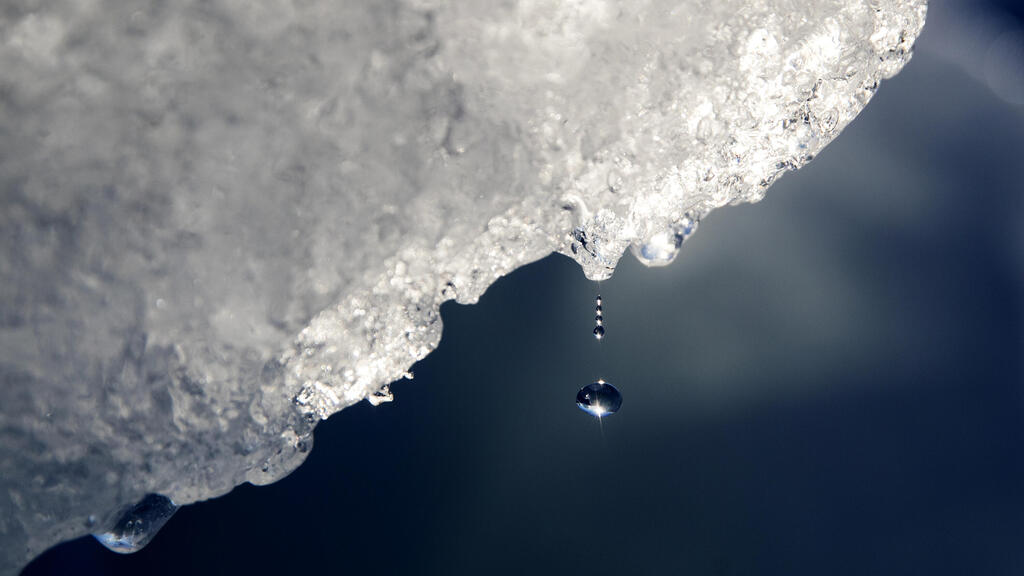
Melting glaciers in Greenland
(Photo: David Goldman/AP)
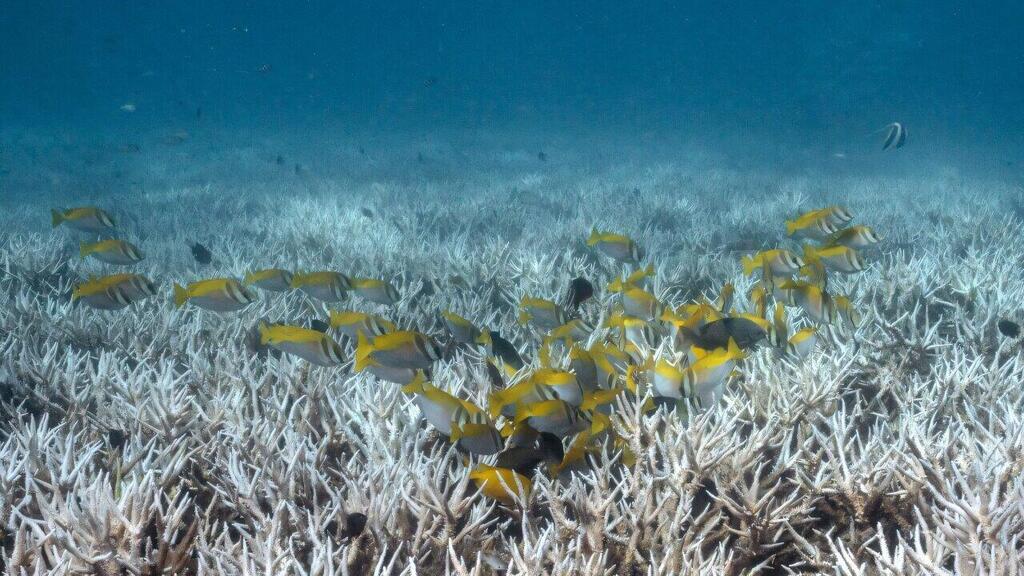
A school of fish swims past a bleached coral reef in Thailand
(Photo: Lillian Suwanrumpha/AFP)
If the next five years do bring an average increase of more than 1.5 °C since the preindustrial period, it would mean Earth is warming by a quarter of a degree Celsius per decade. The forecasts, based on an average of about 200 computer simulations using 13 different climate models from several countries, show that the Arctic is warming 3.5 times faster than the rest of the world because there is less ice and snow to reflect sunlight back into space.
Winters in the Arctic between 2020 and 2025 were on average 1.2 °C warmer than the 1991-2020 average. The World Meteorological Organization predicts the next five winters in the region will be an average of 2.8 °C warmer than normal, inevitably leading to shrinking Arctic sea ice and a significant impact on animals that depend on it, as well as rising sea levels.
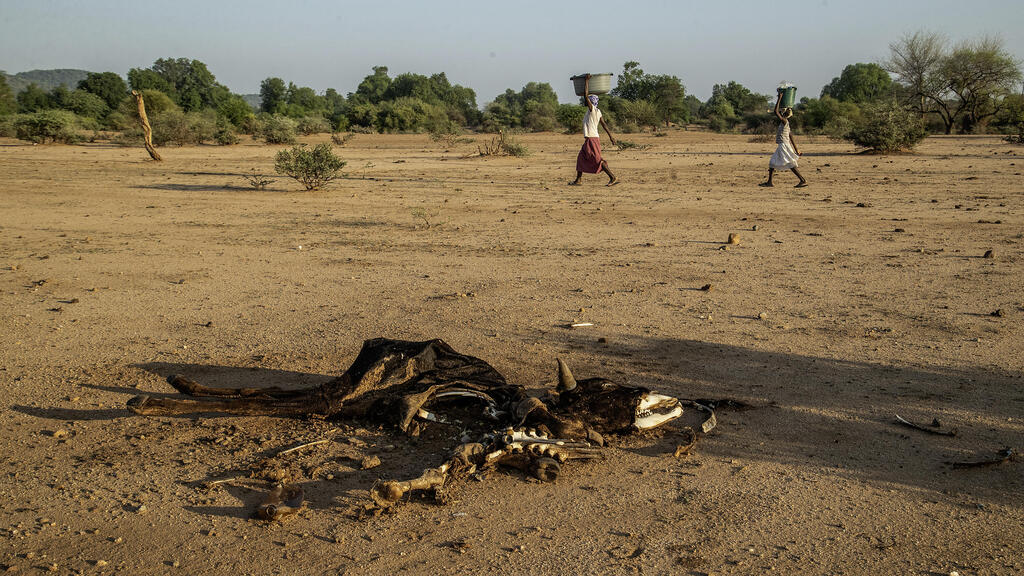
Severe drought in Africa caused by El Niño
(Photo: Matrix Images/Aaron Ufumeli/Reuters)
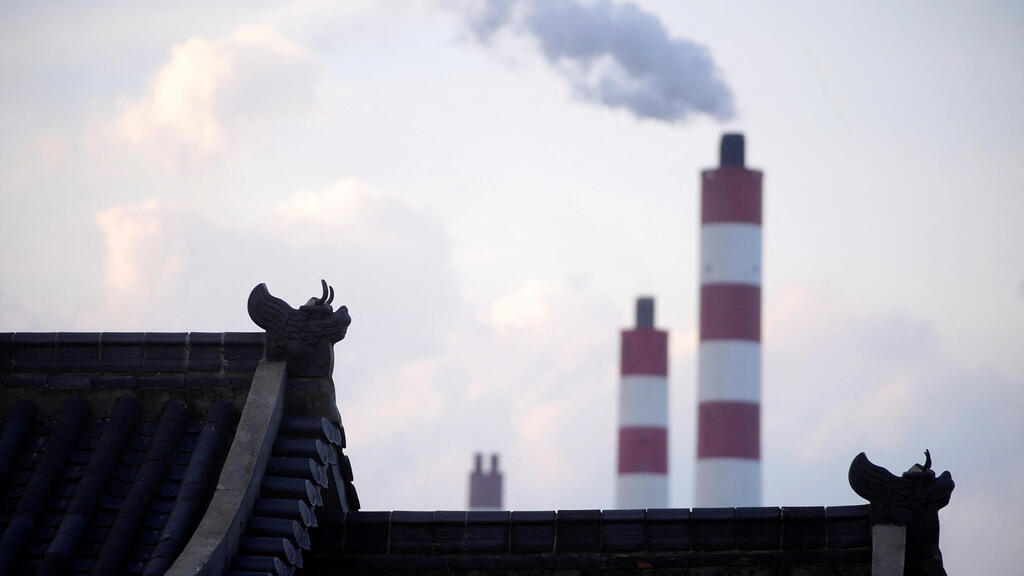
Coal-fired power plant in China
(Photo: Aly Song/Reuters)
As noted, the Amazon Basin is also expected to see hotter and drier climate conditions, which could be devastating both for local residents and for the planet as a whole, according to Melissa Seabrook, a climate scientist at Britain’s national weather and climate service. She said people depend on the Amazon for their livelihoods, while hotter and drier conditions are expected to increase the risk of wildfires. The Amazon, which currently absorbs carbon dioxide from the atmosphere, could become a source of the greenhouse gas and worsen the problem. By contrast, Africa’s Sahel region, a geographic, climatic and cultural transition belt stretching across the continent from east to west, which has been especially dry, is expected to receive more rain than usual, which could lead to flooding.
UN officials say that despite progress in recent years, it is clear that global warming is outpacing global efforts to curb it. Simon Stiell, head of the UN climate office, said high temperatures in Europe, India and elsewhere again demonstrate the harsh human and economic impact of humanity’s continued burning of vast amounts of coal, oil and gas. Whether through extreme heat, destructive storms, floods, fires or droughts that harm food supplies and prices, every country is paying an enormous price for the global climate crisis.
First published: 23:12, 05.30.26