

A first-of-its-kind mission to mine rare earth elements was carried out in Japan, as part of an effort to tap deposits located at depths of no less than 6,000 meters.
Kai Sato, a spokesman for the Japanese government, said the sample will be examined soon to assess the scale of rare earth wealth in the deep ocean in the area. “This is a significant achievement both in terms of economic security and comprehensive maritime development,” Sato said.
Gallery
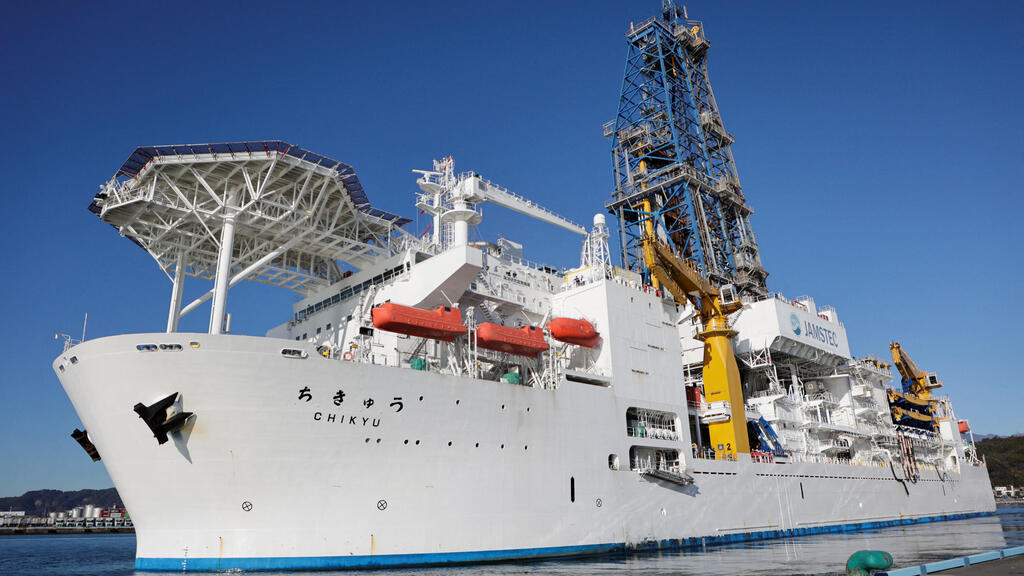
The Japanese drilling vessel Chikyu, which carried out rare earth mining at a depth of 6 kilometers in the Pacific Ocean
(Photo: Yuka Obayashi/Reuters)
The sample was collected toward the end of January by a scientific drilling vessel operating in the deep ocean called Chikyu. The ship sailed to the remote island of Minamitorishima, located in Japan’s economic waters, where Japanese officials believe there is a rich trove of valuable minerals estimated at more than 16 million tons of rare earth elements.
The efforts come at a time when China, the world’s largest supplier of rare earths, is increasing pressure on its neighbor after Japanese Prime Minister Sanae Takaichi hinted in November that her country would not hesitate to respond militarily to a Chinese attack on Taiwan. In response, China has threatened to halt exports of rare earth-based products to Japan.
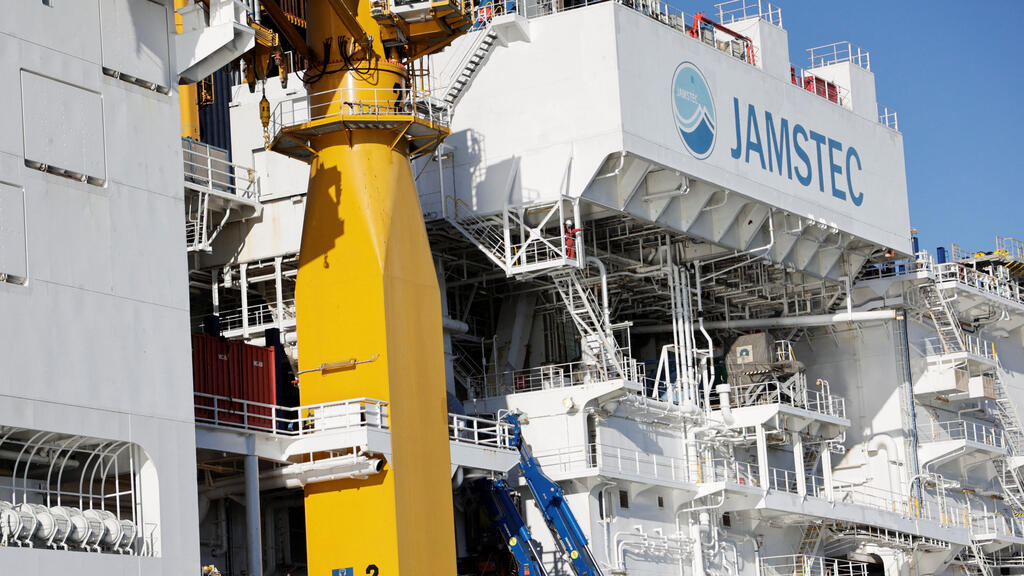
(Photo: Yuka Obayashi/Reuters)
Rare earth elements are vital for the large-scale production of industrial goods, ranging from electric vehicles to hard drives, wind turbines and missiles. The term refers to 15 elements from the lanthanide group, with atomic numbers 57 through 71, as well as scandium and yttrium, which are closely related on the periodic table and share similar properties.
Environmental activists, however, warn that deep-sea mining threatens fragile ecosystems. The issue has also heightened global geopolitical tensions, amid efforts by U.S. President Donald Trump to accelerate rare earth mining in international waters.
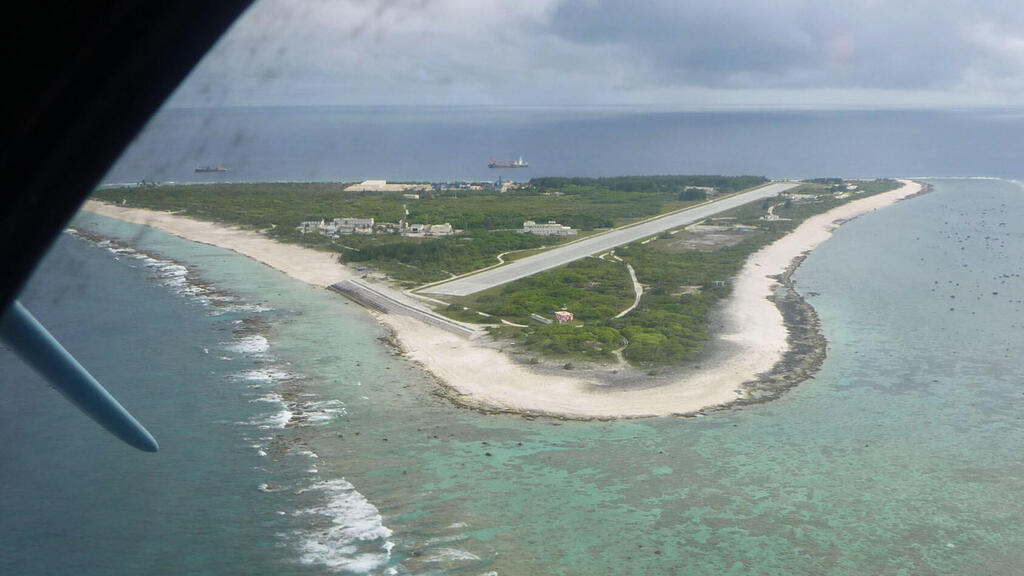
Minamitorishima island
(Photo: Kyodo/Reuters)
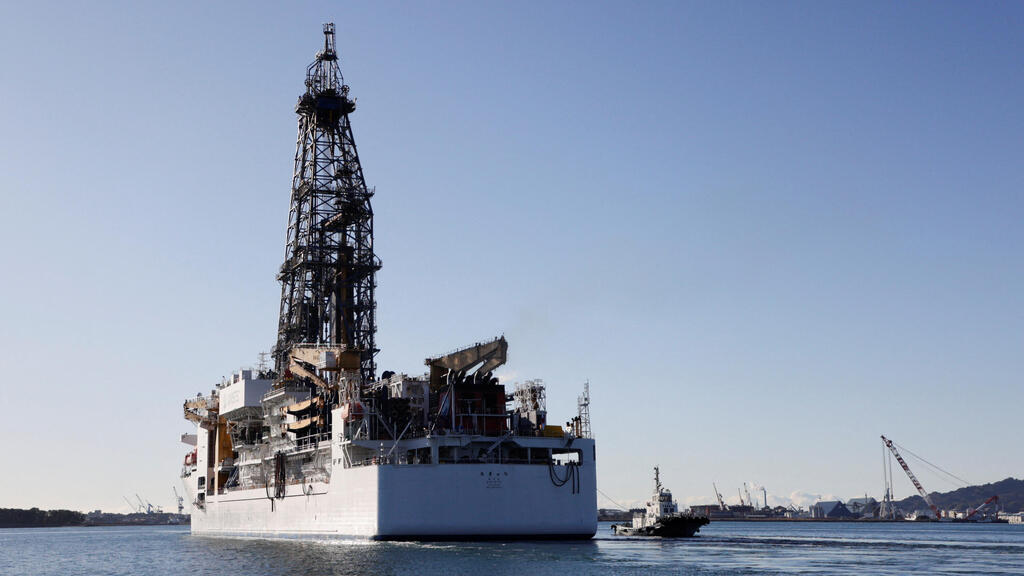
(Photo: Yuka Obayashi/Reuters)
The International Seabed Authority, a Jamaica-based organization comprising 169 countries and the European Union, holds jurisdiction over the ocean floor beyond national waters and is working to adopt a global code to regulate deep-sea mining. The Japanese trial mission, however, was conducted within Japan’s territorial waters.
“If Japan can successfully produce and regularly extract rare earth elements around Minamitorishima Island, about 1,900 kilometers southeast of Tokyo, it will secure a domestic supply chain for key industries,” Takahiro Kamisuna, a research fellow at the International Institute for Strategic Studies, told AFP. “This would be a major strategic asset for Takaichi’s government, significantly reducing dependence on supply chains from China.”
Beijing has long used its dominance in rare earths as a geopolitical lever, including during its trade war with the Trump administration. According to the International Energy Agency, China tightly controls the rare earth market, accounting for about 80% to 90% of global production and refining, as well as most known reserves.