


Israel’s watermelon-growing sector is suffering unusually severe damage this year, already estimated at millions of shekels, following a difficult combination of two simultaneous natural factors: exceptional cloud cover and unseasonal cold in March that severely harmed pollination and led to a sharp drop in yields, alongside a cucurbit virus outbreak that spread at significantly above-average levels and is infecting fields across the country.
According to data from KANAT, the Insurance Fund for Natural Risks in Agriculture, more than 1,000 dunams (about 247 acres) of watermelon crops have so far been approved for destruction—about 10% of Israel’s total watermelon-growing area. The industry is facing an unusual convergence of two major disruptions: weather-related yield failures and a severe virus outbreak for which there are limited means of control.
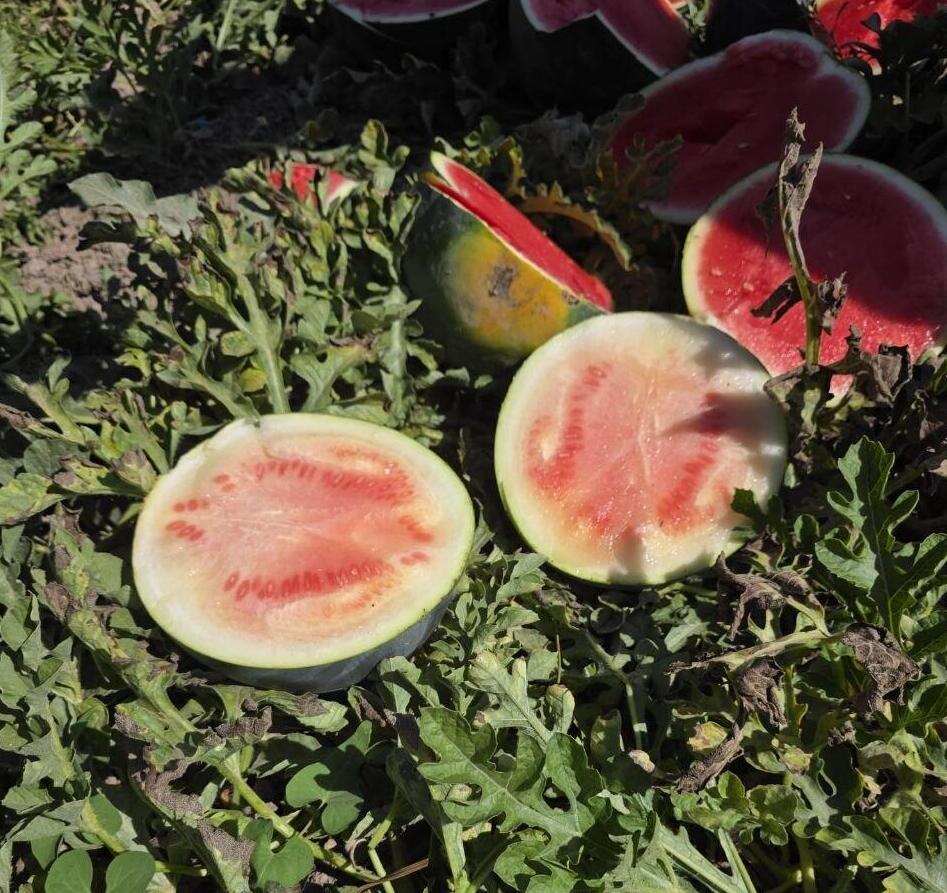
Israel’s watermelon-growing sector is suffering unusually severe damage this year
(Photo: Courtesy of KANAT)
KANAT officials said the damage began as early as March, which was characterized by heavy cloud cover and relatively cold temperatures. These conditions severely affected pollination, leading to a dramatic reduction in yields. The damage was felt mainly in early-season growing regions in warmer areas, including the northern Jordan Valley and the Beit She’an Valley, which produced very little early watermelon harvest in May.
In parallel with the weather damage, a cucurbit virus—affecting crops such as watermelons—spread this year at an unusually high and extreme rate. While it appears annually, this season’s outbreak is estimated at five to six times the average. KANAT says part of the surge is linked to weather conditions and the increasing resilience of the virus.
The virus directly affects the fruit’s texture and taste, leaving watermelons mealy, unripe in appearance, and sometimes displaying white flesh or yellow streaks that make them look overripe. KANAT stresses that the virus only affects texture and taste, rendering the fruit unfit for sale. Damage is being recorded across fields nationwide, including the Jordan Valley, the Lower Galilee, and the south—particularly the Gaza border region. Crops are being discarded already in the field to avoid the high cost of harvesting.
Because harvesting watermelons is expensive—estimated at about 2,000 shekels per dunam (about 540 dollars per acre)—KANAT is acting to prevent additional losses for farmers. When inspectors find a damaged field, they conduct a sample check. If significant damage is found and the farmer opts to destroy the entire plot, compensation is provided. This prevents unnecessary costs such as harvesting, transport, and later rejection of produce after logistics expenses have already been incurred.
The watermelon marketing season runs from mid-April through August. At this stage, significant growing areas across the country have yet to mature, and officials warn that the full extent of the damage may only become clear later in the summer harvest period. KANAT cautions that the situation is not yet over, and losses could still expand to thousands more dunams.