

With hundreds of thousands of pets living in Israeli homes and often considered family members, the Agriculture and Food Security Ministry is exploring formal regulations for pet burials—an issue that has long lacked clear, standardized solutions.
The ministry announced this week that it has launched a public consultation process to help shape a “sensitive and appropriate” framework for pet burial that would meet the emotional needs of pet owners while considering environmental and logistical concerns.
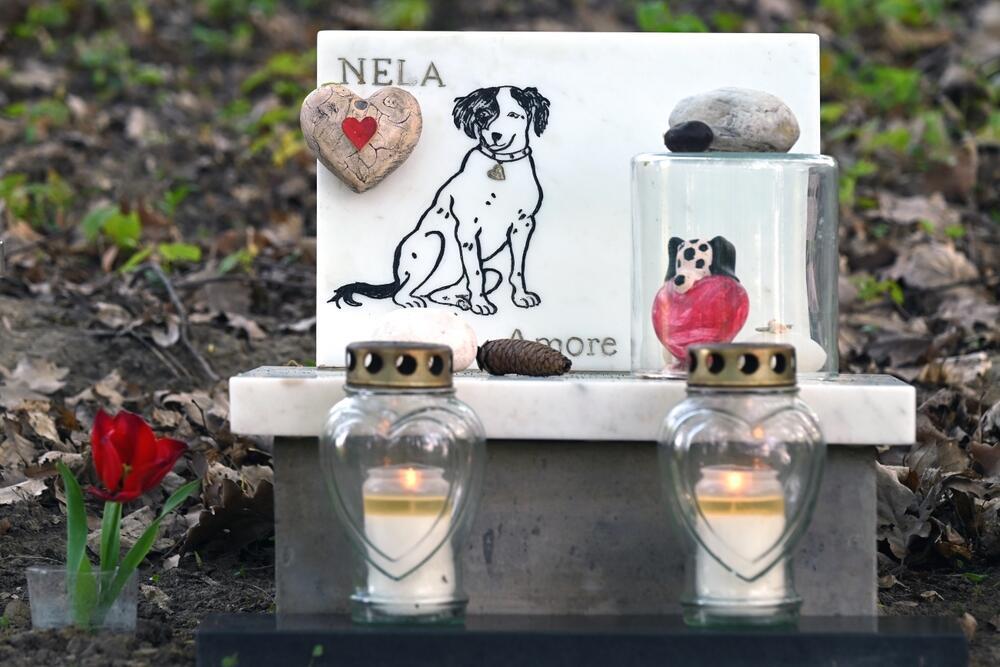
(Photo: Raphael Ruz/Shutterstock)
To guide the process, the ministry, in cooperation with global consultancy firm EY, has released a public questionnaire aimed at gathering insights into how Israelis currently handle the loss of pets and what preferences they have regarding burial or cremation. The survey is available only in Hebrew.
The questionnaire asks about the types of pets commonly kept, awareness of existing burial options, attitudes toward private pet cemeteries and cremation services, willingness to support the establishment of official pet cemeteries and sensitivity to moral, emotional and financial considerations. It also explores acceptable price ranges for such services.
Many countries around the world already regulate pet burial through various models, including dedicated pet cemeteries, municipal services and private sector solutions. These frameworks aim to balance public needs with environmental sustainability and to provide dignified end-of-life options for companion animals.
The ministry emphasized that no decisions have yet been made and that the consultation is intended to reflect the voices and needs of the public. Findings from the survey will guide future policy proposals.