

The U.S. space agency early Friday released a sweeping report on the failure of Boeing’s Starliner mission, which left two astronauts stranded aboard the International Space Station for nine months instead of the planned one-week test flight.
The 300-page report details communication breakdowns and unprofessional conduct as NASA and Boeing struggled to agree on how to return the crew safely to Earth. It outlines technical and oversight failures in the spacecraft’s first crewed mission, which ended last year.
Gallery
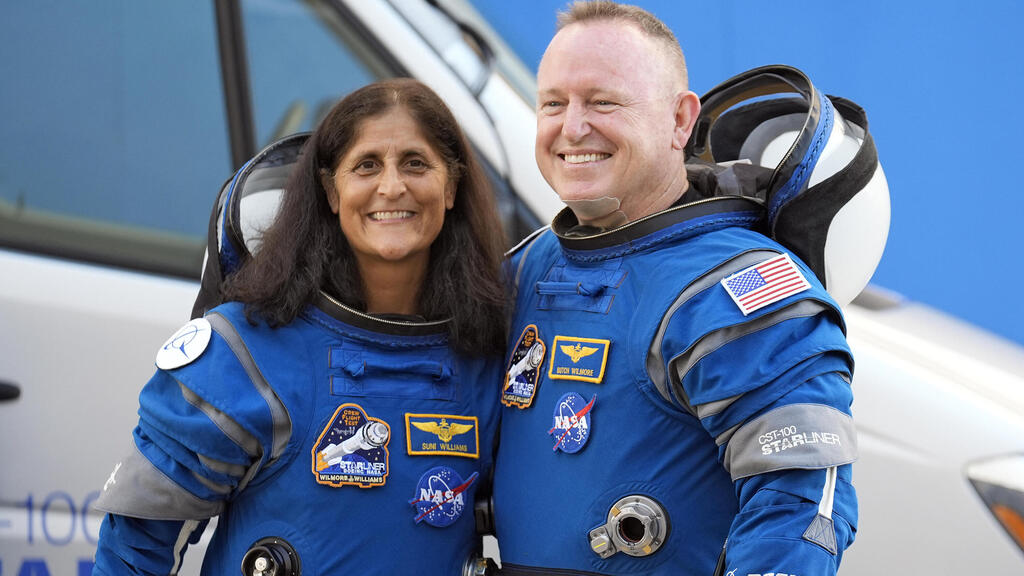
Barry Wilmore and Sunita Williams before their launch to space in June last year
(Photo: AP Photo/Chris O'Meara)
NASA Administrator Jared Isaacman sharply criticized Boeing and senior agency officials at a news conference marking the report’s release. In a letter to NASA employees posted on X, he said Starliner has design and engineering flaws that must be corrected, but described the most troubling failure as one of leadership and decision-making. If left unaddressed, he warned, it could foster a culture ill-suited for human spaceflight. He called for full accountability, exceptional professionalism and decisive action.
Veteran astronauts Barry “Butch” Wilmore and Sunita Williams were launched in June 2024 as Starliner’s first test crew. About 24 hours after liftoff, as the spacecraft approached autonomous docking with the space station, five maneuvering thrusters failed, forcing manual intervention. The propulsion issues were among four major technical failures that triggered months of testing and debate while the pair remained in orbit.
According to the report, tense meetings between NASA and Boeing officials on Earth included shouting and behavior that violated the agency’s norms for technical debate and crisis management. Many interviewees described defensive, unhealthy and highly contentious discussions early in the mission, with no clear path to resolve disputes between teams. The findings are based on interviews with anonymous NASA officials and were completed in November.
The launch into space
(Video: NASA)


In the end, NASA decided to return Starliner to Earth without a crew. Wilmore and Williams came home aboard SpaceX’s Dragon capsule. Deputy NASA Administrator Amit Kshatriya said the astronauts conducted themselves with professionalism and that the agency had failed them. Williams, 60, retired from NASA in December with 608 days in space across three missions. Wilmore, 63, retired in August with 464 days in space over three missions.
The report also describes a fragile partnership between NASA and Boeing. It says concerns among NASA leaders that Boeing might withdraw from the Commercial Crew Program influenced decision-making on critical issues. Hesitation to challenge Boeing’s interpretations and failure to act on engineering concerns contributed to risk acceptance and strained relations, the report says.
NASA retroactively classified the mission as a “Type A mishap,” its most serious category, which includes spacecraft damage exceeding $2 million or death or permanent disability of a crew member.
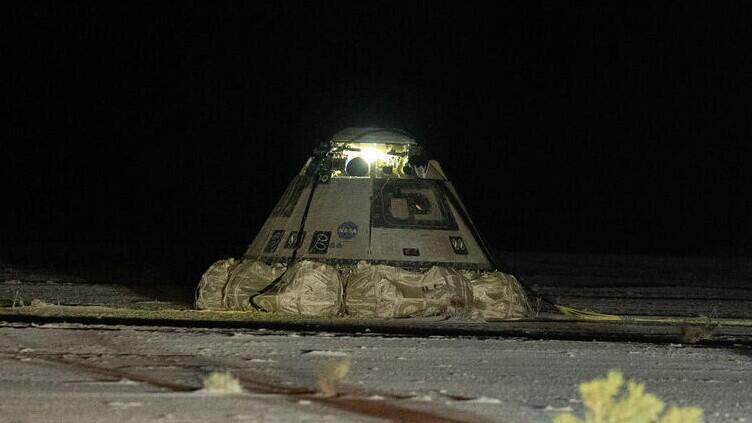
(Photo: Boeing)
Boeing said it appreciates NASA’s comprehensive investigation and the opportunity to contribute to it, adding that it has made progress addressing technical flaws and implemented organizational changes. The company has spent tens of millions of dollars on post-mission fixes and has recorded about $2 billion in charges on the project since 2016. Last year NASA reduced the total contract value to $3.7 billion and cut the number of planned flights from six to four, citing development difficulties and the approaching 2030 retirement of the space station.
NASA’s decision to publish a redacted version of the findings drew praise from former officials and astronauts and was seen as an unusual step within the Commercial Crew Program. Former Deputy Administrator Lori Garver, an architect of NASA’s commercial contracting model, said such transparency is difficult but would have strengthened safety and public trust had it been adopted earlier.
The Commercial Crew Program funded development of Boeing’s Starliner and SpaceX’s Dragon to ensure two independent options for transporting astronauts to the space station. Since 2020, Dragon has flown multiple crewed missions for NASA without a mission failure, reinforcing SpaceX’s position as a leading U.S. space contractor.
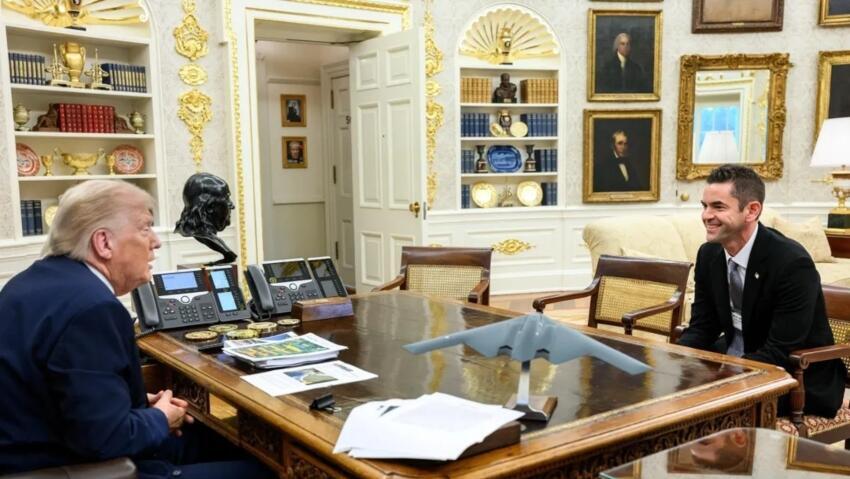
Isaacman with Trump at the White House
(Photo: X)
Isaacman, a Jewish billionaire who previously flew on two private SpaceX missions, has criticized Boeing and other major government contractors over delays and cost overruns, a stance that has resonated at the Pentagon. His ties to SpaceX founder Elon Musk drew scrutiny from lawmakers during his Senate confirmation hearings.