


The main findings of Israel’s 2024 national Mediterranean monitoring report point to troubling trends: warming seawater, rising sea levels, the spread of invasive species alongside the disappearance of native ones, ongoing pollution and a broad accumulation of plastic waste, which was also found in the digestive systems of sea turtles.
At the same time, the report, published Wednesday morning, also points to localized signs of recovery, including improved water quality in southern Haifa Bay, the recovery of a sea snail species and a decline in the share of plastic bags found on beaches.
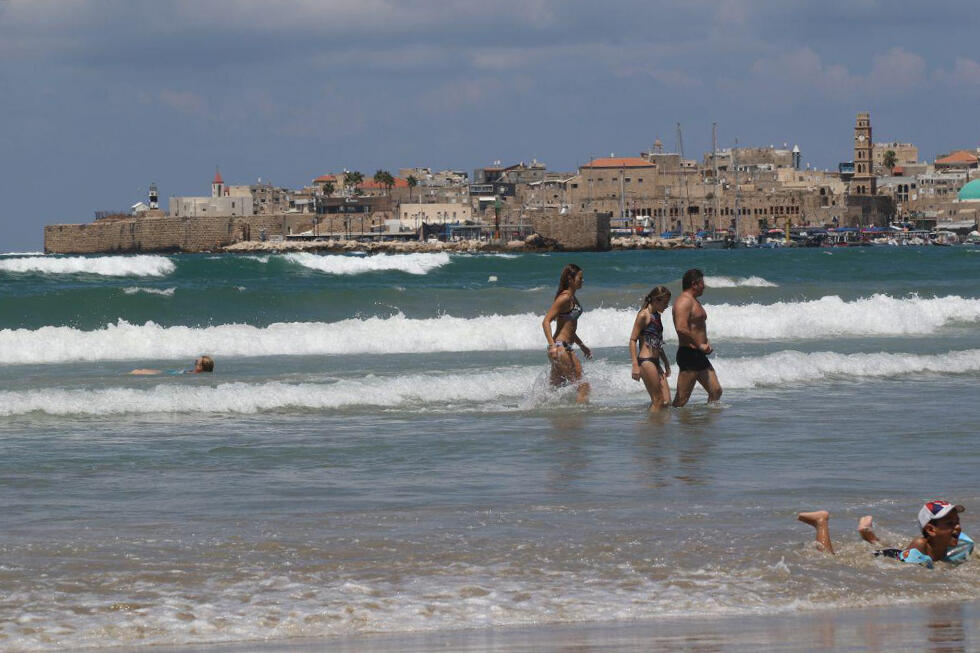
The monitoring program is led by the Chief Scientist's Bureau at the Environmental Protection Ministry, a position that has yet to be filled, and the Chief Scientist Unit at the Energy and Infrastructure Ministry, together with the Natural Resources Administration at the Energy and Infrastructure Ministry and the Environmental Protection Ministry’s national marine environment protection unit.
Alon Zask, CEO of Israel Oceanographic and Limnological Research, said that “in 2024 as well, despite significant constraints, including security challenges, GPS navigation disruptions and laboratory limitations, the institute’s researchers and marine teams worked to preserve the continuity and quality of the data, understanding the importance of reliable information over time.
"The findings of the 2024 report point to continued warming of Mediterranean waters at a significant pace, an accelerated rise in sea level and the deepening spread of invasive species alongside the disappearance of native species, processes that are changing the structure of the marine ecosystem in our region.”
Zask added that “the report also documents localized positive trends, including improved water quality in southern Haifa Bay, the recovery of species essential to coastal habitats and a decline in the share of plastic bags on beaches, which point to the contribution of science-based policy, regulation and enforcement measures.
"The data produced by the institute as part of the monitoring program are a central tool for supporting decision-making, tracking the long-term effectiveness of those decisions, assessing environmental and health risks, and planning the long-term management of marine resources. In an era of accelerating climate change and growing human pressure, continued investment in consistent scientific monitoring is essential to preserving the resilience of Israel’s marine environment and its ability to face future challenges.”
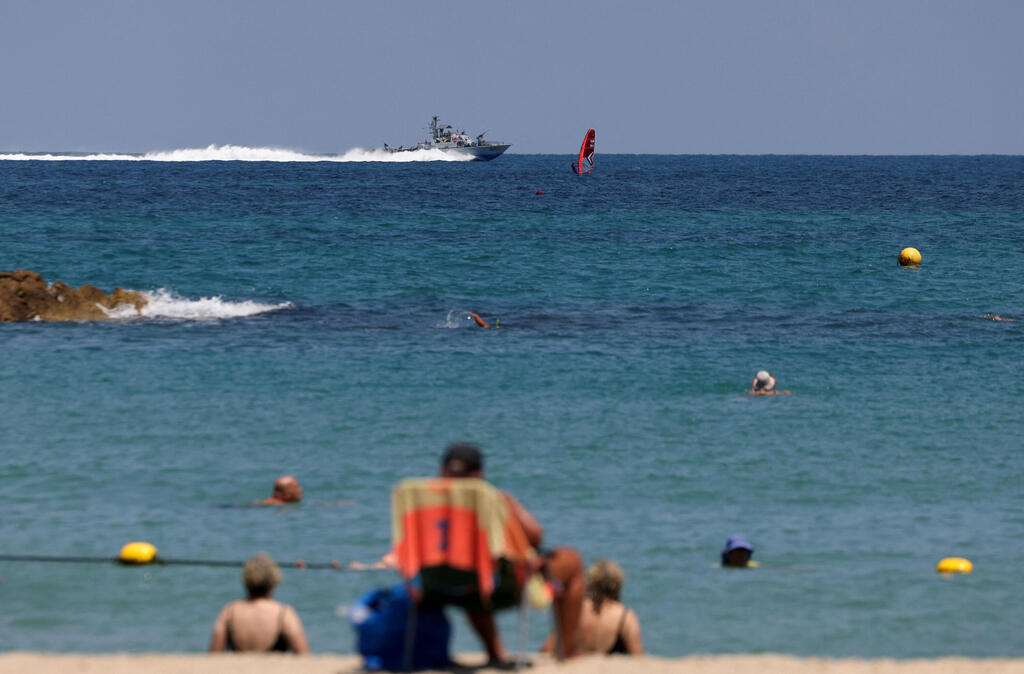
Haifa beach
(Photo: Reuters/Ronen Zvulun)
The report found that the temperature of the upper water layer in the Mediterranean Sea is rising by 0.05 degrees Celsius per year. This is a troubling trend that affects local marine plants and animals, which struggle to adapt to rising temperatures. The report also found a 15-centimeter rise in sea level since 1992, along with continued increases in salinity and ocean acidification, all linked to global climate change.
That amounts to an average rise of about 4.7 millimeters per year, a pace considered rapid compared with the global rate of 3.4 millimeters per year published by the IPCC. Rising sea levels are expected to affect Israel’s entire coastline. One of the main dangers is flooding during storms.
Acidification of seawater is also continuing at a gradual pace. The process is caused by the rising share of carbon dioxide in the air, which enters the marine system. The increase in carbon dioxide concentrations may stem from the release of carbon dioxide from marine sources because of warming seawater. The main significance of ocean acidification is that the sea, which until now has served as a sink for carbon dioxide, could become a source of additional carbon dioxide emissions into the atmosphere, further intensifying climate change and increasing the frequency of extreme weather events.
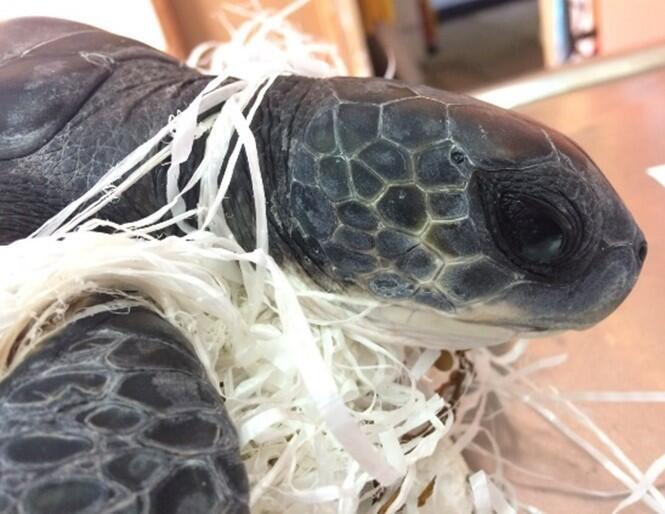
A turtle injured by plastic waste
(Photo: Olga Rybak, Israel Nature and Parks Authority)
As for marine and coastal waste, plastic still dominates, with about 60% of waste on southern beaches and about 90% in central and northern beaches. Since 2021, however, the share of plastic bags among total beach waste has declined, possibly due to previous Environmental Protection Ministry measures, including the plastic bag law and the tax on disposable plasticware, which was later repealed.
In 2024, plastic waste was found in the digestive systems of nine of the 10 turtles examined. A total of 106 waste items were collected from the turtles’ digestive systems, with more than 10 pieces of waste found in seven of the turtles.
As for biodiversity, warming seawater is encouraging the establishment of invasive species from the Red Sea, which are dramatically changing the composition of animal and plant communities in the Mediterranean. One example is the invasive toxic red algae, which is growing unchecked. Other invasive species that have established themselves and are reproducing on rocky substrates include lionfish (Pterois miles), and long-spined sea urchins (Diadema setosum), which until recently were known from the shores of Eilat. These species are venomous and also pose a nuisance to humans.
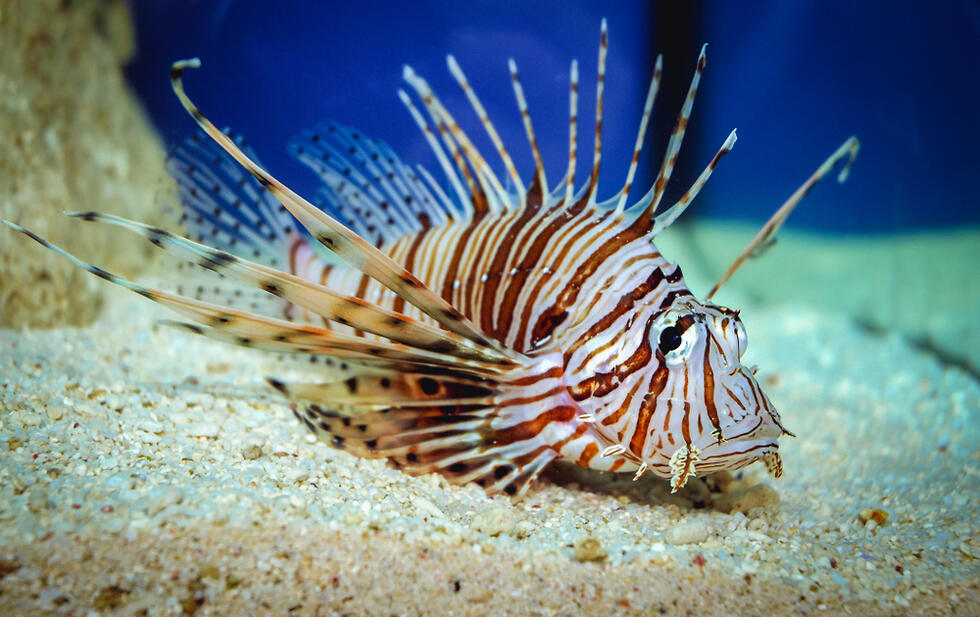
Lionfish
(Photo: Shutterstock)
Since 2023, two local fish species that were once common in trawlers’ nets have been notably absent: red mullet and striped seabream. The finding is troubling and appeared again in the 2024 monitoring results. The concern is that native species adapted to cooler waters are disappearing as the sea warms.
Along the kurkar ridges, a multiyear trend continues: Local algae are disappearing and being replaced by invasive algae. The native algae once formed tall “forests” that served as habitats for small marine animals. The invasive algae are smaller and fail to provide the same habitat, disrupting the broader ecosystem.
There are not many reasons for optimism, but knowledge can enable change, provided decision-makers, including the Environmental Protection Ministry and the Energy Ministry, act in time today and for future generations.
First published: 13:10, 04.29.26