


Israel’s Water Authority warned more than two years ago that marine contamination could knock several of the country’s desalination plants out of operation at the same time, potentially creating what one lawmaker called a “drama for the water system.”
That scenario has now largely materialized.
Gallery
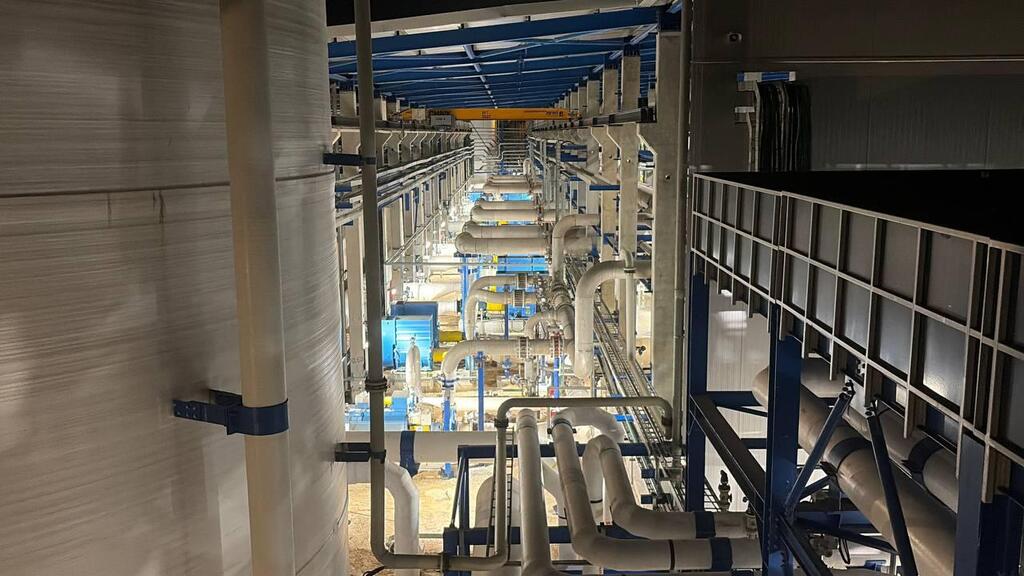
2024 Knesset debate exposed desalination risk now confronting Israel’s water system
(Photo: Meir Turgeman)
In May 2024, a parliamentary subcommittee overseeing Israel’s water sector held a hearing titled “Preparedness for marine pollution incidents, with a focus on challenges facing Israel’s desalination plants.” Among those attending was Eyal Schreiber, head of the Water Authority’s desalination division, who has not spoken publicly during the current crisis.
The discussion shows that officials were already well aware of the water system’s vulnerability and of the risks posed to desalination plants by a major marine pollution event. As far as is known, however, no significant measures were taken afterward to prepare for such a scenario.
More than a week after the first desalination plant was shut down in the current crisis, the Ashdod, Ashkelon and Sorek A facilities remain out of operation. Sorek B and Palmachim are operating only partially.
The Water Authority said Sunday afternoon that the national system remained stable and that water supplies to households and agriculture were continuing as normal.
That has been made possible by combining output from plants still operating with water from the Sea of Galilee, hundreds of wells around the country and national reservoirs that were replenished over the weekend by Mekorot, Israel’s national water company.
The authority also said it had decided to purchase a dedicated reserve stock of membranes for desalination plants to help ensure continued water supply.
At the May 2024 hearing, Schreiber described precisely the type of risk now confronting the system.
“In principle, in a catastrophic marine disaster involving oil pollution, and incidentally not only oil pollution but also microbial contamination from various types of wastewater, there is a risk to desalination plants,” he told lawmakers.
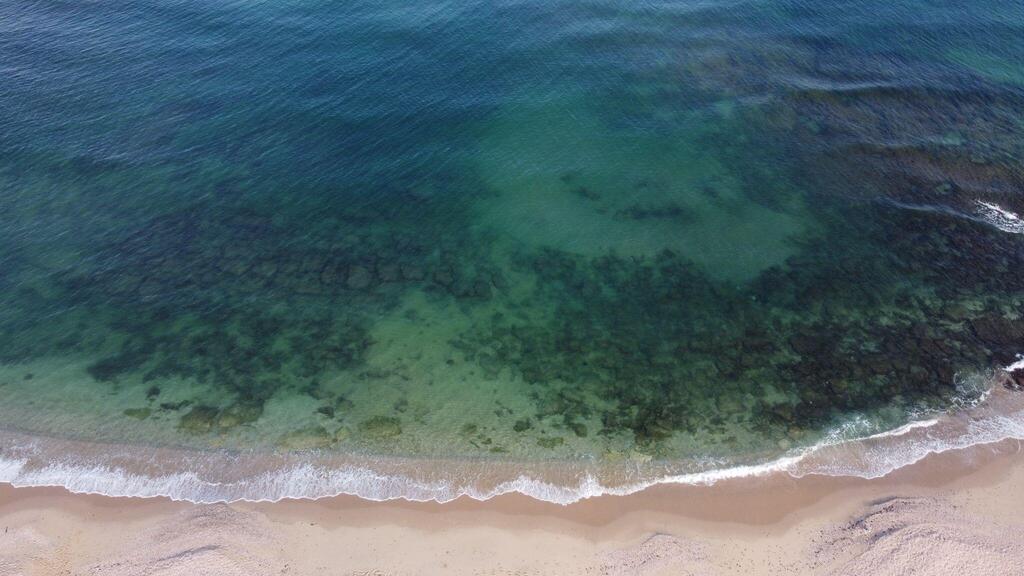
The pollution at Palmachim Beach last week
“Oil slicks entering the intake pipes of desalination plants can cause irreversible damage to the desalination facility, clogging filters and clogging membranes.”
If the membranes were damaged, Schreiber said, repairs could take between three and six months and cost tens of millions of shekels.
Then-subcommittee chairman Zeev Elkin, now a government minister, asked who would ultimately be responsible for covering the cost of such damage.
“The million-dollar question,” Schreiber replied.
“In principle, if this is agreed to constitute force majeure, then it depends on the mechanism in the agreement between the state and the concessionaire. If it is force majeure, the state will have to bear those costs. If it is not proven that the incident constitutes force majeure, then the concessionaire will bear the cost.”
Although the cost of the current contamination incident is expected to fall on the state, the 2024 hearing also addressed what desalination operators would be expected to do during such a crisis.
Officials said the agreements governing the plants require operators to take mitigation measures even in a force majeure event in order to restore operations, and only afterward seek reimbursement.
“There is always an incentive for the concessionaires to continue working toward restarting operations, even if that means investing tens of millions of shekels, because their monthly cash flow is far higher,” Schreiber said.
‘A drama for the water system’
The discussion then turned directly to the possibility that several desalination plants could be disabled simultaneously.
Elkin asked: “How many desalination plants have to go out of operation in this scenario before we feel it in our water system?”
“If one desalination plant is affected, and even two, we can maintain supply without disruptions and essentially without having to think about it for three months, and even six months,” Schreiber replied.
But the consequences would become significantly more serious as additional facilities were lost, particularly for agriculture. Schreiber said that under a prolonged shutdown scenario, agricultural water supply could ultimately be reduced by about 20%.
Elkin then raised the geographic concentration of Israel’s desalination infrastructure.
“We could reach a situation in which three or four desalination plants out of the five are affected in one way or another, because geographically they are very close to one another,” he said.
The hearing took place before the Sorek B desalination plant entered operation.
“It’s not as though they are spread out along the entire coastline,” Elkin added.
“Correct,” Schreiber replied. “It depends on the scale of the disaster.”
“If there is an incident in that area, it will be a drama for the water system,” Elkin warned.
“Absolutely,” Schreiber said.
Neither Elkin nor Schreiber has publicly addressed the current desalination crisis.