


Archaeologists have uncovered some of the oldest known oil lamp wicks in the world during a dig near Yehud, Israel, shedding new light on ancient practices of illumination and burial rituals.
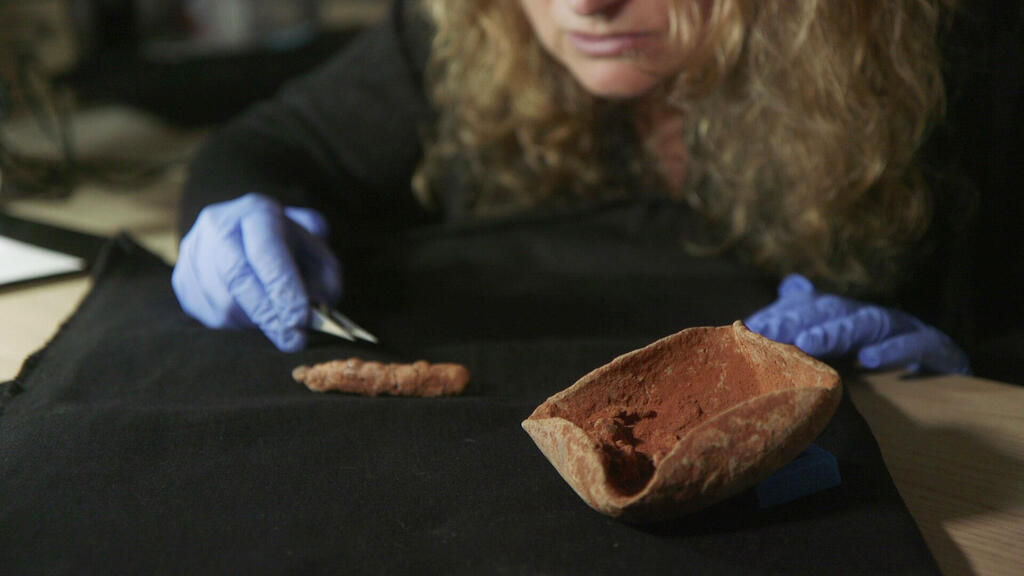
The 4,000-year-old textile wicks were found inside clay lamps at the Newe Efraim site during an excavation by the Israel Antiquities Authority conducted as part of development work funded by the Israel Lands Authority for a new neighborhood. Researchers say the preservation of organic materials in the humid Mediterranean climate is exceptionally rare.
“This is a unique discovery that we did not expect could ever be found in this environment,” Dr. Naama Sukenik and Dr. Yonah Maor of the Israel Antiquities Authority said in a statement. “Although wicks were common in the ancient world, their organic composition usually prevents them from surviving thousands of years. The fact that three were found — and one in its entirety — is remarkable.”
The wicks were uncovered in graves dating to the Intermediate Bronze Age (c. 2500–2000 BCE) alongside pottery, metal weapons, animal bones and jewelry. Laboratory analysis revealed traces of soot on the wicks, indicating they were used to illuminate the tombs during burial ceremonies.

“The fire burning in a lamp has long been associated with magical power, light and warmth,” said excavation directors Dr. Gilad Itach, Yossi Elisha and Yaniv Agmon. “While this population left no written records, fire in burial rituals across the ancient Near East symbolized the human soul, a tradition reflected in today’s term ‘Ner Neshama,’ or flame of the soul.”
Further analysis showed the wicks were made from reused linen fabric, likely recycled from textiles originally intended for other purposes. Researchers describe this as evidence of resourcefulness and thrift among the ancient population.
(Photo: Israel Antiquities Authority)
“The secondary use of textiles indicates smart economic conduct and creativity even 4,000 years ago,” said Sukenik.
The discovery and study were published in the latest issue of the Israel Antiquities Authority’s scientific journal ʼAtiqot, Vol. 118. Eli Escusido, director of the Antiquities Authority, emphasized the importance of sharing such findings with the public.