


A site featuring inscriptions and rock carvings dating to various periods over thousands of years has been uncovered in southern Sinai. In a statement, Egypt’s Ministry of Tourism and Antiquities said the site “reveals secrets of 10,000 years of rock art history.”
The site, known as the Umm Iraq Plateau, was discovered by an Egyptian archaeological mission from the Supreme Council of Antiquities operating in South Sinai. According to the ministry, it is one of the most significant newly discovered archaeological sites and is “of exceptional historical and artistic value.”
Gallery
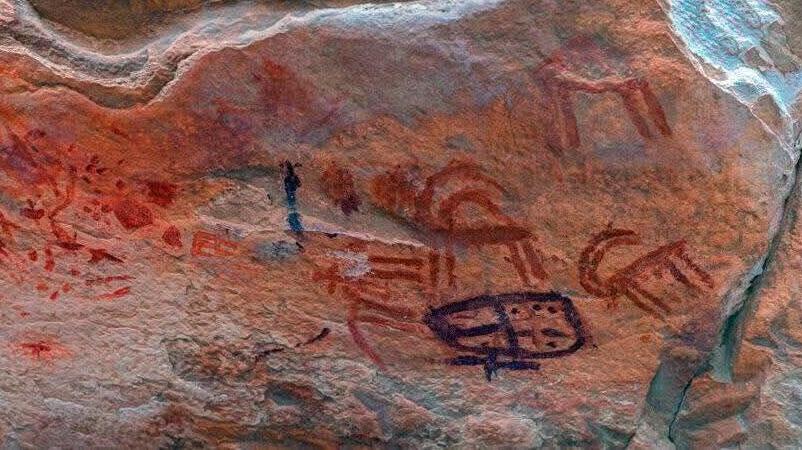
Inscriptions and rock carvings dating to various periods over thousands of years has been uncovered in southern Sinai
(Photo: Egyptian Ministry of Tourism and Antiquities)
The newly discovered historical site is located in a sandy area about five kilometers northeast of the Serabit el-Khadim Temple—another archaeological site in western Sinai that in ancient times served as a turquoise mining center. It overlooks a wide expanse and was likely used throughout history as a lookout point, gathering place, and rest area, according to the ministry’s statement.
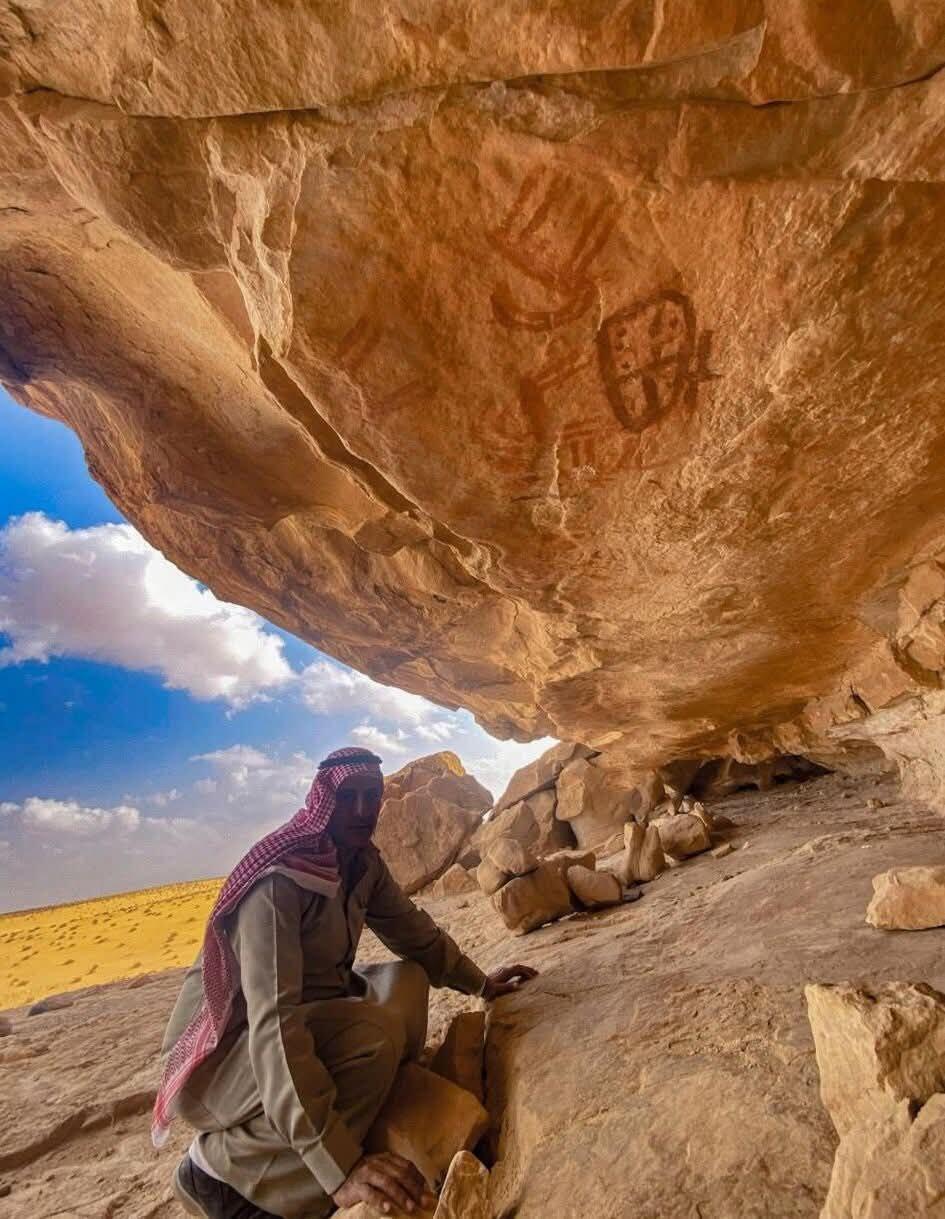
Among the most notable findings, the Umm Iraq Plateau includes a natural sandstone shelter stretching more than 100 meters in length, with a depth of two to three meters and a ceiling height ranging from one and a half meters to half a meter. The ceiling bears a large number of rock drawings painted in red ink, including depictions of animals and various symbols still under study, along with a collection of gray-toned drawings documented for the first time, and additional inscriptions executed using diverse techniques, reflecting artistic and cultural variety.
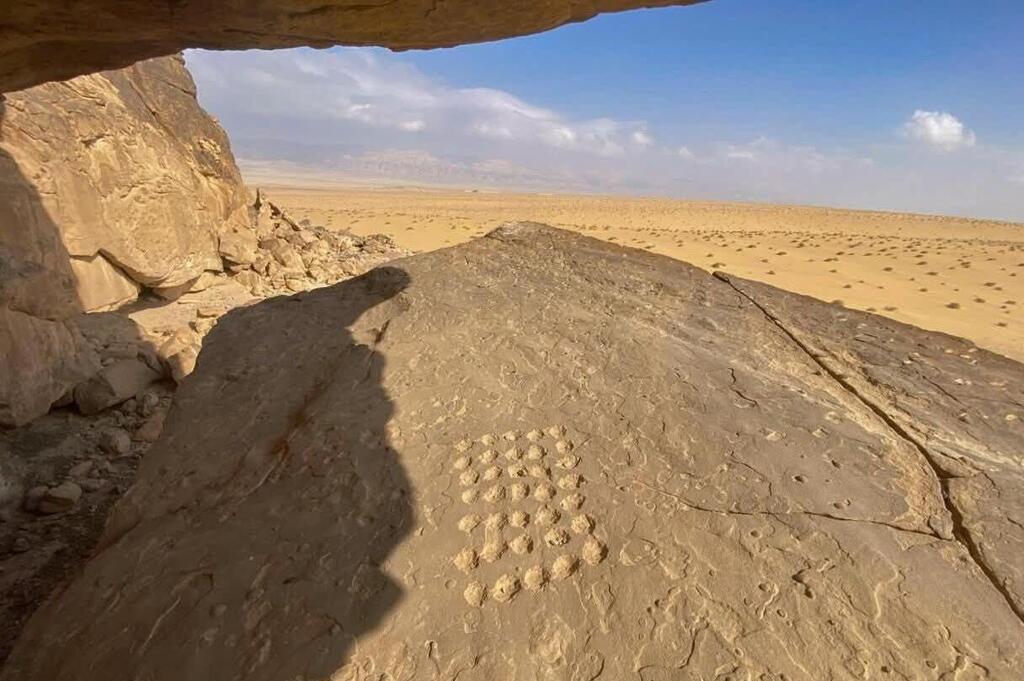
The site in South Sinai
(Photo: Egyptian Ministry of Tourism and Antiquities)
(Photo: Egyptian Ministry of Tourism and Antiquities)
According to the ministry’s report, one expert said the site was used, among other purposes, to provide shelter from rain, storms and cold for both humans and animals. Pottery shards were also discovered at the site, some dating back to the Roman period.
The rock art has been divided into several chronological groups. The earliest group dates from approximately 10,000 BCE to 5,500 BCE and includes the red drawings, which reflect life in those early times.
(Photo: Egyptian Ministry of Tourism and Antiquities)
(Photo: Egyptian Ministry of Tourism and Antiquities)
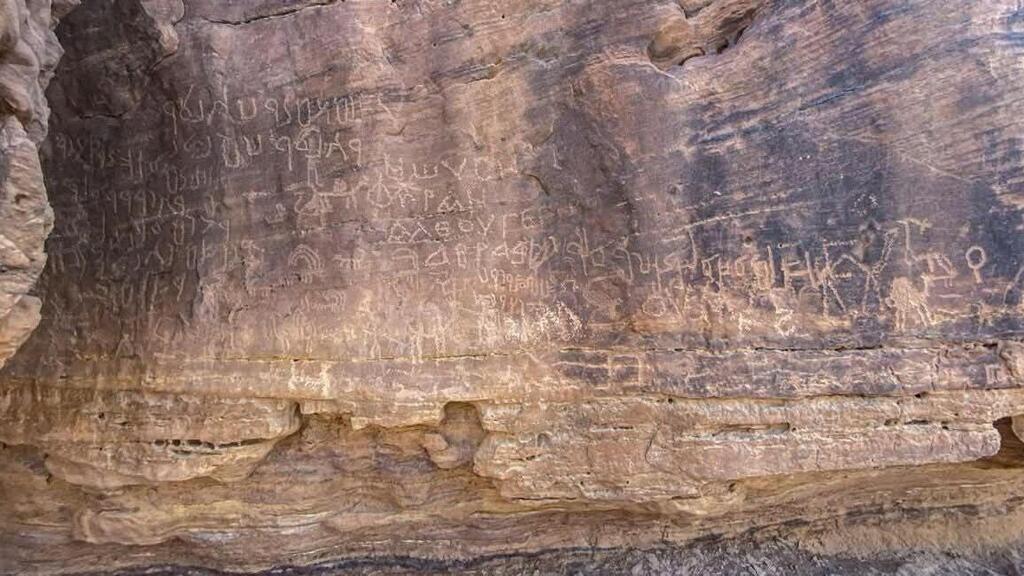
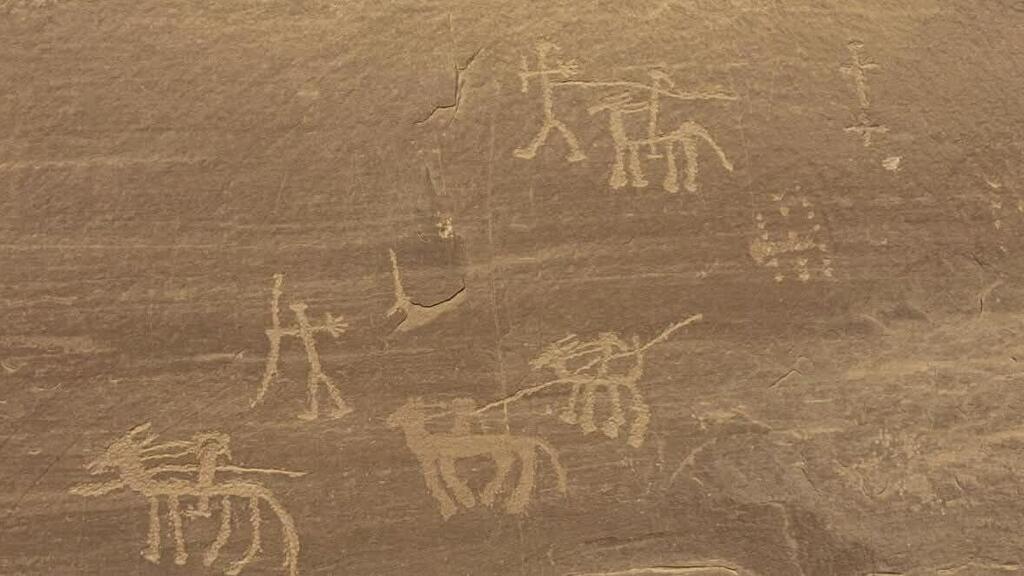
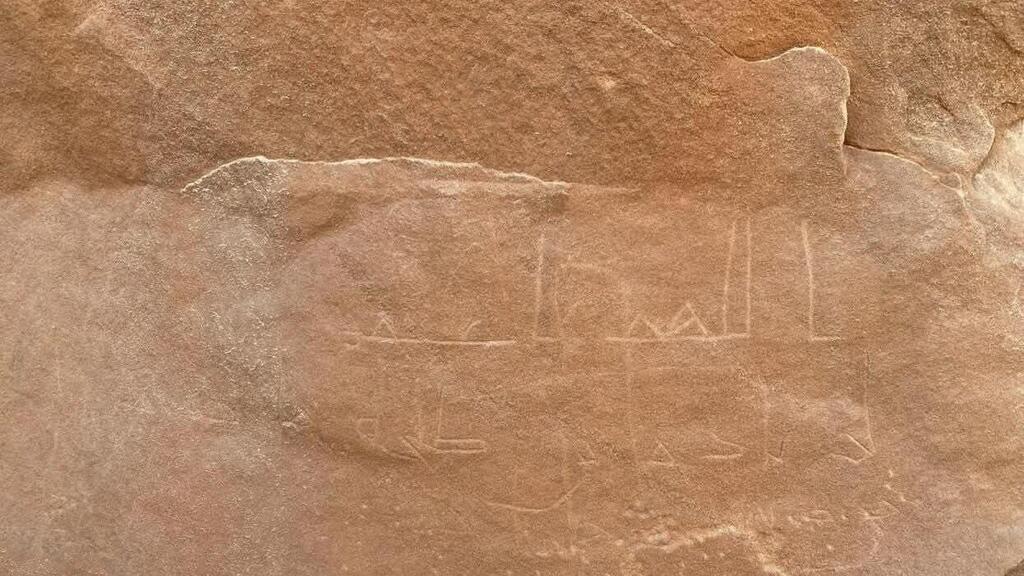
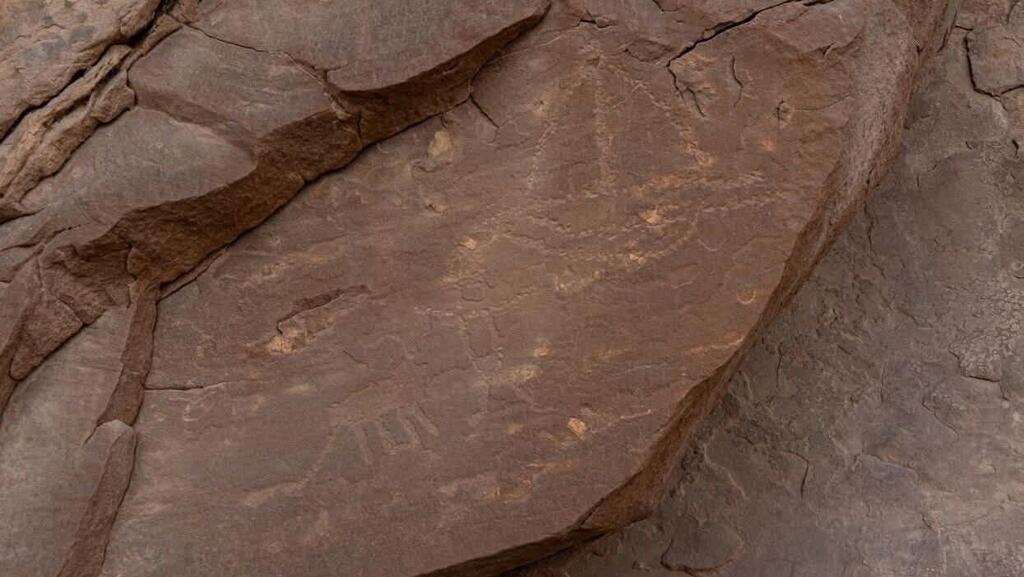
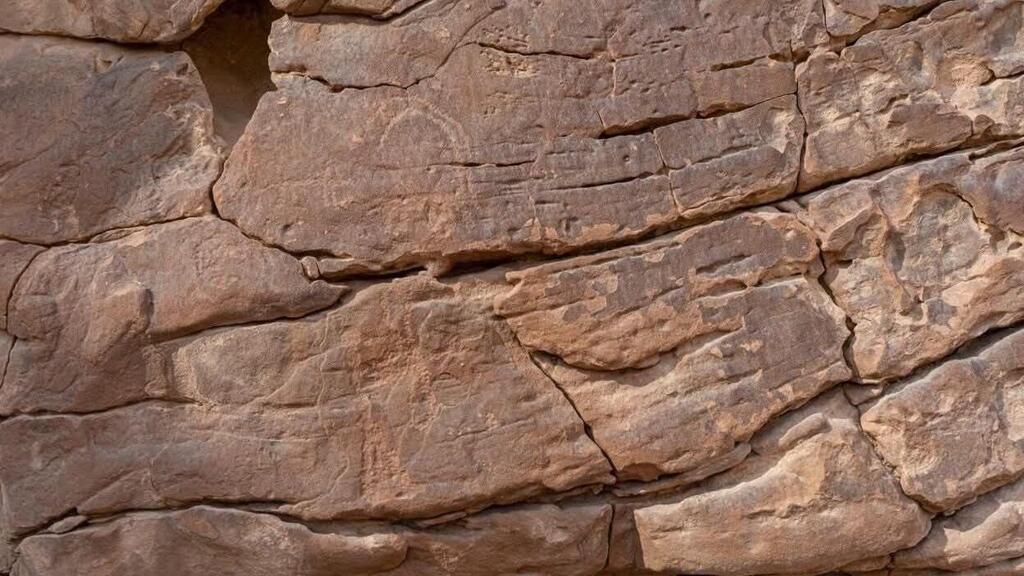
Another group of carvings features camels and horses in various forms, ridden by armed figures. Some of these inscriptions are accompanied by Nabataean script, indicating a later historical period. In addition, a collection of Arabic inscriptions was documented, providing important evidence that the site was also used during the early Islamic periods.
Egypt’s Minister of Tourism and Antiquities, Sherif Fathy, who was quoted in the ministry’s statement, described the discovery as “a significant addition to Egypt’s archaeological map, reflecting the rich cultural and human heritage of Sinai and providing new evidence of the continuity of civilizations in Egypt over thousands of years.”
(Photo: Egyptian Ministry of Tourism and Antiquities)
(Photo: Egyptian Ministry of Tourism and Antiquities)
(Photo: Egyptian Ministry of Tourism and Antiquities)
The minister added that the discovery underscores the ministry’s ongoing efforts in research, discovery, and scientific documentation in line with the latest international standards. According to Fathy, such discoveries help strengthen Egypt’s position on the cultural tourism map and “open new horizons for this important type of tourism.”
Hisham el-Leithy, secretary-general of Egypt’s Supreme Council of Antiquities, said the site is considered one of the most important rock art sites uncovered in recent years, citing the chronological and technical diversity of the carvings. He said the site has exceptional scientific importance and that analysis of the inscriptions and drawings will continue in the coming period, paving the way for a comprehensive preservation and documentation plan.