

Researchers at Tel Aviv University have identified a genetic mechanism that controls the size of wheat grains and the way the plant distributes nutrients to its seeds, a discovery that could eventually improve both crop yields and nutritional value.
The study was led in part by Dr. Zechariah Haber, who was killed in combat in Gaza in January 2024 while completing his doctoral research. His doctorate was awarded posthumously, and the project was completed in the laboratory of Dr. Nir Sade.

The researchers found that reducing the activity of a gene originating in wild wheat produced larger and heavier grains with higher levels of protein, essential amino acids and minerals including iron, zinc and molybdenum.
They believe the discovery could help breeders develop wheat varieties with higher yields and improved nutritional quality by drawing on the rich genetic diversity of wild wheat, much of which was lost during domestication.
The research was led by Haber and postdoctoral researchers Dr. Devinder Sharma and Dr. Manas Prosty, all from Sade’s laboratory at Tel Aviv University’s School of Plant Sciences and Food Security and its Institute for Cereal Crops Research.
The team also included researchers from Tel Aviv University, the University of Haifa, the Agricultural Research Organization’s Volcani Institute and Ben-Gurion University. The study was published in the journal Plant, Cell & Environment.
Wild wheat, or Triticum dicoccoides, is one of the ancestors of modern wheat and grows naturally across the Fertile Crescent. It contains far greater genetic diversity than modern cultivated varieties.
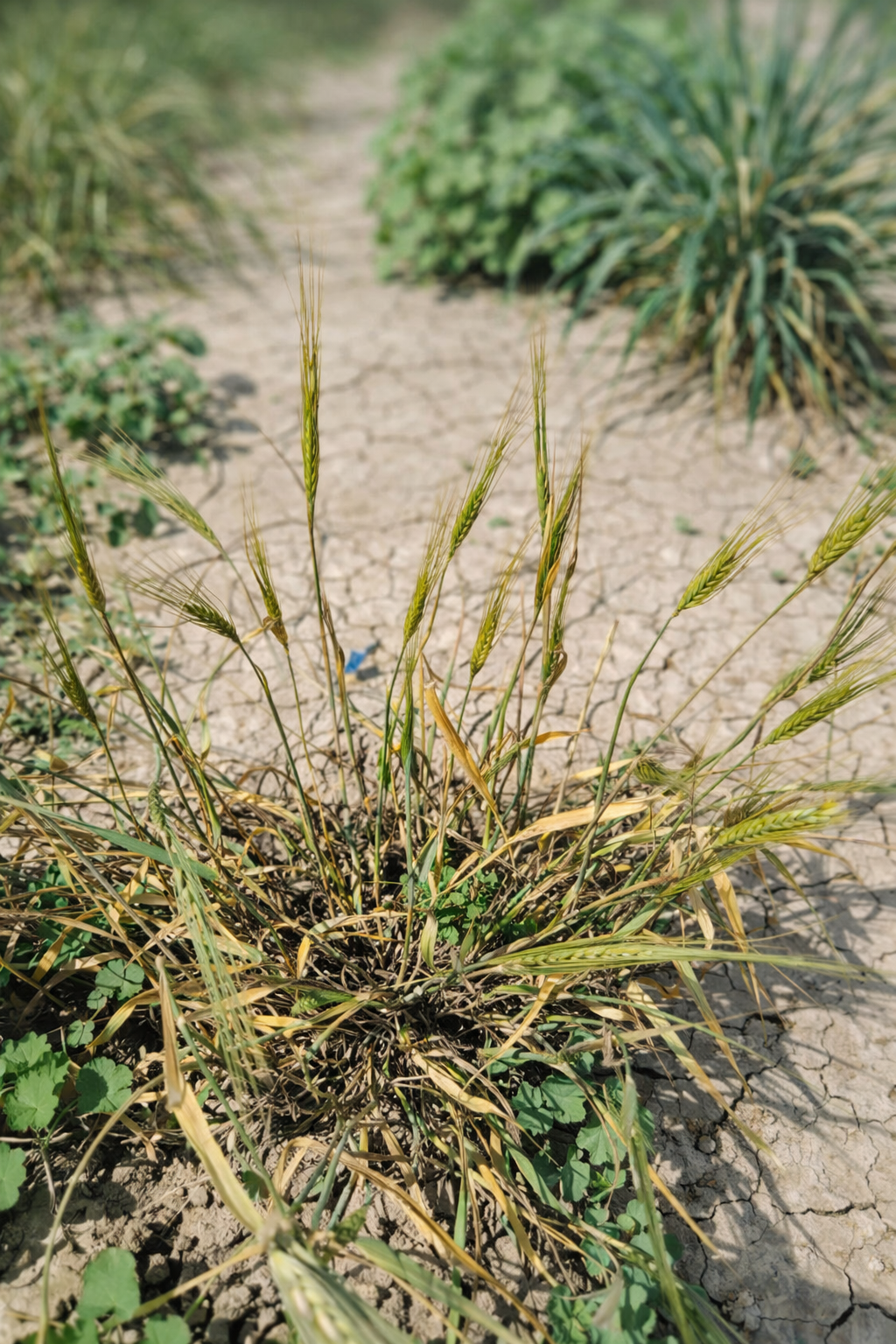
Wheat
(Photo: Tel Aviv University)
Over generations, domestication and agricultural breeding favored uniform crops, causing much of that natural variation to disappear. The researchers set out to determine whether genes preserved in wild wheat could still be used to improve future crops.
They analyzed approximately 460 lines of wild wheat collected from different climatic regions across Israel, comparing their genetic characteristics with grain weight, size and nutritional composition.
The analysis identified a gene from the B3 family of transcription factors that regulates seed development and the distribution of nutrients within the grain.
The researchers then confirmed the gene’s role using CRISPR gene-editing technology. When its activity was reduced, the wheat produced grains that were larger and heavier, with increased levels of protein, iron and zinc.
The study also found that different versions of the gene were distributed across distinct geographical areas.
One version was more common in hot, dry regions, while another was associated with cooler and wetter environments. The finding suggests that the gene also played a role in helping wild wheat adapt naturally to different conditions.
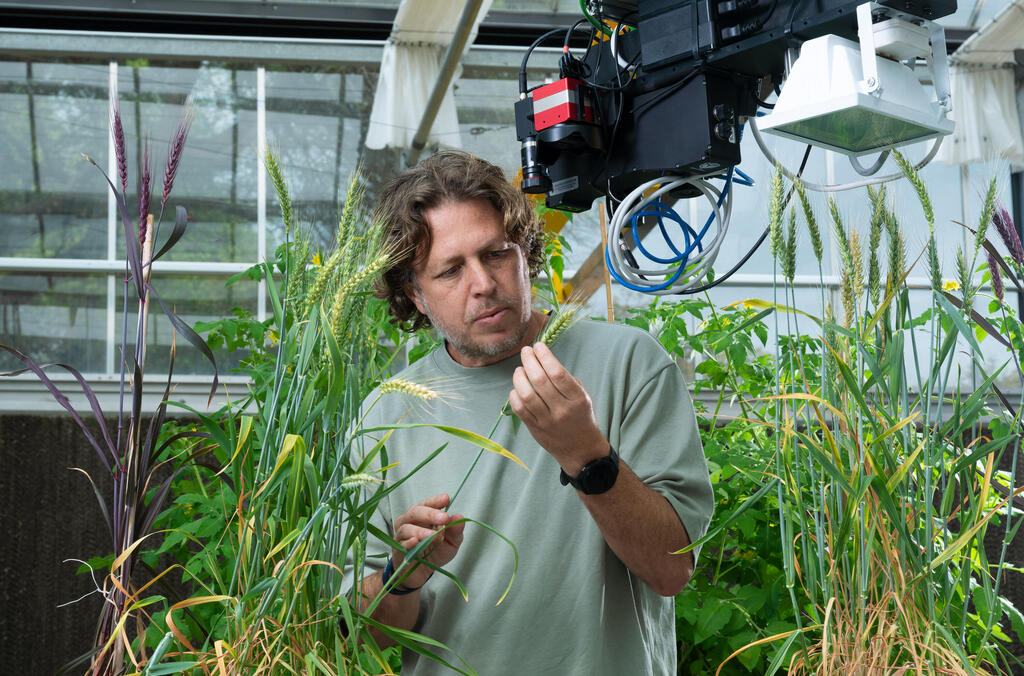
Dr. Nir Sade
(Photo: Tel Aviv University)
That could make it particularly valuable in developing varieties able to maintain yield and quality as growing conditions become more difficult because of climate change.
The researchers described wild wheat as a natural “gene library” that can continue providing new tools for modern agriculture.
Identifying genes that increase yields without reducing nutritional value could help produce better wheat varieties while addressing both rising global food demand and the pressures created by a changing climate.
“Wild wheat is an extraordinary genetic reservoir, built over thousands of years of evolution under changing environmental conditions,” Sade said.
“In this study, we identified a gene that affects both wheat grain size and nutritional quality, and showed how this mechanism can also be harnessed in modern wheat.
“As climate change creates new challenges for global agriculture, discovering genes like these may help develop varieties that provide higher-quality yields even under difficult growing conditions.”