

Major wildfires are once again spreading across the world this summer. After huge fires erupted in Spain and France in mid-July, thousands of people were evacuated this month in British Columbia and the northwestern United States.
Wildfires are hardly new, but amid repeated heat waves across Europe, the growing influence of climate change is becoming increasingly difficult to ignore.
Firefighters battle a forest fire in Almería, southern Spain
(Video: Reuters)


A recent study published in Nature Communications suggests the global wildfire regime is undergoing a major reorganization. More regions are expected to become vulnerable to fire, individual blazes could grow larger and more destructive, and fire seasons are likely to become longer and more intense.
At first glance, one finding may appear counterintuitive: The total area burned globally has actually declined in recent decades, particularly in tropical regions. At the same time, however, rising temperatures and changing rainfall patterns are creating conditions that make it easier for fires to ignite, intensify and spread.
“Forest fires will become increasingly intense, particularly in northern forests such as Siberia, Alaska, Canada and northern Europe,” said Dr. Avner Gross, head of the Climate Change Research Laboratory at Ben-Gurion University of the Negev and a member of Israel’s Climate Scientists Forum.
“We can already see it today, and it is expected to intensify further in the future,” he said. “That is happening because these areas are experiencing longer dry periods and higher temperatures than in the past.”
Under severe warming, human activity may no longer offset the fires
The shift is not being driven by climate alone. The Nature Communications study combined models incorporating climate, vegetation, atmospheric carbon dioxide levels and human activity. The resulting picture is complex: Climate change is creating drier conditions, increasing the amount of combustible material and raising the likelihood of intense fires in some regions.
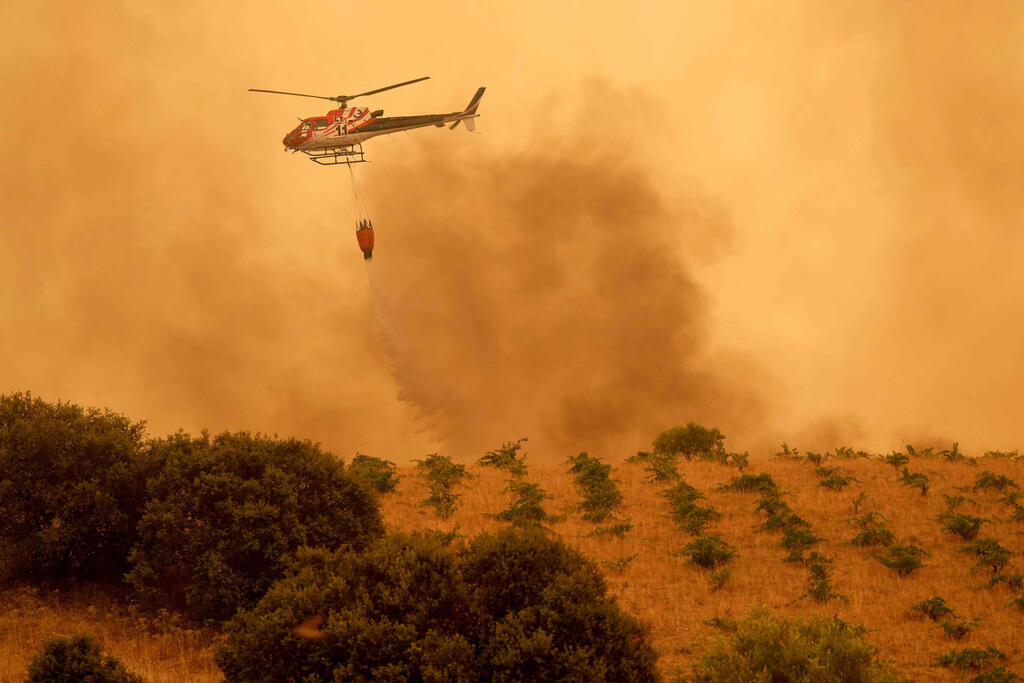
Human activity can sometimes reduce the total area burned. Agriculture, road construction and urban development, for example, can fragment landscapes and limit the spread of fire. But as the climate continues warming, that effect is expected to weaken, leaving climatic conditions increasingly dominant in determining how much land burns. The study underscores how strongly the future of wildfires depends on the pace and severity of global warming.
Under a moderate warming scenario, changes in fire patterns would still be significant but comparatively limited. Under a high-warming scenario, however, the changes become much more severe, with a substantial expansion in the area exposed to wildfire risk and human intervention increasingly unable to counterbalance the effects.
What it means for Israel
For Israel, the findings do not necessarily mean the number of fires will rise steadily year after year. Rather, the country lies within a region where environmental conditions are changing in ways that could increase vulnerability. “Any region that becomes drier and warmer is expected to become more susceptible to fires,” Gross said. “That includes our region, as we have already seen and will continue to see in the future.”
Israel is located in what scientists describe as a climate “hotspot,” meaning an area particularly sensitive to the effects of climate change. “The conditions suitable for fires are expected to appear here with increasing frequency,” Gross said.
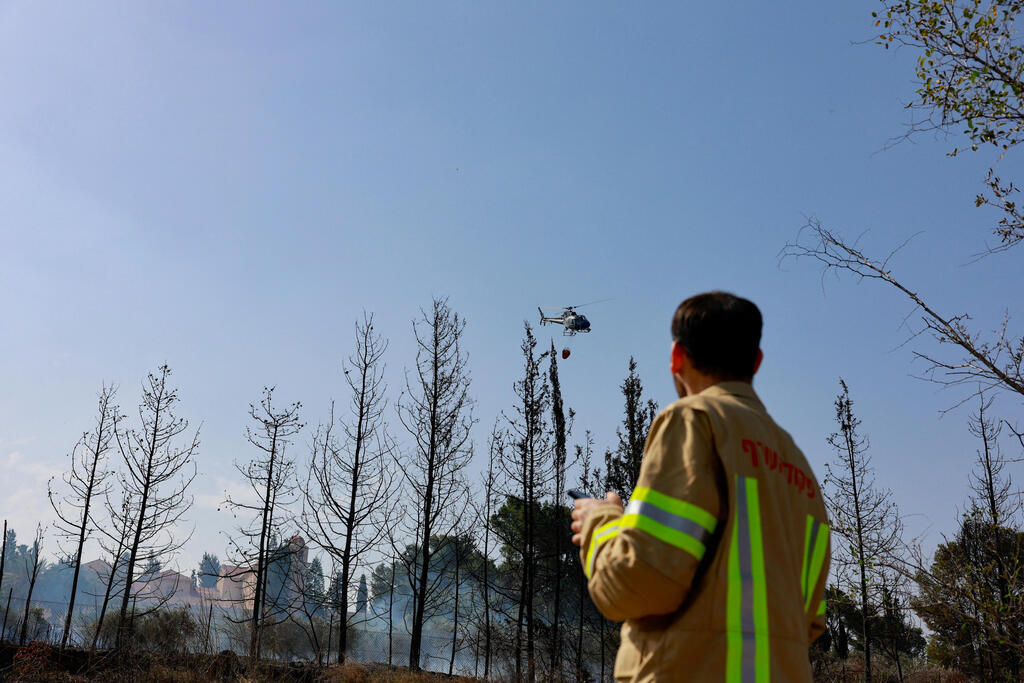
Fire damage in the Jerusalem Hills
(Photo: REUTERS/Ammar Awad)
There is also a dangerous feedback loop. Trees store large quantities of carbon, but when forests burn, much of that carbon is released back into the atmosphere as carbon dioxide. More emissions contribute to further global warming, which in turn helps create the hotter and drier conditions that favor wildfires. “Because forest fires are expected to increase, it is likely that they will also increase carbon dioxide emissions into the atmosphere,” Gross said.
Changes in where fires occur could also allow ash and smoke to travel across wider areas than before, he added, affecting air quality and potentially human health far from the flames themselves.
Wildfires have always been part of the natural environment. But the emerging evidence indicates that climate change is altering their intensity, their geographic distribution and the length of the seasons in which they can thrive. That means efforts to reduce the future wildfire threat are increasingly tied to a much larger challenge: slowing the pace of global warming itself.