

Storm Byron pushed back into Israel overnight Wednesday, unleashing heavy rain from the northern coastline to the Negev and prompting the Israel Meteorological Service to issue a red warning for the central and southern coastal plain and the Shephelah.
Downpours that began late Wednesday were expected to continue through Thursday evening, with 100 to 150 millimeters forecast along the coast. Forecasters said the threat of flooding would remain high in the coastal plain and the Shephelah, while the northern Negev and Judean Desert faced a risk of flash floods as rain persisted into the night.
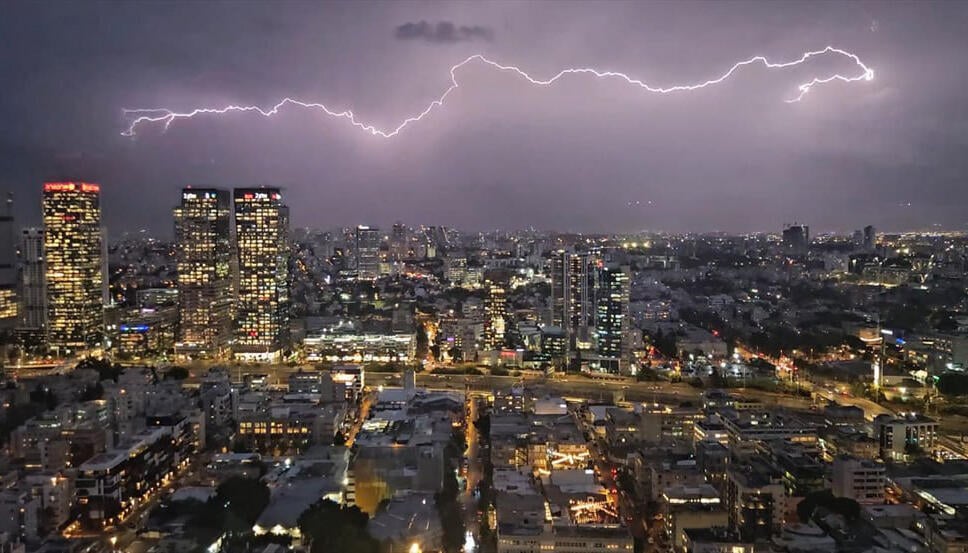
Dr. Amir Givati, head of the Meteorological Service, said the storm would reach its peak during the day Thursday. Tel Aviv and the surrounding cities were expected to absorb the heaviest rainfall through midday, with the storm center shifting south toward Rehovot and Ashkelon later in the afternoon. He said the system would start to ease Friday, with calmer weather expected heading into the weekend.
Rainfall totals from the previous 24 hours were already substantial. Parts of Tel Aviv logged more than 50 millimeters, with similar amounts recorded in central communities including Kfar Habad, Beit Dagan and Petah Tikva. Northern cities such as Zichron Yaakov and Haifa also reported strong accumulations. The Kinneret, however, remained stable.
Thunderstorms and strong winds were expected to continue overnight from the Galilee to the northern Negev. Temperatures were running below seasonal averages.
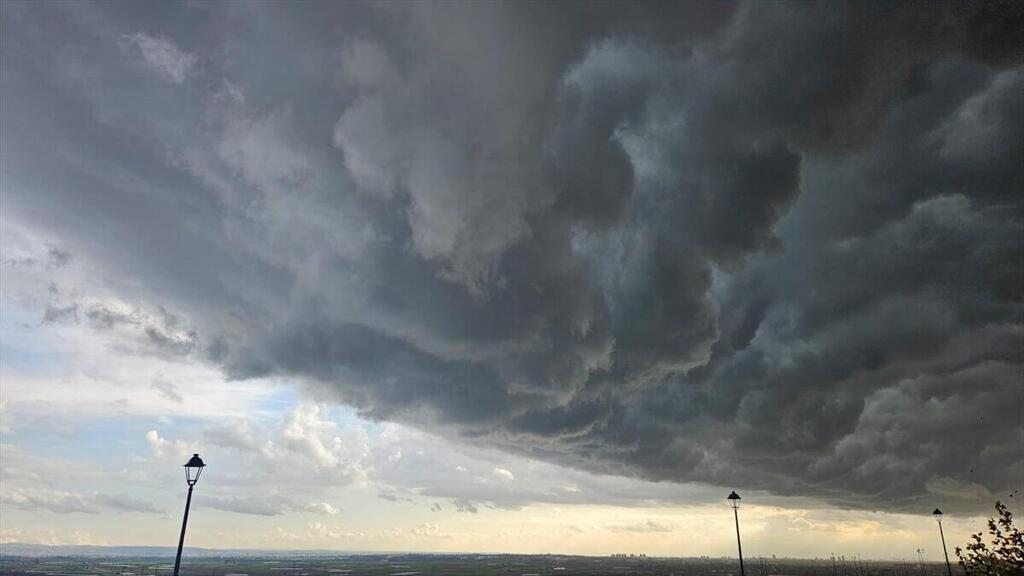
(Photo: Tal Eitan)
On Friday, scattered showers were expected to linger from the north to the northern Negev, with isolated thunderstorms still possible until midday. Flooding remained a concern in the central and southern coastal plain and in desert streambeds near the Dead Sea. Rain was expected to weaken in the afternoon. Local showers could continue Saturday in the north and center, with the next storm system possibly arriving Monday.
IDF restricts movement due to severe weather
The IDF ordered a temporary lockdown on bases through Friday morning, barring troops from leaving and suspending outdoor training due to the hazardous conditions. The army also banned navigation exercises, marches and nonessential field overnights. The restrictions come after several past weather-related incidents, including the 2019 drowning of Paratroopers Reconnaissance soldier Staff Sgt. Eviatar Yosefi during a storm.
Snow fell overnight on the upper Hermon. Kfir Sabag, a career soldier stationed on the mountain, said winter had “finally arrived,” with accumulation reported on high-altitude outposts and hopes the ski site could open next week if snow reaches lower elevations.

(Photo: Yariv Katz)
Israel Railways said it was reinforcing crews and preparing infrastructure for potential disruptions, urging passengers to exercise caution on platforms, avoid rushing and arrive early.
The Health Ministry issued guidelines for vulnerable residents, urging families to keep indoor temperatures between 21 and 24 degrees and maintain humidity levels to avoid overly dry air.