

The border collie is considered the smartest dog breed in the world. Next on the list are the poodle in second place and the German shepherd in third. It turns out there is a parallel list of breeds considered less intelligent, relatively speaking. It is important to clarify that there is no truly stupid dog breed.
Instead, there are differences in how quickly dogs learn commands and perform certain tasks. Some emphasize that every dog has a unique kind of intelligence that it expresses in its own way. So what are the criteria for determining the intelligence of dog breeds, and why did certain breeds end up on the list of the “least intelligent” dogs?

The 10 dog breeds considered the most intelligent
Some experts evaluate dog intelligence based on how quickly a dog can learn new things or carry out certain actions. It is worth noting that some breeds considered less intelligent compared with others are also among the most loyal and calm. So if your priority is to spend hours enjoying affectionate interaction with a dog, a breed labeled less intelligent may still be an excellent choice as your new faithful companion.
Dr. Stanley Coren, a neuropsychologist at the University of British Columbia in Canada and a dog trainer, published the 1994 bestseller “The Intelligence of Dogs,” a book that established a metric for ranking the smartest dog breeds. Coren showed how a dog’s cognitive abilities are shaped by genetics and evolutionary forces. His intelligence scale, used to rank more than 100 breeds, combines adaptive intelligence (the ability to solve problems and learn from prior experience), instinctive intelligence (the ability to perform tasks the dog was bred for, such as herding or hunting), and obedience and working intelligence (the ability to learn human commands). The methodology relied mainly on observing dogs learning commands. According to Coren, the least intelligent breeds are those that require the greatest number of repetitions to perform a command. Not all canine cognition experts accept this view. Anya Paraks of the Canine Cognition Program at Boston College argues that intelligence is increasingly seen as diverse across different dogs, and that it is impossible to measure canine intelligence precisely using a single standard set of criteria.
Based on Coren’s ranking, which is still widely accepted today, these are the dog breeds considered the least intelligent:
1. Afghan hound
Despite being one of the world’s most expensive dogs, the Afghan hound is considered to have the lowest IQ among dog breeds because of especially low obedience and working intelligence. Coren concluded that the striking Afghan hound is the least intelligent breed because it needs at least 80 repetitions to understand a new command. This may stem mainly from the fact that it is one of the most stubborn breeds, notorious for ignoring its owners’ commands.
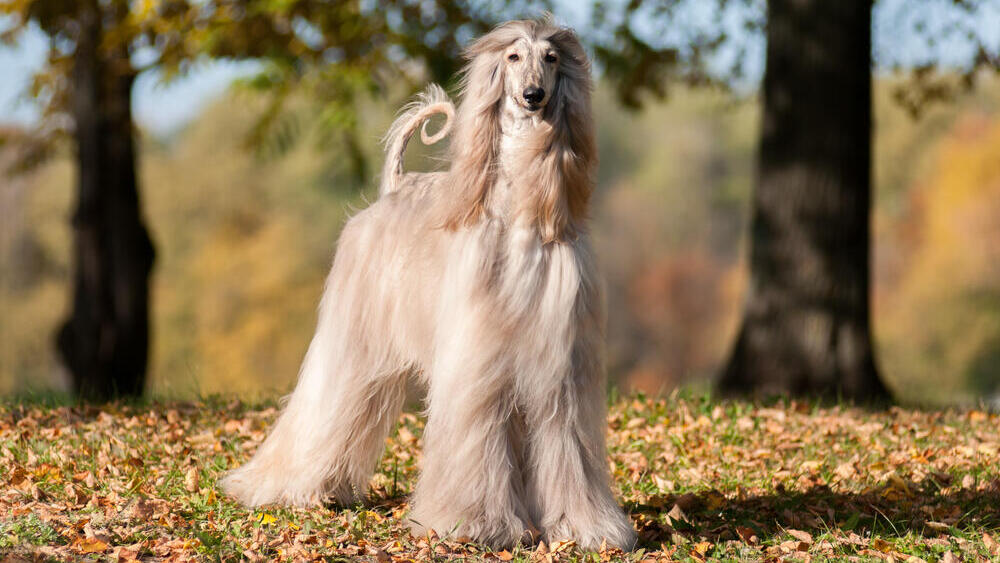
Afghan hound, prone to ignoring commands
(Photo: David Raihelgauz/Shutterstock)
Afghan hounds are hunting dogs from the sighthound family, a group that hunts primarily through speed and keen vision rather than scent. For that reason, learning commands may never have been part of their genetic or evolutionary design. The Afghan hound has long, silky fur in a variety of colors that requires devoted care. Its coat protects it from the severe cold of the Afghan mountains. Like many sighthounds, Afghan hounds can be aloof and distant, but also independent and stubborn. These traits make them hard to train, but that does not necessarily mean they are not smart. They simply prefer to think for themselves and do things on their own terms. Training them may require creativity, but their elegance, regal appearance and devotion to humans make them special companions.
“Along with the Afghan hound, you can also place the saluki at the top of the list,” says Dr. Hilik Marom of the Israeli Organization for Veterinary Medicine of Companion Animals. “The saluki is a sighthound that originated in Iraq. It is one of the oldest domesticated dog breeds in the world, yet it is also very sensitive and difficult to train and discipline.”
2. Basenji
A hunting dog originally from the Democratic Republic of Congo in Central Africa, the basenji is better known in Israel as the Yemeni market dog because of its wide presence there. Like the Afghan hound, the basenji belongs to the sighthound family and is therefore independent and somewhat distant. Some people describe the breed, which does not bark but makes other sounds resembling yodeling, whines and howls because of the structure of its voice box, as having catlike traits since it grooms itself like a cat.
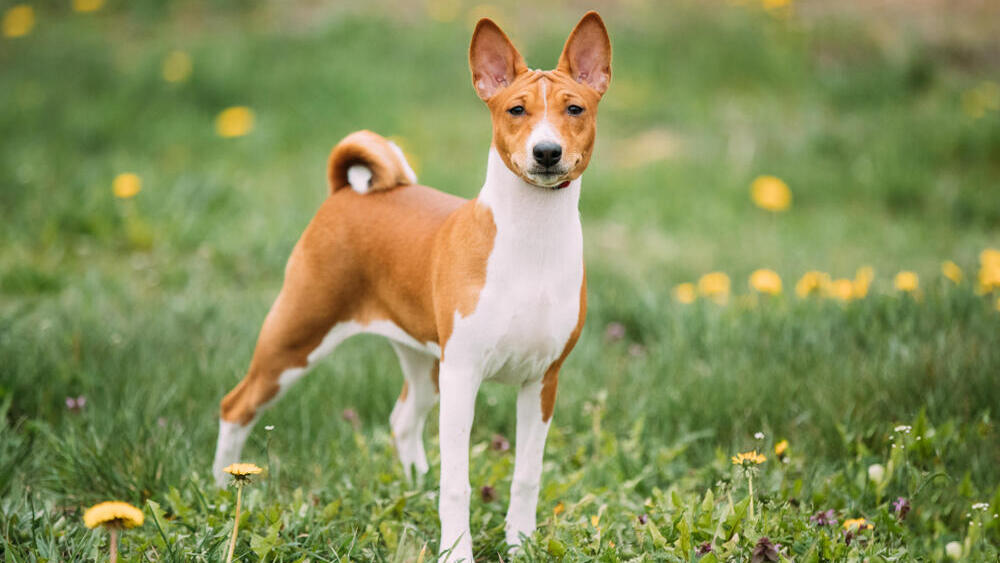
The basenji is a curious, mischievous breed
(Photo: George Trumpeter/Shutterstock)
The basenji has a reputation for being difficult to train, but ease of training is not always an accurate measure of intelligence. Basenjis are highly curious and playful. Like curious toddlers, they can get into trouble if not supervised. They are alert and suspicious, but also stubborn, so they do not obey consistently, though they can be trained. They also need plenty of playtime to release their high energy. If they do not burn off energy through play, they may do so in negative ways, especially by chewing objects. Still, dogs of this breed are often described as intelligent in other respects, such as making decisions based on their own interests, for example in the pursuit of food.
3. English bulldog
Another breed known for stubbornness is the bulldog, which can make training difficult. The bulldog was originally developed in 17th century England for bull baiting. From the Middle Ages for about 600 years, bulldogs were used to provoke and fight bulls. One reason the breed appears so high on this list may be its famed laziness. It prefers curling up on the couch rather than running around and being “smart” like a Labrador retriever or border collie.

English bulldogs tend to learn only a few commands.
(Photo: Amina 'ently/ Shutterstock)
Coren ranked the breed third from last in its ability to obey a first command or understand new ones. In general, bulldogs can be stubborn and learn only a few commands, so owners are advised to choose carefully which commands they try to teach.
4. Chow chow
Even though it looks like a lion, the chow chow is far from being king of the jungle, or even king of the neighborhood dog park. Coren once quipped that there are probably pieces of furniture that can be trained more easily than chow chows.
The breed was originally raised as a guard or hunting dog and is considered one of the oldest breeds. Its official origin is China, though some claim Mongolia is its true homeland, citing findings that Mongols used heavy black mouthed dogs as war dogs 3,000 years ago. Beyond being a fierce hunting dog, it was also used to guard temples and was attributed mystical, supernatural powers to ward off dark forces.
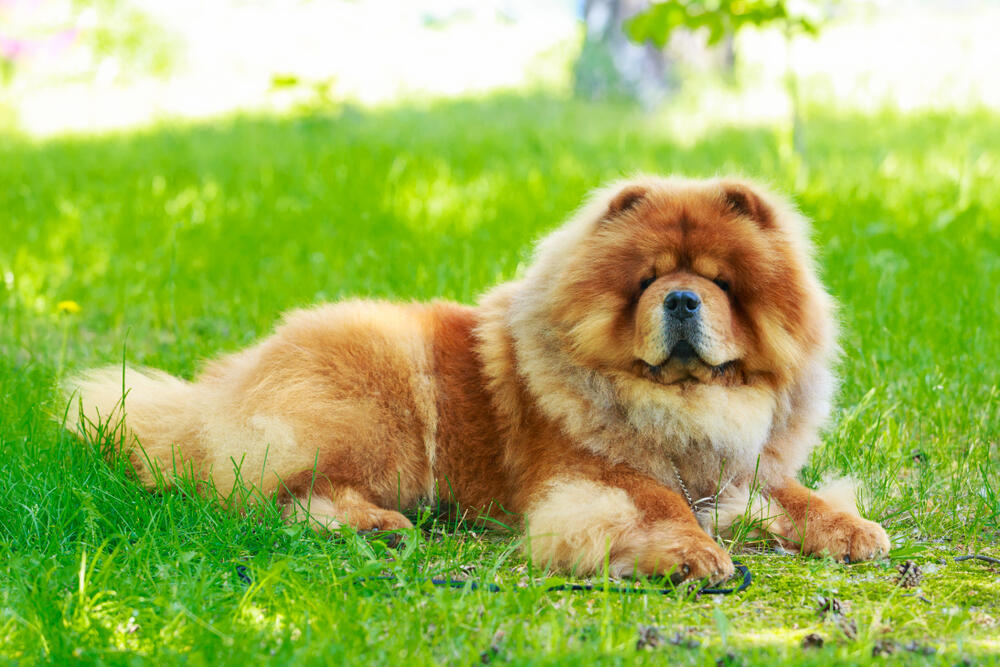
The chow chow is notoriously hard to train
(Photo: Olga Aniven /Shutterstock)
Chow chows are serious, independent and distant. They are willful and stubborn, which makes them harder to train. For these reasons, chow chows require firm but positive training and extensive socialization from an early age. When raised properly, they are noble, loyal and devoted companions. What they may lack in trainability is balanced by their loyalty and their drive to protect their owners from danger.
5. Borzoi
The borzoi is a large sighthound from Russia and is fairly independent. Dogs of this breed can also be stubborn, which makes training difficult and requires patience. Borzois do best with frequent, short training sessions rather than long hour-long lessons. They enjoy chase games where their sighthound abilities shine. The borzoi has an impressive coat and is one of the cleanest breeds, spending so much time on personal hygiene that it leaves little time for other hobbies.
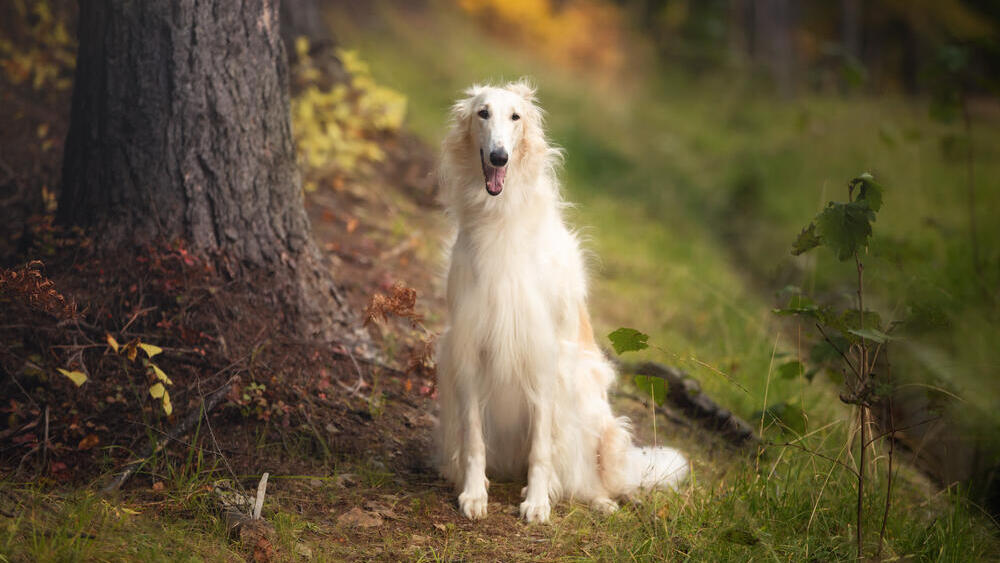
Borzois lose interest in lengthy lessons
(Photo: Anastasiia Cherniavskaia/Shutterstock)
6. Bloodhound
If you have ever seen the aurora borealis, a natural phenomenon in which different colored lights turn the night sky into a breathtaking display, you might understand how a dog with an extraordinary sense of smell like a bloodhound “sees” the world through its sensitive nose.
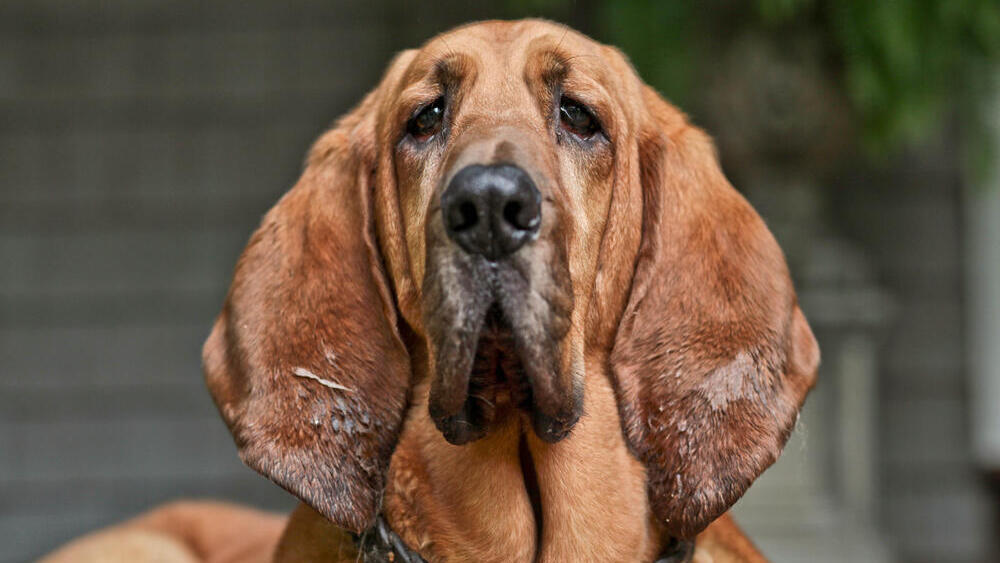
Bloodhounds are easily distracted by the smells around them
(Photo: Huckleberry14/Shutterstock)
Bloodhounds are hard to train because they are distracted by smells near and far. They are gentle, easygoing dogs with strong persistence in following scent trails. Because of their powerful instinct to track, obedience training can be difficult for inexperienced handlers. Still, it is important to note that the bloodhound does one thing better than any other creature on Earth, finding missing people.
7. Pekingese
The pekingese is a breed originating in China. One reason people may think pekingese are slow is that they resemble sloths in some ways. At home they enjoy sprawling out and surveying their surroundings. This may be due to their body structure or their historical role as sacred pets of the ancient Chinese nobility. In fact, pekingese were called “sleeve dogs” because members of the imperial household carried their cherished companions inside wide sleeves.
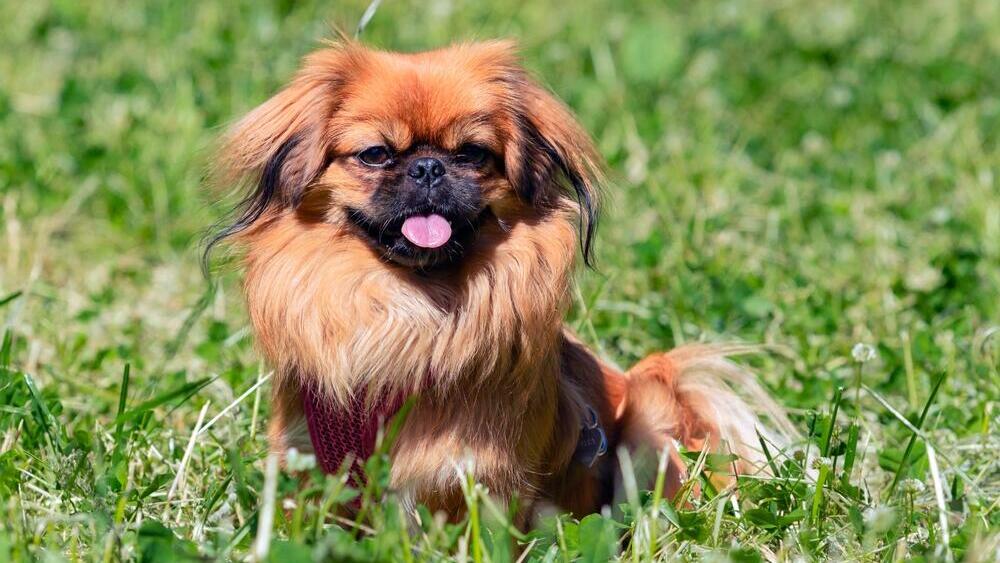
Pekingese
(Photo: Kanyshev Andrey/Shutterstock)
Because of their independence, training pekingese is considered challenging. Even so, they are devoted to their owners and unafraid to defend their territory. Despite their modest trainability, they can still be taught basic commands.
8. Beagle
Like bloodhounds, beagles love following their noses, which can sometimes get them into trouble. Traditionally, beagles were used for hunting in packs or alone, mainly for relatively small game like rabbits and foxes, but also for tracking larger prey such as wild boar and deer. Today, beagles are kept as pets but also serve as detection dogs for many purposes. They can sniff out people, drugs and banned organic materials at border crossings, seaports and airports.
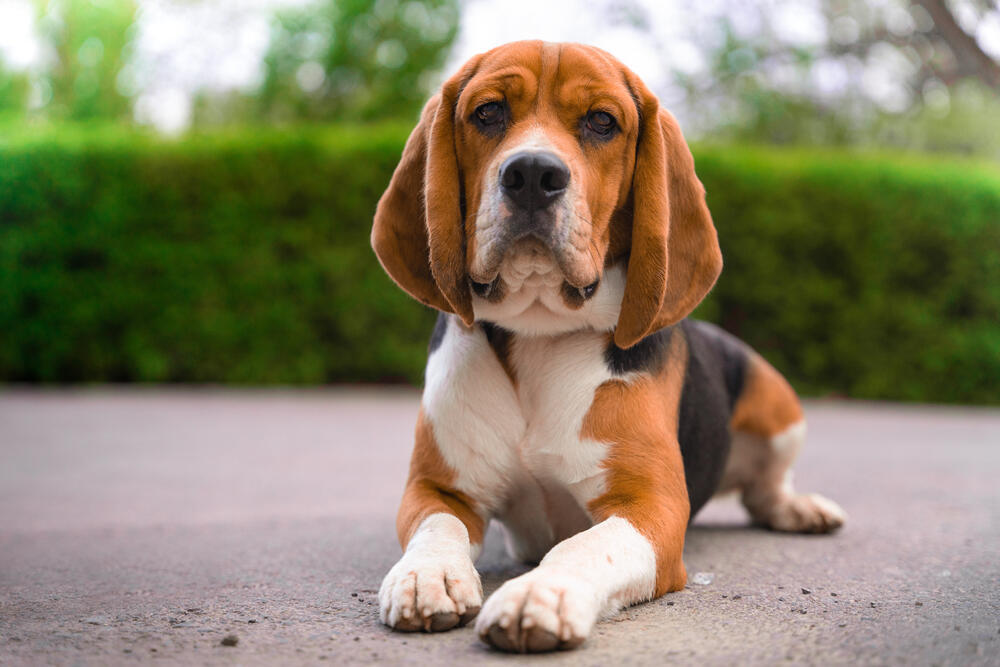
With beagles, treats can help
(Photo: Masarik/Shutterstock)
Their advantage over other detection dogs is their small size, which makes them easier to deploy, their nonthreatening appearance and their pleasant temperament. Despite their place on this list, they are not the hardest to train. Even if they are a bit stubborn, owners can overcome that with treats because beagles are usually motivated by food. They cannot resist exploring the world through scent and chasing small creatures.
9. Mastiff
“Mastiff” is a general name for a group of large, strong dog breeds that are also very relaxed and calm. Here, too, the dogs are stubborn, which can make training harder than with other breeds. Mastiffs bore easily during training, so sessions should be short and varied. Because of their size and natural suspicion of strangers, it is essential for owners to begin training and socialization early so the dogs can develop into well-mannered companions.
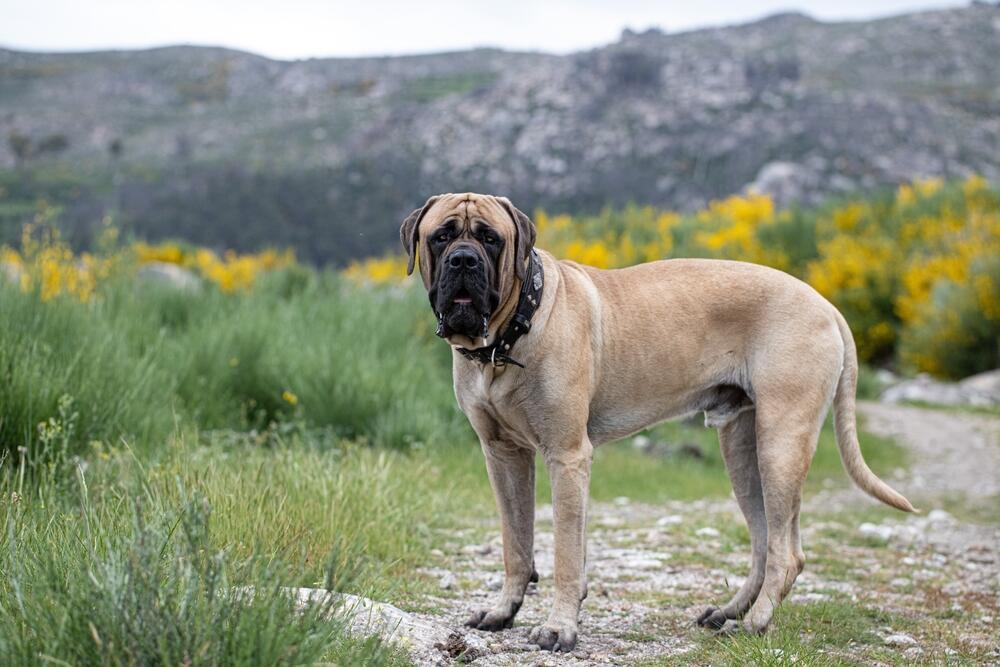
English mastiffs get bored with training easily
(Photo: Monica Arauz/Shutterstock)
Many mastiff owners know their dogs will eventually do what is asked, but it takes time. That can explain their reputation as lacking intelligence. Notable mastiff breeds include the Pyrenean mastiff, Tibetan mastiff, English mastiff, Dogue de Bordeaux (also known as the French mastiff), Neapolitan mastiff, Persian mastiff, Russian mastiff and Dogo Argentino.
10. Basset hound
Like the pekingese, basset hounds can seem a bit lazy. That may be due to their long low bodies or their relaxed nature. Basset hounds can also be stubborn, and like their scent hound cousins such as the bloodhound and beagle, they struggle to ignore surrounding smells long enough to stay focused on learning. Anyone raising a basset hound and hoping for high obedience should understand it is a lifelong process for the dog, lasting 12 to 13 years.
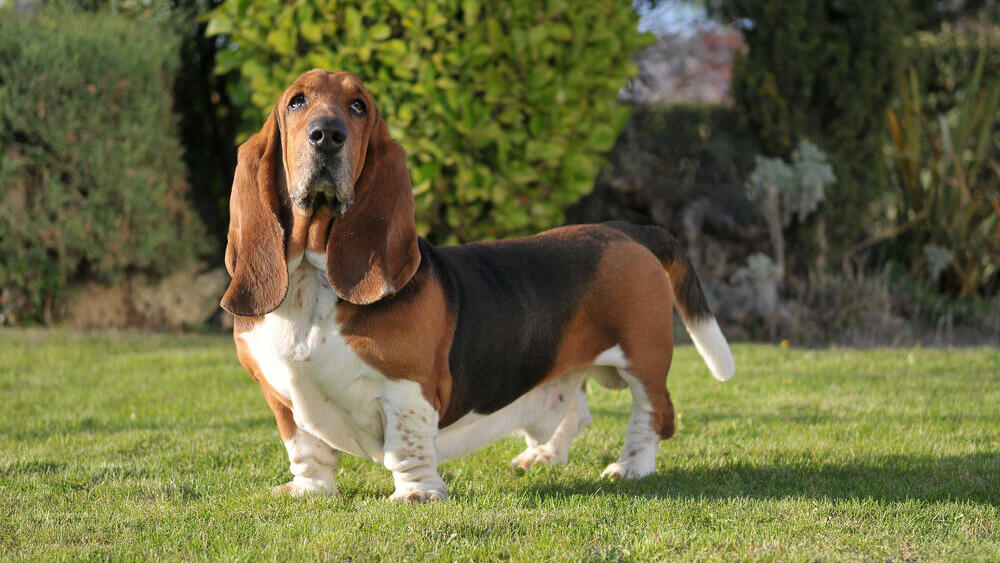
With the basset hound, training may take a lifetime
(Photo: Marcelino Pozo Ruiz/Shutterstock)
‘There are no dumb dogs’
There is no secret that purebred dogs have very different skills depending on what they were bred to do. Herding dogs like border collies are universally regarded as among the most intelligent. They excel both at independent decision-making and at taking instructions from humans. Scent hounds, on the other hand, are hunting dogs that rely mainly on smell rather than sight, and they sit on the other end of the scale.
“They are difficult to train because they are not really looking up, they are looking down,” said Dr. Nicholas Dodman, a leading animal behavior researcher who ran the Animal Behavior Clinic at Tufts University for more than two decades, in an interview with Dogster. “They are not really interested in listening or pleasing anyone. They are simply interested in following their noses. Scent hounds want to chase after anything that moves.”
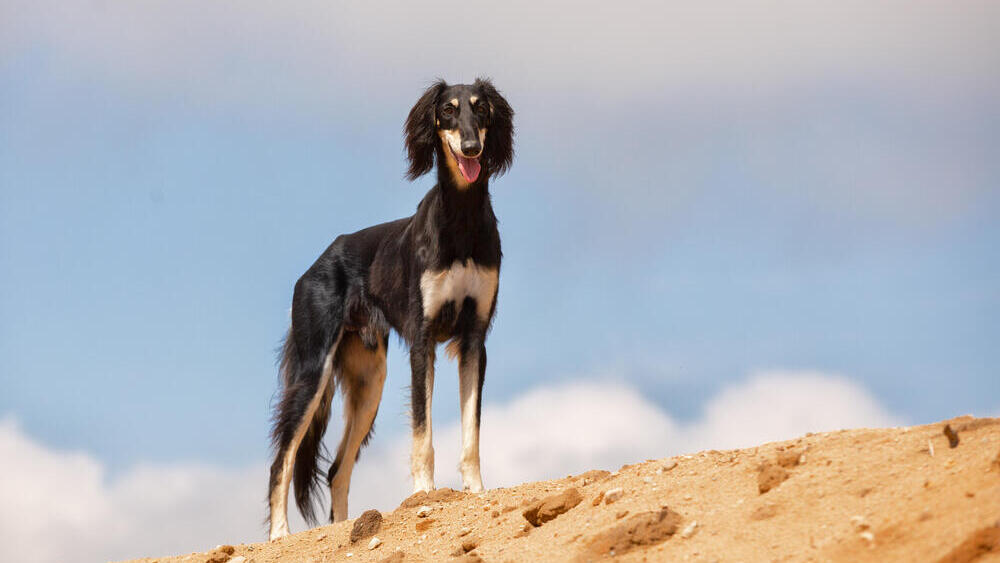
The saluki is another breed that is difficult to train and discipline
(Photo: Natalia Fedosova/Shutterstock)
Still, some of the studies used to determine the most intelligent or “dumbest” breeds may be inaccurate. “Most breeds are only about 150 years old, so there are very few things that distinguish them,” said Dr. Brian Hare of Duke University, a specialist in dog cognition, in an interview with Dogster. “To scientifically prove which breed is the smartest, you would need to compare at least 30 dogs from each breed. They would have to be puppies raised and tested similarly to control for the effects of upbringing and age on performance. If you took the breeds registered with the American Kennel Club or all the breeds worldwide, you would need an enormous number of puppies, between 6,000 and 12,000, decades of work, millions of dollars and about a thousand graduate students. No wonder no one has done it.”
'Ultimately, my recommendation is not to choose a dog based on intelligence, but on a match in temperament and communication with the owner,' Freeman said, 'At the ‘Let the Animals Live’ shelter, dozens of smart, good dogs are waiting. We do not judge their intelligence, only their right to a warm, loving home.'
Hare argues that canine intelligence is not a black-and-white matter. “For example, a Labrador bred for the military is the same breed as a Labrador bred as a service dog, yet they can be very different,” he said. “I do not really think there is such a thing as ‘smart’ dogs and ‘dumb’ dogs. Different dogs are good at different things, and each is smart in its own unique way. It is not fair to label any breed or individual dog as stupid.”
Dr. Marom, of the Israeli Organization for Veterinary Medicine of Companion Animals, says, “There are no dumb dogs, but there are specific dogs who were not blessed with much intelligence, and some breeds are harder to raise or train. In the spirit of the times, a substantial portion of them come from countries that do not make life easy for Israel, like Yemen.”
Dudi Freeman, a trainer and canine behavioral therapist at the “Let the Animals Live” association, agrees that these dogs are not stupid. They are simply independent and driven by strong instincts. “Purebred dogs are dogs created by humans for a specific purpose. A trainer knows how to use the right tools that match the dog’s genetics and understands the dog’s motivation for carrying out commands. In the end, my recommendation is not to choose a dog based on intelligence, but on compatibility of temperament and communication with the owner,” Freeman said. He added that mixed-breed dogs have strong survival instincts, high social communication and work well within a pack.
“Dozens of smart and good dogs are waiting at the ‘Let the Animals Live’ shelter,” he said. “We do not judge their intelligence, only their right to a warm, loving home.”