

For the first time in Israel, conservation officials have succeeded in germinating seeds of the marsh orchid, a rare wild species whose populations in the country have mostly disappeared or are in decline, the Israel Nature and Parks Authority said this week.
The authority described the development as a significant breakthrough in efforts to preserve the species after years of failed attempts.
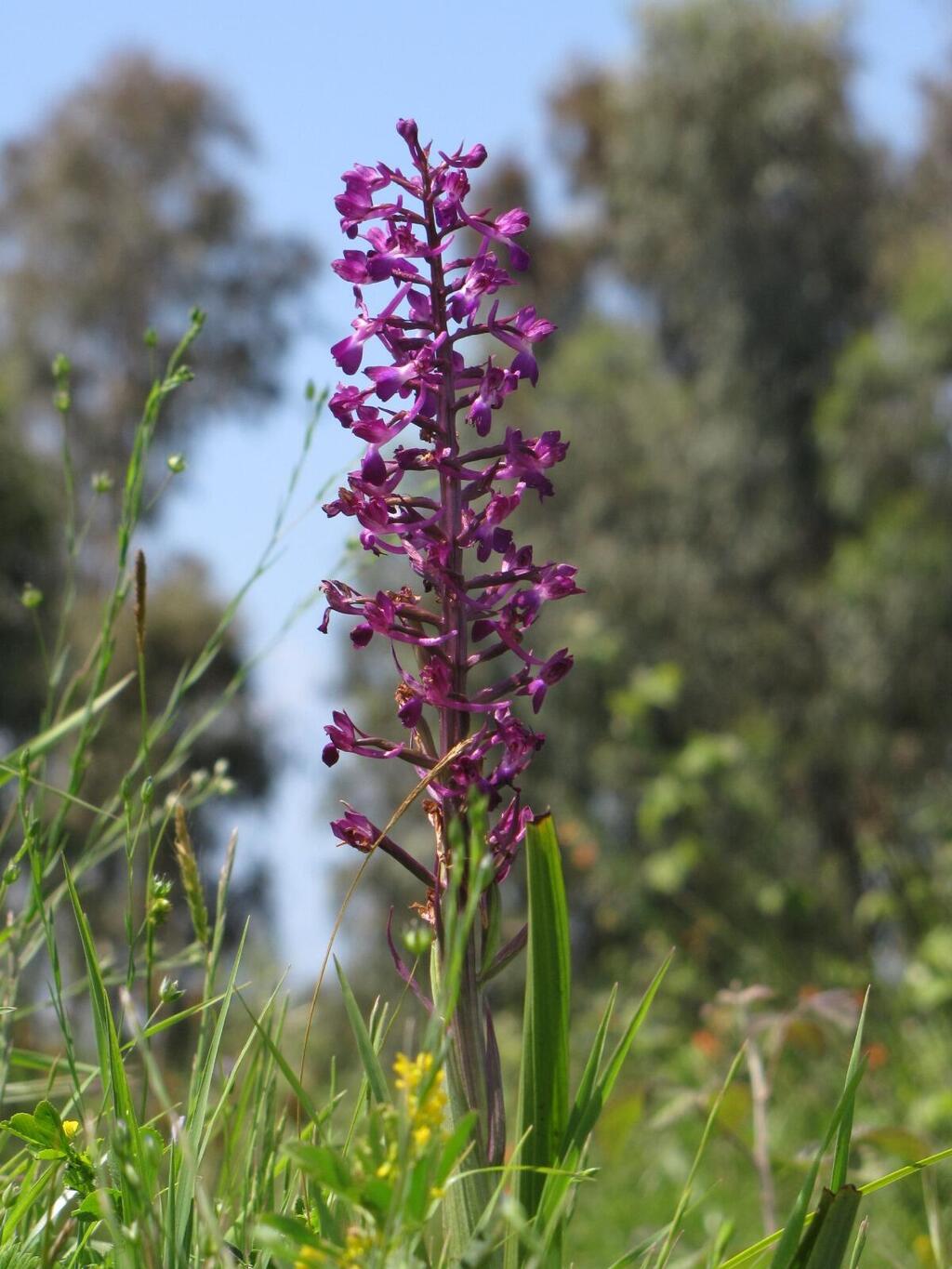
The seeds were collected from a marsh orchid population at Mount Keta in northern Israel, which officials said is now the last large and stable population in the country. They were germinated for the first time at the Ein Afek Nature Reserve using a new method developed in the field, then grown in closed containers in a controlled environment.
During the months of the war, the seedlings were transferred to a shelter garden at Tzipori National Park. Now that they have become established, some have already been moved into pots, an important stage toward growing mature plants and returning them to the wild.
According to Merav Label Vin, a plant ecologist at the Israel Nature and Parks Authority, the success follows prolonged research and years of trial and error.
“In the past, germination attempts were made both in a greenhouse at Ein Afek and through sterile laboratory methods, similar to the way ornamental orchids are grown, but without success,” she said.
“This year, alongside an initial success with a sterile method by an outside grower, Uri Handler, gardener of the authority’s shelter gardens in the northern district, succeeded in germinating the seeds through a non-sterile method, in closed containers and under controlled conditions, relying on professional knowledge from two orchid growers who accompanied us through the process.”
She said it was the first achievement of its kind in growing an Israeli wild orchid outside its natural habitat.
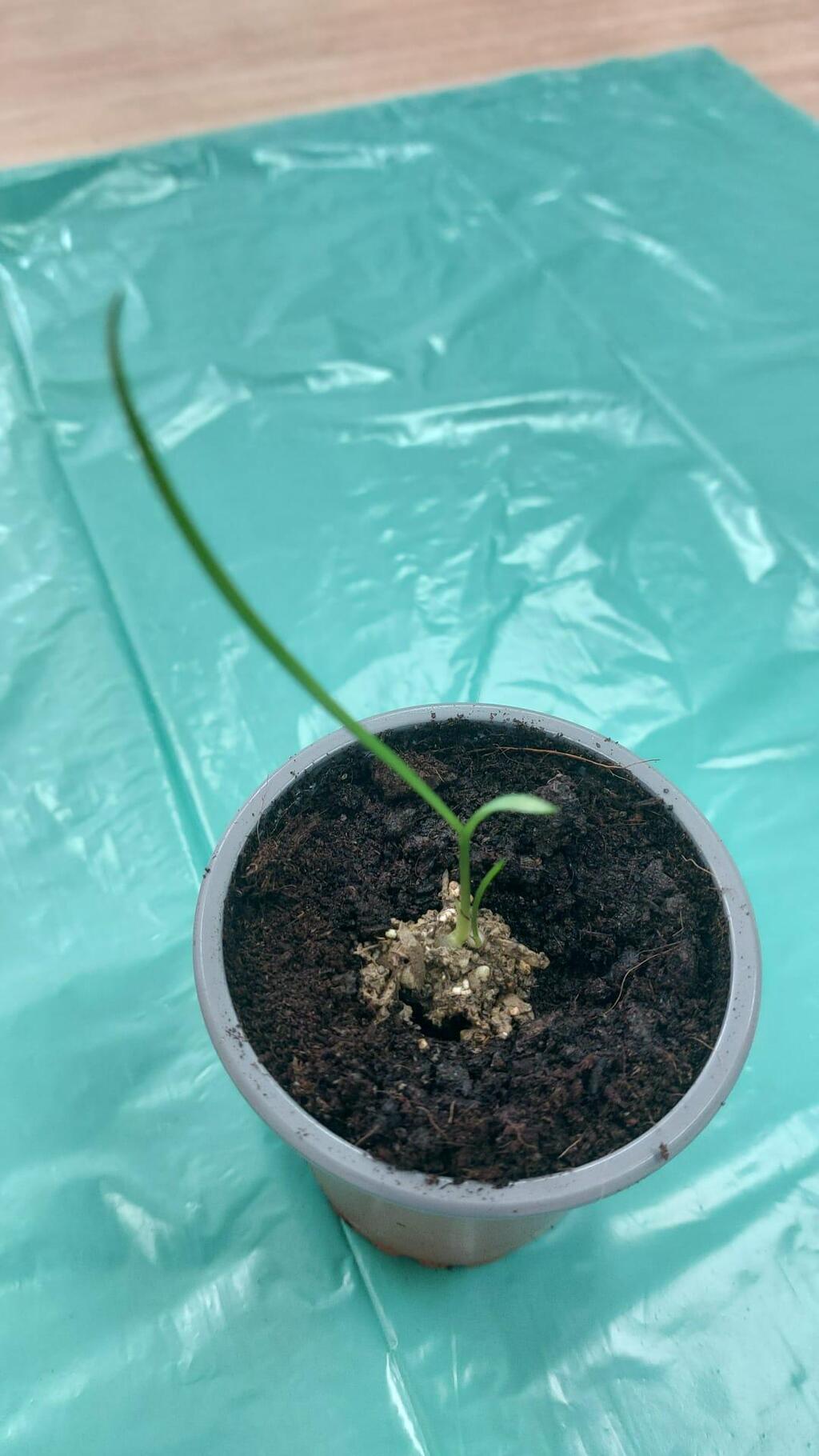
First germination of the marsh orchid
(Photo: Uri Handler, Israel Nature and Parks Authority)
The marsh orchid once grew in several parts of Israel, from the Sharon region to the Acre Valley and Jezreel Valley, and from the Hula Valley to the lower slopes of Mount Hermon. But over recent decades, its populations have collapsed dramatically, to the point that plants have almost completely disappeared from many former sites.
The reasons for the collapse are still being studied. Label Vin said it is not yet clear whether the decline is linked to changes in water regimes, the absence of suitable grazing management or damage to the orchid’s symbiotic relationship with soil fungi essential for its development.
The Nature and Parks Authority said that alongside the successful germination at Ein Afek, dozens of plants were relocated this year from Mount Keta to additional sites as part of a first attempt to reintroduce the species into the wild, against the backdrop of development pressure in the area.
The moves are part of a broader authority program to map threats, understand the causes of the collapse and restore the species’ populations.
“We are only at the beginning of the road, but the success inspires real hope for saving the species,” Label Vin said. “Today, the marsh orchid can be found in the wild almost only at Mount Keta in the lower Hermon, after most populations in the coastal plain and the valleys disappeared or were reduced to a few individual plants.”
The marsh orchid is a delicate perennial with a dense cluster of prominent purple-pink flowers. It can reach about 16 to 28 inches in height and blooms in spring. Its flowers have the characteristic orchid structure, including a broad, decorated lower lip that attracts pollinators. The plant grows in aquatic habitats such as wet meadows and the edges of marshes and streams, making it highly sensitive to changes in water conditions.